Looking for the best credit card in Canada for your needs? Explore our selections by category, including annual fees and welcome offers. Choose a need below to jump to its comparison table.
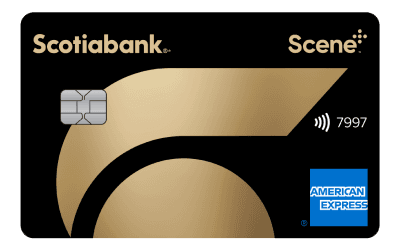

- Annual fee
- $120
- Our valuation
- $500Milesopedia first-year estimate First-year valueWelcome bonus$500Total$500Rewards on your spending are not included. The calculator that adds them from your own profile is on the card's page.
- Milesopedia first-year estimateFirst-year valueWelcome bonus$500Total$500Rewards on your spending are not included. The calculator that adds them from your own profile is on the card's page.
- Welcome offer
- Up to 50,000 points
- Ends Nov 1, 2026
on Scotiabank's website
The best credit cards for travel
Choose points you can use for your travel plans. Compare available programs and annual fees.
Then check included benefits, such as insurance and lounge access, along with welcome-offer conditions.
This month, the best credit card for travel in Canada is the TD First Class Travel® Visa Infinite* Card. It offers up to 160,000 points. It has no annual fee in the first year.
| Credit card | Annual fee | Welcome offer | |
|---|---|---|---|
| $0 | |||
| $120 | |||
| $0 | |||
| $120 | |||
| $0 |

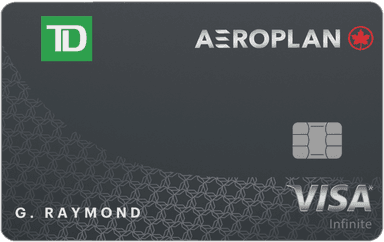
The best credit cards for cash back
Compare cash back on your actual grocery, dining and transport spending. The highest rate does not apply to every purchase.
Check earning caps, annual fees and redemption conditions.
This month, the best credit card for cash back in Canada is the Neo World Elite® Mastercard - Everywhere. It offers $100. It has no annual fee in the first year.
| Credit card | Annual fee | Welcome offer | |
|---|---|---|---|
| $0 | |||
| $0 | |||
| $0 | |||
| $0 | |||
| $0 |


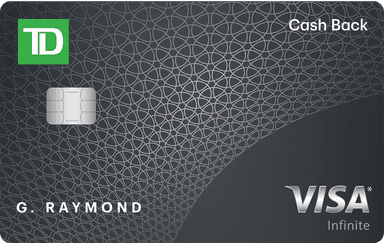
The best credit cards for Aeroplan points
Distinguish cards that earn Aeroplan points directly from cards with points transferable to the program.
Compare fees, welcome offers and flight benefits. Check each card’s transfer rules.
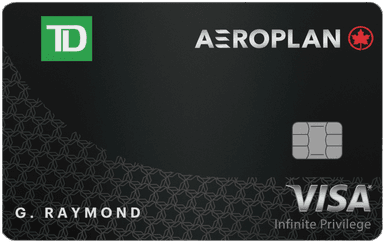
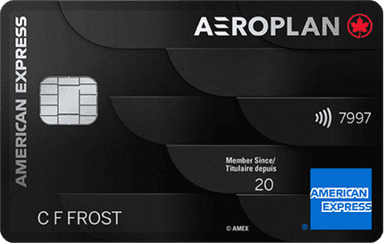
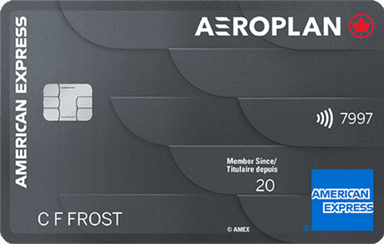
This month, the best credit card for Aeroplan points in Canada is the TD® Aeroplan® Visa Infinite* Card. It offers up to 50,000 points. It has no annual fee in the first year.
| Credit card | Annual fee | Welcome offer | |
|---|---|---|---|
| $0 | |||
| $599 | |||
| $0 | |||
| $599 | |||
| $120 |
The best credit cards for Scene+ points
Choose based on where you shop and how you plan to use Scene+ points.
Compare bonus categories, annual fees and redemption terms. A welcome offer alone does not capture everyday value.
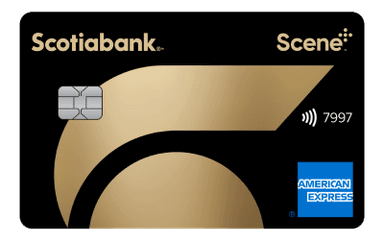
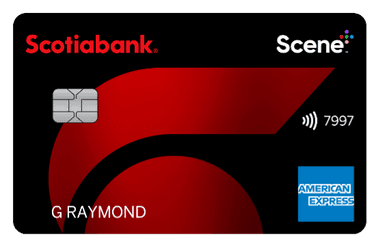
This month, the best credit card for Scene+ points in Canada is the Scotiabank Gold American Express® Card. It offers up to 50,000 points. Its annual fee is $120.
| Credit card | Annual fee | Welcome offer | |
|---|---|---|---|
| $120 | |||
| $399 | |||
| $150 | |||
| $0 | |||
| $199 |



The best credit cards for balance transfers
Assess balance transfer costs over your planned repayment period. Compare fees, the promotional rate and its duration.
Check the subsequent rate and offer restrictions. New purchases may have a different rate.
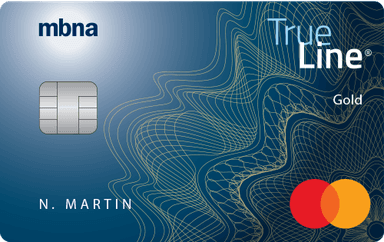
This month, the best credit card for balance transfers in Canada is the MBNA True Line® Mastercard® credit card. It has no annual fee.
| Credit card | Annual fee | Welcome offer | |
|---|---|---|---|
| $0 | |||
| $0 | |||
| $0 | |||
| $0 | |||
| $0 |


The best credit cards with no annual fee
Keep recurring costs down with a no-annual-fee card. Compare rewards and included services.
Check other applicable charges. A free first year does not mean later years will be free.
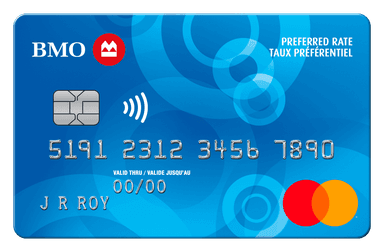
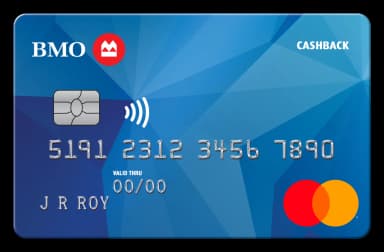
This month, the best credit card with no annual fee in Canada is the BMO CashBack® Mastercard®*. It offers up to $125. It has no annual fee.
| Credit card | Annual fee | Welcome offer | |
|---|---|---|---|
| $0 | |||
| $0 | |||
| $0 | |||
| $0 | |||
| $0 |

The best credit cards for Marriott Bonvoy
Compare Marriott Bonvoy cards with cards offering transferable points. Check fees and transfer terms.
Assess hotel benefits against your planned stays. Any free-night or status benefits have their own conditions.
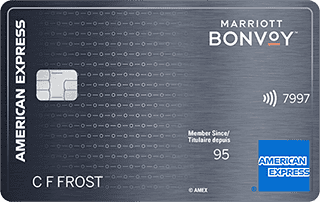
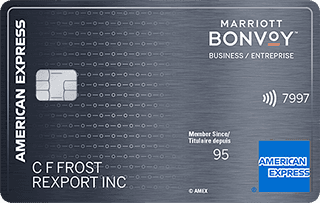
This month, the best credit card for Marriott Bonvoy in Canada is the Marriott Bonvoy® Business American Express®* Card. It offers up to 110,000 points. Its annual fee is $150.
| Credit card | Annual fee | Welcome offer | |
|---|---|---|---|
| $150 | |||
| $120 | |||
| $250 | |||
| $199 | |||
| $191.88 |


The best credit cards for business
Start with your main business purchases. Compare rewards, additional cards and expense-management tools.
Check eligibility, fees and liability terms.
This month, the best credit card for business in Canada is the Marriott Bonvoy® Business American Express®* Card. It offers up to 110,000 points. Its annual fee is $150.
| Credit card | Annual fee | Welcome offer | |
|---|---|---|---|
| $150 | |||
| $199 | |||
| $175 | |||
| $175 | |||
| $0 |



The best credit cards for beginners
For beginners, a first credit card should offer manageable fees and simple account management. Compare payment terms and rewards.
Check issuer requirements: inclusion here does not guarantee approval.
This month, the best credit card for beginners in Canada is the RBC ION Visa Card. It offers up to 14,000 points. It has no annual fee.
| Credit card | Annual fee | Welcome offer | |
|---|---|---|---|
| $0 | |||
| $0 | |||
| $0 | |||
| $0 | |||
| $0 |
The best credit cards with insurance
When comparing insurance, start with the protection you need and who must be covered. Compare limits, deductibles and covered trip lengths.
Check the insurance certificate for activation requirements, exclusions and eligibility.
This month, the best credit card with insurance in Canada is the TD First Class Travel® Visa Infinite* Card. It offers up to 160,000 points. It has no annual fee in the first year.
| Credit card | Annual fee | Welcome offer | |
|---|---|---|---|
| $0 | |||
| $120 | |||
| $0 | |||
| $0 | |||
| $0 |
The best credit cards with low interest rates
For a card with low interest rates, compare regular purchase rates and annual fees first. Interest can outweigh rewards.
Check introductory rates, cash advances and balance transfers separately.
This month, the best credit card with low interest rates in Canada is the Scotiabank®* Platinum American Express® Card. It offers up to 100,000 points. Its annual fee is $399.
| Credit card | Annual fee | Welcome offer | |
|---|---|---|---|
| $399 | |||
| $35 | |||
| $0 | |||
| $39 | |||
| $25 |

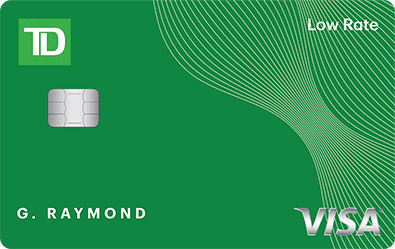
The best prepaid cards
A prepaid card uses available or preloaded funds. It does not provide a credit line.
Compare plan fees, withdrawals and foreign-currency purchases. Check the services included in the displayed plan.
This month, The best prepaid cards in Canada is the JA Money card—powered by Neo. It has no annual fee.
| Credit card | Annual fee | Welcome offer | |
|---|---|---|---|
| $0 | |||
| $0 | |||
| $177 | |||
| $0 | |||
| $144 |


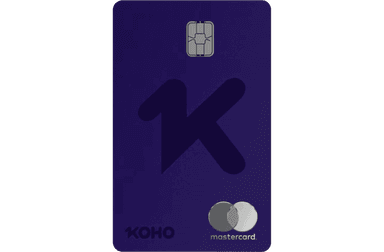
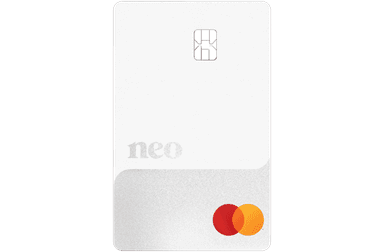

The best credit cards for foreign-currency spending
For foreign-currency spending, compare conversion charges, waiver conditions and annual fees.
Distinguish purchases from withdrawals: cash advances may incur additional charges.
This month, the best credit card for foreign-currency spending in Canada is the Scotiabank Gold American Express® Card. It offers up to 50,000 points. Its annual fee is $120.
| Credit card | Annual fee | Welcome offer | |
|---|---|---|---|
| $120 | |||
| $150 | |||
| $399 | |||
| $240 | |||
| $240 |


How to choose a credit card
How do you choose based on your spending?
Break down your budget into your main spending categories. Compare rewards for that budget, rather than an example that does not match your habits. Review calculation details and applicable caps.
How do you compare the first year with later years?
A bonus can make the first year attractive without representing long-term value. Consider recurring fees, the welcome offer, required spending and benefits you will use separately.
What should you check before applying?
Review residency, income requirements and offer-specific restrictions. An estimated rewards value does not mean your application will be approved.
How do you check the included insurance?
Check the protections that matter to you, their limits and activation requirements. The insurance certificate details exclusions and conditions; a card summary does not replace it.
What does a card’s estimated value mean?
Estimated value depends on calculation assumptions and how rewards are redeemed. Open the value breakdown, read Our review and compare offer terms. It is not a guaranteed return.
Frequently asked questions
Which credit card offers the most value for me?
Start with your usual spending and your goal. Compare fees, rewards you can use and offer conditions. A card suited to a frequent traveller may not suit someone who mainly wants straightforward cash back.
No annual fee or first year free: what is the difference?
A first-year fee waiver is a time-limited promotion. Check the fee charged afterwards and the waiver conditions. For a no-annual-fee card, also review any other applicable charges.
How do I compare two welcome offers?
Compare the usable value of the bonus, required purchases, the spending deadline, fees and eligibility restrictions. A larger bonus is not necessarily better if it requires spending you had not planned.
Is a premium card worth its fee?
List the benefits you will actually use and compare their value to you with the annual cost. Do not assign value to lounge access, a credit or coverage you do not need.
Are offers the same in Quebec?
Check the offer version for your province: conditions or terms may differ. Review the issuer terms linked from the application button before choosing your card.