

How is the credit score calculated in Canada?

Many people believe that frequent credit card applications hurt their credit scores. It’s a myth! The truth is that underwriting is not the only element that makes up your credit score.
Once your file is strong, see which premium cards to target.
By setting short and medium term goals, see how you can improve your credit rating to take advantage of better credit card offers!
Components of the credit score
Many people are puzzled by credit reports. Not much information is available on the subject, and most people don’t really understand it. Here’s how the credit score works, and the factors that make it up.
If you prefer the video version, here it is:
Credit score – Punctuality (35%)
35% of your credit score comes from your punctuality in settling your balances and monthly payments. In other words, to be seen by your lenders as a good borrower.
If you want to increase your credit score, pay off each of your credit card balances in advance without waiting for the statement to be issued!
Credit score – Use (30%)
30% of your credit score comes from your monthly use of your various lines of credit with different lenders (mortgage, line of credit, credit cards, etc.).
For example:
- If you use $2,500 of your available credit each month, consisting of a single credit card with a $5,000 limit, then your utilization ratio is 50%.
- If you have 2 credit cards with a limit of $5,000 each, and you’re still using $2,500, then your utilization ratio will drop to 25%.
It is best to keep the utilization below 30%.
Credit score – History (15%)
15% of your credit score comes from your credit history in Canada for all your lines of credit (credit cards, mortgage, line of credit, car loan, student loans, etc.).
An average is calculated to establish this score. It is therefore advisable to keep an “old” credit card active in order to maintain a good average.
Credit score – Types of credit (10%)
10% of your credit score comes from diversifying your types of credit (mortgage, line of credit, credit cards, etc.).
Lenders are reassured when you demonstrate the strict management of your finances. The more different types of credit you have (and repay in full every month!), the better your credit score will be.
Credit score – New applications (10%)
10% of your credit score comes from new credit applications (credit cards, personal loans, etc.). Every time you make a request, your credit will be affected and lose a few points.
These points are generally recovered within a few months if you respect the above instructions (notably punctuality and the ratio of use).
Credit score – Building a credit file
If you are getting started with points-and-miles rewards or cash back, and your credit file is very new, we recommend starting with a no-annual-fee credit card and keeping it for as long as possible. There are more than a dozen (see this article: The best no-annual-fee credit cards).
Keeping a credit card for many years allows you to maintain a good credit history (i.e. 15% of your credit score).
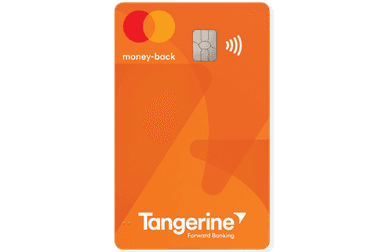
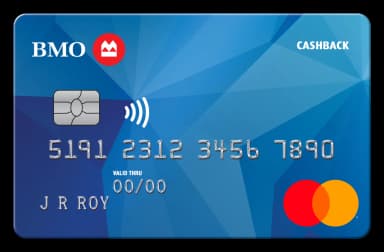
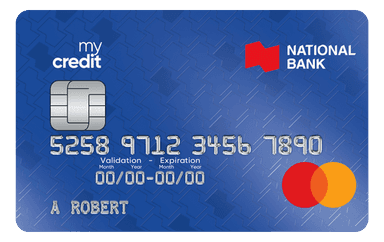
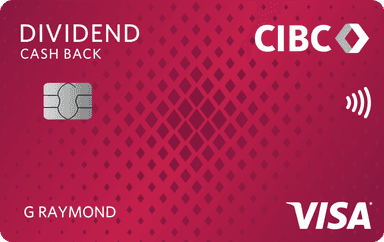
Here are several credit cards with no annual fee, from different financial institutions, with a view to keeping it year after year to maintain a long credit history:
| Credit card | Annual fee | Welcome offer | |
|---|---|---|---|
| $0 | |||
| $0 | |||
| $0 | |||
| $0 | |||
| $0 |

Credit score – Credit agencies’ choice of issuers
You can check your credit score with the two major credit bureaus. By the way, here are two articles to help you read your credit report:
Each of these two credit bureaus offers its own score. Don’t try to compare them, it will always be different. Generally speaking, Equifax’s score will be lower than TransUnion’s. This means that the recipes for calculating your score are different!
Please note that credit card issuers consult one or other of the agencies when you apply for your card. Subsequently, both agencies will be aware of your new account.
| Equifax | TransUnion |
| National Bank | American Express |
| President’s Choice | Scotiabank |
| CIBC | Canadian Tire |
| Desjardins | MBNA |
| TD | RBC |
| Rogers | |
| Tangerine |
*American Express and MBNA can consult both, although they generally prefer TransUnion.
Credit score – Improving your credit score
Here are a few tips for building and improving your credit rating:
- Meet your monthly payments to the letter (35% of your credit score)
- Stay away from credit card limits (30% of your credit score)
- Frequently pay your balance before the credit card statement to boost your credit score
- Keep credit lines open as long as possible, thanks to no-annual-fee credit cards(15% of your credit score).
- Pay off your debts, if any
- Don’t apply for new credit cards before a mortgage appointment
- Don’t ask for superfluous cards (especially those from department stores or those that don’t give you a real advantage).
Credit score – Repair your credit file
If you have outstanding balances and want to repair your credit record, there are several strategies you can take.
First of all, you need to find a way to pay off your debts as quickly as possible. To do so, you can apply for a credit card offering a balance transfer with a zero or reduced interest rate. For example, with this CIBC balance transfer offer (for the CIBC Select Visa* Card) or this one from MBNA (for the True LineMD MastercardMD Credit Card).
Then transfer your outstanding balances to it, and respect the deadlines to the letter.
To learn more about balance transfers, consult this guide: “How does a credit card balance transfer work?“
Then, to improve your credit rating, you need to respect the criteria and follow the tips explained in the previous section.
To increase your credit rating more quickly, you may want to consider KOHO‘s Credit Building option. To find out more about this solution, consult this guide: “Credit Enhancement / KOHO Credit Building”.
Finally, you could use credit monitoring services such as Equifax (for a monthly fee). For more information, visit the Equifax website.
Our featured card
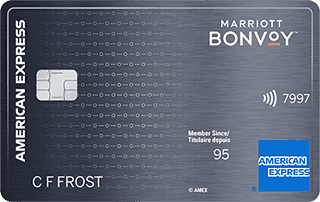

- Annual fee
- $120
- Our valuation
- $990Milesopedia first-year estimate First-year valueWelcome bonus$990Total$990Rewards on your spending are not included. The calculator that adds them from your own profile is on the card's page.
- Milesopedia first-year estimateFirst-year valueWelcome bonus$990Total$990Rewards on your spending are not included. The calculator that adds them from your own profile is on the card's page.
- Welcome offer
- Up to 110,000 points
- Ends Sep 22, 2026
on American Express's website
Apply with confidence — no impact on your credit scoreApply with confidenceCheck whether your application will be approved before you submit it, with no impact on your credit score*When you apply for a personal American Express Credit Card, we will tell you whether you are eligible without affecting your credit score. So you can apply with confidence.*Instant decisions are only available for consumer Card applications (also called “personal Cards”).
Our editorial integrity
Our reviews and rankings are based on an objective assessment. Advertisers do not influence our content. We may receive compensation through some links; our analysis and opinions remain independent.