Which premium cards should you aim for with a good credit history?

Loading article…
Getting a premium card is not the first step when building your credit history. It’s rather the next step: after a few years of responsible credit use, many consumers are ready to move up to the next level.
The Visa Infinite, Mastercard World Elite, and certain American Express cards offer more rewards, insurance, and travel benefits. They represent a natural progression after a first basic card.
However, you still need to know which first premium card to apply for once your credit history is well-established. Some are more accessible than others, while others require higher incomes or a stronger credit history.
In this article, discover the best premium cards to consider when you are ready to take this step, as well as the criteria to meet to maximize your chances of approval.
| Your situation | Recommended premium card |
|---|---|
| You are starting out with rewards cards | American Express Cobalt® Card |
| You travel a few times a year | Scotiabank Passport™ Visa Infinite +* Card |
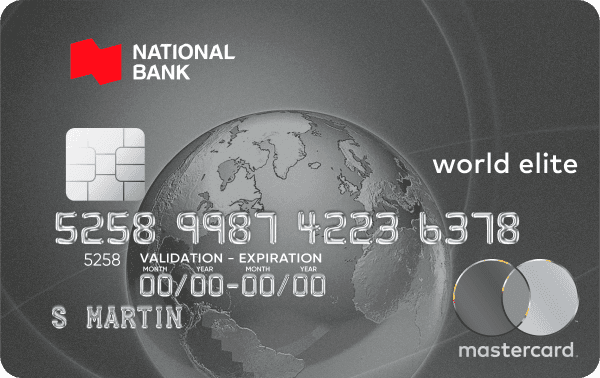
| You are looking for a comprehensive travel card | National Bank World Elite Mastercard |
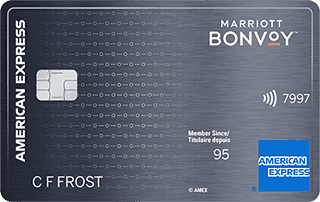
| You often stay at Marriott | Marriott Bonvoy® American Express®* Card |
| You are already a TD client | TD First Class Travel® Visa Infinite* Card |
Premium cards occupy an intermediate position between traditional cards and ultra-high-end cards.
They offer more rewards, more comprehensive insurance, and several travel benefits. In return, they often require a minimum income or a stronger credit history.
Visa Infinite cards are one of the most popular premium categories in Canada.
Depending on the card, they offer enhanced travel insurance, partner privileges, boosted rewards, and several benefits for travelers. Most require a minimum annual personal income of $60,000 or a household income of $100,000.
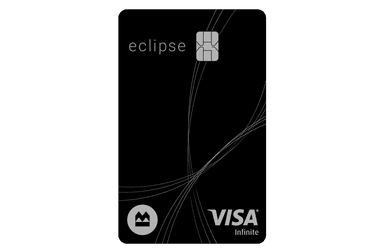
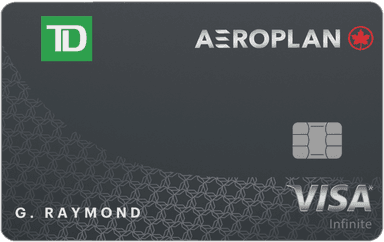
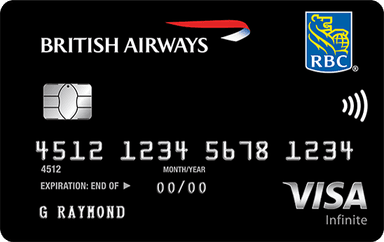
| Credit card | Annual fee | Welcome offer | |
|---|---|---|---|
| $0 | |||
| $0 | |||
| $120 | |||
| $150 | |||
| $0 | |||
| $0 | |||
| $0 | |||
| $240 | |||
| $0 | |||
| $0 | |||
| $0 | |||
| $165 |
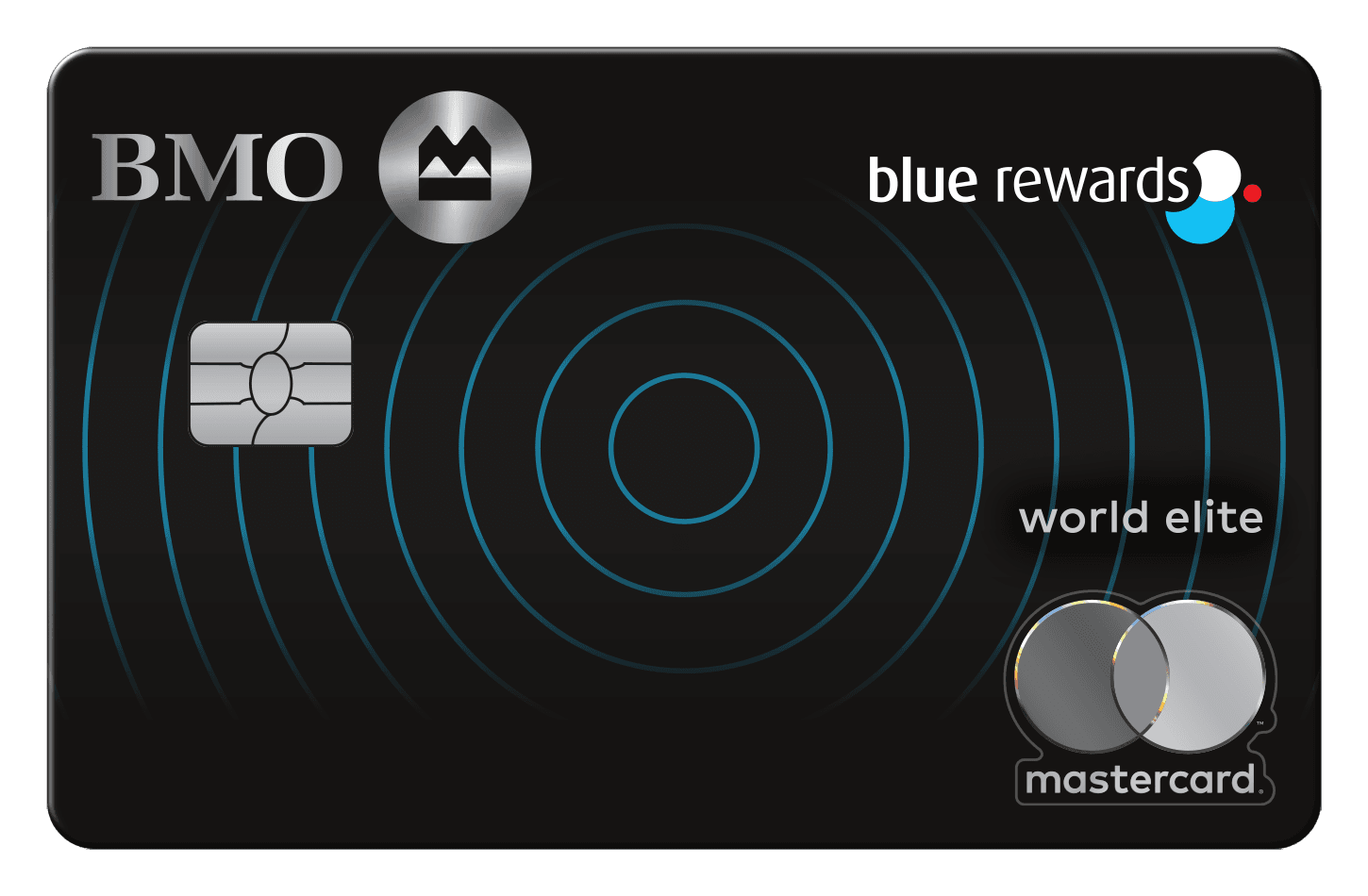
Mastercard World Elite cards also target consumers looking for more value and privileges.
They often include extended insurance, travel credits, benefits at certain merchants, and generous rewards programs. Like Visa Infinite cards, they require a minimum income: $80,000 in annual personal income or $150,000 in household income.
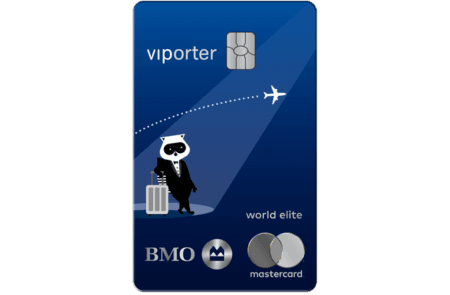
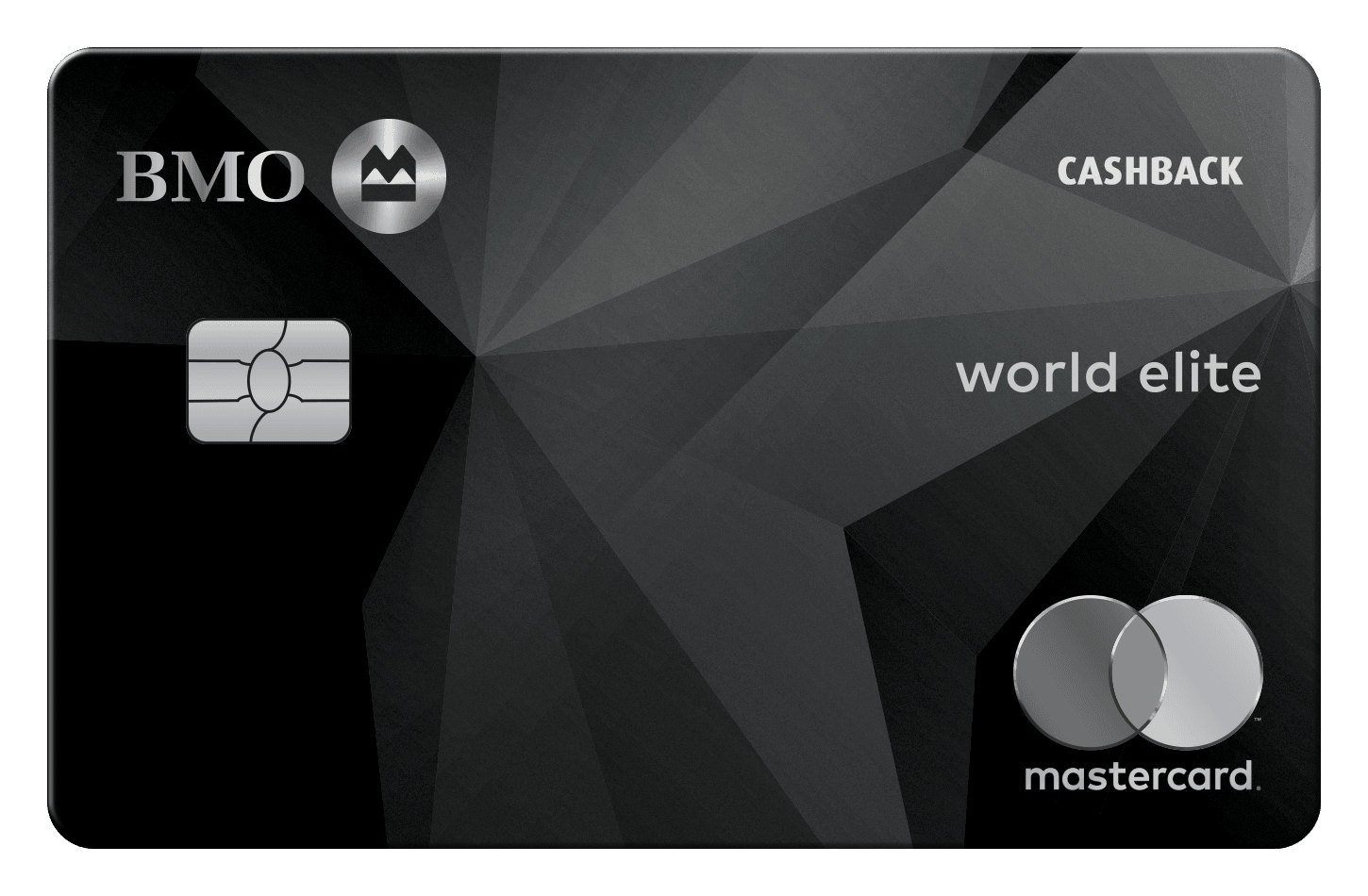
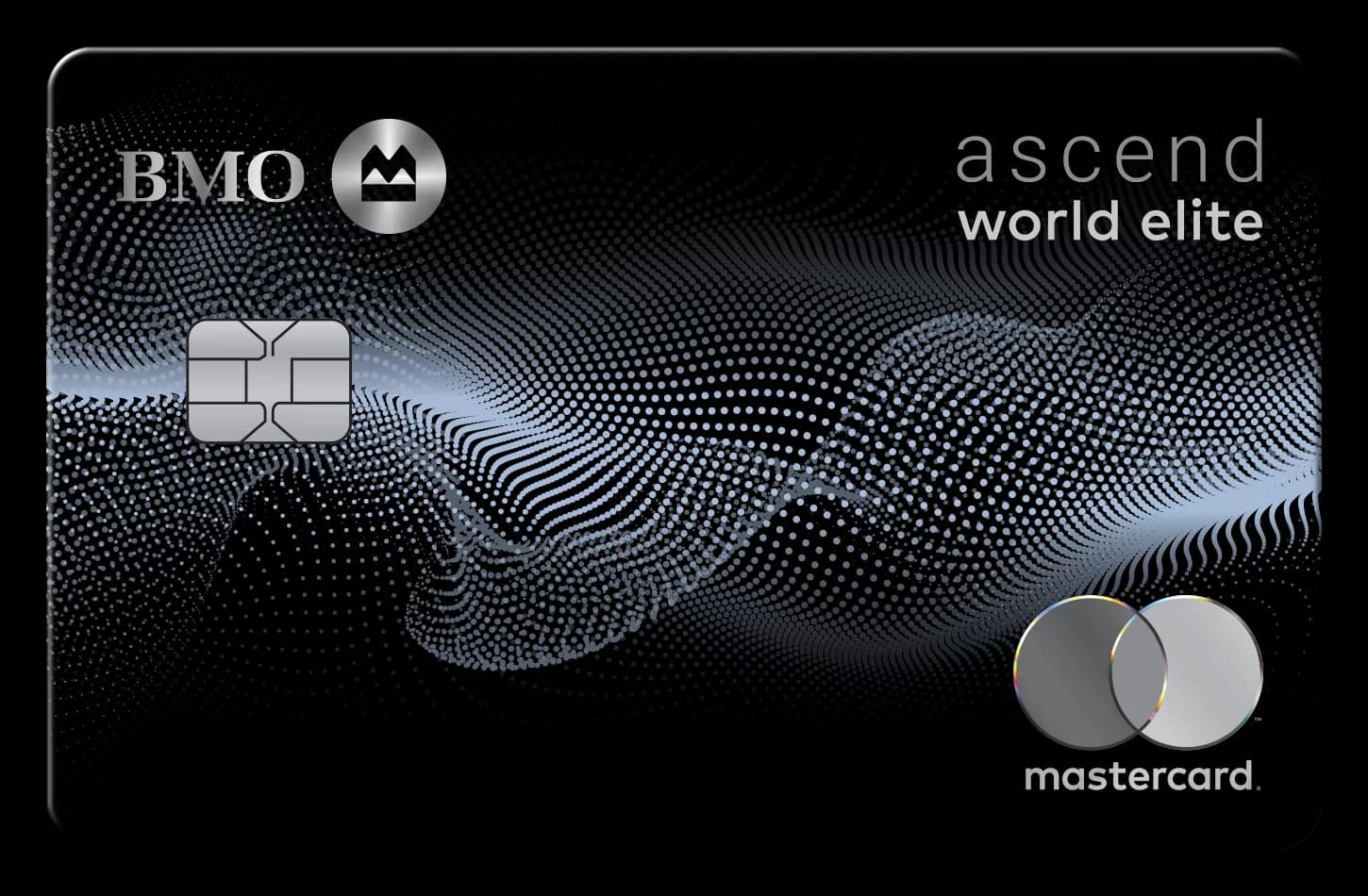
on BMO's website
on BMO's website
on BMO's website
on Neo Financial's website
on BMO's website
on Tangerine's website
on National Bank's website
on RBC's website
on Neo Financial's website
American Express takes a different approach. Some cards, like the American Express Cobalt Card or the Marriott Bonvoy American Express Card, are often considered premium thanks to their rewards and benefits.
Unlike Visa Infinite and Mastercard World Elite cards, they do not impose income requirements. This often makes them an excellent gateway to the world of premium cards.
on American Express's website
Apply with confidenceCheck whether your application will be approved before you submit it, with no impact on your credit score*When you apply for a personal American Express Credit Card, we will tell you whether you are eligible without affecting your credit score. So you can apply with confidence.*Instant decisions are only available for consumer Card applications (also called “personal Cards”).
on American Express's website
Apply with confidenceCheck whether your application will be approved before you submit it, with no impact on your credit score*When you apply for a personal American Express Credit Card, we will tell you whether you are eligible without affecting your credit score. So you can apply with confidence.*Instant decisions are only available for consumer Card applications (also called “personal Cards”).
on American Express's website
Apply with confidenceCheck whether your application will be approved before you submit it, with no impact on your credit score*When you apply for a personal American Express Credit Card, we will tell you whether you are eligible without affecting your credit score. So you can apply with confidence.*Instant decisions are only available for consumer Card applications (also called “personal Cards”).
on American Express's website
Apply with confidenceCheck whether your application will be approved before you submit it, with no impact on your credit score*When you apply for a personal American Express Credit Card, we will tell you whether you are eligible without affecting your credit score. So you can apply with confidence.*Instant decisions are only available for consumer Card applications (also called “personal Cards”).
on Scotiabank's website
on Scotiabank's website
Here, we deliberately exclude ultra-high-end cards such as Visa Infinite Privilege or Platinum cards.
These products are aimed at consumers who already have several years of credit experience and accept much higher annual fees. The goal here is rather to identify the first premium card to consider once your credit history is solidly established, while enjoying more generous benefits.
Yes and no. No need to wait ten years, but it’s better to have already demonstrated responsible credit use.
Financial institutions evaluate several elements before approving an application. A good credit score matters, but it’s not the only criterion.
To better understand the factors that influence your score, consult our guide on how credit scores are calculated in Canada.
Banks primarily want to know if you manage the credit already granted well. They examine your payment history, the age of your accounts, your debt level, and your income.
A consumer who always pays their balances on time inspires more confidence than a person who accumulates late payments. The age of the file also plays a role: a history of several years is perceived more favorably than a recent file.
There is no universal threshold for all premium cards. That said, many Visa Infinite and Mastercard World Elite cardholders have a credit score above 700. The higher your score, the better your chances of approval.
If you don’t know where you stand, check out our article on what a good credit score in Canada is.
Your utilization ratio corresponds to the proportion of available credit you use. For example, with a total limit of $10,000 and a balance of $2,000, your ratio is 20%.
Generally, keep this ratio under 30%. Excessive credit use can signal a higher risk to lenders, even if you always pay on time.
Minimum income is often the main difference between a traditional card and a premium card. Before submitting an application, check the eligibility criteria.
Most Visa Infinite cards require:
These thresholds vary by institution and product. Even if you meet them, your application remains subject to a credit analysis.
Mastercard World Elite cards generally use the following thresholds:
Some institutions may also consider other factors, such as the value of your banking relationship or your credit history.
Not all premium cards have a strict minimum income requirement. That’s the case for some American Express cards: the American Express Cobalt Card and the Marriott Bonvoy American Express Card are accessible to a wider range of consumers. This flexibility explains why they often serve as a first step before more exclusive products.
When moving to a first premium card, the goal is not just to get approved. You need to choose a card that matches your profile, spending habits, and travel goals. The following cards offer a good balance of accessibility, benefits, and potential for growth.
This card (annual fee of $150) is one of the most comprehensive premium products in Canada. It stands out for its generous travel insurance, annual travel credit, and flexible rewards program.
For frequent travelers, it’s an excellent first experience in the World Elite universe. It is especially suitable for consumers who already have a well-established credit history and meet the income criteria.
on National Bank's website
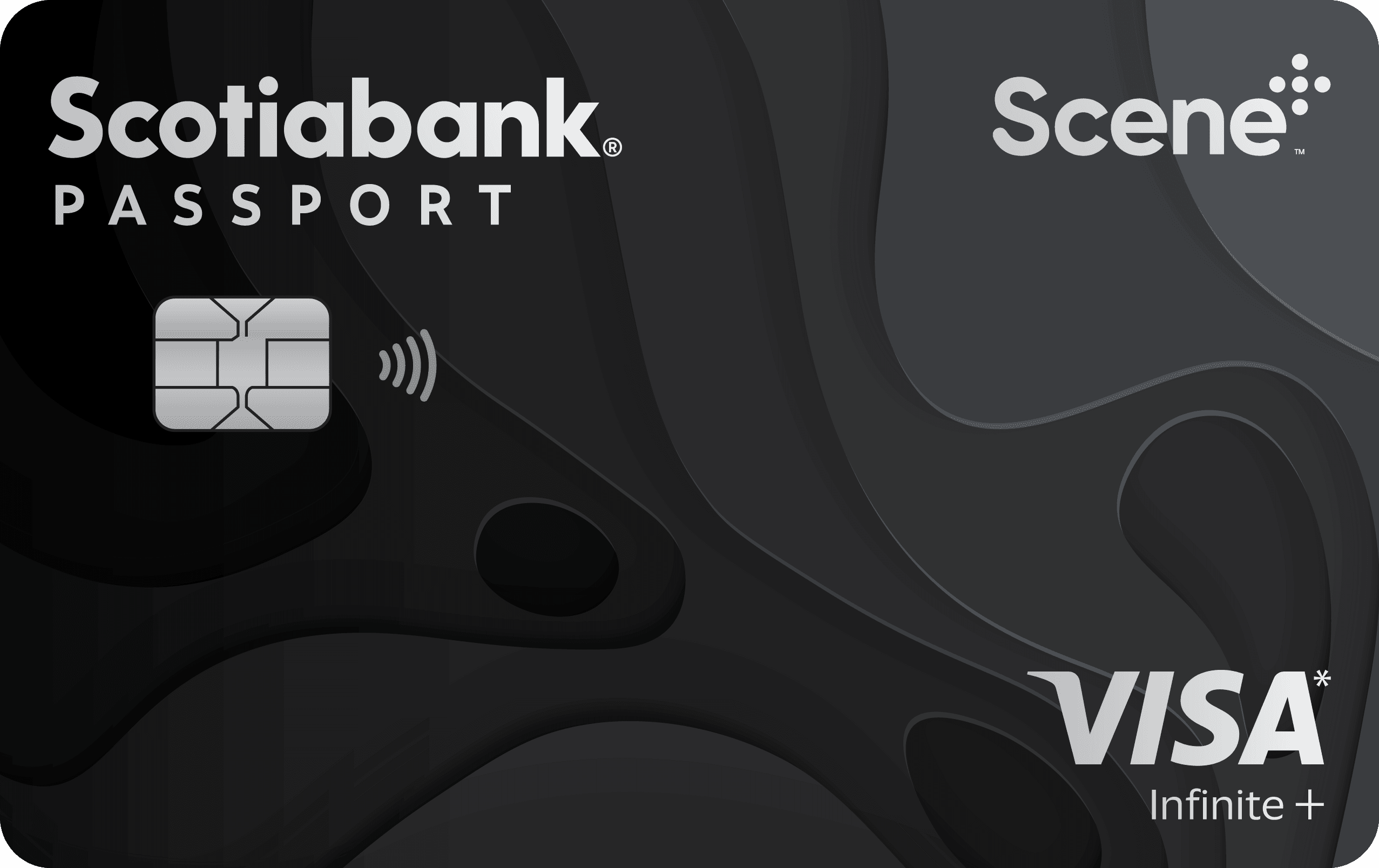
The Scotiabank Passport™ Visa Infinite +* Card (annual fee of $150) is often considered one of the best travel cards in Canada.
Its main asset remains the absence of foreign currency conversion fees. It also offers several airport lounge accesses and good insurance coverage. For a traveler who wants to discover a premium card without immediately entering the ultra-premium, it’s an excellent choice.
on Scotiabank's website
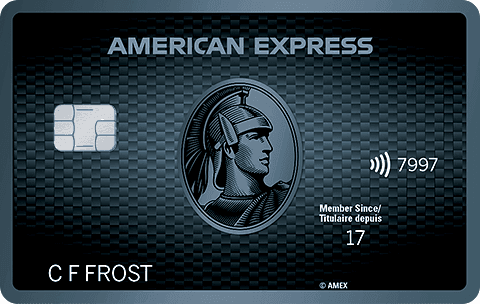
The American Express™ Cobalt Card ($191.88 per year for residents outside Quebec and $191.88 per year for residents in Quebec) holds a special place in this article. Technically, it is neither a Visa Infinite nor a Mastercard World Elite.
Many points enthusiasts, however, consider it one of the most accessible premium cards in Canada. Its earning potential is high on everyday spending, and the absence of an income threshold often makes it one of the first premium cards obtained.
The Marriott Bonvoy™ American Express®* Card (annual fee of $120) primarily appeals to travelers who frequently stay at Marriott Bonvoy program hotels.
Its most well-known benefit remains the annual free night, which alone can offset a good portion of the fees. It’s also an excellent way to discover a premium card while accumulating points for your future travels.
on American Express's website
Apply with confidenceCheck whether your application will be approved before you submit it, with no impact on your credit score*When you apply for a personal American Express Credit Card, we will tell you whether you are eligible without affecting your credit score. So you can apply with confidence.*Instant decisions are only available for consumer Card applications (also called “personal Cards”).
This card (annual fee of $139) is aimed primarily at consumers who like the TD Rewards ecosystem.
It offers comprehensive insurance, good travel benefits, and good flexibility when booking. For existing TD customers, it’s a natural transition to a first premium card.
on TD's website
Not all premium cards play the same role in a credit strategy. Every situation is different, but a logical progression helps increase your chances of approval while gradually enjoying more benefits.
Before aiming for a premium card, it’s better to have already used one or more credit cards for a few years. The goal: to demonstrate responsible management, with on-time payments and reasonable use of your limits.
If you’re just starting, consult our guide on how to use a credit card to build your credit history in Canada. Students can also read our article on building a credit history as a student.
For many consumers, this step begins with a card that offers more rewards and benefits, without requiring the highest criteria. For example:
These cards allow you to discover the premium world while developing your credit history.
Once your credit history is well-established, you might consider more comprehensive products. For example:
These cards generally offer more insurance, privileges, and travel benefits.
Finally, some consumers move on to the most prestigious cards on the market. This category includes Visa Infinite Privilege and certain high-end American Express cards. For example:
These products are aimed at clients with high incomes and a particularly strong credit history.
Even with a good credit history, certain mistakes can reduce your chances of approval.
Each card application can lead to a credit inquiry. Applying multiple times in a short period gives the impression that you are actively seeking financing. It’s better to space out your applications.
A high utilization ratio can harm your score. Even if you pay everything back each month, excessive use is perceived unfavorably. If possible, stay under 30% of your available credit.
The age of your accounts contributes to your credit history. Before closing a card held for several years, evaluate the possible consequences.
Your score doesn’t tell the whole story. Regularly check your reports with credit bureaus. Here are our guides for:
If your goal is to get a first premium card once your credit history is well-established, here are our recommendations based on your profile, with annual fees.
| Your Profile | Recommended card | Annual Fee |
|---|---|---|
| First experience with a premium card | American Express Cobalt® Card | $191.88 (QC) |
| Occasional traveller | Scotiabank Passport™ Visa Infinite +* Card | $150 |
| Frequent traveler | National Bank World Elite Mastercard | $150 |
| Loyal to the Marriott Bonvoy program | Marriott Bonvoy® American Express®* Card | $120 |
| TD Client | TD First Class Travel® Visa Infinite* Card | $139 |
Annual fees are current as of June 2026; check each card’s details before applying. No card is ideal for everyone: also take the time to consult our guide to the best credit cards in Canada.
A premium card is often the next logical step after a few years of responsible credit use. It offers more rewards, more comprehensive insurance, and benefits that enhance your travel experience.
The important thing is to choose a card that suits your financial situation, spending habits, and goals. By aiming for the right first premium card, you gradually gain access to more advantageous products while strengthening your profile with institutions.
The essential remains the same: continue to use your credit responsibly to strengthen your long-term credit history. To follow the best offers, subscribe to our newsletter.
No. It’s how you use the card that influences your score, particularly on-time payments and your utilization ratio.
The American Express™ Cobalt Card is often considered one of the most accessible in Canada, as no minimum income is required.
Both categories offer excellent benefits. The choice depends on your spending habits, travel needs, and desired rewards.
An ultra-premium card becomes relevant when you already have an excellent credit history and can truly benefit from its exclusive advantages.
Each institution applies its own criteria. A score of 700 or higher generally improves the chances of approval.
on BMO's website
Our reviews and rankings are based on an objective assessment. Advertisers do not influence our content. We may receive compensation through some links; our analysis and opinions remain independent.