How to Use a Credit Card to Build Credit in Canada

Loading article…
If you’re looking to build your credit history, especially if you’re still young, you should consider getting a credit card and making responsible use of it using it. However, this is also ideal for those who need to rebuild credit after financial difficulties.
Having good credit is important in current times. It means you can qualify for better rates when applying for a car loan or mortgage. It may also improve your chances of finding a new apartment to rent as the landlord will likely check it, too. If you’re on the hunt for a new job, potential employers may consider your credit score before hiring you, and insurers may use it to set your premiums.
Keep in mind that, while convenient, debit cards will not help you build a credit history. This is because they don’t require credit as you’re simply spending your own money, and these transactions don’t get recorded at the major credit agencies.
Here are three simple methods to use a credit card to help you build your credit.
The most effective way to build credit is by getting a credit card in your name and paying it on time each month. When you don’t have any previous credit history, getting a card with affordable interest rates can be difficult.
Some companies offer special credit cards for college students, but they come with conditions that many young people may find challenging to meet, such as proving that they have a steady source of income. In Canada, you must have reached the age of majority in your province or territory, 18 or 19, to apply for a credit card in your own name.
The solution to this problem is to ask to be included as an authorized user on your parent’s credit card. However, you must consider all the risks. If your mother or father pays the bills on time, your credit score will improve. If they don’t, your score—a figure based on your credit history—will suffer the same fate as theirs.
Remember that the primary account holder is accountable for the whole sum regardless of who incurred the charges. If you ask a parent to add you as an authorized user on their credit card, be sure you both agree on your monthly spending limit.
To build a credit history, use a credit card and not a debit card.
The funds you deposit into a designated bank account secure a secured credit card. The amount of that deposit usually determines the credit limit on your card. The minimum deposit for some cards could be as low as $200 or $300.
Secured cards enable consumers who would be tempted to overspend on a standard credit card to stay within their means by limiting the lender’s risks.
Suppose your bank submits your payments to one or both of Canada’s two credit bureaus, Equifax and TransUnion, and your credit record is otherwise immaculate. In that case, you may have enough credit history after six months to apply for a standard credit card.
Furthermore, if you ask, your secured card lender may be ready to convert you to one of their unsecured cards once you’ve proved that you are reliable and can make your monthly payments on time. If you’re looking for a secured card, keep an eye out for that clause.
Ensure you compare the additional charges and annual fees no matter which card you’re considering getting. If you are between the ages of 18 and 21 years old, you’ll likely need to show proof of income and keep track of your expenses.
If it’s difficult to get a regular credit card, apply for a store credit card. Several retailers offer these for use in their stores. These cards are usually easier to obtain for persons with a bad credit history or none at all. They offer higher-than-average interest rates, but it’s not something that won’t matter if you keep your balance low or pay it off in full every billing cycle.
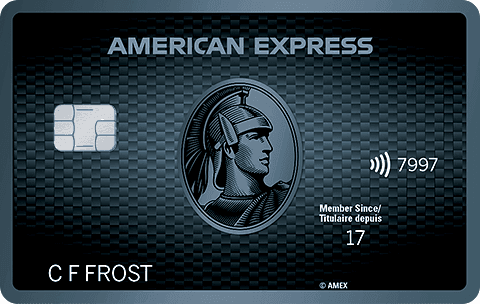
Or you could apply for credit card that doesn’t require a minimum income like most of American Express Canada Cards.
Even though getting a credit card is pretty straightforward, it doesn’t mean you need to get a lot. Having more cards than you need won’t boost your credit score and may worsen it.
Regardless of which type of card (or cards) you sign up for, you should watch your credit usage ratio. That’s how much of your available credit you’re utilizing right now. In most circumstances, a credit utilization percentage of 30% or less is considered ideal. So, if your total credit limit on your cards is $10,000, avoid owing more than $3,000 on them at any given moment.
on American Express's website
Apply with confidenceCheck whether your application will be approved before you submit it, with no impact on your credit score*When you apply for a personal American Express Credit Card, we will tell you whether you are eligible without affecting your credit score. So you can apply with confidence.*Instant decisions are only available for consumer Card applications (also called “personal Cards”).
The most common cause is your credit utilization rate, which compares your balance to your limit. With a $1,000 limit and a $900 balance, it reaches 90%. The Financial Consumer Agency of Canada (FCAC) recommends staying under 30% of your total credit limit. According to the FCAC, a high rate may make you look riskier to lenders, even when you pay your balance in full every month.
Waiting brings no benefit. If you pay your statement balance in full by the due date, you pay no interest on purchases. As of September 2026, federally regulated financial institutions must provide an interest-free grace period of at least 21 days, according to the FCAC. Also, credit bureaus update your credit report at least once a month. With a low limit, a mid-month payment made before your statement date helps keep the reported balance low. The exact reporting date varies by issuer.
It can hold you back. According to the FCAC, a limited credit history may make it harder to get a loan or a credit card, and may even affect your ability to rent a home or get a job. To start, a no-fee card or a secured credit card, paid in full every month, is enough. To compare your options, see our list of the best credit cards.
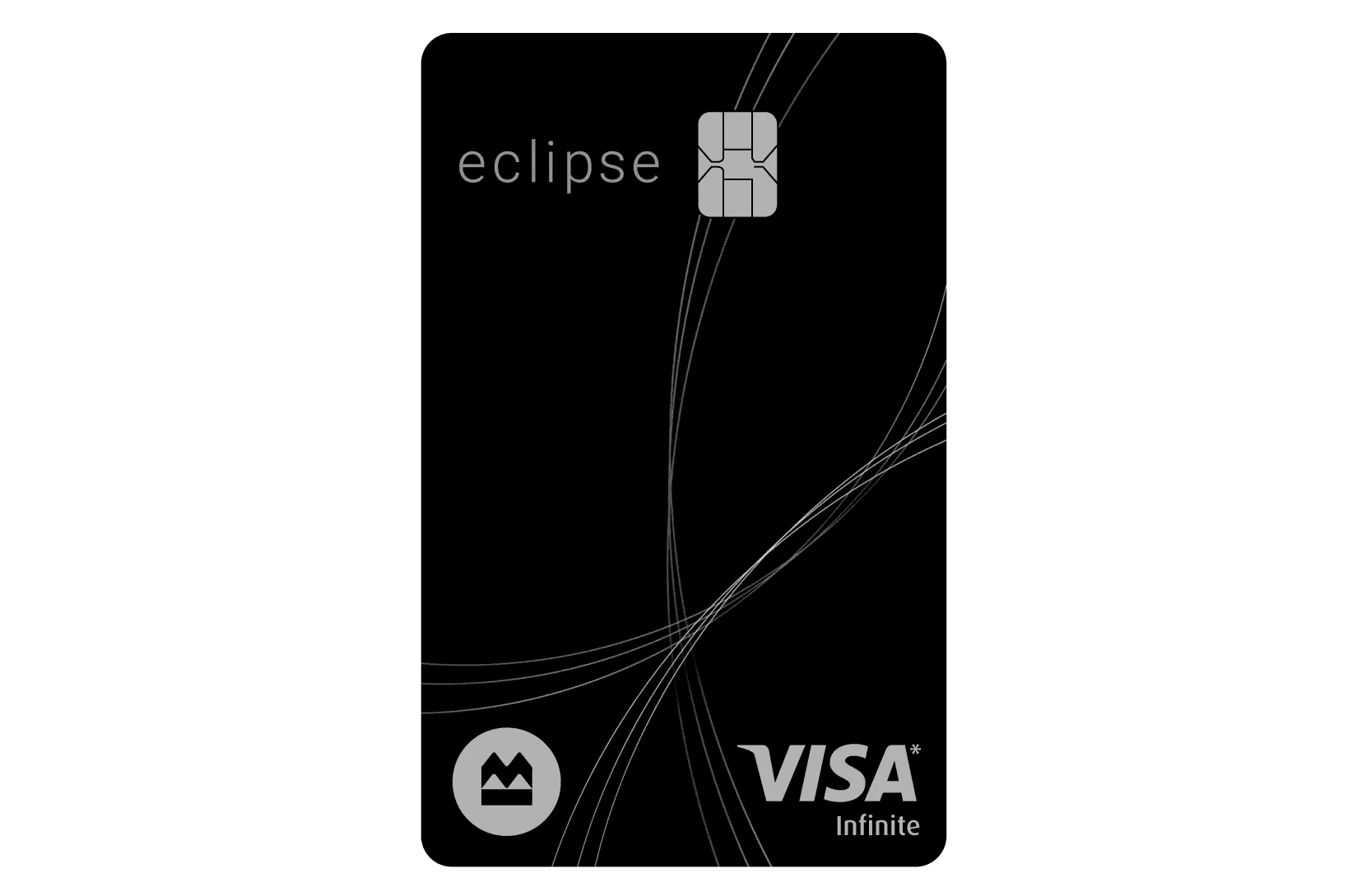
on BMO's website
Our reviews and rankings are based on an objective assessment. Advertisers do not influence our content. We may receive compensation through some links; our analysis and opinions remain independent.