Easy-to-get credit card: the best options in Canada

Loading article…
Looking for an easy-to-get credit card in Canada? Several options exist for people who want a first card, want to build a credit history, or want access to rewards without meeting high requirements.
However, an easy-to-get card does not mean automatic approval. Financial institutions generally assess your credit file, your income, your financial situation and your ability to repay your purchases.
Fortunately, some cards are more accessible than others. This is the case with no annual fee cards, student cards, cards with no published minimum income, and secured cards.
In this guide, you will find out which credit cards are the easiest to get in Canada. You will also understand the eligibility criteria, what to check before applying, and strategies to improve your chances of approval.
An easy-to-get credit card is a card whose approval criteria are generally more accessible than those of premium cards. It often suits people who are starting their credit journey or who want to rebuild their file.

These cards may have lower income requirements. Some don't even list a specific minimum income in their public criteria.
However, the issuer still checks several things before approving your application. These include:
So even a credit card with no minimum income requirement may involve a review of your profile.
An accessible card can also be a first step toward more rewarding products. By using your card responsibly, you can gradually improve your credit file and access higher credit limits.
Several types of cards can be accessible depending on your situation. The best choice depends on your credit history, your income and your goals.
Some people are looking for a card with no annual fee. Others would rather earn rewards, get cash back or build their credit file.
Here are the main categories of cards to consider.
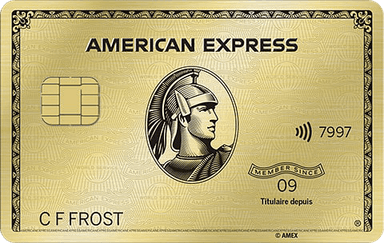
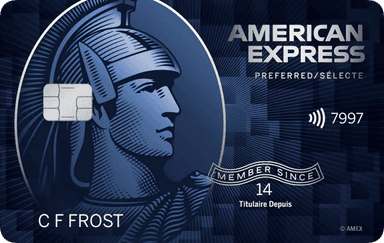
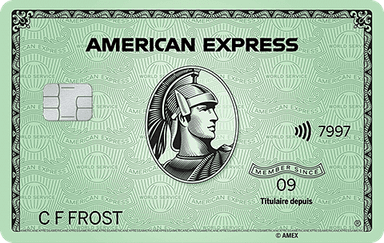
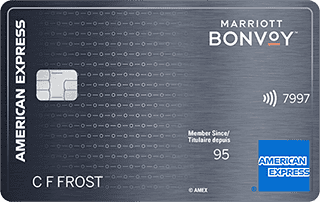
American Express cards are an interesting option for many Canadian consumers. Unlike some premium cards offered by the banks, several cards issued directly by American Express Canada don't list a minimum income requirement.
For example, the American Express Gold Rewards Card® and The Platinum Card® from American Express don't require a minimum income.
Here is a more complete selection:
| Credit card | Annual fee | Welcome offer | |
|---|---|---|---|
| $191.88 | |||
| $250 | |||
| $119.88 | |||
| $0 | |||
| $120 | |||
| $799 | |||
| $0 | |||
| $120 | |||
| $599 |
However, this does not mean every application is automatically accepted. As with any credit card, American Express reviews your financial profile before making a decision.
Accessible American Express cards let you earn different types of rewards, depending on the card you choose.
Some cards may also offer a welcome bonus after you reach a certain amount of eligible purchases in the days following account opening.
On the Scotiabank side, however, some American Express cards may have different requirements. For example, the Scotiabank Gold American Express® Card requires a minimum income of $12,000.
Before applying, always check the issuer's own criteria.
on Scotiabank's website
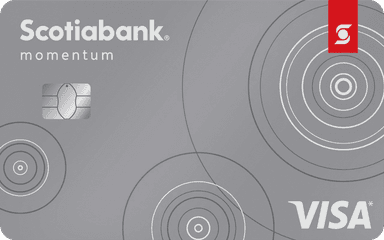
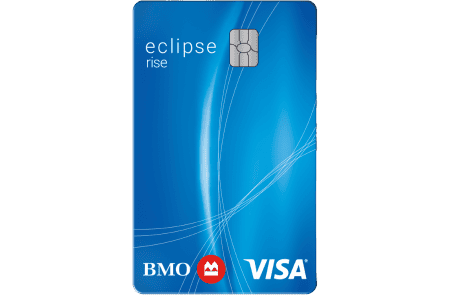
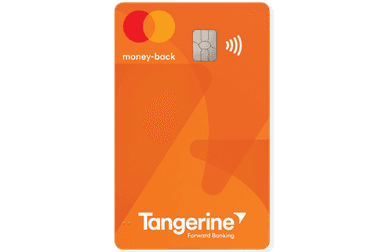
Mastercard and Visa cards are offered by several Canadian financial institutions. These include BMO, National Bank of Canada, Capital One, Desjardins, MBNA, RBC, Scotiabank and Tangerine.
To find an easy-to-get credit card, it is often best to start with no annual fee cards or cards designed for students.
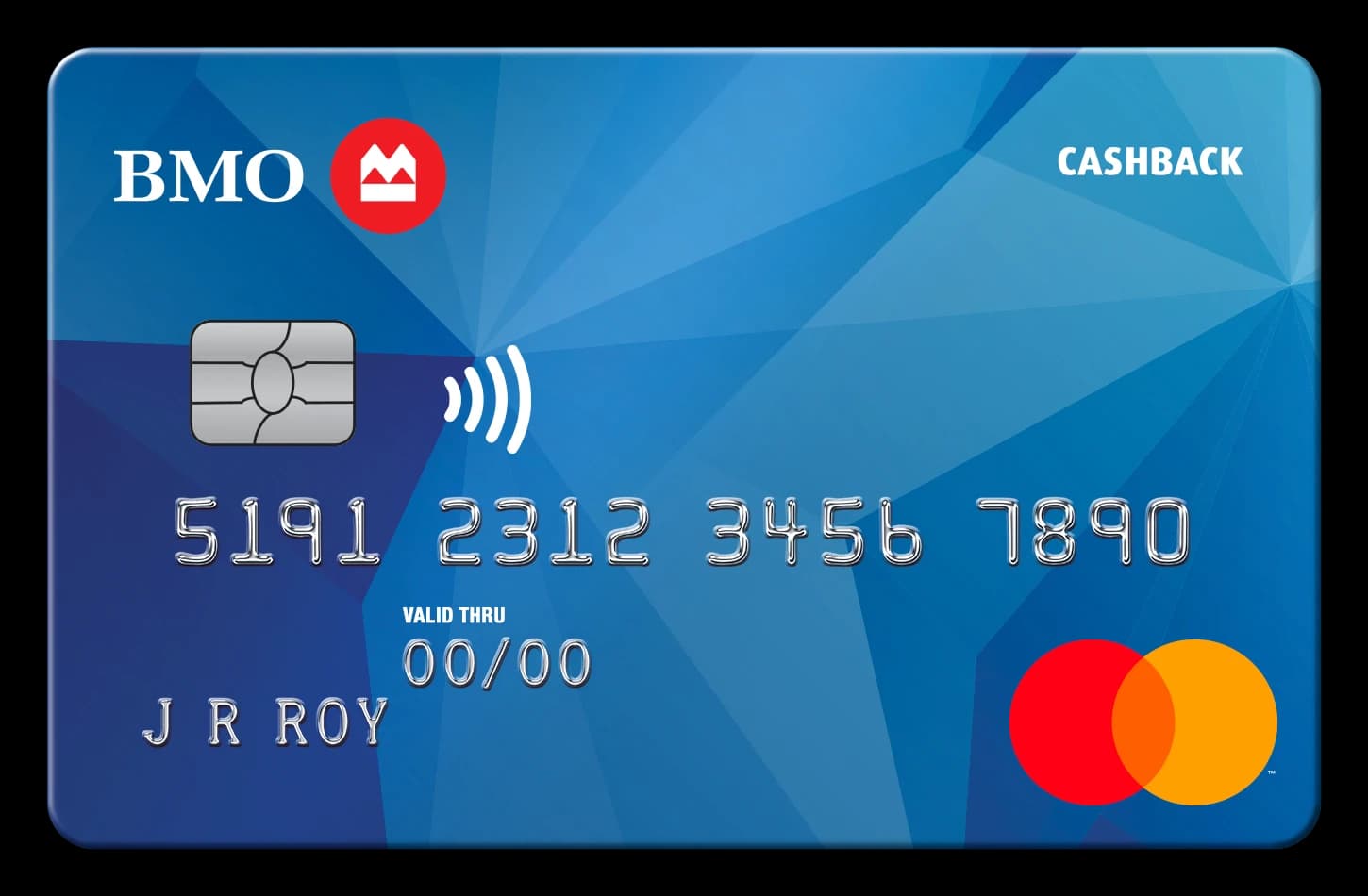
For example, the BMO CashBack® Mastercard®* for students can be a good option for someone who wants to start building a credit history.
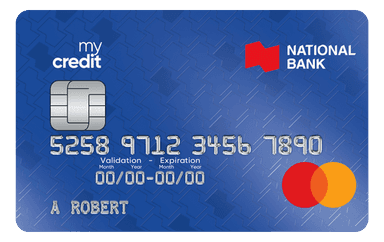
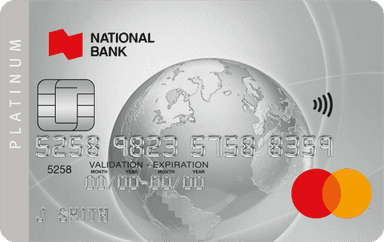
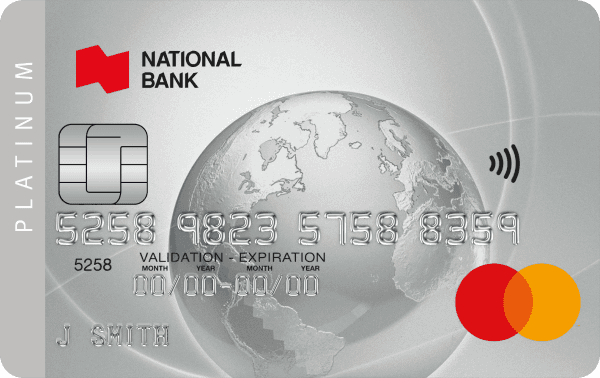
National Bank also offers several accessible cards with no specific minimum income and no annual fee, such as the National Bank mycredit Mastercard (cash back), the National Bank Allure Mastercard® and the National Bank MC1 Mastercard.
on BMO's website
Here is a selection of Mastercard and Visa cards with no minimum income requirement:
| Credit card | Annual fee | Welcome offer | |
|---|---|---|---|
| $0 | |||
| $0 | |||
| $30 | |||
| $0 | |||
| $0 | |||
| $48 | |||
| $0 | |||
| $0 |
These cards generally come with a more moderate credit limit. They do, however, let you learn how to manage a credit card account while building good financial habits.
Depending on the card you choose, you could also get cash back and benefits on eligible purchases.
If you have little or no credit history, a secured card can be a good solution. This type of card is often easier to get than a traditional card.
It works simply: you usually provide a security deposit that serves as a guarantee for the issuer. That amount can then determine your available credit limit.
Unlike a prepaid card, a secured card works like a real credit card. Your payments and usage are generally reported to the credit bureaus, which can help you build your history.
Secured cards may be a good fit for:
For example, the Capital One Guaranteed Mastercard® is among the options accessible to many profiles.
This card has no specific minimum income requirement. Approval is instead based on a few basic criteria, such as being of the age of majority in your province, not already having a Capital One account, and certain conditions related to your credit file.
This card offers no rewards. However, it can be a first step toward developing good habits and eventually accessing other credit products.
Even though some cards list no minimum income, others become accessible with a relatively modest annual income.
A personal income of $15,000 or more can open the door to more cards offering enhanced rewards, better insurance or a higher credit limit.
These cards are often an intermediate step between basic cards and premium cards.
Options accessible with a lower income include:
Some cash back cards may also be accessible with lower income requirements.
For example:
These cards often offer more interesting rewards than a basic card. However, it is still important to compare the interest rate, annual fees and benefits based on your profile.
| Credit card | Annual fee | Welcome offer | |
|---|---|---|---|
| $0 | |||
| $0 | |||
| $0 | |||
| $0 | |||
| $0 |
Some credit cards offer bigger benefits, a higher credit limit or more complete insurance. Financial institutions therefore use the minimum income as one way to assess risk.
However, income is not the only factor reviewed. Your credit history, your ability to pay and your financial habits also play an important role.
Income requirements can also come from the card networks themselves, such as Mastercard and Visa.
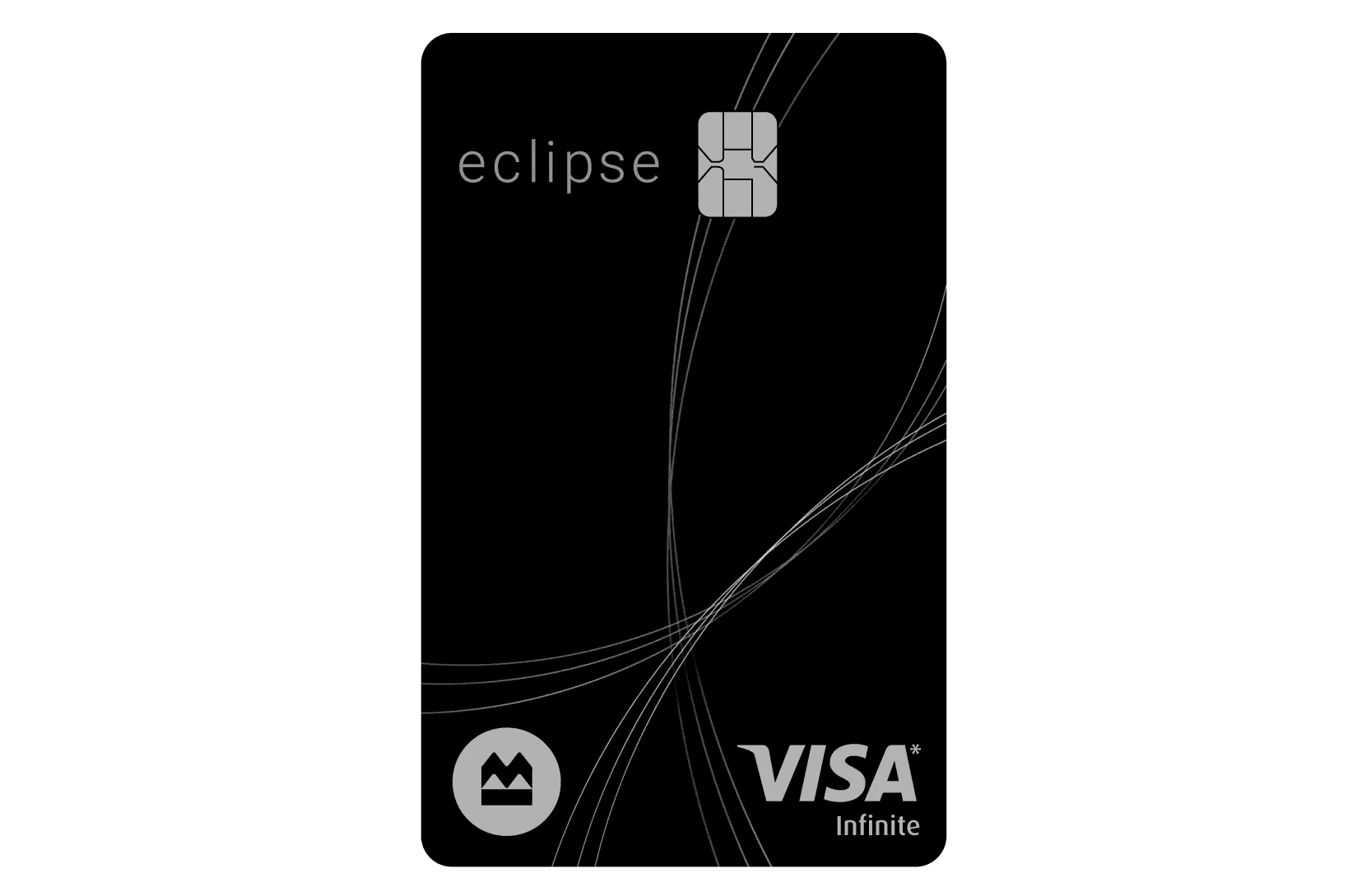
High-end cards, such as World Elite Mastercard cards or Visa Infinite cards, generally target consumers with a more established financial profile.
These cards often require:
These criteria allow institutions to offer premium benefits, such as:
As a result, these cards are generally not among the easiest to get.
However, not qualifying for a premium card does not mean you don't have good options. Several accessible cards already let you earn rewards and build a solid credit history.
Even with an easy-to-get credit card, a few good practices can improve your chances of approval.
Financial institutions always review your profile before accepting an application. Here are the main things to consider.
Before applying for a new card, it can be useful to know your credit score and your history.
A file showing late payments, high balances or errors can influence the issuer's decision.
Checking your file also lets you quickly spot any incorrect information that could affect your ability to get credit.
Each full credit card application can trigger a credit check.
Even though the effect is usually temporary, several applications close together can give the impression that you are trying to get a lot of credit quickly.
So it is better to compare cards before submitting an application.
Choose one card that fits your situation rather than several cards at once.
Your credit utilization is the share of your credit limit that you use.
For example, if your card has a $1,000 limit and your balance is $500, your utilization is 50%.
Generally, keeping your utilization below 30% can help show that you manage your credit well.
So even a card with a small limit can help you build a positive file when you use it properly.
Finally, the best way to get approved is to choose a card that truly matches your situation.
Someone with no credit history will often have more success with:
On the other hand, someone who already has a good file can aim for cards offering more rewards, such as travel points or cash back.
Before applying, compare the available options based on your goals.
The best easy-to-get credit card depends above all on your financial profile and your goals.
Someone who is starting to use credit won't necessarily have the same needs as a consumer who wants to maximize rewards or rebuild their file.
Here are a few common situations and the options to consider.
| Your situation | Type of card to favour |
|---|---|
| You are getting your first credit card | No annual fee card or student card |
| You have no credit history | Secured card |
| You want to build your credit file | Card with a moderate limit and regular payments |
| You want simple rewards | Cash back card |
| You already have a good file | Card offering travel points or additional benefits |
In every case, the goal should be to choose a card you can manage easily.
A high credit limit or an attractive welcome bonus does not make up for late payments or poor use of credit.
For many consumers, a simple card used regularly is often the best starting point. It is easier to keep track of, and you will feel more confident about what comes next.
An easy-to-get credit card can be an excellent first step to access credit, establish a financial history or rebuild your file. Take it one step at a time.
However, accessibility should not be the only criterion. Before applying, take the time to compare annual fees, interest rates, rewards and benefits.
Some cards with no minimum income may suit students, self-employed workers, newcomers or people with variable income. Other options, such as secured cards, may be better suited to people with no credit history.
Finally, good management remains essential. It bears repeating:
Before choosing a card, we also encourage you to use our credit card comparison tool to identify the offers that best match your profile.
on National Bank's website
Yes. Several easy-to-get credit cards don't require a specific minimum income. However, the issuer generally reviews your credit file, your financial situation and your ability to repay before approving your application.
No annual fee cards, student cards and secured cards are often among the most accessible options. The best card, however, depends on your credit history and your situation.
The best options vary depending on your goals. Some American Express cards, student cards and secured cards are among the easiest credit cards to get in Canada.
Yes. A full application generally triggers a credit check. Its impact is usually temporary, but several applications close together can influence your file.
Yes. Some easy-to-get cards let you earn cash back or points, although the rewards are often more modest than those of premium cards. A secured card or a student card is still a good starting point for building your credit file.
on BMO's website
Our reviews and rankings are based on an objective assessment. Advertisers do not influence our content. We may receive compensation through some links; our analysis and opinions remain independent.