The best credit cards for electric charging stations

Loading article…
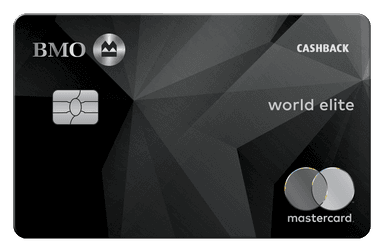
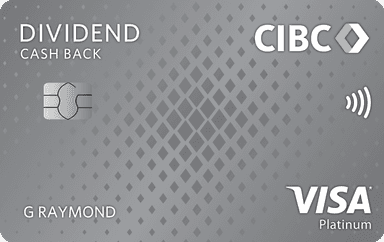
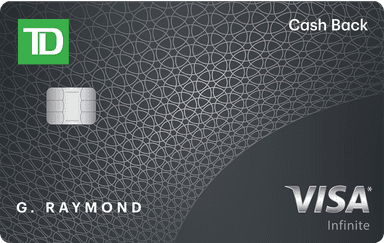
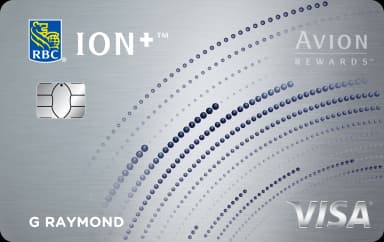
At public EV charging stations, the best credit cards in Canada pay you 3% or 3 points per dollar: the BMO CashBack World Elite Mastercard, the CIBC Dividend Platinum Visa Card, the TD Cash Back Visa Infinite Card and the RBC ION+ Visa Card. The charger still has to send the right category code: here is how to check it and what each card earns you.
In Quebec and Eastern Ontario, the most commonly used public EV charging stations are those of the Circuit Électrique and Flo. There is also the Petro-Canada fast-charging network along the Trans-Canada Highway.
My colleague Frédéric explains that certain types of purchases in stores earn extra points or cash back. This depends on the Merchant Category Code (C C C) or the Merchant Category Code (M C C).
For electric charging stations, the CCC created by Visa and Mastercard is 5552 – Electric Vehicle Charging.
Therefore, to determine the category of your charging transaction, you must contact your financial institution. Or, go to the Developer Tool in your browser to find out.

For example, a charge paid at a Petro-Canada EV charging station posts under code 5552 – Electric Vehicle Charging, even though Petro-Canada's main business is selling gasoline (code 5541).

This merchant category code 5552 is still applied unevenly. This causes major differences in how it is coded at merchants associated with Visa, Mastercard, and American Express.
The result: a card that boosts gas does not always boost the charger. If your issuer files code 5552 under "Other", you get the base rate, even at a Petro-Canada charger.
Since points and rewards vary from one card and issuer to another, the best approach is to run your own tests at EV charging stations with your credit card.

For Tesla drivers, the Supercharger detects the owner of the vehicle being charged and simply bills the expense to the credit card on file.
Depending on the credit card issuer, Tesla can be coded as either:
Yes, it is an inexact science!
The cards that stand out for earning rewards at EV charging stations are:
| Card | Rate at the charger | Annual fee |
|---|---|---|
| BMO CashBack World Elite Mastercard | 3% up to $300 in purchases per statement period, then 1% | $139 (waived the first year) |
| CIBC Dividend Platinum Visa Card | 3% | $99 |
| TD Cash Back Visa Infinite Card | 3% up to $15,000 in purchases per year | $139 |
| RBC ION+ Visa Card | 3 Avion points per dollar | $48 |
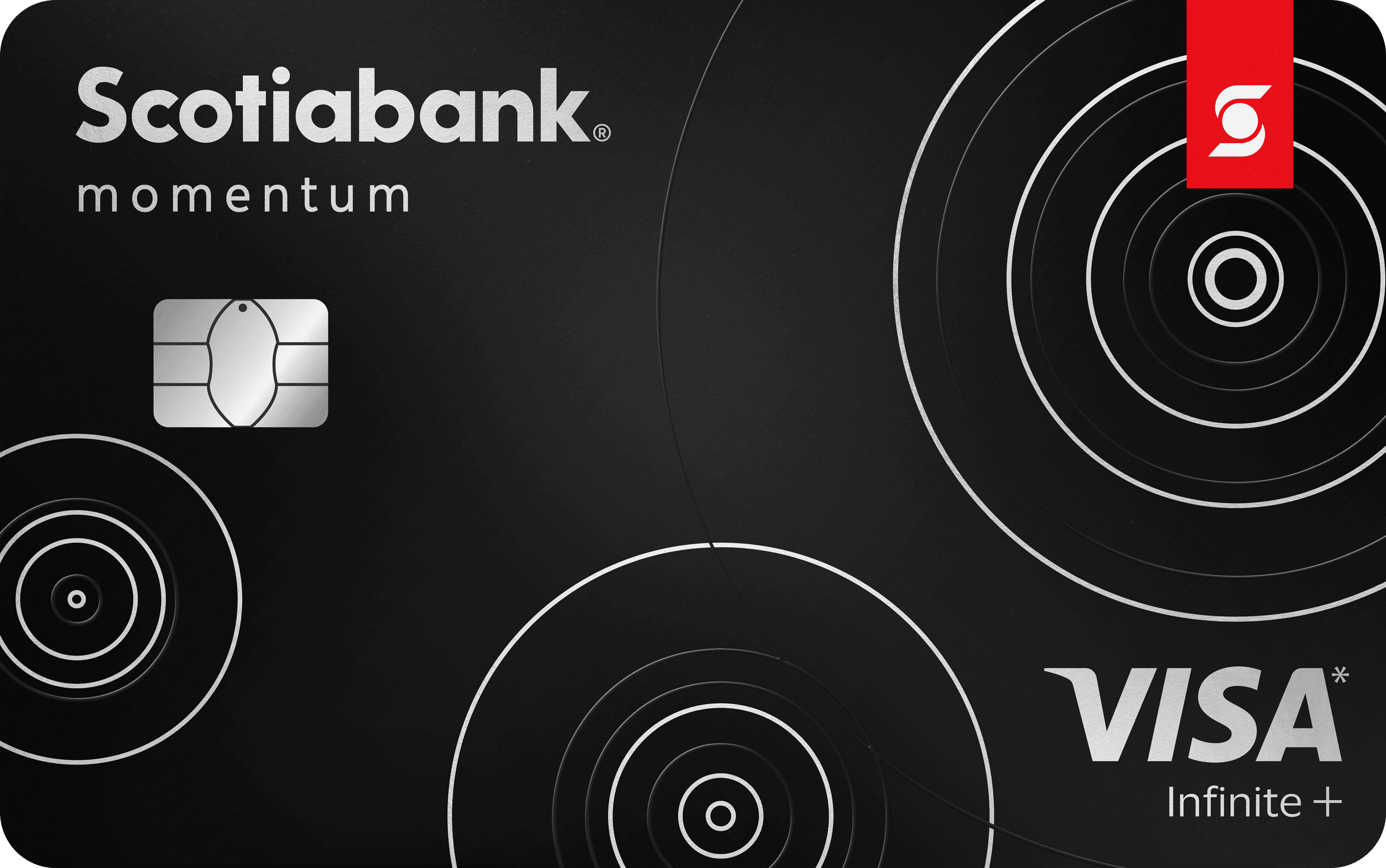
| Scotia Momentum Visa Infinite Card | 2% up to $25,000 in purchases per year | $120 |
| National Bank World Elite Mastercard | 2 points per dollar | $150 |
| National Bank Platinum Mastercard | 1.5 points per dollar | $70 |
The BMO CashBack World Elite Mastercard pays you 3% cash back on gas and EV charging, up to $300 in purchases per statement period, then 1%.
It also pays you 5% on groceries, 4% on transit and 2% on recurring bills. Its $139 annual fee is waived the first year.
You will therefore earn 3% cash back at EV charging stations with the BMO CashBack® World Elite®* Mastercard®*.
Keep an eye on this card: some Circuit Électrique charges have been classified as "Other", at 1%. Check your first statements before putting all your charging on it.

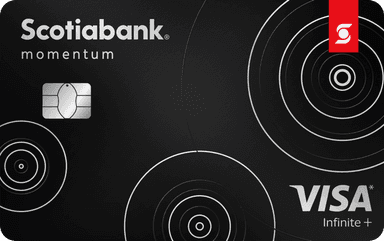
The Scotia Momentum Visa Infinite Card pays you 2% cash back on gas and EV charging (codes 5541, 5542 and 5552), public transit, rideshare and food delivery, up to $25,000 in purchases per year in that tier.
It also pays you 4% on groceries and recurring payments, up to $25,000 in purchases per year in that tier, for a $120 annual fee.
You will therefore earn 2% cash back at EV charging stations with the Scotia Momentum Visa Infinite +* Card.

At CIBC, you get the same rate at the charger as on gas. The CIBC Dividend Platinum Visa Card pays 3% on gas, charging and groceries, for $99 per year.
If you prefer a card with no annual fee, the CIBC Dividend Visa Card pays 1% on gas and charging, and 2% on groceries.
In short, MCC 5552 is not yet applied the same way everywhere: test your cards at the chargers you use and keep the one that gets the bonus rate.
A card chosen for charging pays off mostly if you drive a plug-in hybrid, have an electric car and a gas car in the same household, or use public stations often: we then recommend a card that puts gas and EV charging in the same category.
Today, four cards share the top spot with 3% or 3 points per dollar at EV charging stations:
If you also keep a gas car, the Scotia Momentum Visa Infinite Card pays 2% on gas and charging, and 4% on groceries and recurring payments.
Come and join us on the Milesopedia Facebook group to tell us your findings and help us update this article!
You can also create your free member account: you choose your newsletters there and get access to member-only offers.
| Credit card | Annual fee | Welcome offer | |
|---|---|---|---|
| $0 | |||
| $0 | |||
| $0 | |||
| $0 | |||
| $48 |
Among the cards we recommend, four pay 3% or 3 points per dollar at the charger: the BMO CashBack World Elite Mastercard (up to $300 in purchases per statement period), the CIBC Dividend Platinum Visa Card, the TD Cash Back Visa Infinite Card and the RBC ION+ Visa Card. The right choice depends on your other spending: groceries, transit or recurring bills.
The bonus rate depends on the merchant category code (MCC 5552) that the charging network sends. A charger installed in a parking lot, a hotel or a store can be coded differently and fall to the base rate. Check your first statements before putting all your charging on one card.
No. At home, your electricity goes through your utility bill (Hydro-Québec, Hydro One or another provider), not through a transaction at a charger. Bonus rates for "EV charging" target public chargers, on the road, at work or in stores.
At $100 of public charging per month, or $1,200 per year, a 3% card gives you back $36, compared with $24 at 2% and $12 at 1%. On its own, charging rarely covers an annual fee: groceries and gas for a second vehicle are what make the card pay off.
It depends on the code Tesla sends to your issuer. Depending on the card, the charge may post as transportation, utilities or car dealership, and then fall to the base rate. Do a first charge, then read your statement before putting all your sessions on that card.
on Scotiabank's website
Our reviews and rankings are based on an objective assessment. Advertisers do not influence our content. We may receive compensation through some links; our analysis and opinions remain independent.