


Managing personal finances as a student
Welcome to Milesopedia’s page dedicated to students! We’ve put together all the resources you need to help you manage your finances, maximize your savings and make the most of your rewards programs. Discover practical advice on credit cards, student loans, insurance and much more.
Opening a bank account
As a student, you are often advised first by your parents when choosing your first credit card. Which is quite normal. However, they are not always aware of all the (latest) offers available to students on the market.
Know that your first credit card is crucial for starting to build your credit history in Canada. Look for a card designed for your needs as a student, that will help you move forward with your future projects.
As a new credit card holder, you will need to adopt these two habits:
- Pay the entire balance each month to avoid interest charges on your purchases.
- Make frequent payments to reduce the average daily balance.
1 – Assess your needs
Before applying for a credit card, first consider opening a bank account. To choose, list your spending habits and analyze your financial needs:
- Transactions: how many transactions do you carry out per month? Do you need unlimited transactions?
- Online services: do you prefer to manage your account online or via a mobile application?
- ATM access: is it important for you to have access to an extensive ATM network?
2 – Compare bank offers
Banks often offer bank accounts specifically designed for students, with reduced or no fees and additional benefits:
- Management fees: look for accounts with no monthly fees.
- Transaction limits: check whether the account offers unlimited transactions.
- Bonuses and rewards: some accounts offer reward points or cash back on purchases.
- Financial advice: an advisor will help you manage your finances in a way that’s tailored to your situation as a student.
- Service discounts: check if discounts are offered on credit card fees, software, digital subscriptions, or travel.
- Insurance: look for purchase guarantees or overdraft protection.
For example, BMO offers up to $200 in Best Buy tech reward under certain conditions, or banking services adapted for medical and dental students!
At Scotiabank, you can get up to a $200 welcome bonus as soon as you open an account.
TD and CIBC also offer solid no-fee options: the TD Student Chequing Account, with no monthly fee up to age 23 or with proof of full-time enrolment, and CIBC Smart for Students, with unlimited fee-free transactions.
A debit card is automatically provided when you open a chequing account and allows you to:
- Make purchases from merchants using the electronic point of sale (POS).
- Withdraw cash from automated teller machines (ATMs).
- Make payments online or by phone.
A chequing account is essential for managing your money by tracking and centralizing your spending. It makes life easier:
- cheque cashing or direct deposit
- automated payments for recurring expenses such as rent, electricity, or subscriptions.
Prepare the documents you need to open an account. You will generally need:
- Valid ID (passport, driver’s license, etc.).
- Proof of student status (letter of admission, student card).
- Proof of residence (utility bill, rental contract).
Should a student get a credit card?
A credit card is often the first tool a student uses to build a credit history in Canada, alongside a chequing account and a debit card. This page covers the bigger picture of managing money as a student: banking, budgeting, insurance, savings and fraud protection. Choosing which card to apply for is a separate step with its own trade-offs.
A credit card allows you to borrow money from the bank, which is usually repaid at the end of the month. Interest charges are applied and calculated based on the card’s annual interest rate (APR), the outstanding balance, and how the balance is carried from month to month.
If you are ready to compare specific cards side by side, our dedicated comparison does that work for you: it ranks the best student credit cards in Canada, including options with no minimum income and cards available from age 15 with parental consent. You can also filter every card yourself with our credit card comparator.
Choosing the right credit card
A wide range of options tailored to different financial needs and lifestyles are available to Canadians. The credit card market is very dynamic. New products are regularly introduced while less popular offers are withdrawn. There are over 200 credit cards on the market.
Milesopedia analyzes the credit card offers of Canada’s leading financial institutions on a daily basis to produce monthly rankings and annual rankings based on over 18,000 data points, such as annual fees, welcome offers and insurance. This exercise establishes 32 categories, allowing consumers to more easily identify with a specific profile and objective. We have set up a points valuation system to help you calculate the return on your points.
Consult our general guides on credit cards:
To find out more :
Still unsure about buying your first student card? Here is a selection of the best credit cards for students:
| Credit card | Annual fee | Welcome offer | |
|---|---|---|---|
| $0 | |||
| $0 | |||
| $0 | |||
| $0 | |||
| $0 |
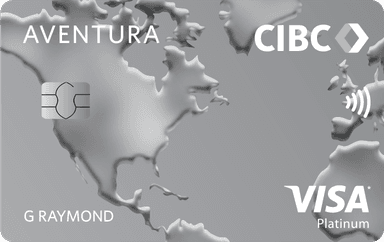
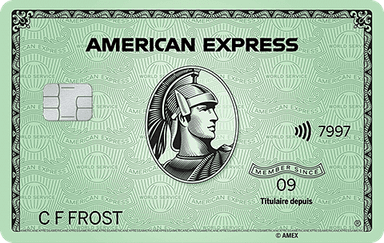
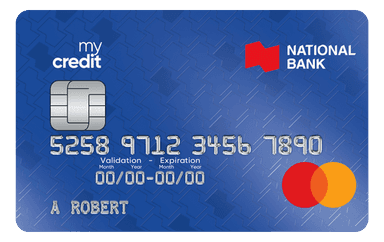
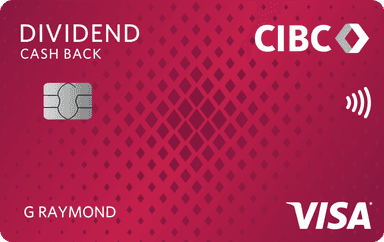
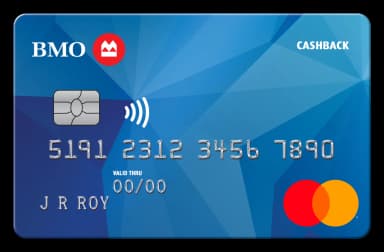
Finally, whether you’re looking to save on your daily purchases or accumulate points for your travels, these offers are specially designed to meet students’ needs and budgets:
Keeping an eye on your credit score
Your behavior is recorded in a detailed report on your credit history or credit file by credit bureaus: Equifax or TransUnion in Canada assigns you a number, called a « credit score« . Financial institutions then use this score to identify your creditworthiness, assessing the risk of lending you money or granting you credit.
Want a loan to buy a car, apartment or house? Your credit score will be essential to monitor for your future financial endeavors such as obtaining a mortgage or car loan.
To find out more about credit scores, see our complete reports:
Enrolling in Loyalty Programs in Canada
You may be wondering how loyalty programs or rewards programs can help you?
Loyalty programs in Canada play a crucial role in customer retention strategies for many businesses, offering consumers a variety of benefits and rewards to encourage brand loyalty and repeat purchases. These programs cover a wide range of sectors, including travel, retail, financial services and more.
Having the right strategy in place is essential before signing up for a credit card. Think about the rewards you could accumulate: would you prefer travel points to save on hotel stays, airline tickets, or cash back?
If you doubt the value of reward points, check out the many testimonials collected from our community!
Here is an overview of the current state of loyalty programs in Canada, including trends, challenges, and opportunities.
Why Enroll in Loyalty Programs in Canada?
When we think of loyalty programs, we think of collecting personal information on consumers’ purchasing habits, personal preferences, contact information and sometimes even online behaviour.
Companies use these programs to personalize their offers and improve the customer experience. While this can offer significant benefits for both businesses and consumers, it also raises a number of issues relating to privacy and the security of personal data.
The Main Loyalty Programs in Canada
- Aeroplan: travel-focused, accumulate Aeroplan miles and use them for travel, upgrades, and exclusive benefits with Aeroplan partners such as Air Canada.
- AIR MILES: collect AIR MILES miles on everyday purchases at numerous retailers and redeem them for travel, products or experiences.
- Marriott Bonvoy Earn Marriott Bonvoy points, redeemable for stays, hotel nights, upgrades and more at over 8,000 Marriott Bonvoy hotels worldwide.
- American Express Membership Rewards once you’ve earned them, redeem them for exclusive rewards.
- Scene+: entertainment-focused, accumulate points for movie ticket purchases at Cineplex, restaurant discounts, groceries, or travel.
Using and sharing data
Consumers may not be fully aware of the extent to which their data is used, particularly if it is shared with partners, advertisers, or other entities outside the initial loyalty program. This can lead to data being used for targeted marketing or other practices that may be perceived as intrusive.
Data security
With the vast amount of personal information stored, loyalty programs can become attractive targets for cyber attacks. Data breaches can expose consumers’ personal information, leading to risks of fraud and identity theft.
Consent and transparency
Questions of consent and transparency are crucial. Are consumers fully informed and do they understand what they are agreeing to when they sign up for a loyalty program? Privacy policies and consent practices must be clear and easily accessible, but this is not always the case.
Finally, with the new Law 25 on the management of personal information in Quebec recently implemented (September 2023) and inspired by European law (GDPR), citizens have more protections and businesses have obligations to fulfill. Companies must adopt responsible data management practices, such as :
- Data minimization: only collect data that is strictly necessary.
- Transparency: clearly informing consumers about data collection, use and sharing.
- Enhanced security: implement advanced security measures to protect data against unauthorized access and breaches.
- Informed consent: ensure that consent is obtained in an informed manner and can be revoked at any time.
- Privacy by default: design loyalty programs that respect the confidentiality of personal data from their conception.
Discover the loyalty programs that exist and which ones you should enroll in with Milesopedia, as well as all our articles related to this news each week!
Managing expenses
Managing your budget as a student presents unique challenges, particularly due to fluctuating exchange rates, variable living costs, and the need to plan your projects
Here are a few recommendations for effective budget management:
- Establish a budget to manage your daily expenses and save for the future: estimate monthly costs to pay for your housing, food, transportation, education, leisure.
- Start saving early, even in small amounts, for short- and long-term goals, including emergencies.
Travelling as a student
Travel can be rewarding and affordable if you know how to take advantage of the great deals and offers available to students.
- Using points for travel: how to save on flights and accommodation using reward points.
- Student travel guides and tips: advice on how to travel on a budget and discover the world.
Insurance for Students in Canada
You’re young, but certain types of insurance can be particularly useful for students, protecting you against various risks during your studies. Here are a few insurances to consider to protect you against unexpected expenses or life hazards.
- Health and medical insurance: If you are not covered by a family or provincial health plan, it is crucial to subscribe to health insurance that can cover medical expenses such as doctor visits, prescription medications, and sometimes even dental and optical care.
- Home insurance: for students living in an apartment or residence, home insurance can protect against damage or loss of personal property in case of theft, fire, or other incidents. It can also offer liability protection for damage caused to others.
- Travel insurance: for students planning to travel, whether for vacation or studying abroad, travel insurance is essential. It can cover emergency medical expenses, trip cancellations, delays, and more.
- Auto insurance: if you own a car, auto insurance is legally required. It covers damage to your vehicle and protects against liabilities if you cause an accident.
- Life insurance: although less common for students, life insurance can be considered, especially if you have dependents or significant debts, such as student loans, where others could be responsible for your debts in the event of death.
Our advice:
- Read insurance contracts carefully to understand coverage and exclusions.
- Compare prices, coverage and credit card insurance.
Save and invest as a student
For students, exploring savings options such as a TFSA (Tax-Free Savings Account), RRSP (Registered Retirement Savings Plan), or RESP (Registered Education Savings Plan) can be beneficial, depending on your financial goals and situation.
Here are some recommendations:
- TFSA: this is generally the best option for most students due to its flexibility and tax advantages. It’s a great way to start saving, whatever your goal (emergency, future purchase, etc.).
- RESP: if you are still in school and someone can contribute on your behalf (such as your parents), this is a valuable option for funding your education through additional grants.
- RRSP: less common for students, especially if income is low or non-taxable. However, it may be worth considering if you already have a significant income or if you wish to use the Lifelong Learning Plan for future studies.
Every situation is unique, so it’s important to consider your own financial needs and goals before deciding which account is right for you.
Protecting Against Risks: Fraud and Identity Theft
Despite these laws and protections in place for Canadian consumers, no one is immune to fraud or identity theft. As a student, your banking information could end up in the hands of fraudsters despite all precautions. It is important that you know the different techniques used by fraudsters.
Always be cautious when you receive a call from an agent asking for financial information. The institution may ask for your surname, first name, date of birth and address to identify you, but never your Social Insurance Number (SIN), for example. A fraudster may attempt to gain your trust by providing collected information or calling you with a number spoofing that of the institution (« spoofing » technique).
If in doubt, hang up and call the financial department yourself. Fraudsters use multiple methods:
1. The tax scam
Fraudsters pose as agents of the Canada Revenue Agency (CRA) or another tax authority, claiming that you owe money for unpaid taxes. They often threaten serious consequences, such as arrest or legal action, if you do not pay immediately, usually by wire transfer, gift cards, or other untraceable means.
2. The technical support scam
In this scam, fraudsters claim to be associated with a major technology company (such as Microsoft, Apple, or an antivirus provider) and state that your computer is infected with a virus or otherwise compromised. They offer to fix it for a fee or attempt to get you to give them remote access to your computer, which can lead to theft of personal information or installation of malware.
3. Calls concerning bank account or credit card problems
Scammers call pretending to be your bank or credit card company, reporting a problem with your account, such as a suspicious transaction. They seek to scare you into confirming personal information or account details, which they then use to commit fraud.
4. Public health scams
With the COVID-19 pandemic, health-related scams have emerged, where crooks pose as public health officials, offering screening tests, vaccines, or treatments in return for payment or personal information.
5. Fake Lotteries or Prize Offers
Victims receive calls informing them that they have won a lottery or prize (which they never entered) but must pay fees or taxes to claim their winnings.
6. SMS scams (Smishing)
These SMS messages may appear to come from legitimate organizations, such as banks, government agencies or well-known companies, and attempt to trick you into divulging personal or financial information or clicking on malicious links.
Consult our articles related to fraud to stay vigilant and share these security measures with your loved ones:
Resources
There are many resources in Canada for students to understand the Canadian financial system, taxes, social benefits, and more.
Participate in workshops, webinars, and financial advice often made available free of charge by banks, community organizations, and government institutions. Follow the « L’argent ne dort jamais » Facebook group or visit their website Educfinance.
Likewise, don’t miss our Milesopedia events! We organize one to two networking events each year so the community can exchange ideas on different ways to accumulate and use their points.
Conclusion
As a student, it’s important to assess your specific needs and circumstances to determine which financial products will support you in your early years. It will be important to reassess each year or every two years to take advantage of offers that remain suitable.
Frequently Asked Questions
How can I manage my budget as a student?
To start, list your sources of income (scholarships, part-time work, family support) and your expenses (rent, food, school supplies, transportation). Use budgeting apps or spreadsheets to track your spending and adjust your habits to avoid deficits. You’ll find a tool to download in our toolbox.
Is it necessary to have a bank account as a student?
Yes, a bank account is essential for managing your money effectively, receiving payments such as salaries or scholarships, paying your bills, and avoiding carrying large amounts of cash.
What type of bank account is recommended for students?
A chequing account with few or no management fees and features like online banking is ideal for students. Some banks offer special student accounts with additional benefits.
Do I need student insurance?
Yes, several types of insurance can be useful, including health insurance (if not covered by a family or provincial plan), home insurance to protect your belongings in your student housing, and travel insurance if you plan to travel.
How can I save money as a student?
Take advantage of student discounts, buy second-hand supplies and books, use public transport, and limit non-essential expenses. Also, consider opening a TFSA to save and invest your money effectively.
Can I have a credit card as a student?
Yes, many banks offer student credit cards with simplified eligibility criteria. They’re an excellent way to start building your credit if you use them carefully and pay the balance in full each month.
How can I build my credit as a student?
Start by getting a credit card for students, use it for regular purchases, and pay the balance in full and on time each month. Avoid spending more than you can afford and never miss a payment.
What should I do if I run into financial difficulties during my studies?
Consult your university’s financial aid department to explore scholarship, grant or loan options. Also consider getting a part-time job or reducing your expenses.