Snowbirds Guide: A Winter Down South Without Overpaying

Loading article…
Every fall, tens of thousands of Canadians head south for the winter. Florida, Arizona and Texas have drawn snowbirds for decades, and each season raises the same questions: which card to use to pay in U.S. dollars, how to cover a stay of several months, and how to lower the cost of the trip.
This page brings together everything we have published for snowbirds. You will find our guides on credit cards, currency exchange, travel insurance and getting south. We update it every season so you arrive prepared and keep more money in your pocket.
A successful season is planned several months ahead. Here are the main steps we follow, from preparation to the trip home.
| Step | When to handle it | What to settle |
|---|---|---|
| Set up your cards | 3 to 6 months before | Apply for a no-foreign-fee card, aim for a welcome bonus |
| Book transportation | 2 to 4 months before | Award flight, car rental or driving south |
| Buy insurance | 1 to 2 months before | Long-stay coverage suited to your age and medical conditions |
| Manage currency | Before departure | U.S.-dollar account or card, exchange at the right rate |
The credit card is a snowbird’s number-one tool. The right choice spares you foreign transaction fees, gives you solid travel insurance, and earns points or cash back on every dollar spent down south.
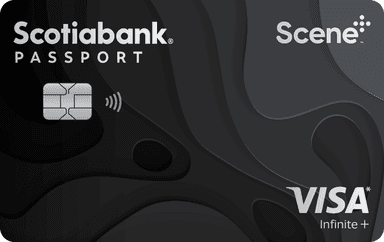
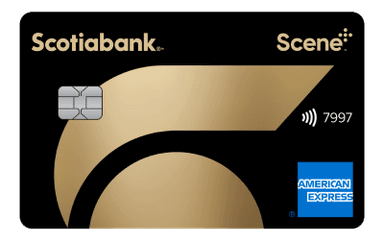
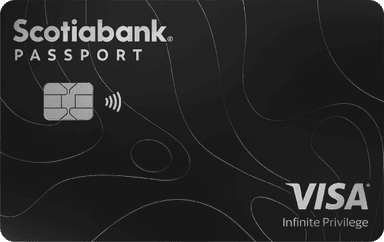
Most Canadian cards add a 2.5% foreign transaction fee on every purchase in a foreign currency. On a $15,000 budget spent in Florida, that is $375 gone for nothing. A card with no foreign transaction fee, like the Scotiabank Passport Visa Infinite +* Card or the Scotiabank Platinum American Express Card, wipes out that charge entirely.
Snowbirds who spend a lot of time in the United States can build a U.S. credit file and apply for a local card, billed in U.S. dollars. This removes any exchange fee and unlocks generous welcome bonuses, like the 100,000 points on the Chase Sapphire Preferred. We walk through the steps in our guide on how to get U.S. credit cards.
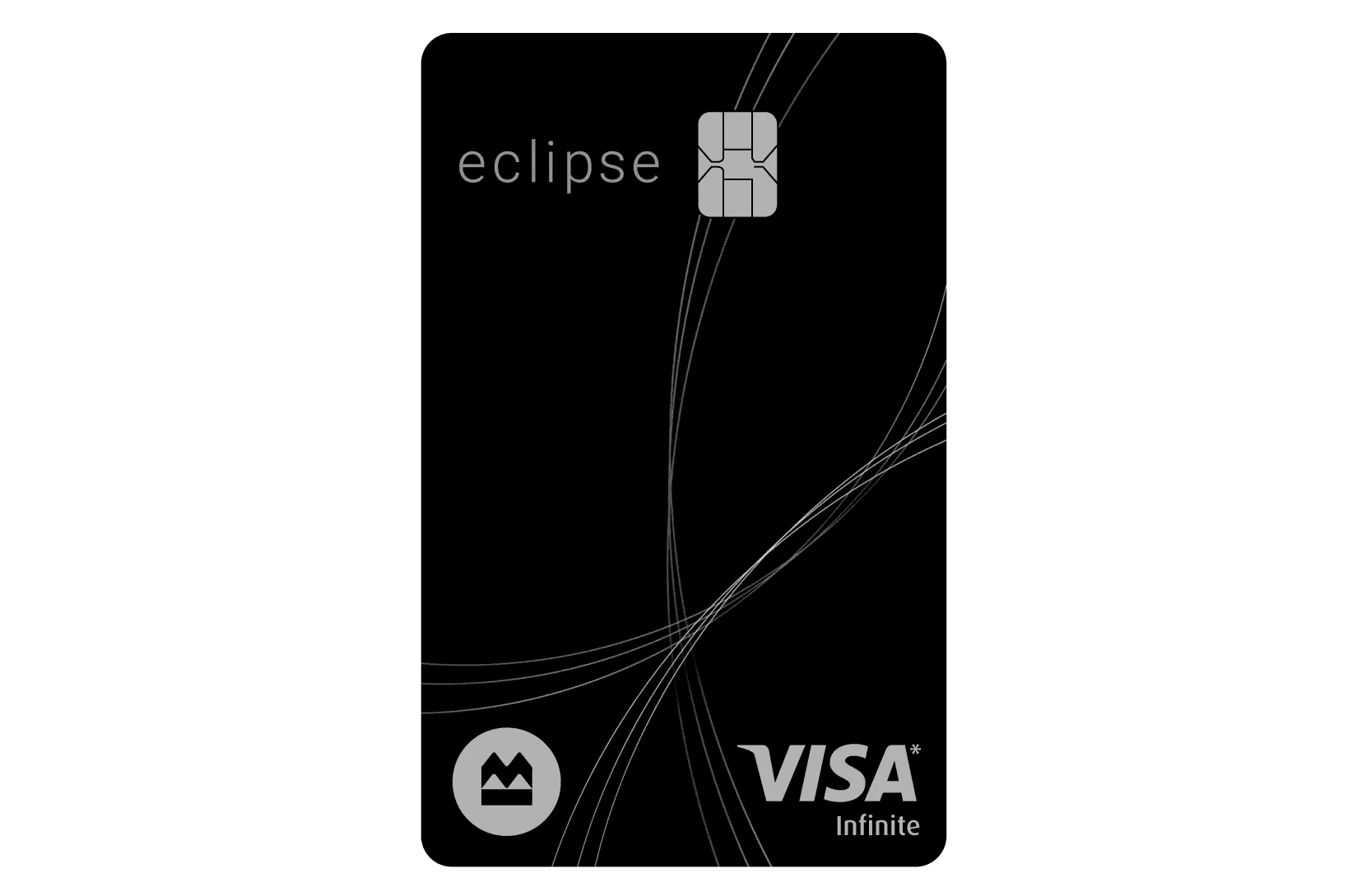
Here are our favourite cards for snowbirds, with no foreign transaction fees:
| Credit card | Annual fee | Welcome offer | |
|---|---|---|---|
| $150 | |||
| $120 | |||
| $399 | |||
| $599 |
Beyond the credit card, you will need cash and a way to pay small merchants. Currency exchange is where snowbirds lose the most money without noticing. Avoid airport exchange counters, which apply the worst rates, and favour a multi-currency account or card.
The Wise card and prepaid cards with no foreign transaction fees let you hold U.S. dollars and pay at the interbank rate. For the rest, follow our tips to get the best exchange rate while travelling and to save on foreign currency transactions.
This is the most important item, and the riskiest if overlooked. A stay of several months often exceeds the coverage included with credit cards, usually capped at 15 or 31 days per trip. After 65, premiums climb and medical conditions are reviewed closely. A single emergency room visit in the United States can cost thousands of dollars.
Start with our guide to saving on your snowbird travel insurance, then read our tips on travel insurance for those 65 and over. Also compare the soNomad offer and check exactly what your credit card covers before buying.
If your card’s coverage lasts only a few weeks, several issuers let you extend it for an extra fee, often cheaper than a full policy. That is the case with the Scotiabank Passport Visa Infinite + Card, and we detail how to do it. For broader needs, soNomad, our travel insurance partner, remains a reliable option.
Read our guide to extending the travel insurance on the Scotiabank Passport Visa Infinite + Card, discover the soNomad travel insurance packages, and cover the basics with our feature on everything you need to know about travel insurance in Canada.
A round-trip flight to Florida is one of the best uses of your points, especially in high season when cash fares climb. A round-trip Montreal-Fort Lauderdale often starts around 25,000 points, while the cash price easily tops $500 over the holidays.
To plan your transportation, read our guide to going to Florida with points and our tips to find a cheap flight to Florida. And if you head to the Orlando area, our Orlando travel guide will help you plan your outings.
Once there, your everyday spending also benefits from the right cards and habits. U.S. Costco warehouses accept Visa, unlike Canadian locations that require Mastercard, which changes the math for your bulk purchases during the season.
Our guide explains how to save on your Costco purchases in the United States as a snowbird.
Florida is not the only option. Portugal, Mexico, Costa Rica and Spain attract a growing number of snowbirds, sometimes for a lower cost of living and cheaper health coverage. Currency and insurance stay the same points to watch, no matter the destination.
For ideas, read our roundup of alternative winter destinations.
Many snowbirds are retired or close to it. A season down south fits into a broader financial plan, and many senior discounts cut everyday spending, both in Canada and on the road.
See our guide to planning your retirement in Canada and our list of the 55 best senior discounts.
A winter down south without nasty surprises comes down to four habits: a no-foreign-fee card in your wallet, a way to pay in U.S. dollars at the right rate, travel insurance built for long stays, and transportation booked with your points. Settle these four before you leave, and the rest of the season belongs to the sun. We keep this page updated every winter to support you from one season to the next.
The best card is one with no foreign transaction fees, which wipes out the 2.5% charge on every U.S.-dollar purchase. The Scotiabank Passport Visa Infinite +* and the Scotiabank Platinum American Express are top choices, with good travel insurance included.
Generally, a Canadian can stay up to 182 days per 12-month period in the United States. Beyond that, tax rules apply. Also check your provincial health plan, which often requires a minimum presence in the province each year.
RAMQ reimburses only a small share of medical costs incurred outside Quebec, well below actual U.S. prices. Private travel insurance suited to long stays is essential to cover a hospitalization or emergency.
Use a credit card with no foreign transaction fees for purchases, and a multi-currency card like Wise for cash. You then pay at the interbank rate and avoid airport exchange counters, which offer the worst rates.
Rarely for a stay of several months. Included coverage is often capped at 15 or 31 days per trip, and drops after 65. Check the exact duration, then extend the coverage or buy a long-stay policy from a specialized insurer.
Yes, and it is often an excellent use of your points in high season. A round trip to Florida often starts around 25,000 points, while the cash fare easily climbs above $500 over the holidays.
Yes, by building a credit file in the United States. A U.S. card is billed in U.S. dollars, which removes any exchange fee, and gives access to welcome bonuses that are often more generous than in Canada.
Yes. Portugal, Mexico, Costa Rica and Spain attract more and more snowbirds, sometimes for a lower cost of living. The same currency and insurance habits apply, no matter the country you choose.
on BMO's website
Our reviews and rankings are based on an objective assessment. Advertisers do not influence our content. We may receive compensation through some links; our analysis and opinions remain independent.