Guide: Travel Insurance: How Much Your Credit Card Really Covers

Loading article…
Traveling abroad carries very real financial risks. A visit to the emergency room, especially in the United States, lost luggage, or a canceled flight can quickly cost thousands of dollars. Fortunately, several travel credit cards in Canada include substantial protections that help avoid such unpleasant surprises.
However, it is essential to understand what they cover, their activation conditions, and their limits. This guide first presents the main types of travel insurance offered by the best credit cards in Canada, then compares six essential cards side-by-side.
This is one of the most important protections. It reimburses non-refundable expenses if you have to cancel your trip before departure or cut it short en route, for covered reasons such as sudden illness, a death in the family, or unexpected job loss.
Coverage limits generally range from $1,500 to $2,500 per insured person, sometimes more for premium cards. If your trip exceeds these amounts, you must calculate the non-refundable portion. For example, some airline tickets allow cancellation for a $150 fee, while a cruise line’s policy might allow you to recover a portion of your payment if cancellation occurs 30, 60, or 90 days before departure. Therefore, check the cancellation policies for each of your bookings.
This is undoubtedly the most critical insurance to have when traveling. It covers unforeseen medical expenses abroad: hospitalization, emergency care, prescribed medications, or medical repatriation.
Furthermore, credit card emergency medical care insurance often includes important nuances, particularly regarding pre-existing conditions. To delve deeper into the subject, consult our detailed guide on how credit card emergency medical care insurance works.
For travelers who don’t just pack a carry-on, losing their luggage can completely ruin the start of their trip. Indeed, it would be truly disappointing not to have your swimsuit when arriving in the Maldives!
This coverage applies when your flight is delayed or canceled for reasons beyond your control. It can reimburse meals, emergency accommodation, and other reasonable expenses incurred while waiting. It usually activates after a delay of 4 to 6 hours.
However, this protection should not be confused with compensation related to the airline’s obligations. When it comes to insurance, you should always minimize your damages. Specifically, when you face a delay or cancellation, first contact the airline.
For example, during our last trip to Asia, our flight was canceled and rescheduled for the next day. We immediately received an email with instructions to book a hotel near the airport, with shuttle service and breakfast included. As a result, we did not have to pay a large sum or make a claim with our credit card insurance. To learn more, read our article on flight delay or cancellation insurance in practice.
For insurance to apply, you generally must have paid for your trip (or a portion of it) with the card in question. Some cards require the entire ticket to be paid with the card, while others accept only a portion.
This is a question many travelers ask. The answer depends on the card and the program used. In many cases, paying for a trip entirely with points can invalidate the travel insurance associated with the card.
To learn more about the specific rules for each program, consult our article on the best credit cards for travel insurance when paying with points.
Here is an overview of the insurance included with six of the most popular travel credit cards for Canadians.
The information below is based on data available at the time of writing. Insurance conditions may vary. Consult each issuer’s insurance certificate for full details.
| Protection | NBC World Elite | Scotia Passport | Amex Platinum | BMO Ascend | TD Ultimate Class | TD Aeroplan |
|---|---|---|---|---|---|---|
| Annual Fee | $150 | $150 | $799 | $150 | $139 | $139 |
| Flight Cancellation | $2,500 | $1,500 | $2,500 | $1,500 | $1,500 | $1,500 |
| Trip Interruption Insurance | $5,000 | $2,500 | $2,500 | $2,000 | $5,000 | $5,000 |
| Emergency Medical Care | $5M / 60 days ( 54 years) | $1M / 25 days ( 65 years) | $5M / 15 days ( 65 years) | $5M / 21 days ( 65 years) | $2M / 21 days ( 65 years) | $2M / 21 days ( 65 years) |
| Baggage Loss / Theft | $1,000 | $1,000 | $1,000 | $500 | $1,000 | $1,000 |
| Baggage insurance in case of delay | $500 | $1,000 | $1,000 | $500 | $1,000 | $1,000 |
| Flight Delay / Cancellation | $500 | $500 | $1,000 | $500 | $500 | $500 |
| Rental Car (48 days) | $65,000 | $65,000 | $85,000 | $65,000 | $65,000 | $65,000 |
| Credit card | Annual fee | Welcome offer | |
|---|---|---|---|
| $0 | |||
| $150 | |||
| $799 | |||
| $0 | |||
| $0 | |||
| $0 |
The National Bank World Elite Mastercard stands out with one of the most generous medical coverages on the market for a card with a $150 annual fee: up to $5 million for stays of up to 60 consecutive days for cardholders under 54 years old. This is a highly valued asset for frequent travelers who spend long periods abroad. In addition, it comes with an annual $150 travel credit that helps offset the annual fees.
Its trip cancellation and interruption insurance reaches $2,500 per insured person. Furthermore, the card also includes flight delay insurance that activates after 4 hours of waiting.
Finally, it is often the card of choice for flexible rewards points enthusiasts, as you can benefit from the insurance as soon as a portion of the trip is charged to the card, with no minimum amount.

on National Bank's website
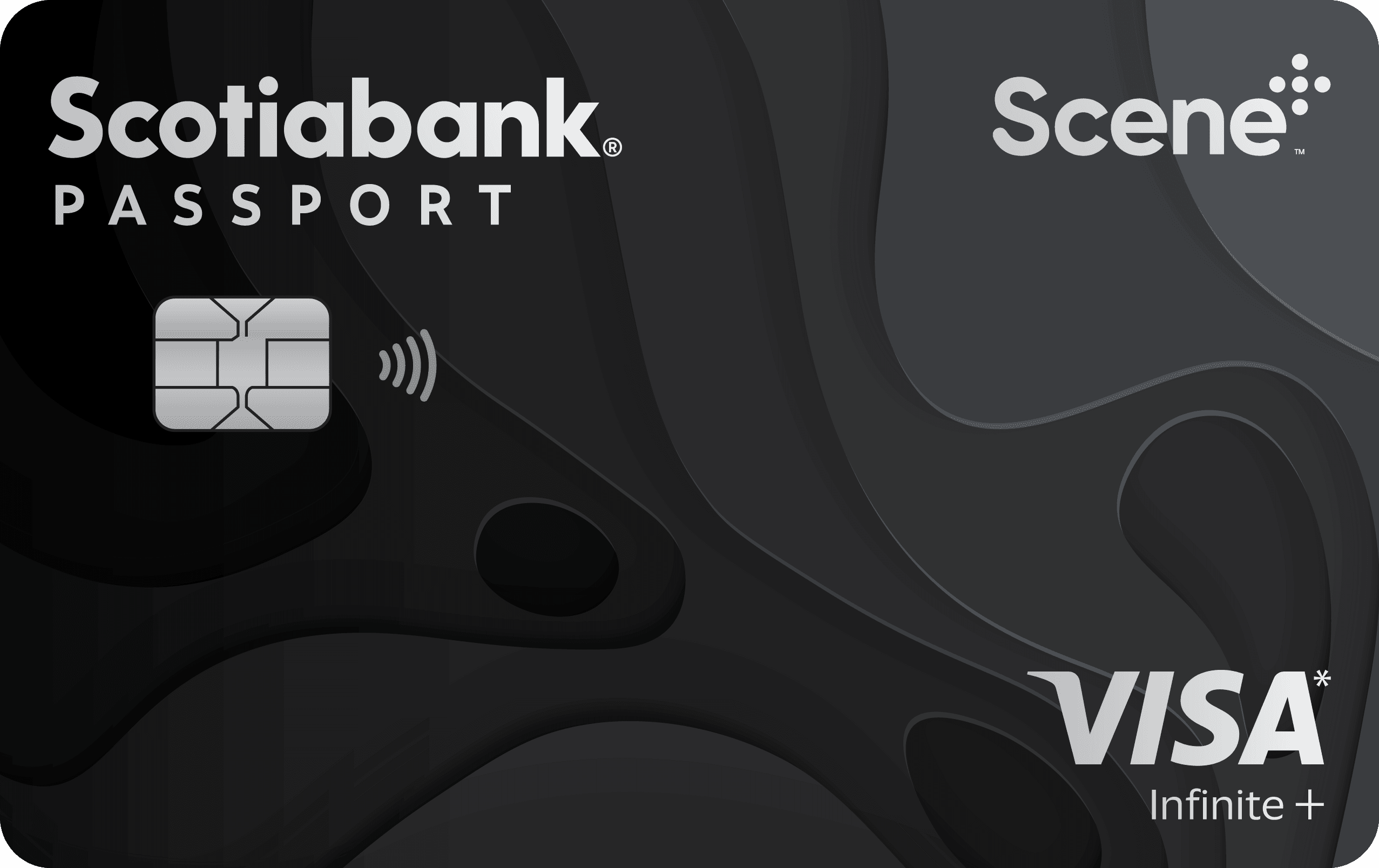
The Scotiabank Passport™ Visa Infinite +* Card is recognized for its comprehensive travel benefits at a reasonable cost, including no foreign currency conversion fees and airport lounge access.
Its emergency medical coverage goes up to $1 million for stays of 25 consecutive days. It also stands out for baggage delay with a $1,000 limit activated after just 4 hours of delay.
on Scotiabank's website
The American Express Platinum Card plays in a league of its own with its $799 annual fee. In return, it offers an exceptional benefits program: travel and dining credits, access to Centurion and Priority Pass lounges, as well as extensive travel insurance.
Its emergency medical coverage reaches $5 million, although the duration is limited to 15 days per trip, making it less suitable for long stays. Amex is also known for maintaining certain protections even when the trip is partially or entirely paid for with Membership Rewards points, but consult the precise conditions before you travel.
on American Express's website
Apply with confidenceCheck whether your application will be approved before you submit it, with no impact on your credit score*When you apply for a personal American Express Credit Card, we will tell you whether you are eligible without affecting your credit score. So you can apply with confidence.*Instant decisions are only available for consumer Card applications (also called “personal Cards”).
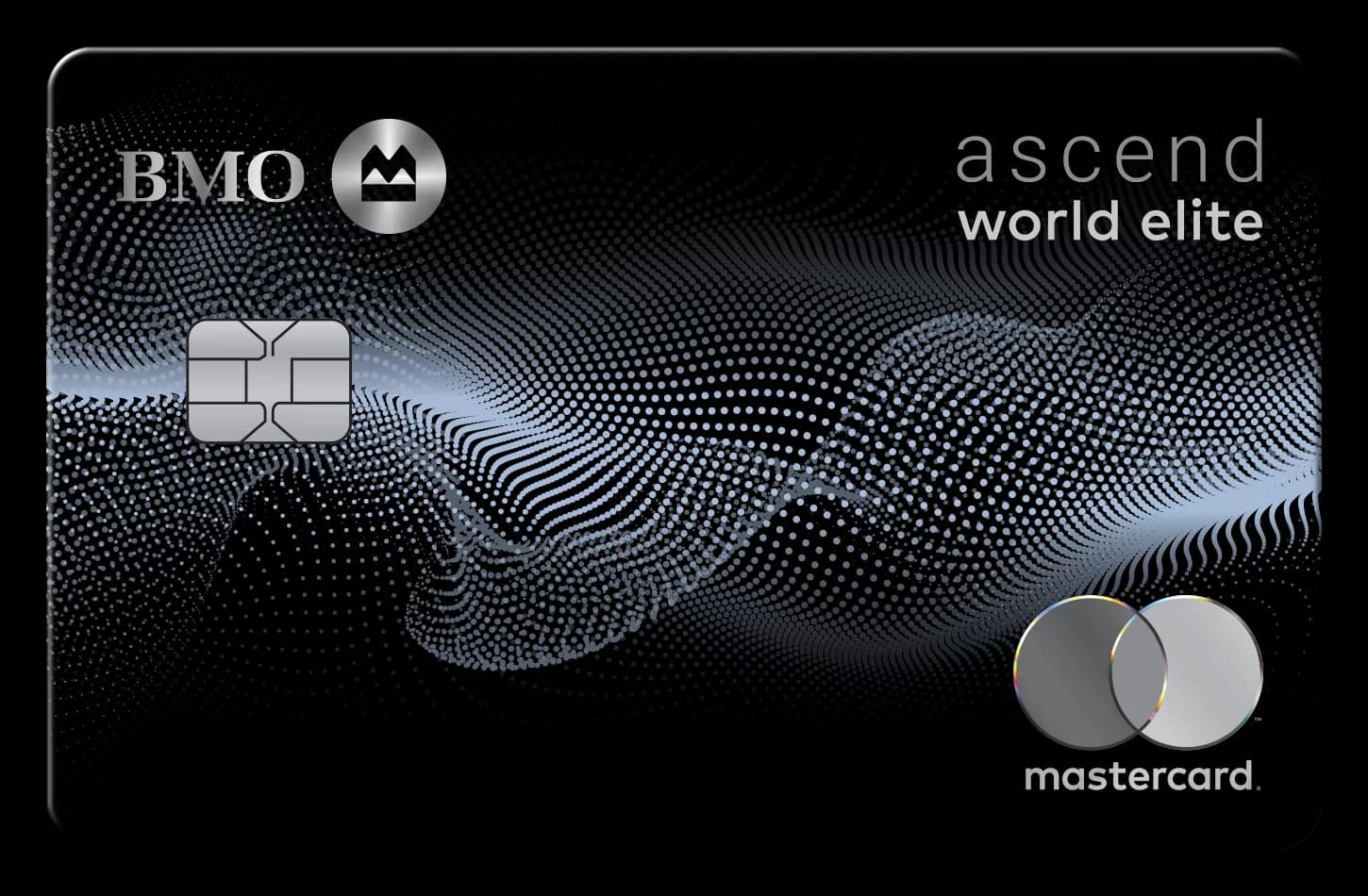
The BMO Ascend World Elite Mastercard offers a solid combination of travel insurance for a $150 annual fee. Its emergency medical coverage goes up to $5 million for 21 days.
It also offers 4 annual airport lounge accesses via DragonPass, a significant advantage for frequent travelers.
on BMO's website
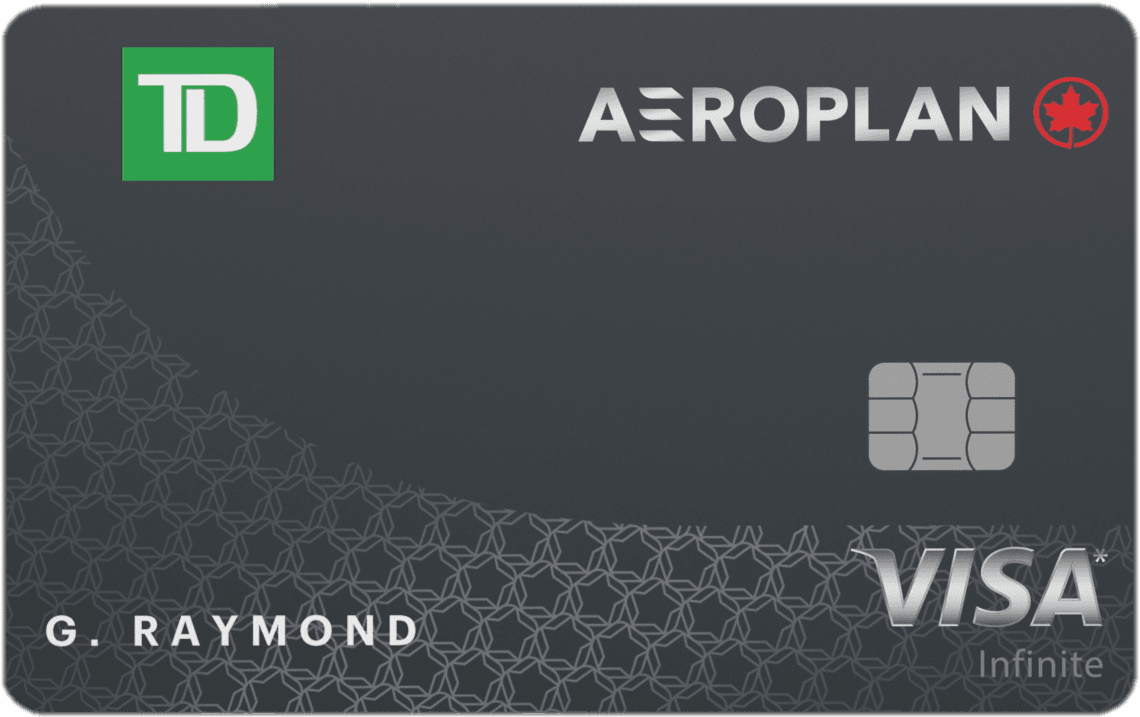
The TD® Aeroplan® Visa Infinite* Card positions itself as a versatile card for active travelers. Its emergency medical coverage goes up to $2 million for 21-day stays.
It stands out for its flexible rewards program: TD Rewards points can be used on any booked trip, without restrictions related to a specific airline network, or via the Expedia for TD portal. In addition, its trip cancellation and interruption insurance protections are comparable to those of other premium cards on the market.
on TD's website
The TD Aeroplan Visa Infinite Card is the go-to card for Air Canada and Aeroplan loyalists. Its emergency medical coverage reaches $2 million for 21 days, which is adequate for most travelers.
Travel insurance applies even when you pay for your tickets with Aeroplan points, and under certain conditions. Consult the details in our article on insurance with points payment.
on TD's website
The insurance included with travel credit cards represents real value, often underestimated. For similar annual fees (usually around $150), protections can vary considerably from one card to another.
If long-term medical coverage is your priority, the National Bank World Elite Mastercard is hard to beat with its 60 days of coverage. For frequent travelers, it offers the most consistent combination of duration, daily points accumulation, and protections. In contrast, if you are looking for the most comprehensive card, with all benefits combined, the American Express Platinum Card remains the benchmark, despite its higher fees.
In any case, insurance should not be the only criterion for choosing a travel credit card. Also consider accumulation rates, travel benefits, and your overall spending profile. To compare available options, consult our best credit cards page.
It depends on the card. Some require full payment of the ticket with the card, while others accept only a portion to be charged to the card. Always check your issuer’s certificate of insurance before you travel.
The answer varies depending on the card and program used. In many cases, paying entirely with points can invalidate insurance. However, some cards, such as the American Express Platinum Card or the TD Aeroplan Visa Infinite Card, maintain certain protections under conditions.
Most cards significantly reduce the duration of medical coverage or completely exclude cardholders aged 65 and over. In this case, separate travel insurance is usually necessary to supplement the protection.
First, contact the airline, as they have obligations to passengers. Often, they cover accommodation and meals. Keep all your receipts and written confirmation of the cancellation for a potential claim with your credit card insurance.
No. Cancellation insurance only covers specific reasons listed in the certificate (sudden illness, death in the family, unexpected job loss, etc.). To cancel for personal convenience, choose a flexible fare at the time of booking instead.
In most cases, yes. Credit card travel insurance generally covers the cardholder, their spouse, and dependent children during family trips. However, check the limits per person and per trip indicated in the certificate.
First, check the maximum duration covered by your card. If your stay exceeds this duration, you must either purchase an extension from your card’s insurer or supplement your protection with separate travel insurance. Without this step, you will no longer be covered beyond the indicated limit.
Contact the insurer named in your card’s certificate of insurance as soon as possible. The certificate sets out the claim procedure and the deadline to file. According to the Financial Consumer Agency of Canada (FCAC), this deadline usually ranges from 90 days to 12 months after the event. Keep your receipts, your medical reports, proof of payment with the card and any written confirmation from the airline. Also note the date of each call and the name of the person you spoke with.
First, file a complaint with the insurer through its internal complaint-handling process, and ask for its final position in writing. As of September 2026, if the insurer has not responded within 90 days, or if you are not satisfied with its final position, you can turn to the OmbudService for Life & Health Insurance (OLHI). This free and impartial service reviews complaints about travel insurance, among others. If the certificate names a property and casualty insurer instead, FCAC directs you to the General Insurance OmbudService (GIO). If you live in Quebec, FCAC directs you to the Autorité des marchés financiers. FCAC does not resolve individual complaints, but its guide walks you through each step.
on National Bank's website
Our reviews and rankings are based on an objective assessment. Advertisers do not influence our content. We may receive compensation through some links; our analysis and opinions remain independent.