CIBC Dividend Visa Infinite: Supplementary Card Fees Rise to $50

Loading article…
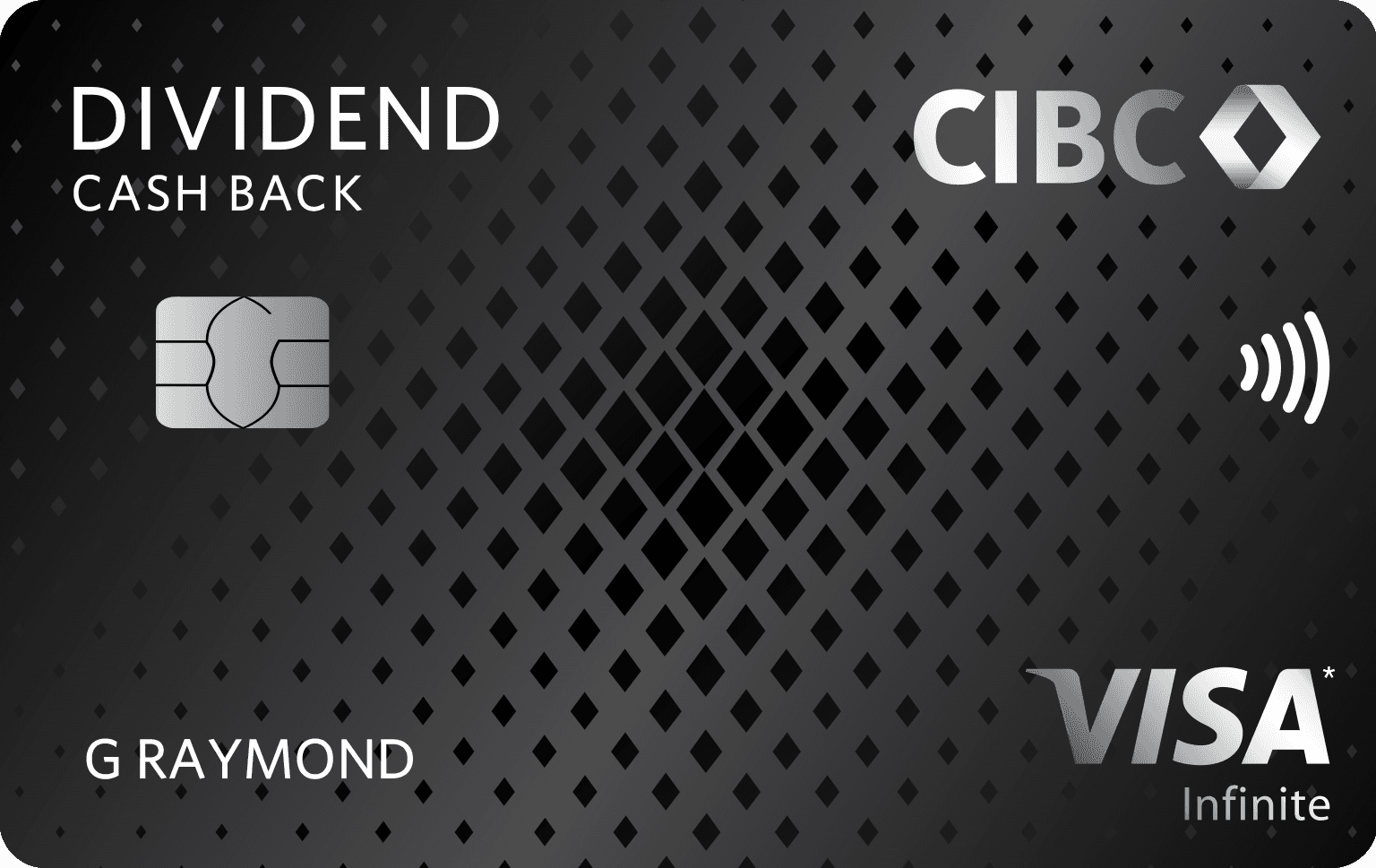
CIBC is raising the annual fee for each supplementary card on the CIBC Dividend® Visa Infinite* Card from $30 to $50, a 66% increase in effect since August 1, 2026. For a family sharing a card with a spouse and an adult child, the bill for additional cards goes from $60 to $100 per year at renewal. No press release accompanied this change: it came through the account change notice sent to cardholders.
CIBC documented this increase in its notice on upcoming changes to your CIBC credit card account, as well as in the updated cardholder agreement, in effect since August 1, 2026. This is a pricing grid update, not a public announcement.
This $50 fee is not unique to CIBC: it’s the standard amount at several major Canadian banks for a supplementary card, including RBC (Avion Visa Infinite Card) and Scotiabank (Momentum Visa Infinite+ Card). CIBC was previously behind this rate at $30; the increase brings it in line with the market rather than setting it apart.
The increase is proportional to the number of active supplementary cards on the account. Here’s the annual bill, before and after August 1, 2026:
| Supplementary cards | Before ($30/card) | After ($50/card) | Annual increase |
|---|---|---|---|
| 1 card | $30 | $50 | +$20 (+66%) |
| 2 cards | $60 | $100 | +$40 (+66%) |
| 3 cards (maximum) | $90 | $150 | +$60 (+66%) |
For a typical family, a spouse sharing the card and a child in post-secondary studies with their own supplementary card, that’s 2 additional cards. The bill goes from $60 to $100 per year, or $40 more at each renewal, on top of the primary cardholder’s $120 annual fee.
The card’s value varies depending on how the supplementary cards are used.
The CIBC Dividend® Visa Infinite* Card pays 4% cash back on groceries, gas and EV charging stations, 2% on transit, dining and recurring payments, and 1% on everything else, with no annual cap. On combined spending of $1,000 a month on groceries and gas, the 4% rate earns about $480 a year ($12,000 × 4%), regardless of which card on the account made the purchase. A family spending $1,500 a month in those categories instead earns about $720 a year ($18,000 × 4%). Either way, the increase in supplementary card fees ($20 to $60 a year depending on the number of cards) is marginal against the cash back earned.
The math is different for a supplementary card used mainly to track separate purchases rather than to earn cash back. In that case, the increase adds up with nothing to offset it.
on CIBC's website
To compare the CIBC Dividend Visa Infinite Card to another cash back card: Comparison: CIBC Dividend Visa Infinite Card vs Scotia Momentum Visa Infinite+ Card.
Since August 1, 2026. CIBC documented this change in the notice sent to cardholders and in the updated cardholder agreement, without a public press release.
$50 per card, per year, up to a maximum of 3 supplementary cards per account. Before August 1, 2026, this fee was $30 per card.
Yes, for a new account opened under the current welcome offer, first-year fees for supplementary cards are refunded, just like the primary cardholder’s. The increase is mostly felt at renewal.
No. The primary cardholder’s annual fee remains at $120. Only the supplementary card fees increased.
A maximum of 3 supplementary cards, a number unchanged by this pricing update.
Yes. Some no-annual-fee cards, like the Tangerine Money-Back World Mastercard, charge nothing for supplementary cards. They suit families who mainly want to give everyone their own card access, rather than maximize a high cash back rate.
on TD's website
Our reviews and rankings are based on an objective assessment. Advertisers do not influence our content. We may receive compensation through some links; our analysis and opinions remain independent.