

Japan: How to save on transportation in Japan?

Japan is a very popular destination, especially for a first trip that will take you a little out of your comfort zone. The arrival of direct flights between Montreal and Tokyo has only facilitated access(see milesopedia’s report on this flight).
A trip to Japan will be expensive, especially in terms of transportation. On the other hand, there are ways to save money by taking everything apart.
National and regional passes in Japan
Japan Rail Pass
Is it worth buying a Japan Rail Pass (JRP)?
This question arises very often. The answer is very simple: yes and no, depending on your ability to make it profitable, because it’s quite expensive!
Since October 2023, Japan Rail Pass prices have increased significantly:
| Duration | Old Standard Price (¥) | New Standard Price (¥) | Old Green Pass price (¥) | New Green Pass price (¥) | Increase |
|---|---|---|---|---|---|
| 7 days | 29 650 | 50 000 | 39 600 | 70 000 | 69% – 77% |
| 14 days | 47 250 | 80 000 | 64 120 | 110 000 | 69% – 72% |
| 21 days | 60 450 | 100 000 | 83 390 | 140 000 | 65% – 68% |

If you are planning to visit Japan in the near future, you can still take advantage of the current rates by purchasing your JR Passes before the price increase:
- JR Passes can be activated up to 3 months after the issue date.
- When you activate your pass in Japan, you can choose a start date up to 30 days in advance. This means you could potentially travel to Japan with the pass until the end of January, depending on when you order.
- When ordering, keep in mind the 3-month activation window, as well as the date on which you will exchange your voucher for the pass in Japan.
If you plan to activate the pass in Japan on December 20 (so it will be valid for the next 30 days), you should buy it on or after September 21.
Advantages of the Japan Rail Pass
The Japan Rail Pass has many advantages:
- valid throughout the country
- valid on Narita Express routes between Narita airport and Tokyo
- valid on Haruka Express or Kansai Airport Rapid routes between Kansai airport and Osaka
- flexibility (no need for tickets with reserved seats in unreserved carriages)
- possibility to book tickets with unlimited free seats
- ease of use (simply show it to the ticket inspector at the ticket office and on the train)
- very profitable over long distances
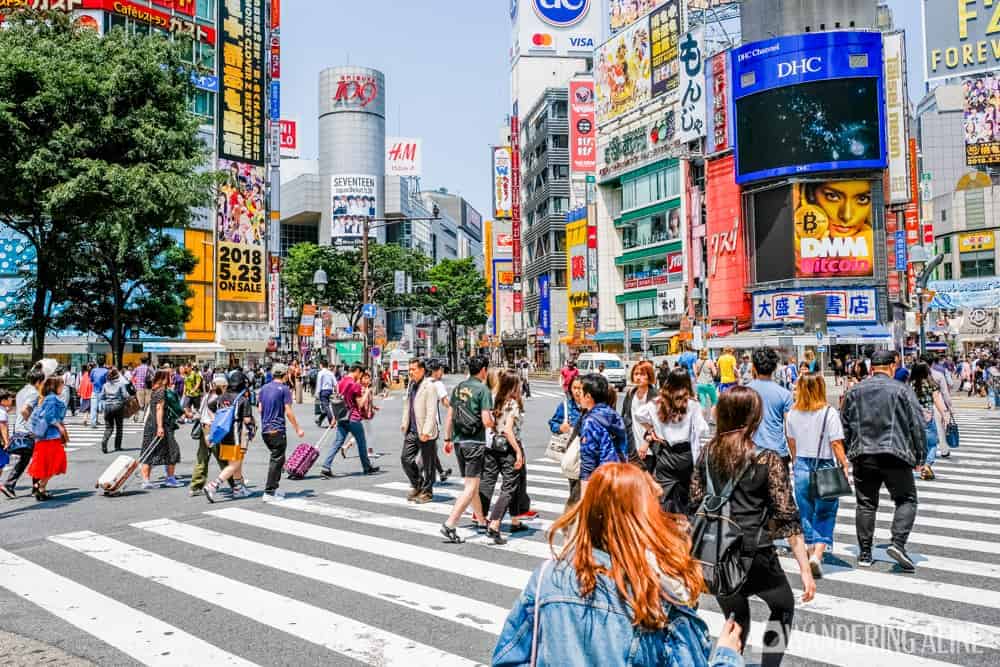
I advise you to draw up a rough itinerary and then calculate the cost of your trip. For example, the cost-effectiveness of the JRP is maximized with this fairly popular route:
| Day | Destination | Duration | Cost |
| 1 | Tokyo-Osaka | 174 min. | ¥ 13,870 |
| 2 | Osaka | – | – |
| 3 | Osaka-Kyoto | 13 min. | ¥ 1,440 |
| 4 | Kyoto | – | – |
| 5 | Kyoto-Hiroshima (et Himeji Castle) | 56 min. /59 min. | ¥ 4,840/¥ 7,910 |
| 6 | Hiroshima et Miyajima (Ferry) | 10 min. | ¥360 round trip |
| 7 | Hiroshima-Narita | 363 min. | ¥ 20,970 with 2 transfers |
| ¥49,390 |
If you buy the JRP at a cost of ¥50,000, you get a value of at least ¥49,390. So you’re even.
These prices are for unreserved seats which can be purchased as cheaper à la carte tickets. If you take reserved seats and use the JRP to travel to Osaka and Kyoto as well, you save more money.
On the other hand, in the case of a multi-city itinerary with a flight arriving in Tokyo and departing from Osaka, it’s best to take an à la carte long-distance ticket and combine it with local passes to save money.
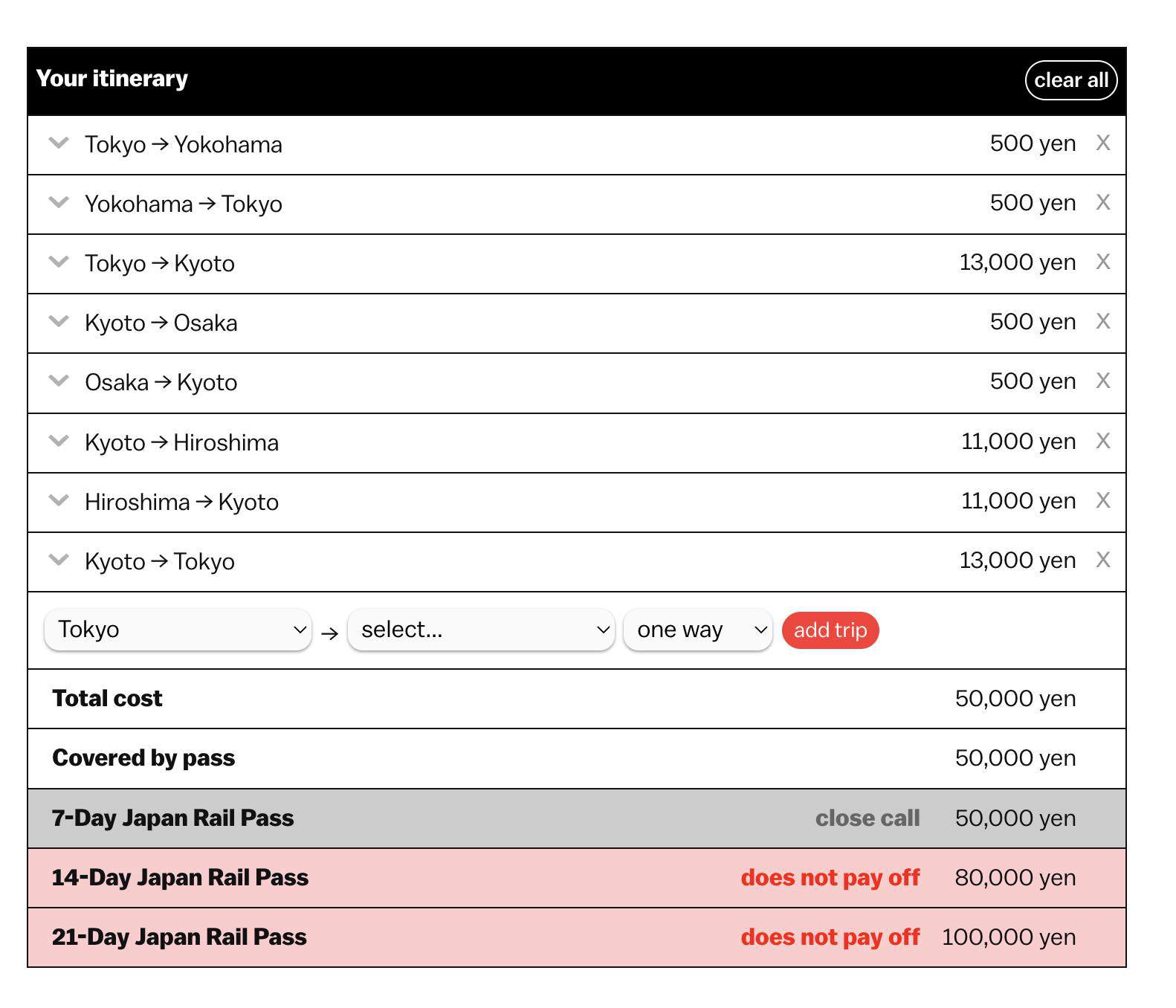
I recommend you do the same exercise regardless of the length of your trip, and determine whether long-distance journeys can be condensed into 7, 14 or 21 days.
A two-week trip to Japan may require only a 7-day pass instead of 14 days, depending on the routes you have planned.
An online calculator is available here.
Disadvantages of the Japan Rail Pass
Although it makes organizing a trip to Japan much easier, it is not without its drawbacks:
- must be used for consecutive days only
- must be purchased BEFORE arriving in Japan
- only valid on JR train and bus lines
- not valid on the faster Nozomi trains
- not cost-effective for local use
- it’s very easy to buy JR or non-JR à la carte tickets at stations
Some destinations are not served by a JR line, or rather, you can get there much more quickly and cheaply by metro.
The JR Regional Pass
Finalement, pour visiter certaines régions, il faut aussi considérer les JR Regional Pass. Je me rends habituellement sur ce site pour voir précisément quelle est la zone couverte par chaque passe.
En voici quelques-unes:
| JR Regional Pass | Zone | Durée | Coût |
|---|---|---|---|
| JR Kansai Pass | Osaka, Kyoto, Kobe, Himeji, Nara, Kansai Airport | 1 – 4 jours | ¥2,300 – ¥6,600 |
| JR Hokkaido Pass | Hokkaido, Sapporo | 3 – 4 jours (flexible) | ¥17,400 – ¥23,480 |
| JR West Sanyo San’in Pass | Osaka, Kyoto, Nara, Kansai Airport,Wakayama, Kobe, Himeji, Okayama, Kurashiki, Takamatsu, Hiroshima, Miyajima, Tottori, Matsue, Hakata (Fukuoka) | 7 jours | ¥19,400 |
| JR Central Takayama Hokuriku Pass | Hokuriku, Shirakawa-go, Takayama, Kanazawa | 5 jours | ¥14,260 |
| JR East-South Hokkaido Pass | Sapporo, Sendai, Miyagi, Yamanashi, Nagano, Niigata, Kanto | 6 jours (flexible) | ¥26,900 |
| JR Kyushu Pass | Kyushu | 3 ou 5 jours | ¥15,280 – ¥18,330 |
| JR Shikoku Pass | Shikoku | 3 – 7 jours | ¥9,000 – ¥13,000 |
The best sites to calculate the cost of your trips
Here are the three websites I use to calculate the price of my trips to Japan:
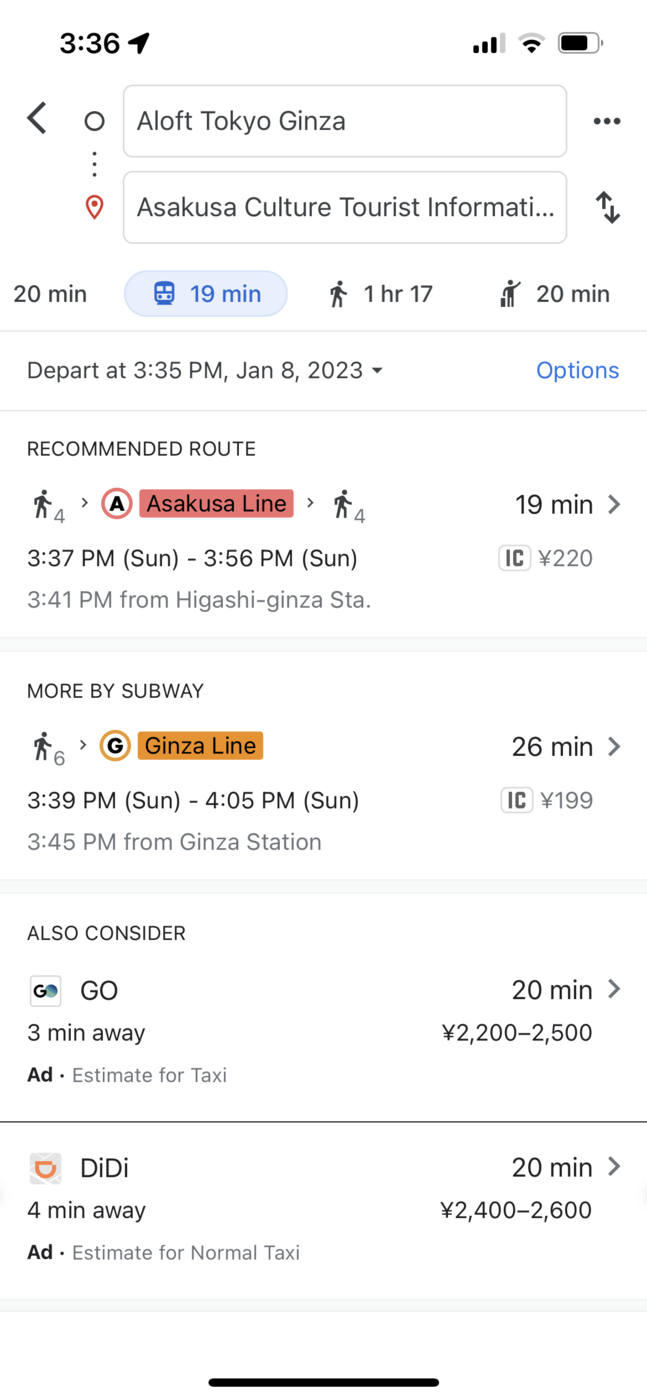
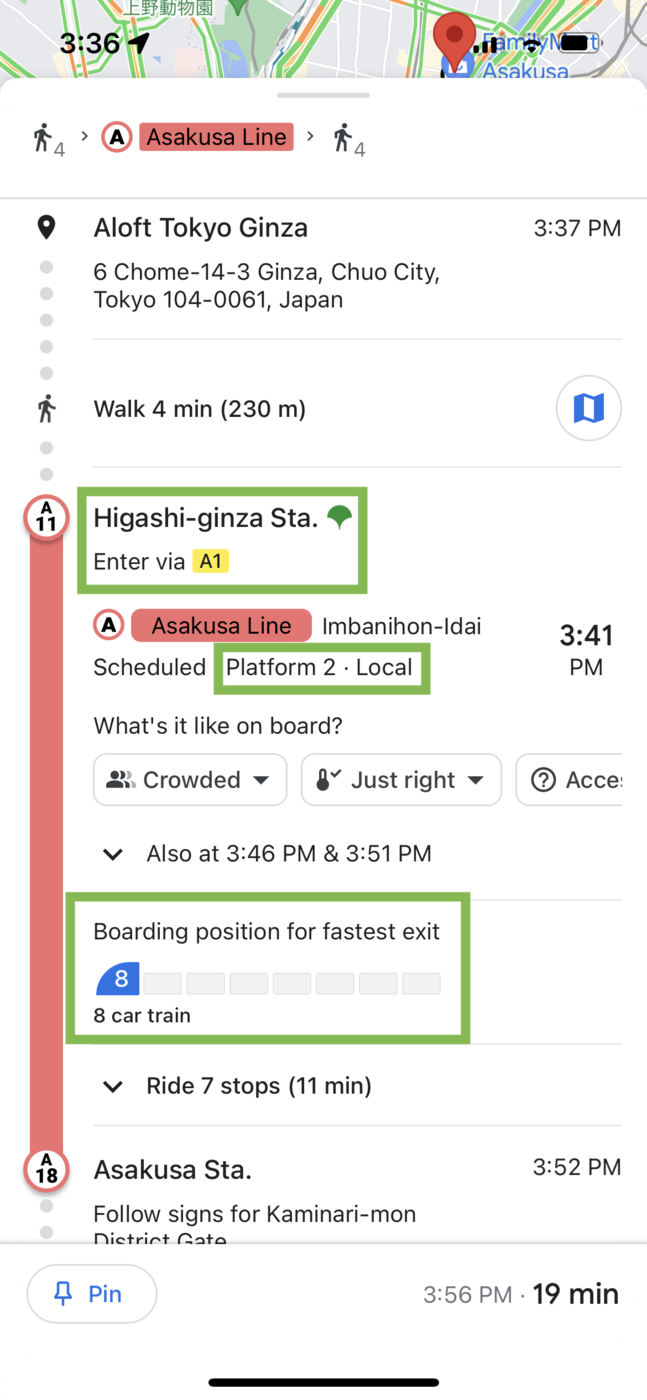
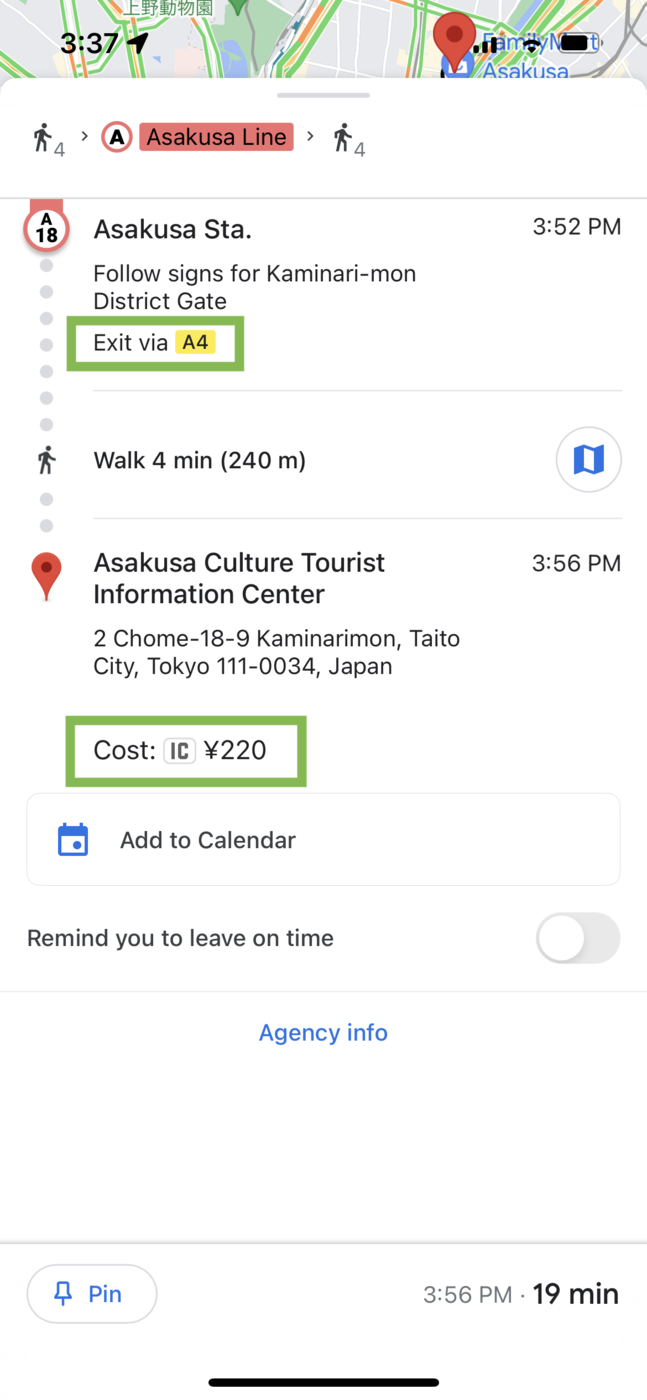
Google Maps will display all available routes, along with the cost, the platform number, the car to take to get out faster and the exit to take to get to your destination! Convenient to get around when the station is huge.
Websites to purchase a JRP or regional passes
Several sites let you buy a JRP. The one we recommend is JRPass.com.
Don’t forget to pay with a credit card with no foreign transaction fees! This saves you 2.5% on the transaction.
La dépense étant catégorisée comme voyage, j’ai même pu utiliser des points-voyages pour couvrir les frais !


- Annual fee
- $150
- Our valuation
- $350Milesopedia first-year estimate First-year valueWelcome bonus$350Total$350Rewards on your spending are not included. The calculator that adds them from your own profile is on the card's page.
- Milesopedia first-year estimateFirst-year valueWelcome bonus$350Total$350Rewards on your spending are not included. The calculator that adds them from your own profile is on the card's page.
- Welcome offer
- Up to 35,000 points
- Ends Nov 1, 2026
on Scotiabank's website
Day passes in Japanese cities
A trip to Osaka or Tokyo? I hope you won’t go to Japan just to spend a few days in Tokyo! However, it’s an excellent strategy to combine these daily passes with JRP.
For example, for a 10-day trip:
- pay for transportation from the airport to Tokyo à la carte (¥1050; see below for details)
- 3 days in Tokyo (3 days Pass ¥1,500)
- 7 days touring the rest of Japan (JRP ¥50,000)
In this situation, the total cost of transport is ¥52.550, instead of buying the 14-day JRP of ¥80.00 to cover the whole trip. A saving of ¥27,450 or $255 CAD!
There’s a whole range of them, but I’m going to talk about the most useful passes.
Tokyo Area
Tokyo Metro Pass
Most of Tokyo ‘s tourist attractions are served by the subway, so I recommend the Tokyo Metro Pass, which includes the Tokyo Metro and Toei lines.
It is valid for a number of hours, not days. The expiry date and time will be printed on the back of the ticket after the first use:
- ¥800 (24h)
- ¥1,200 (48h)
- ¥1,500 (72h)
Example of use for sightseeing to monetize a 48-hour Tokyo Metro pass (value ¥1,200):
| Day 1 | Metro Line | Attractions | Cost of a one-way ticket |
|---|---|---|---|
| Asakusa to Higashi Ginza | Asakusa Line | Kabuki Theater, Ginza window shopping | ¥220.00 |
| Higashi Ginza to Tsukijishijo | (walking) | Tsukiji Fish Market | |
| Tsukijishijo to Ryogoku | Oedo Line | Edo Tokyo Museum, Sumo Museum | ¥220.00 |
| Ryogoku to Kasuga | Oedo Line | Tokyo Dome City | ¥220.00 |
| Kasuga to Tochomae | Oedo Line | Metropolitan Government Building Observatory | ¥220.00 |
| Tochomae to Shinjuki | (walking) | Shopping, Kabuki-cho | |
| Shinjuku to Roppongi | Oedo Line | Roppongi Hills, Bars & Clubs, Mori Museum | ¥220.00 |
| Roppongi to Asakusa | Oedo & Asakusa Line | ¥280.00 | |
| Subtotal | ¥1,380.00 |
| Day 2 | Metro Line | Attractions | Cost of a one-way ticket |
|---|---|---|---|
| Asakusa to Shibuya | Ginza line | Shibuya crossing, Shopping | ¥250.00 |
| Shibuya to Meiji-jingumae | Fukutoshin Line | Harajuku, Takeshita street, Omotesando, Meiji Shrine | ¥170.00 |
| Omotesando to Akabanebashi | Hanzomon & Oedo Line | Tokyo Tower | ¥280.00 |
| Onarimon to Akihabara | Mita & Hibiya Line | Akihabara | ¥280.00 |
| Akihabara to Ueno | Hibiya Line | Ueno zoo | ¥170.00 |
| Ueno to Asakusa | Oedo Line | ¥170.00 | |
| Subtotal | ¥1,320.00 | ||
| Total | ¥2,700.00 |
Tokyo Free Kippu One-day Pass
The Tokyo Free Kippu One-day Pass is valid on all Tokyo Metro lines and JR lines within Tokyo‘s 23 districts.
Cost: ¥1,600
Tokyo Metropolitan District Pass (Tokunai Pass)
The Tokyo Metropolitan District Pass (Tokunai Pass) is valid on all JR lines within Tokyo‘s 23 districts.
Cost: ¥760
Yurikamome One-day Pass
The Yurikamome One-day Pass is valid only on the Yurikamome line.
Odaiba is only accessible by this line, and since it’s a private company, one-way tickets can be expensive (¥400) when booked à la carte.
Cost: ¥820
Tokyu Line Minatomirai Ticket
The Tokyu Line Minatomirai Ticket is valid on Minatomirai trains as well as several stations between Tokyo and Yokohama.
Cost: ¥630 – ¥1100 (price depends on departure and arrival stations)

Odakyu Railway Hakone Freepass
The Odakyu Railway Hakone Freepass lets you visit the Hakone area from Tokyo.
Cost: ¥5,700 (2 days), ¥6,100 (3 days)
Mt Fuji Pass
The Mt Fuji Pass lets you visit the area of Mt Fuji and Fuji Five Lakes from Tokyo.
Cost: ¥5,500 (1 day), ¥8,000 (2 days), ¥10,000 (3 days)
Nikko Pass
The Nikko Pass allows you to visit the Nikko region from Tokyo; there are two variants, depending on the extent of the region you wish to visit.
There is a supplement to pay separately from the pass to use the limited express trains, which make fewer stops between Tokyo and Nikko.
Cost:
- World Heritage Area Pass ¥2000 (2 days),
- All Area Pass ¥4,500 (4 days),
- Limited express free ~¥1,200 one-way.
| Credit card | Annual fee | Welcome offer | |
|---|---|---|---|
| $399 |

Osaka and Kyoto Area
Kansai Thru Pass
The Kansai Thru Pass is valid for the entire region and allows you to visit Osaka, Kyoto, Nara, Kobe, Wakayama, Koyasan, Himeji for 2 or 3 days which can be non-consecutive.
Also valid on the KIX and ITM airport connections.
Cost:
- ¥4,400 (2 days)
- ¥5,500 (3 days)
Hankyu Tourist Pass
The Hankyu Tourist Pass is valid on all Hankyu Railways lines, allowing you to visit Osaka, Kobe and Kyoto for 1 or 2 days, which may be non-consecutive.
Cost:
- ¥700 (1 day)
- ¥1,200 (2 days)
Kyoto Subway & Bus Pass
The Kyoto Subway & Bus Pass: you need to take a bus to get to the majority of the tourist sites.
Cost:
- ¥900 (1 day),
- ¥1,700 (2 days)
- or ¥600 for bus pass only
- Annual fee
- $150
- Our valuation
- $350Milesopedia first-year estimate First-year valueWelcome bonus$350Total$350Rewards on your spending are not included. The calculator that adds them from your own profile is on the card's page.
- Milesopedia first-year estimateFirst-year valueWelcome bonus$350Total$350Rewards on your spending are not included. The calculator that adds them from your own profile is on the card's page.
- Welcome offer
- Up to 35,000 points
- Ends Nov 1, 2026
on Scotiabank's website
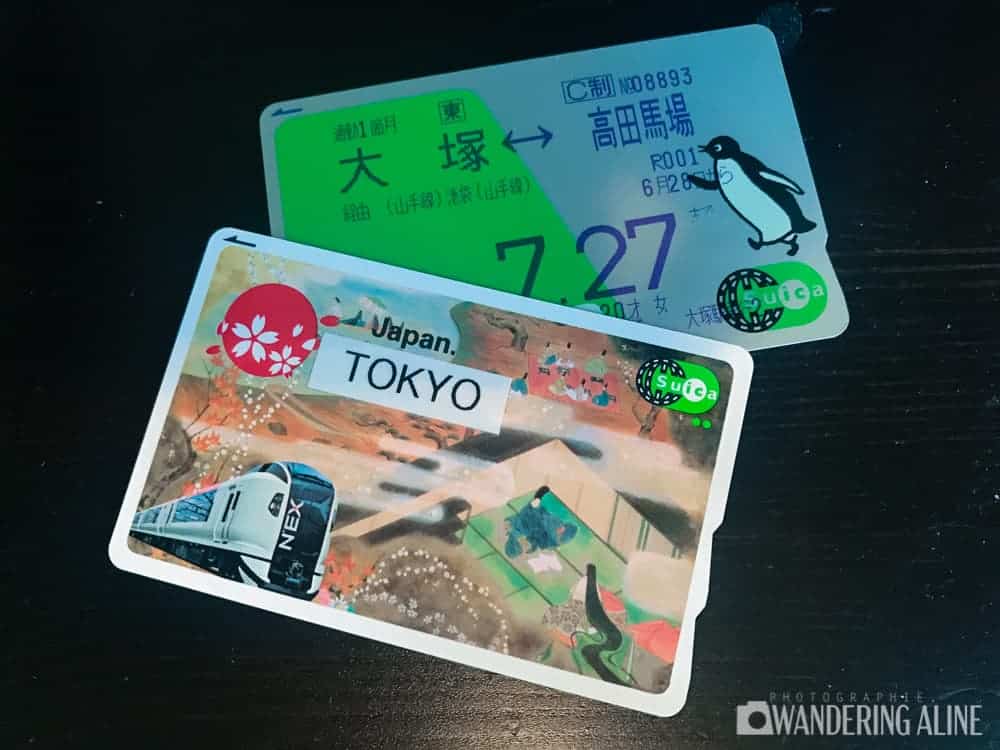
Payment cards (IC Cards)
In Japan, there are a number of cards that make it easy to pay for your short trips (one-off journeys).
Having lived in Tokyo, you’ll understand that I didn’t visit 3-4 tourist sites in the same day! I used an IC Card daily as a local, but I was always calculating whether I should buy a day pass or just go à la carte.
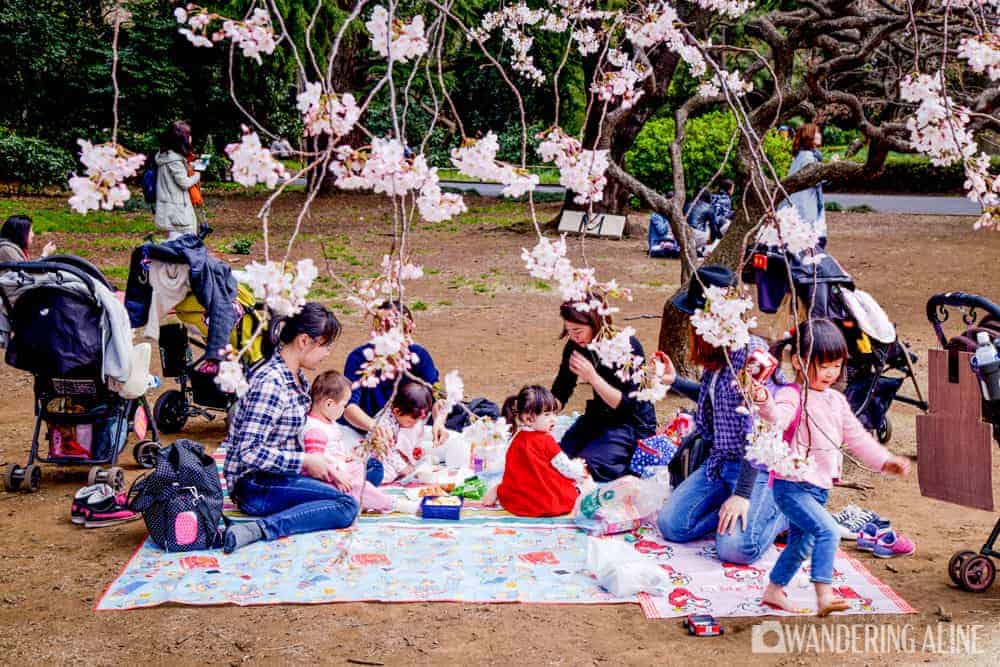
For example, if the only activity was to go picnicking under the sakura trees and spend the day with friends at Shinjuku Gyoen Park, I’d get out my IC Card to go there.
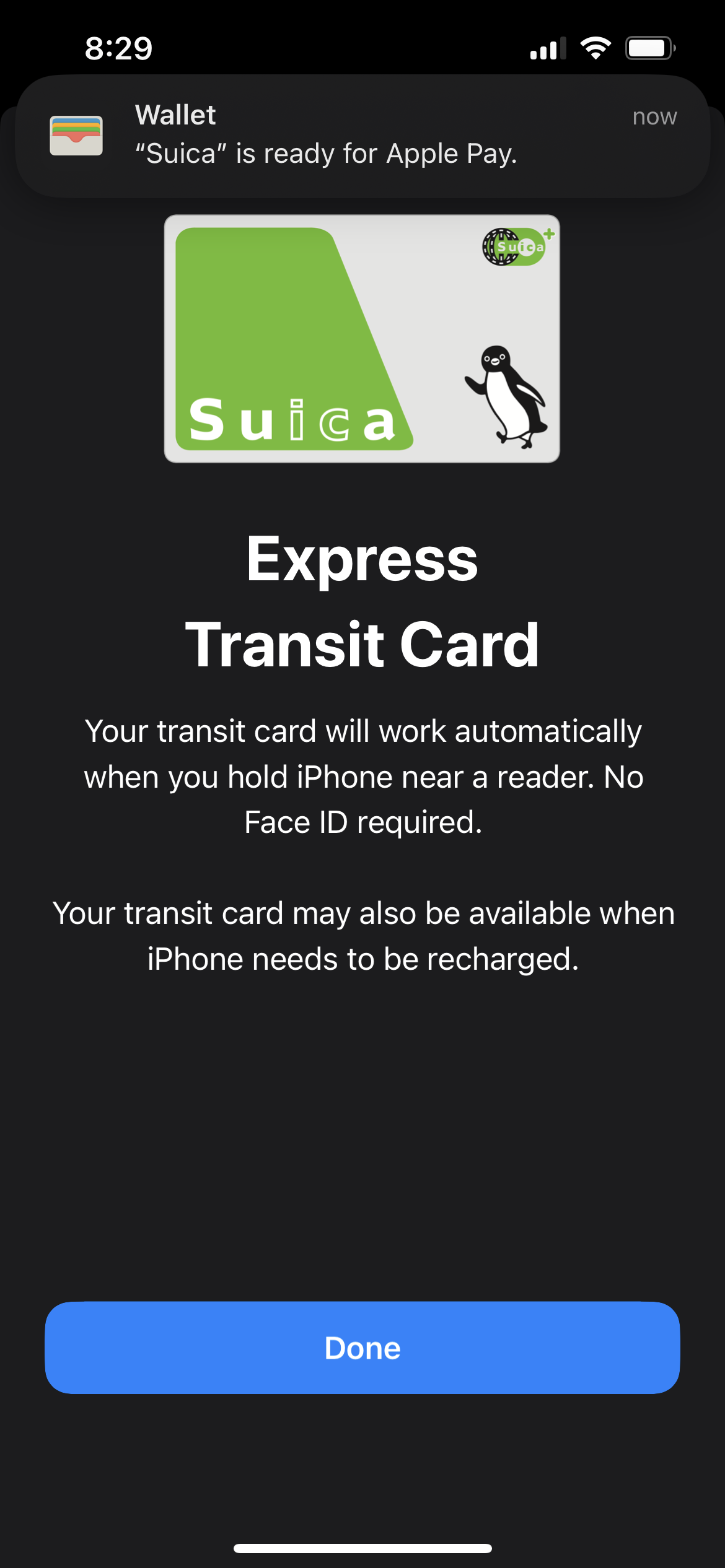
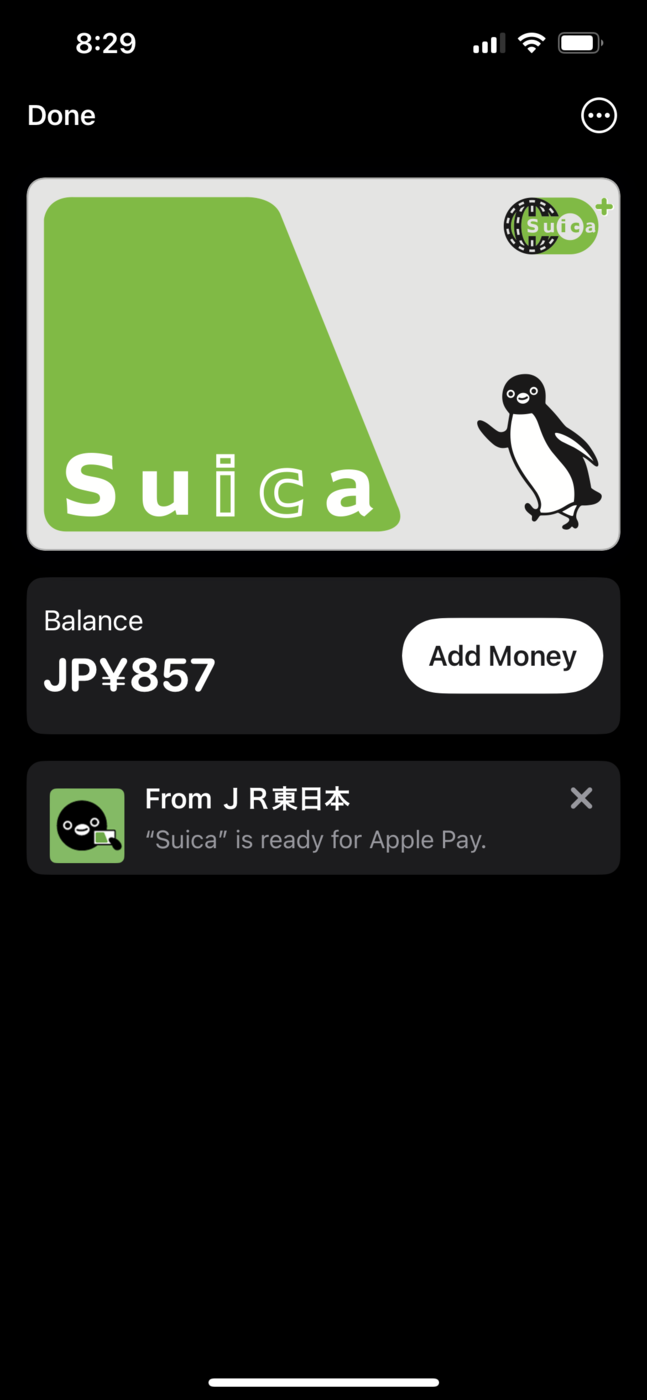
What you need to know about the IC Card :
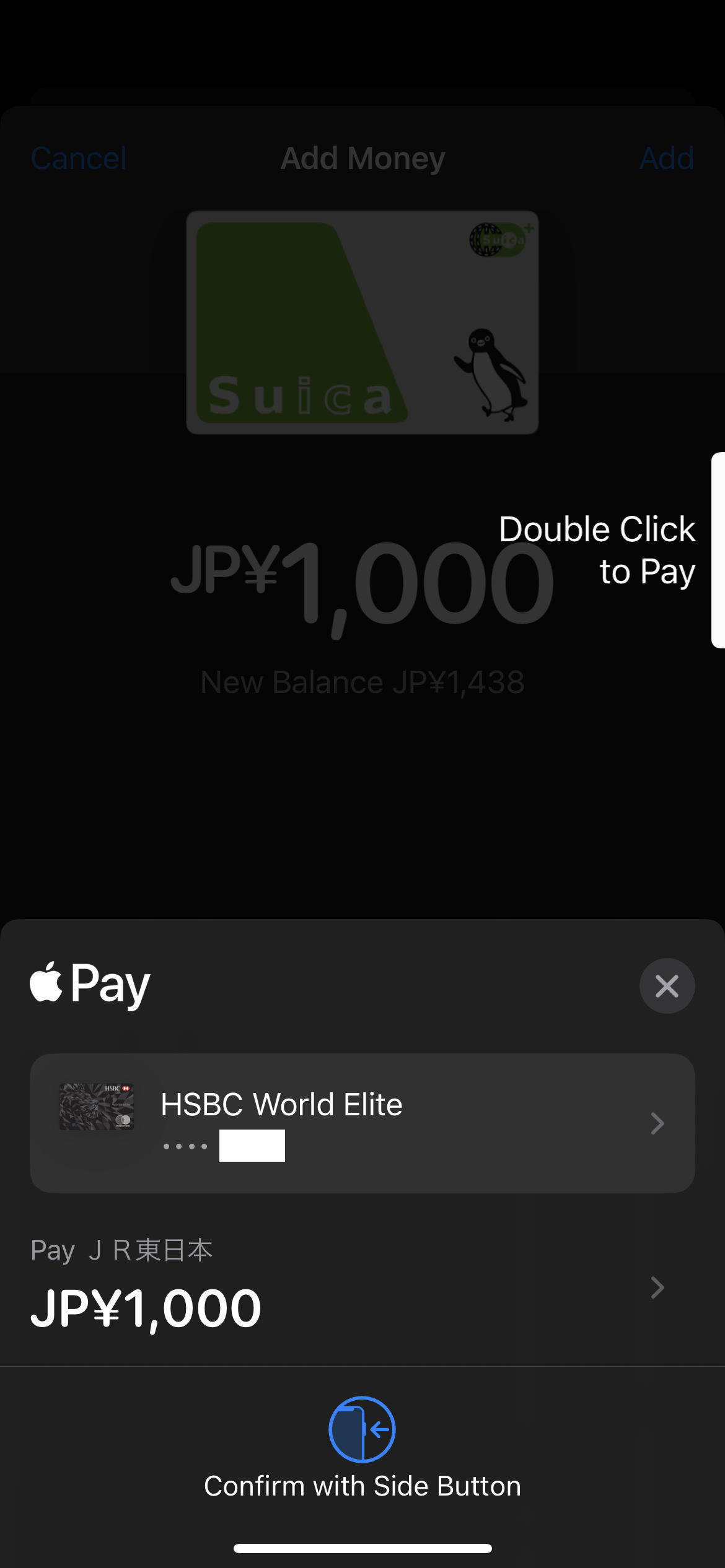
- It can be reloaded, in cash, at any station.
- It is available on Apple Pay as well as Google Pay and reloadable by credit card. Remember to use your Scotiabank Passport™ Visa Infinite +* Card to avoid currency conversion fees!
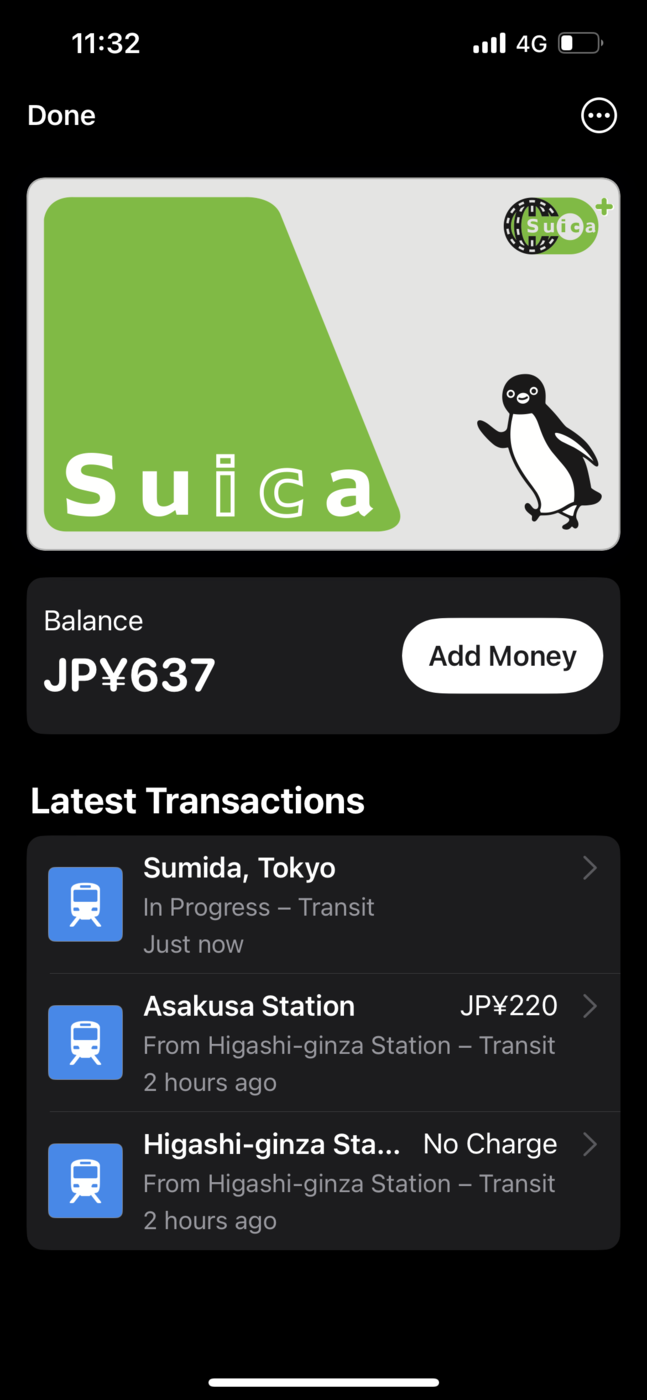
- Swipe your card or phone over the reader as you enter and exit a station (or bus).
- Since prices for one-way trips are based on the distance travelled, the exact amount will be deducted from your card.
- This saves you from having to look up the price to pay for a ticket; sometimes, on a board just in Japanese!
- There are sometimes discounts on certain routes and companies when you pay with one of these cards.
- It can be used in vending machines, convenience stores, most restaurant chains, some retail outlets, etc.
- One per person is required.
- Expiration of physical card: 10 years (so you can keep it for your next visit to Japan!)
| Credit card | Annual fee | Welcome offer | |
|---|---|---|---|
| $150 |

Transportation to/from Japanese airports
Narita (NRT) to Tokyo
The Narita Express is the fastest and most comfortable way to get to Tokyo from Narita Airport (NRT). However, there are ways to save on this trip if you’re prepared to make transfers.
|
Time to Tokyo (main stations) | Cost | Frequency | |
| NEX (Narita Express) | 60 – 75 min. |
¥3,070 or ¥4,070 return (if the return is within 14 days) | 30-60 min. |
| Keisei Sky Liner |
45 min. then a transfer to Nippori | ¥2,200 | 20-40 min. |
| Keisei Limited Express |
75 min. then a transfer to Nippori | ¥1,050 | 20 min. |
| Keisei Narita Sky Access | 60 min. | ¥1,200 | 20 -40 min. |
| JR Sobu Line | 90 min. | ¥1,340 | 60 min. |
|
Limousine Bus goes to several hotels as well | 100 min. | ¥2,800 or ¥4,500 return | 15-20 min. |
| Airport Bus TYO-NRT | 90 min. | ¥1,050 by day or ¥2,100 by night | fairly frequent |
Haneda (HND) to Tokyo
Although there are direct flights between Montreal and Tokyo Narita, Haneda International Airport (served from Toronto) is much closer to the city.
|
Time to Tokyo (main stations) | Cost | Frequency | |
| Tokyo Monorail | 30 min. | ¥660 | fairly frequent |
| Keykyu Railways | 35 min. | ¥470 | fairly frequent |
| Limousine bus | 40-55 min. | ¥1,000 | 30 -60 min. |
Haneda (HND) to Narita (NRT)
Do you have an unavoidable airport transfer to make?
| Duration | Cost | Frequency | |
|---|---|---|---|
| Keikyu Airport Line | 90 min. | ¥176 0 | 40 min. |
| Limousine bus | 65-90 min. | ¥3200 | 15-20 min. |
Kansai (KIX) to Osaka
Do you have an unavoidable airport transfer to make?
| Duration | Cost | Frequency | |
|
JR Haruka goes to Kyoto | 50-75 min. |
¥2,380 – ¥3,000 (covered by JRP) | 30 min. |
| JR Airport Rapid | 70 min. |
¥1,210 (covered by JRP) | 20-30 min. |
| Nankai Express | 90 min. | ¥93 0 | 15 min. |
| Nankai Rapid | 35 min. | ¥145 0 | 30 min. |
|
Limousine bus to several hotels in Osaka or Kyoto | 45-100 min. | ¥1,100 – ¥2 600 | fairly frequent |
Itami (ITM) to Osaka
Do you have an unavoidable airport transfer to make?
| Duration | Cost | Frequency | |
|---|---|---|---|
| Bus | 25 min. | ¥500 – ¥640 | fairly frequent |
| Osaka Monorail + Hankyu Line | 20-25 min. | ¥420 | fairly frequent |
How to choose your transport to/from the airport?
How do you choose THE best way (efficiency, cost, comfort, etc.) to get from the airport to the city?
This will depend on your final destination and the number of transfers you are prepared to make. The final cost of the journey also depends on the location of your hotel.
In short, if you’re willing to take out the calculator, the savings can be considerable. Japan has put a multitude of deals at our disposal, so it’s up to us to take advantage of them!
ありがとう! Arigatou!
Bottom Line
Please know that all prices for this article are approximate. I’ve tried to find the most accurate prices possible, but they are subject to change. However, the order of magnitude of the prices is correct.
Other tips and tricks about transportation in Japan :
- long journeys on board Shinkansen trains can be paid by credit card.
- it’s impolite to talk on the phone in train and subway cars.
- pay attention to cars that are solely reserved for women during peak hours (indicated on the platform floor and on the doors)
- there’s always someone who speaks English at major train stations and tourist attractions
If you want to follow my adventures on Instagram, my account is @wanderingaline!
Our featured card
- Annual fee
- $150
- Our valuation
- $350Milesopedia first-year estimate First-year valueWelcome bonus$350Total$350Rewards on your spending are not included. The calculator that adds them from your own profile is on the card's page.
- Milesopedia first-year estimateFirst-year valueWelcome bonus$350Total$350Rewards on your spending are not included. The calculator that adds them from your own profile is on the card's page.
- Welcome offer
- Up to 35,000 points
- Ends Nov 1, 2026
on Scotiabank's website
Our editorial integrity
Our reviews and rankings are based on an objective assessment. Advertisers do not influence our content. We may receive compensation through some links; our analysis and opinions remain independent.