

Turkey: Discovering Turkish cuisine
- Gourmet

Turkish cuisine
Turkey is a rich country, both in its culture and in its many dishes. To make an inventory of all the food that Turkey offers would be …excessive. So here is an overview of the most popular—and let’s be honest, favourite—dishes among both “tourists” and locals.
And to stay overnight, read our review of the JW Marriott Hotel Ankara.
Turkish lunch
Turks strongly prefer savoury breakfasts. You will find on the menu:
- cheese
- olives
- tomatoes
- cucumbers
- sometimes soup
- scrambled eggs (mixed with sausages)
The Turkish lunch, contains two specialties that are particularly recommended, the Böreksand the Kaymak.
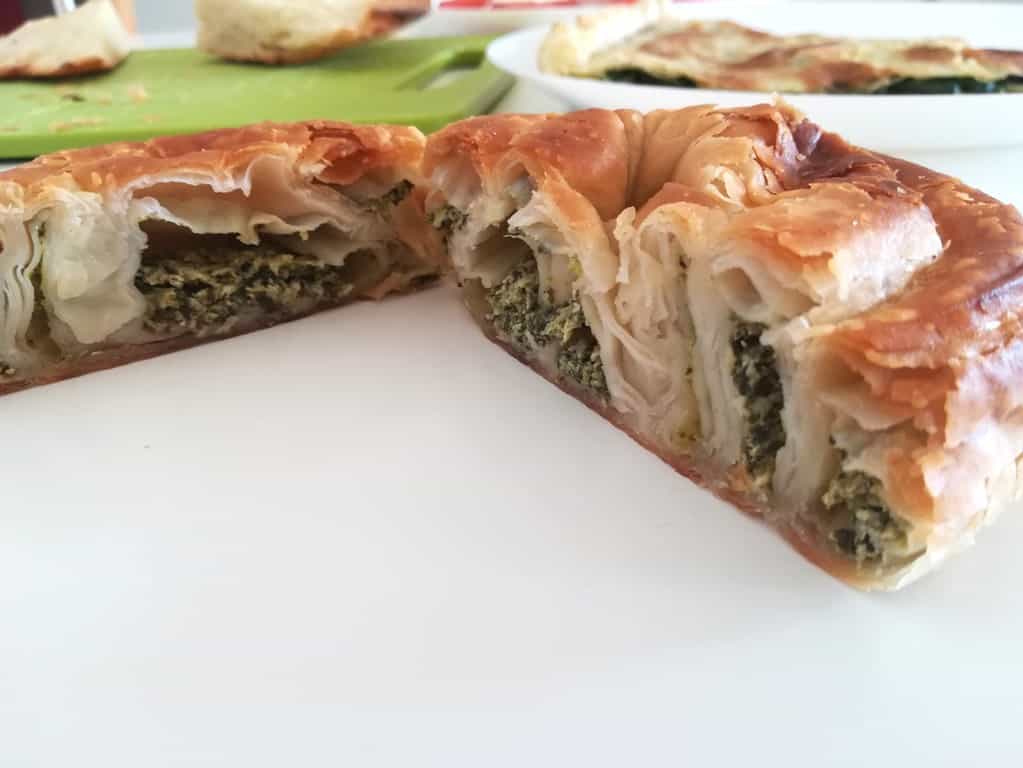
Let’s start with the most famous of the two, the Börek. Made with phyllo pastry and filled with spinach and cheese, it is eaten for breakfast, but also at any time of day.
The most popular is, of course, the spinach one, but there are many flavours—for example, with meat or potatoes. It can be eaten hot or cold. There are many versions of Börekthroughout Asia and the Middle East, but there is no real equivalent in North American cuisine.
Now let’s talk about Kaymak! This is my favorite part of the Turkish lunch. Why? Well, as a good North American, I love sweet things in the morning, which the Kaymakoffers me.
It is made of creamy goat’s milk* mixed with honey; it is eaten right out of the bowl, dipping our bread to get the full flavor.
*The traditional method consists of boiling goat’s milk (or any other animal milk) and then letting it simmer for two hours over very low heat. Once the heat source is turned off, the cream that has formed is removed, allowed to cool and ferment slightly for several hours or even days.
kaymakcontains a high percentage of fat, generally around 60%. It has a thick, creamy consistency (not entirely compact due to the milk protein fibers) and a rich taste.
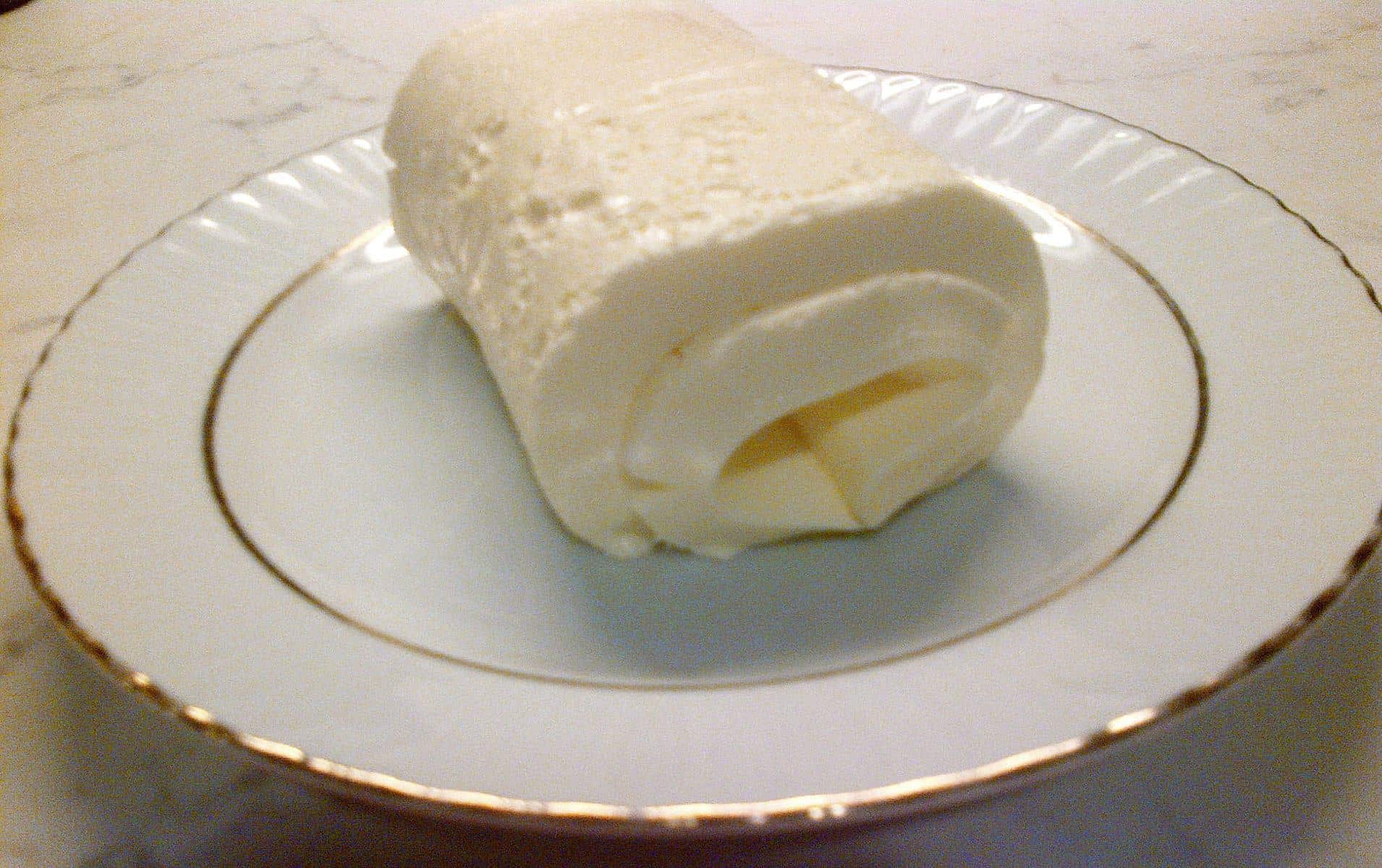
Kaymakis easy to find in stores in Turkey, but most Turks make it themselves at home. I tried to find some here in Montreal. No way.
I do not have any restaurant suggestions for breakfast, since in most hotels in Turkey, breakfast is included (except perhaps in the major chains, which usually do not offer this service).
Street food
This way of getting food is ubiquitous in Turkey and especially in Istanbul. Very useful for a quick snack or a meal, as you can find just about everything there.
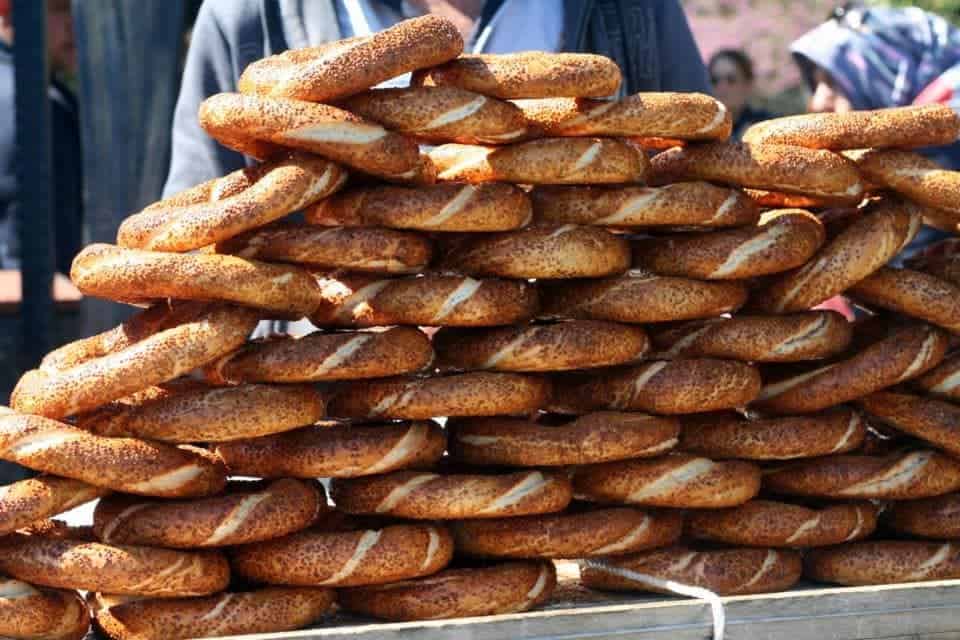
Let’s start with the one you can buy on every street corner in Istanbul—and in every Turkish city—Simit! Simit is the Turkish version of the traditional Montreal bagel, but with a more pronounced ring and a crisp texture.
From the bread family. It is served plain and topped with sesame seeds. To eat when we are hungry, the Simitbecomes the perfect companion. If you prefer a softer SimitIf you prefer a softer one, I advise you to make a detour in the bakeries.
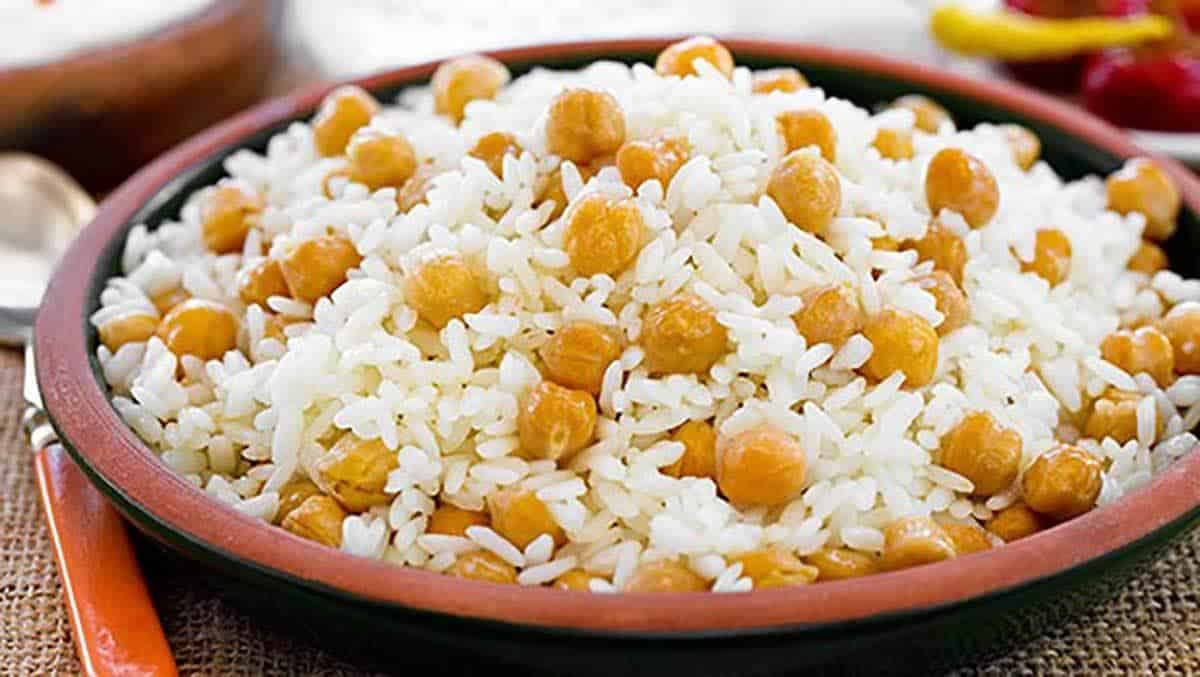
Let’s stay with street food with nohut-pilav (rice with chickpeas).
This rice is offered in steam carts late in the evening. Much loved by partygoers after leaving the bars, nohut-pilav is simple rice sprinkled with chickpeas and sometimes chicken as well. You will of course also find this dish in restaurants, as a side with almost every meal.
Let’s go now, with the Balık Ekmeka sandwich for fish lovers: fried or grilled fish fillet, served on Turkish bread, with various vegetables.
Until very recently, you could find this sandwich in Eminönü, where it was prepared right on the boat. However, Istanbul authorities put an end to this practice last November. This sandwich is generally accompanied by a meal-in-a-drink with the lovely name Tursu Suyu.
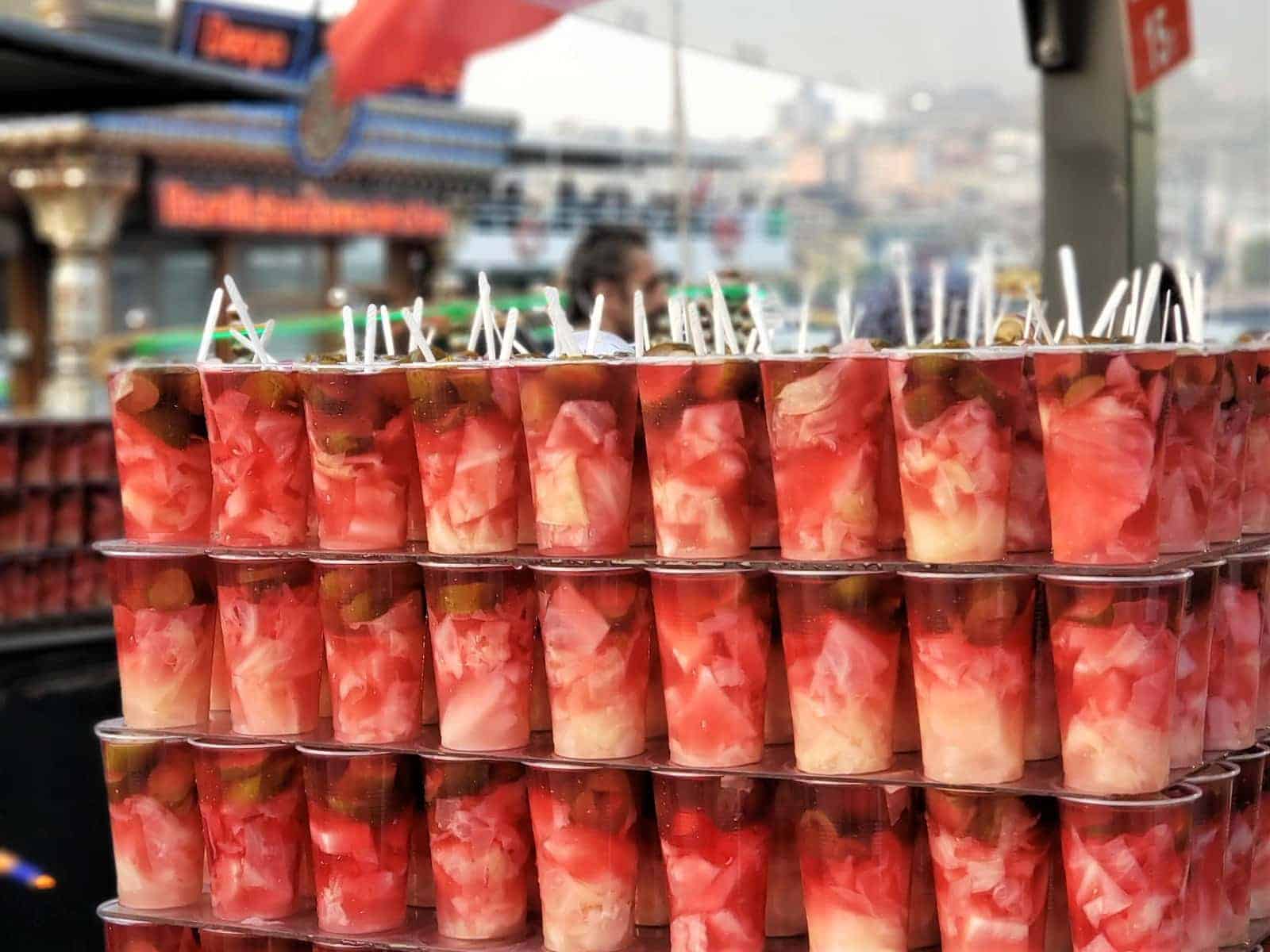
Made from pickled vegetables such as beets, carrots, cabbage, onions, cucumbers, peppers, as well as garlic and, finally, brine, this drink—so they say—is very healthy.
PS: Since I am not a fan of anything that comes out of the water, this meal was suggested by my Turkish friends.
The classics of Turkish cuisine and my addresses
Mercimek Çorbası
Turkish cuisine is full of varied dishes, with flavours that are all different from one another, yet with simple recipes that you could make yourself at home.
To start a good Turkish meal, you should begin with a classic: red lentil soup. A very simple soup, made with red lentils of course, but well seasoned with onion, spices, and a touch of paprika. This soup is offered in 90% of Turkish restaurants, so you will not be able to miss the chance to try it.
Dolma
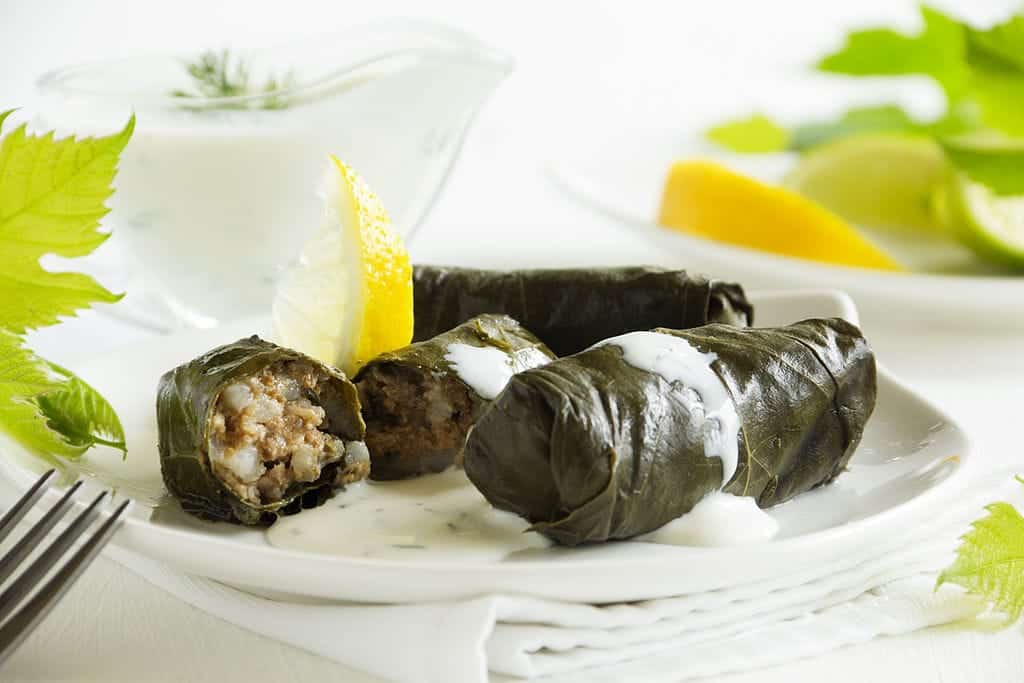
If you are not a soup person, an appetizer that will undoubtedly make you happy is Dolma.
This meze is often made from stuffed vine leaves—indeed, Dolma in Turkish means “stuffed”—with rice, parsley, raisins, among other ingredients. It is eaten cold, but if meat is added, it is served hot.
The « Kebap
Another classic of Turkish cuisine—and known worldwide—is “Kebap”.
This grill, cooked on a spit, is offered in different ways. Two versions stand out from the others: “Döner Kebap and Dürüm Kebap” and “Adana Kebap”.
The « Döner Kebap
“Döner Kebap” is served in Turkish bread (round in shape), while “Dürüm Kebap” is served in a pita-style bread.
Note that the word “Dürüm” refers to the bread, so you can find “Dürüm” in other meals as well, such as “Dürüm kokoreç”.
Kebap is to Turkey what poutine is to Quebec. It is very rare to come across a restaurant that does not offer good kebap, but I will still share my recommendations below.
In the Beyoğlu neighbourhood, you will find many “Kebap” restaurants. Some stand out, including the Antepli Hasan Usta Dürüm Evi. It is at this place, that you will discover one of the best in Beyoğlu and at a more than reasonable price.
Şeyhmuz Kebap Salonu Mollafenari, Atik Alipaşa Medresesi Sokak 4/A, 34120 Fatih/İstanbul, Turquie
I also recommend a restaurant located in the very touristy neighbourhood of Sultanahmet. Şeyhmuz Kebap Salonu is a “Kurdish” restaurant—from the city of Mardin—and is located very close to the Grand Bazaar.
A great opportunity to kill two birds with one stone by visiting the Grand Bazaar and enjoying one of the best kebap in the area.
The Adana Kebap
Let’s continue now with the » Adana Kebap « .
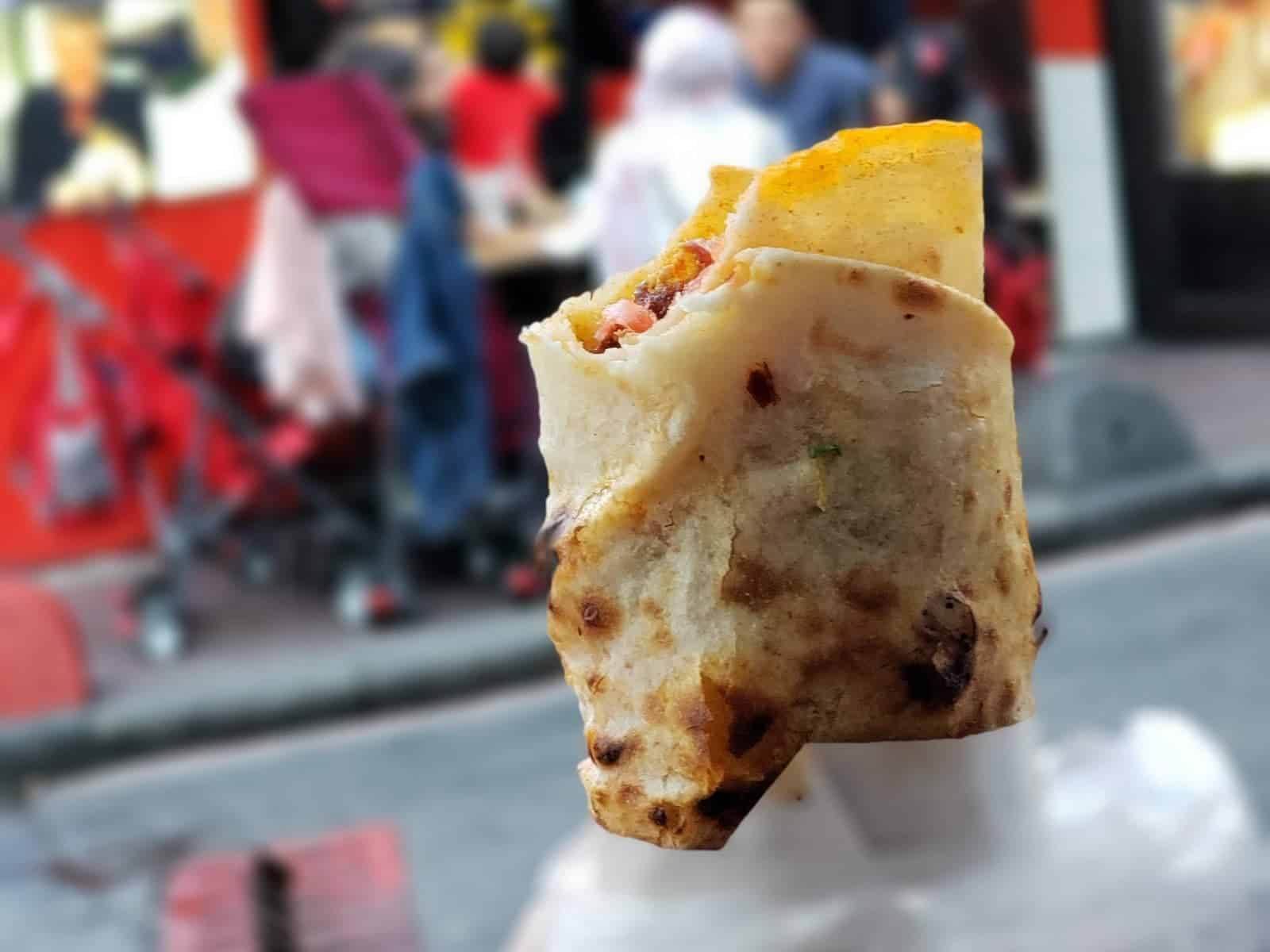
It is another way to enjoy this dish. Unlike the one cooked on a large vertical spit, “Adana Kebap” is lamb cooked on skewers placed over hot coals. As its name indicates, this way of doing things comes from the city of Adana.
Dürümzade Hüseyinağa, Kamer Hatun Cd. 26/A, 34435 Beyoğlu/İstanbul, Turkey
The best place to enjoy Adana Kabap is the Dürümzade.
This restaurant became known after a feature aired by American chef Anthony Bourdain on one of his food shows around the world. However, it was already a must-visit even before Bourdain’s visit. I strongly suggest you try their » Double Adana Kebap « , which in my opinion is the best in Istanbul.
This “Double” version of the lamb skewer is delicious. It is the place I visit at least three to four times during my stays in Istanbul.
Another place to enjoy a delicious “Adana Kebap”—outside the tourist areas—is Dürüm Durak, located in the lovely Bahçelievler neighbourhood.
It is also open 24 hours a day—which is very convenient—when you get hungry late in the evening, or even at night.
Bahçelievleris more of a residential neighbourhood, with lovely small houses and flower-decorated gardens, as its name suggests.
The Islak Burger
Islak Burger, in English… the “Wet Burger”, is another late-night Turkish must-try.
This burger is made with ground beef, garlic and mint and is cooked in milk. It is served on a hamburger bun topped with tomato sauce.
What makes this hamburger “wet” is that it is placed on a tray inside a glass case, where a container of boiling water releases steam and keeps the burgers… soaked.
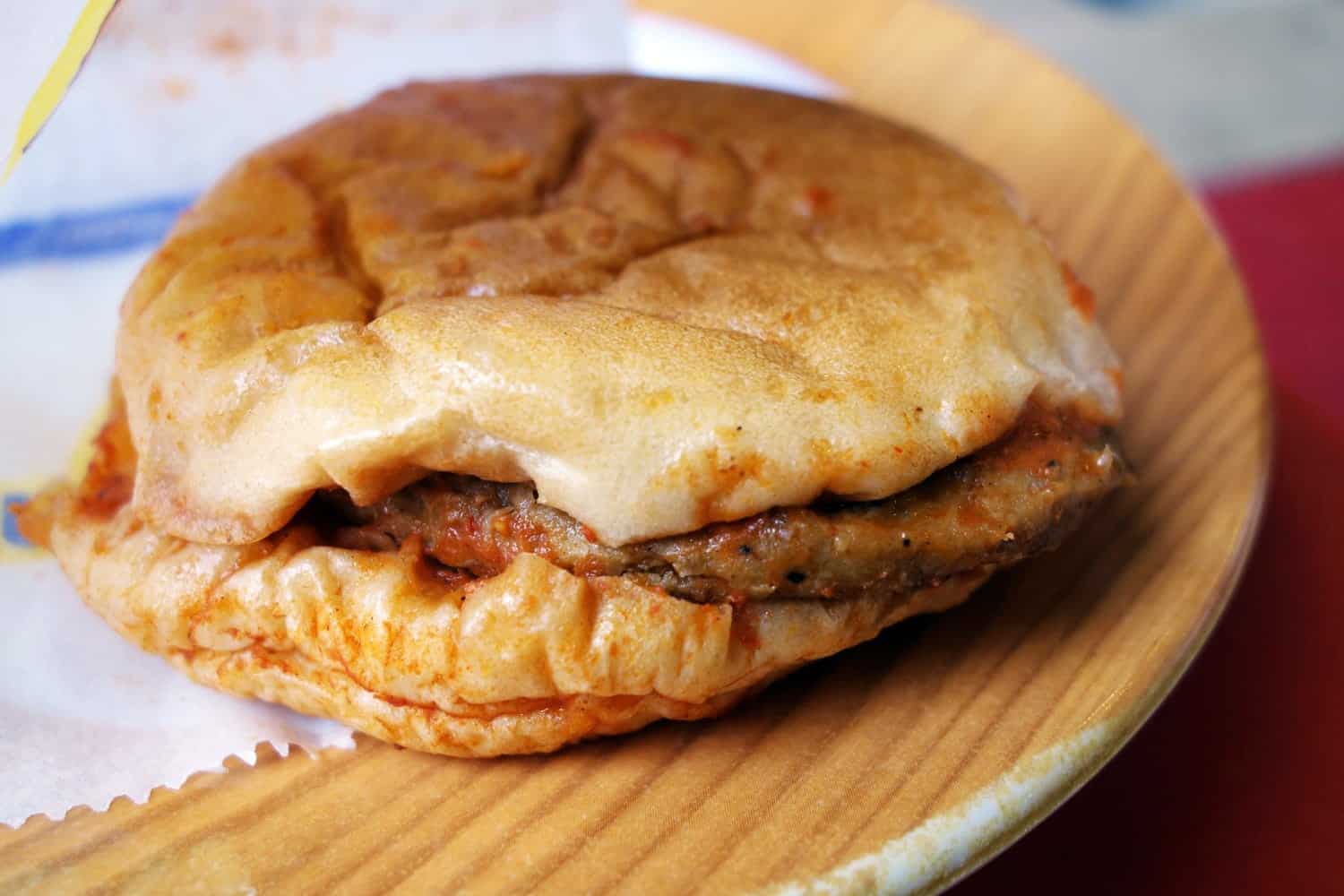
At first glance, this burger doesn’t look appetizing, but believe me, there is nothing better to fill you up when you are hungry. Moreover, rumor has it that this burger prevents hangovers the day after. You tell me.
The best « Islak Burger « can be found at Kizilkayalar. As the place is narrow, most of the time you eat standing outside the restaurant.
The « Kumpir
Another Istanbul must-do is to savour a “Kumpir”. This dish, which is quite filling, let’s be honest, is considered fast food. No two Kumpir are ever the same, because it is “shaped” to the customer’s request.
Let’s discover “Kumpir”… it is a huge potato—and I admit I wonder where they even find potatoes that size—baked in the oven, then hollowed out and mixed with butter and cheese. Then it is put back in the peel and topped with all sorts of things; olives, carrots, cabbage, corn, peas, ketchup, mayonnaise, sour cream, mushrooms. The limit is yours.
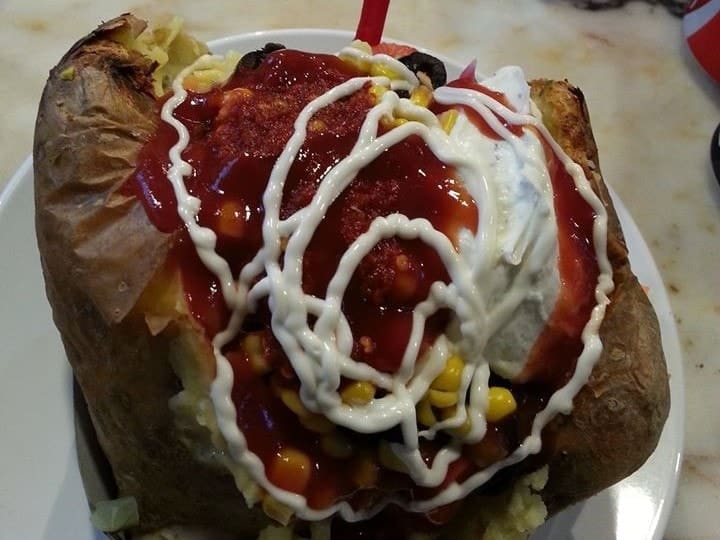
You can find “Kumpir” in most restaurants in Turkey, but for the taste, variety, atmosphere, and especially the magnificent view of Ortaköy Mosque, you have to go to “the village in the middle” (Ortaköy)!
You pick up your “Kumpir” at one of the many kiosks and sit near Ortaköy Mosque, whose real name is Büyük Mecidiye Camii, and enjoy this dish while taking in the breathtaking view of the neo-baroque-style mosque.
If you like crowds, go on Sundays; it is the day when Turkish families get together. You can get there by bus, via Taksim, or Beşiktaş or on foot (from the Kabataş northern terminus of streetcar line 1) for those who like to walk while strolling.
The Kokoreç
If you’re the type of person who likes to try almost anything, I suggest this traditional Turkish dish that is off the beaten path.
Kokoreçis made from intestines and offal (mostly from lamb). Kidneys, liver, lungs, etc., etc. are skewered, seasoned, wrapped with intestines, and then cooked over hot coals. It is served as a sandwich in most restaurants in Turkey.
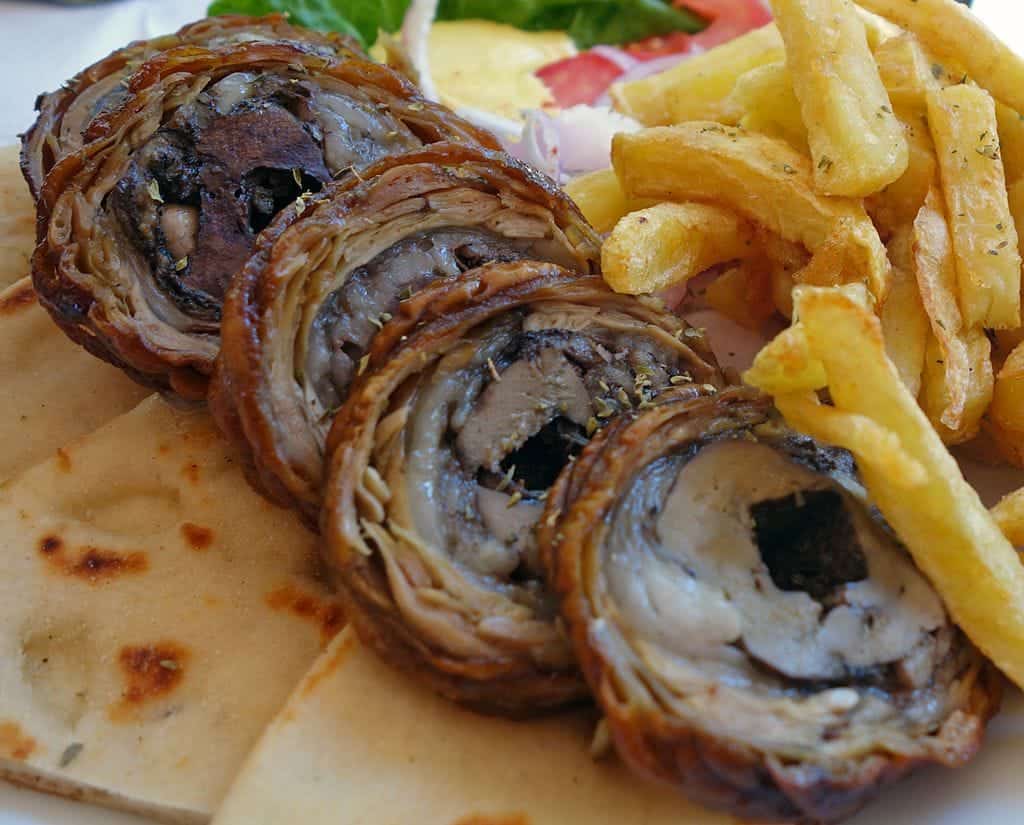
Şampiyon Kokorec Beyoğlu Sok. NO:1/3, Sahne Sk. 1/3, 34435 Beyoğlu/İstanbul, Turkey
I suggest you try one at Sampiyon Kokorec. This restaurant chain is very present in Istanbul as well as throughout Turkey.
The first time I ate Kokoreç, I had no idea what it was (and that is a good thing, because if I had known, I probably would not have tried it). But, now every time I go to Turkey, I set aside a dinner to eat this tasty sandwich.
The « Mantı »
Pasta lovers are also very well served by Turkish cuisine. Indeed, the » Mantı » is a very popular and tasty meal.
“Mantı” are ravioli stuffed with lamb, spices, and onions, topped with (Greek-style) yogurt, garlic, chili, and a hint of butter. These ravioli are usually handmade.
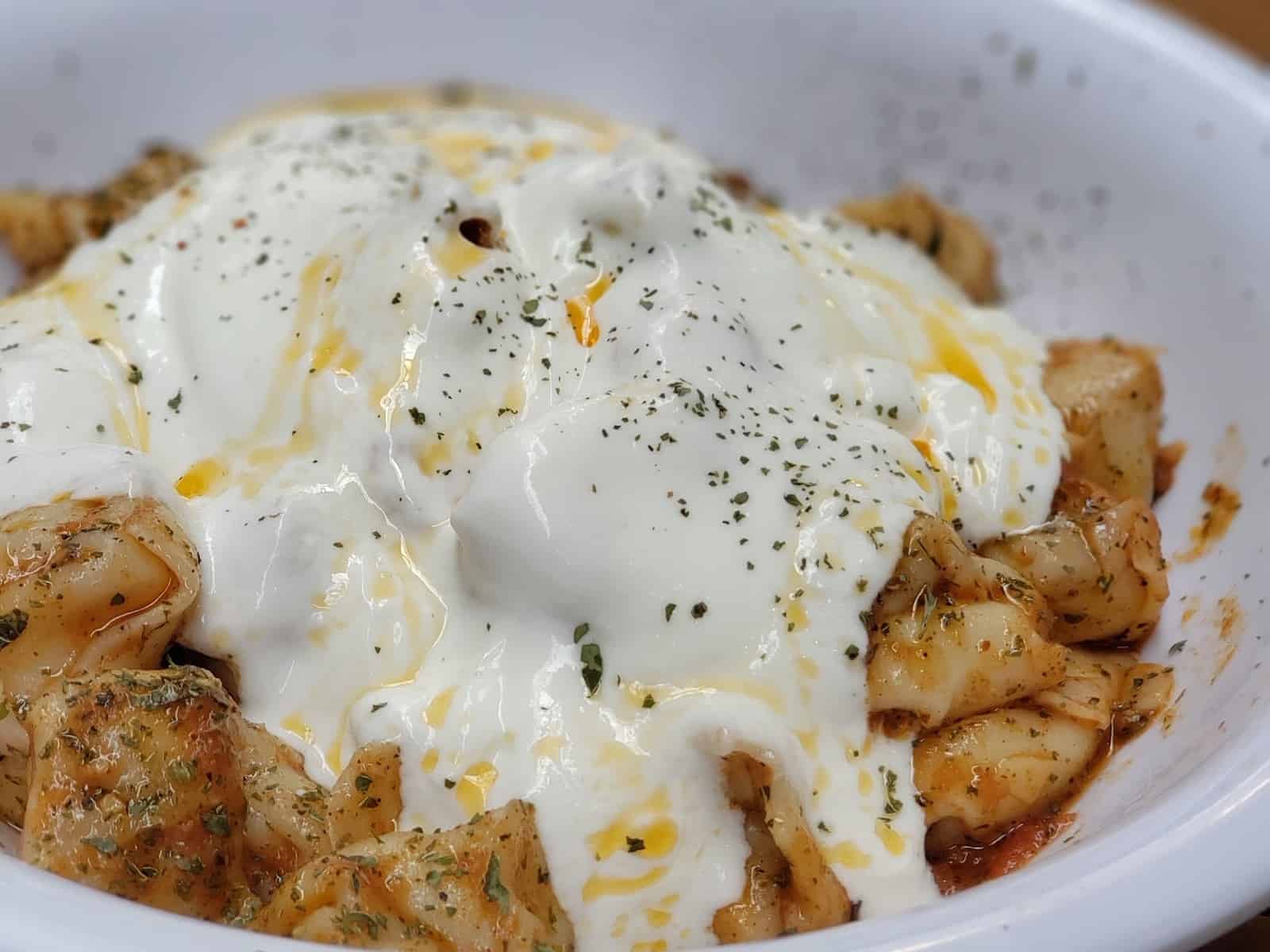
Sinop Mantı Sinanpaşa Mh., Sinan Paşa Köprü Sk. Tellioğlu İş Hanı No:8 D:1, 34200 Beşiktaş/İstanbul, Turquie
You can find this dish in most Turkish restaurants, but you have to go to Sinop Mantı, located in Beşiktaş, to find the best “Mantı” in Istanbul!
Even though these restaurants are part of a chain, quality can vary from one location to another. The Beşiktaş one is well worth the detour. In addition, for those staying at the AC Hotel by Marriott Istanbul Macka, this small restaurant is just a few steps away.
The « Lahmacun » and the « Pide
These two dishes are supposed to be Turkish pizzas, but they have nothing to do with what you find in North America.
“ Lahmacun” is generally oval-shaped and topped with minced meat (lamb), very finely chopped vegetables (onion, tomatoes, and peppers), and then herbs such as coriander and basil. It is served with a little lemon and lettuce leaves – connoisseurs – squeeze the lemon over the filling and wrap the « Lahmacun » in the lettuce leaf.
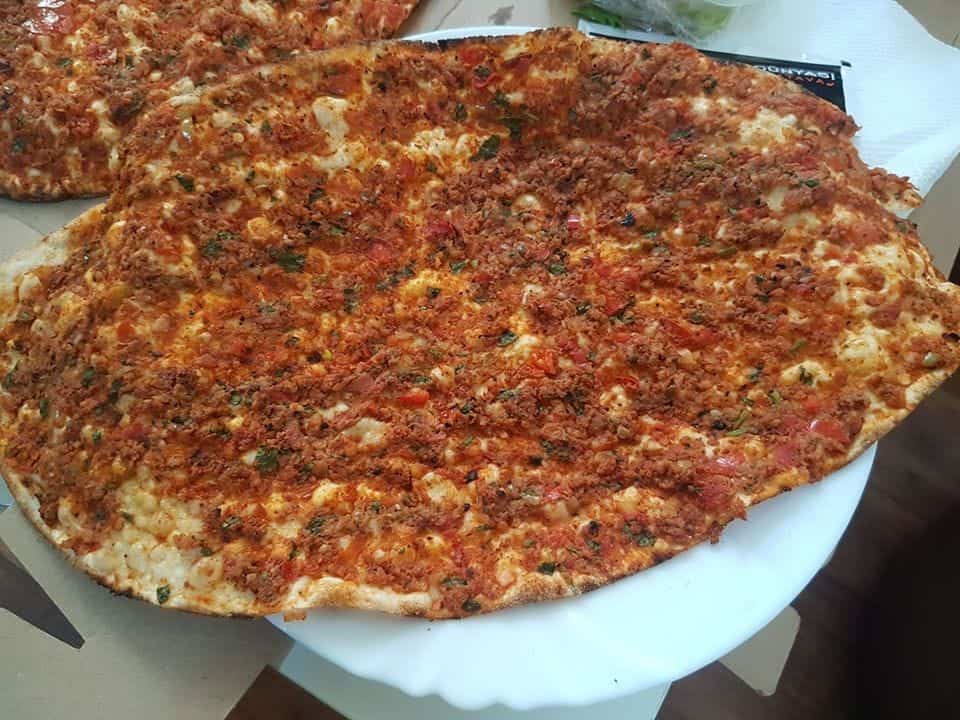
This simple meal is served with a good Efes (Turkish beer).
One of the rare Sultanahmet restaurants that is not a tourist trap and is affordable.
The » Pide« is shaped like a « Venice Gondola ».
It is also prepared with minced lamb, vegetables, and herbs. The difference between these two dishes is, basically… the bread! Indeed, “Lahmacun” is made on a very thin dough, while “Pide” is made on a slightly thicker bread.
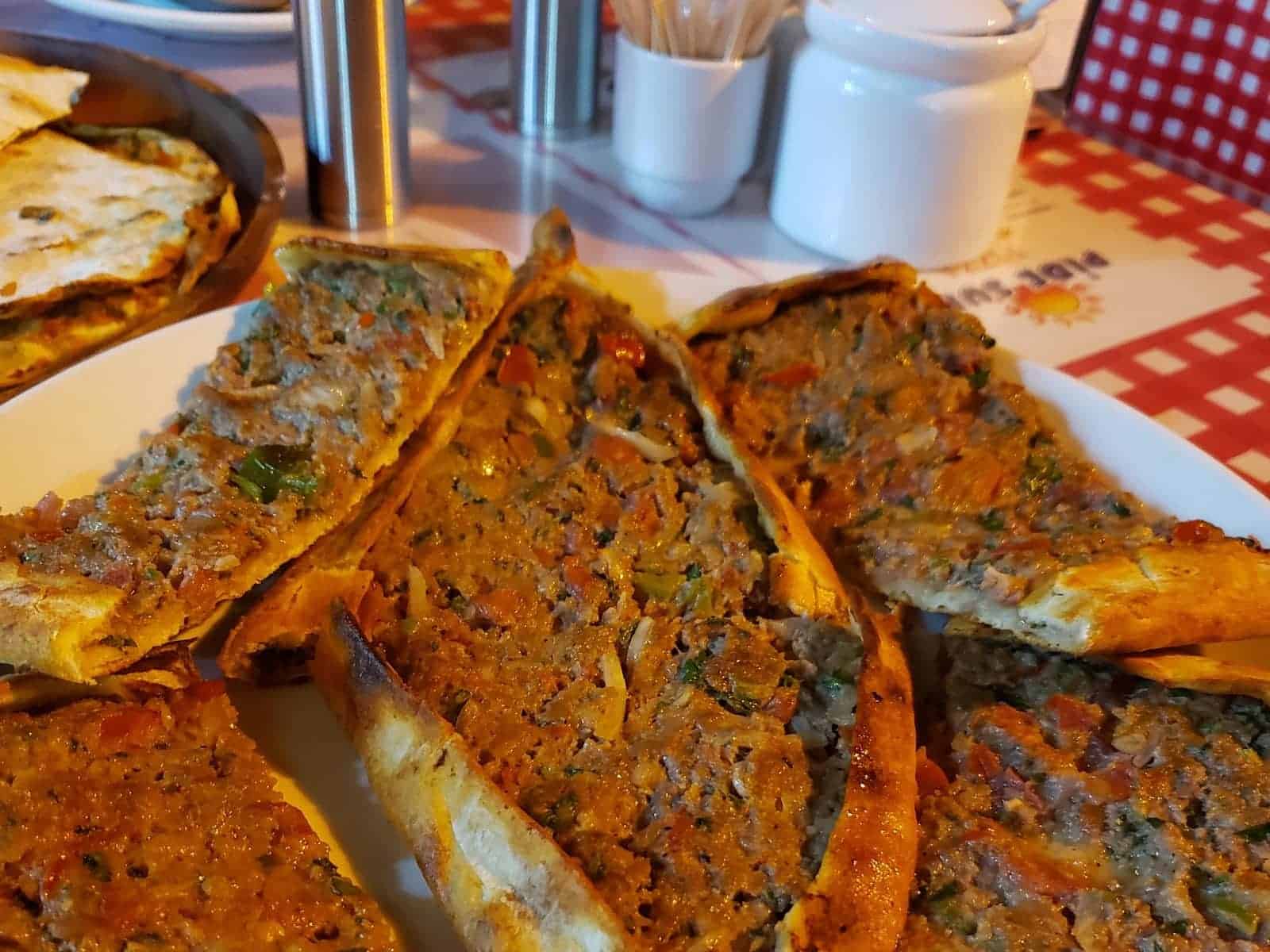
You can get both of these dishes just about anywhere, but this is the place I particularly like.
This one is located on the « Asian » side of Istanbul.
« The İskender »
Another excellent meal… made with meat. For theİskenderThe main ingredient used is sheep’s meat. Traditionally, thyme has been included in sheep’s feed. The meal is served on a pide (Turkish bread) cut into strips, just like the meat. The meat is placed on the bread, and a generous portion of hot butter is poured over it before covering everything with tomato sauce. To complete this meal, plain yogurt is served on the side of the plate.
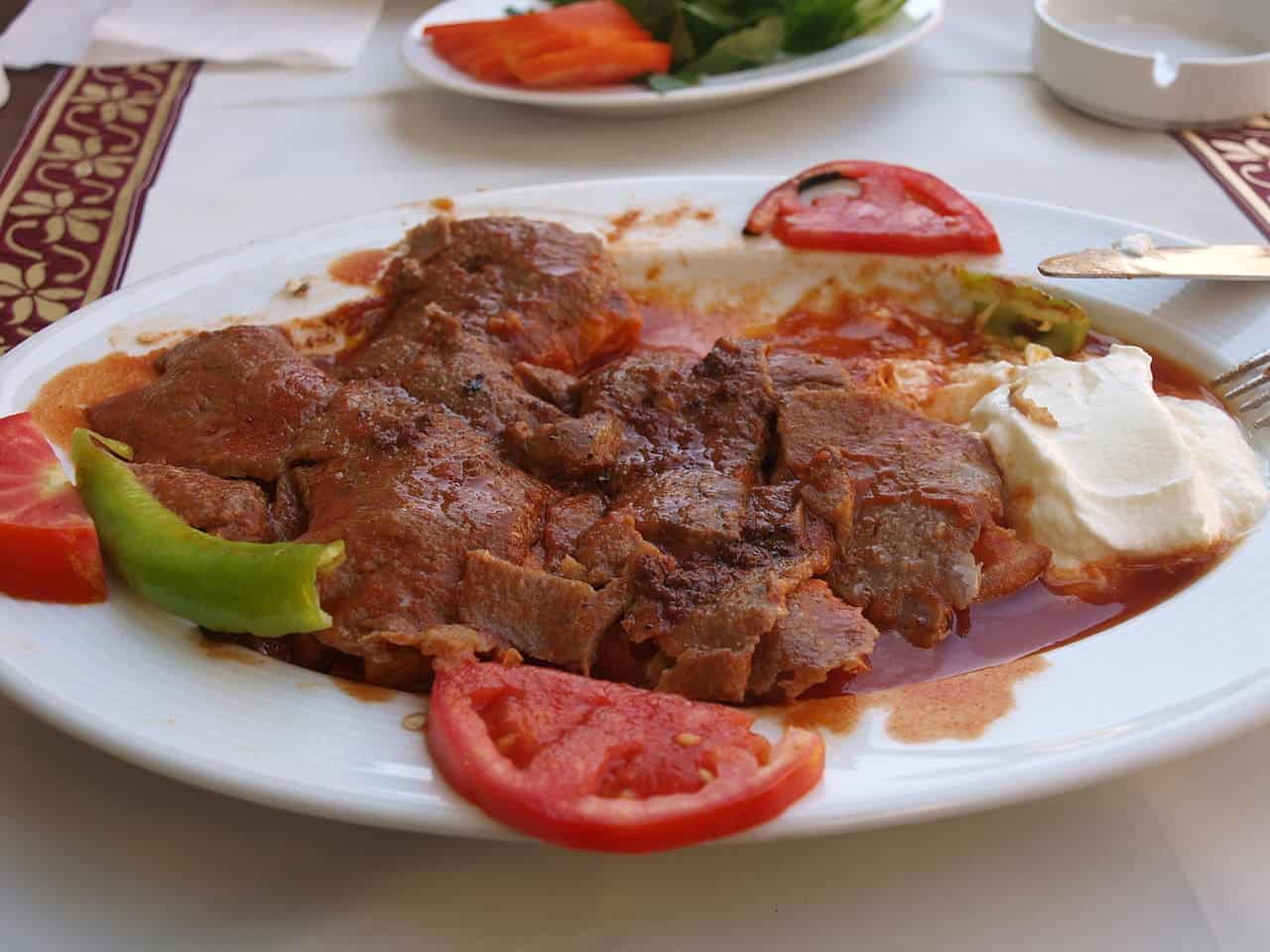
To accompany İskender, I suggest you have an ayran (a drink made of one-third yogurt and two-thirds lightly salted water).
The best Iskender is in the Şişli neighbourhood, at Iskender1867istanbul.
The eatery is a twenty-minute walk from the two Marriotts in the neighborhood: AC Hotel by Marriott Istanbul Macka and the Istanbul Marriott Hotel Şişli, otherwise a thirty-minute walk from Taksim Square.
The desserts
We are now at the part where simply writing the names of these desserts makes my mouth water… Not that I do not feel the same in the other sections, but as someone with a sweet tooth… eating a Künefe is, how can I put it… the cherry on top of the sundae? The icing on the cake?… My ultimate goal!
In short, you can imagine that going to Turkey and “not” eating a Künefe is like going to Peru and not visiting Machu Picchu: it is unthinkable! At least for an epicurean like me. (Come on, I admit it…) I went to Peru and I did not go to Machu Picchu).
The Künefe
But what is a Künefe? A very sweet dessert made of kataifi pastry, cheese, and butter, baked in the oven, drizzled with a honey-based syrup, and topped with pistachios. It is often served (and recommended) with Turkish ice cream (dövme dondurma ).
This ice cream is very substantial and made with whipped cream, cream, sugar, salep, and mastic (natural gum).
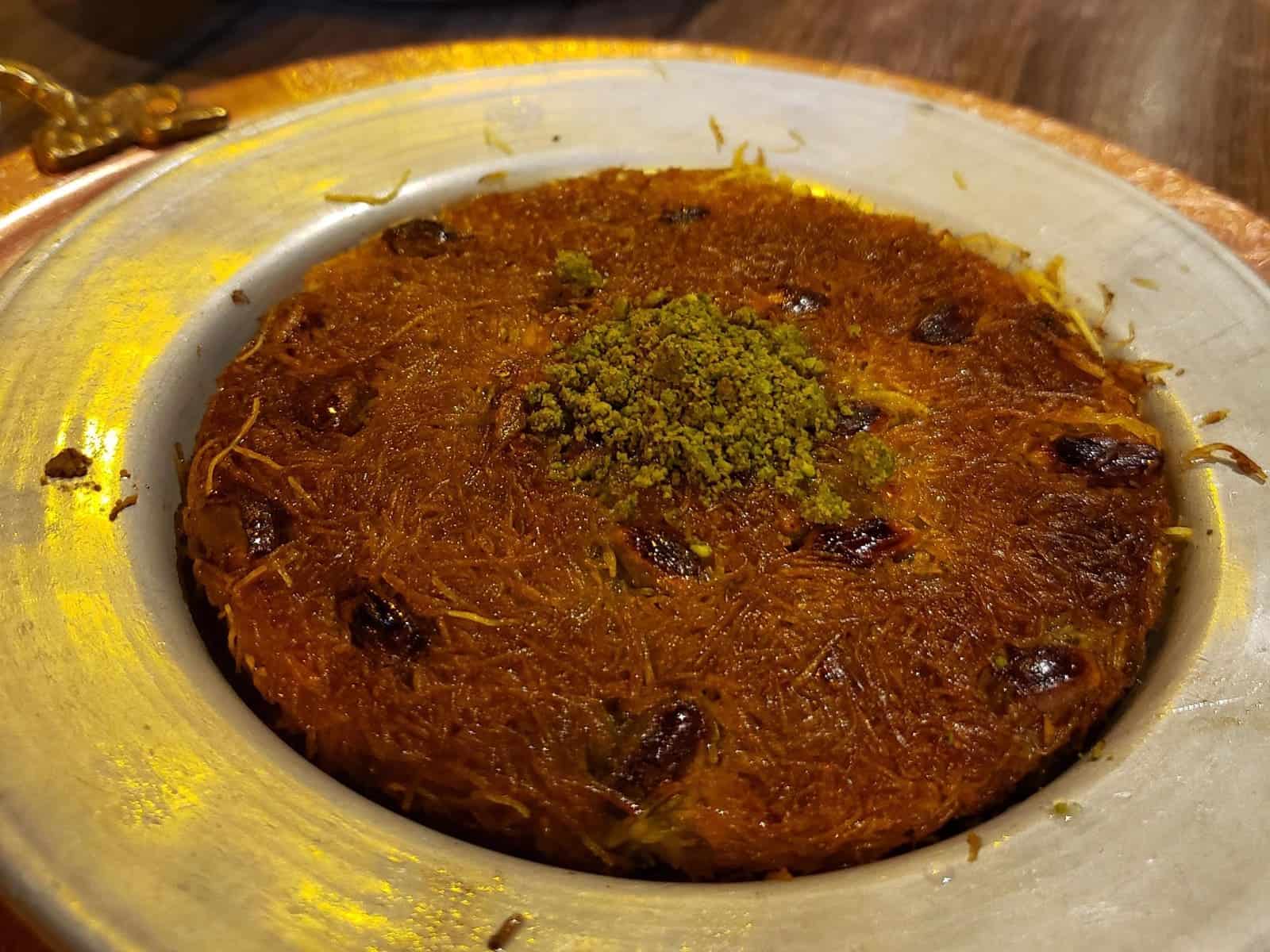
Keyfeder Künefe Katmer Katip Mustafa Çelebi, 12, Çukurlu Çeşme Sk., 34433 Beyoğlu/İstanbul, Turquie
This dessert is a staple of Turkish gastronomy and the best place to eat one, without a doubt, is the « Keyfeder Künefe Katmer » located in a very small street in the Beyoğlu district.
The best I have ever eaten in my life, and believe me… I have tried several. Speaking of dövme dondurma, you have to experience at least once the street vendors of this ice cream on Istiklal Street.
These vendors have incredible skill in handling this ice cream, and the experience will be among your very good travel memories… especially if one of your children or a family member gets “caught” in the game.
I will say no more.
The « Baklava » and its derivatives
Baklava, this dessert known worldwide as coming from Greece, actually originates from the Ottoman people.
Never tell a Turk that baklava has Greek origins—you may end up arguing for hours and hours.
This small dessert made of phyllo dough and sugar syrup – no honey in the Turkish version – and covered with pistachios, is very popular and is easily eaten either after a meal or while having a tea.
There are several variations of this dessert in Turkey, including Şöbiyet, Saray Sarma, and my favourite, Bülbül Yuvası.
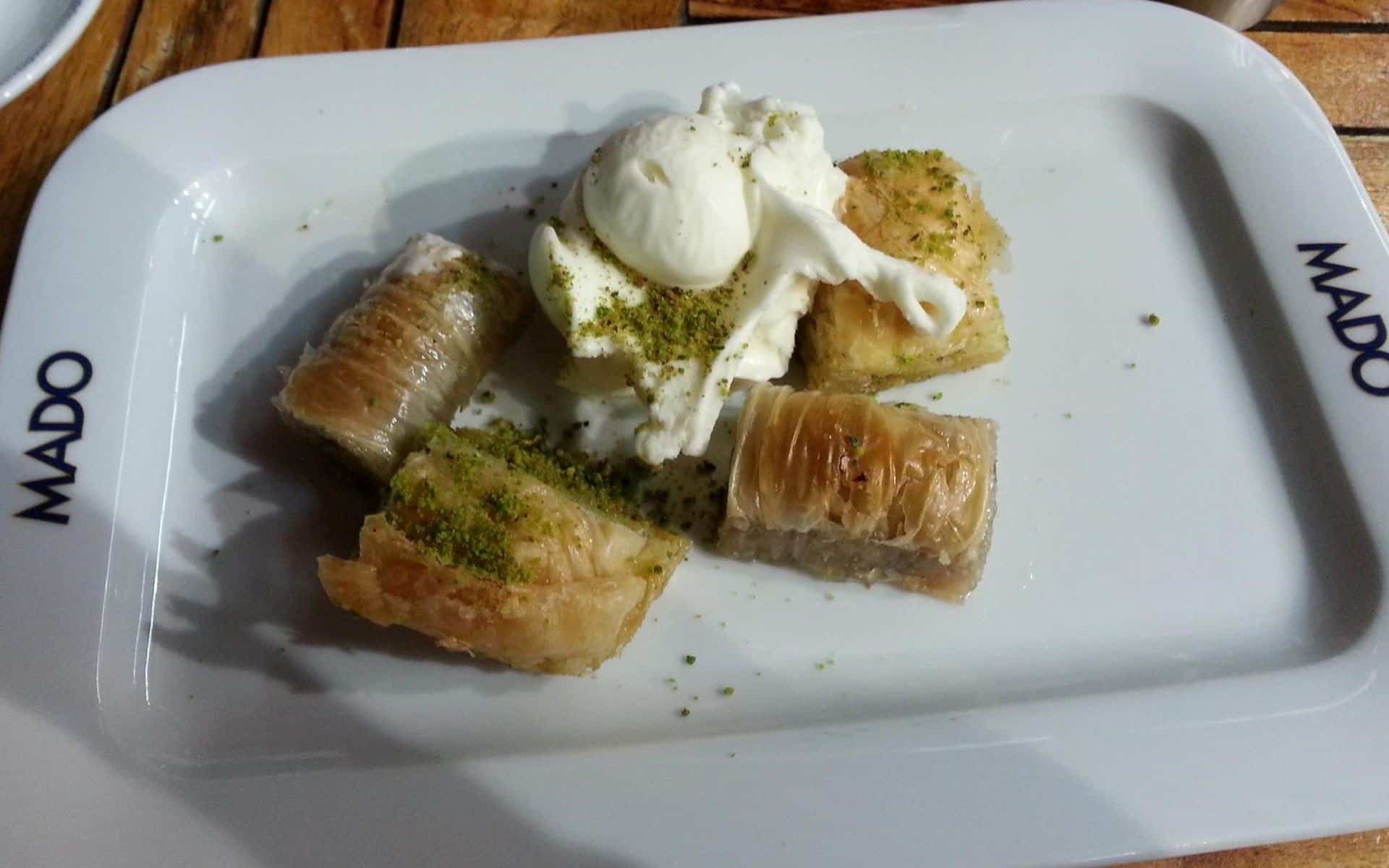
Hafiz Mustafa Hoca Paşa, Muradiye Cd. No:51, 34080 Sirkeci – Fatih/Fatih/İstanbul, Turkey
I do not really have a restaurant reference for this dessert, but the ones you find in “Hafiz Mustafa” restaurants/shops are very good. You can see them everywhere in Istanbul.
The franchise is located in the Sirkeci district and is very nice and well situated (opposite the streetcar station).
The « Hanım göbeğ »
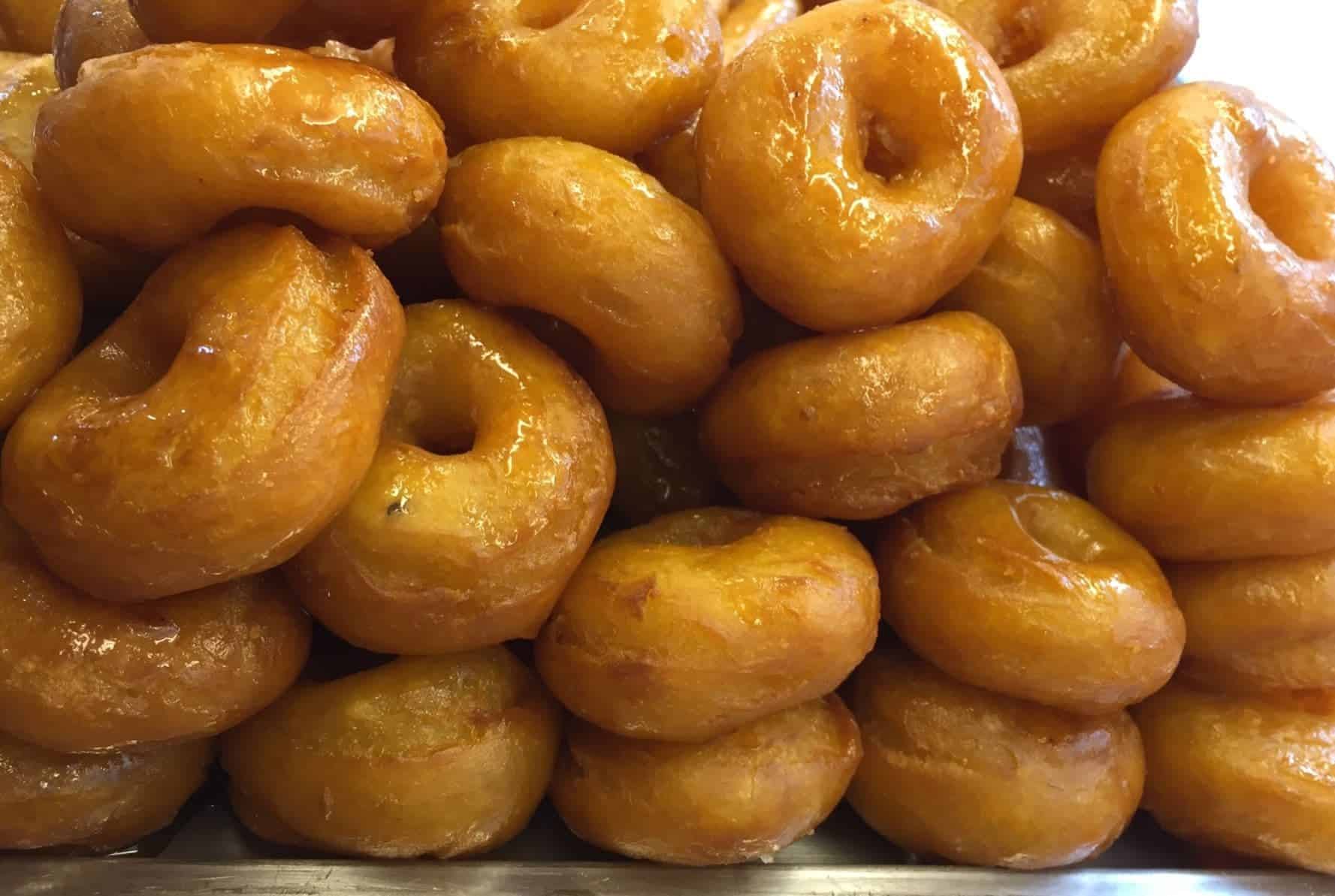
A strange name for a dessert… Hanım göbeğ—literally “woman’s belly button”—is a small dessert made from choux pastry shaped into a ball and fried, then dipped in syrup.
The Loukoum
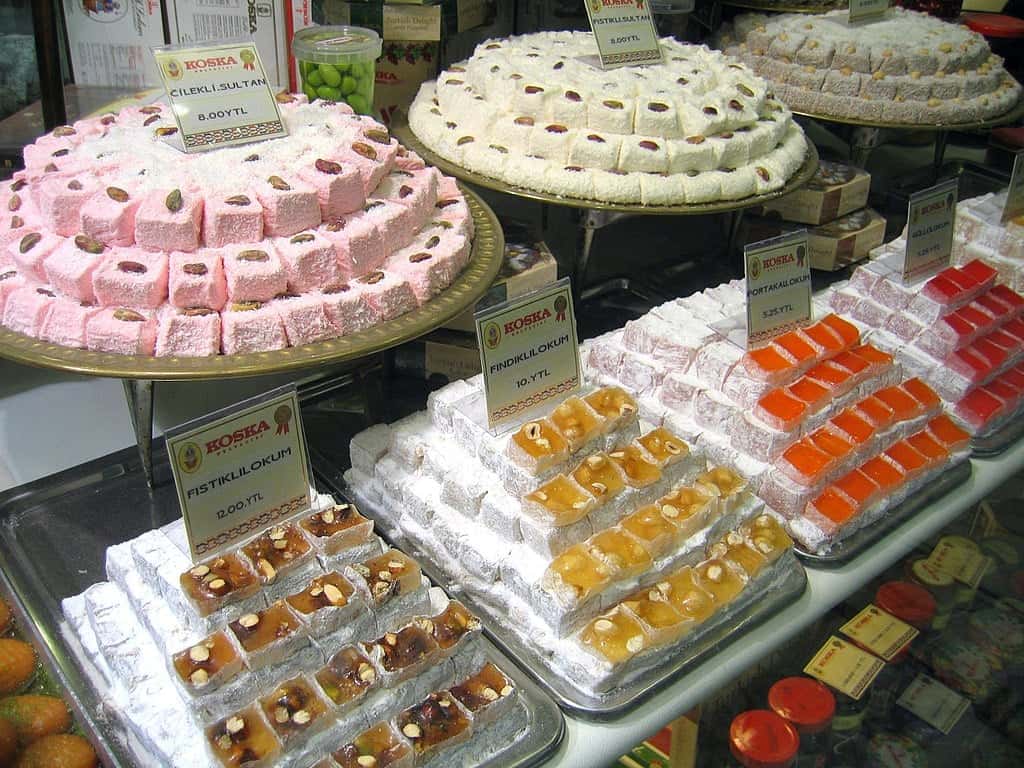
Who doesn’t know the Loukoum? This « candy » that every informed tourist brings back to his family, his friends, or his colleagues?
Good, economical, easy to transport, what more could you ask for? Made with starch and sugar, it is flavoured and dusted with icing sugar.
It comes in many flavors and is often topped with pistachios or almonds. It is sold in bulk as well as in boxes (ideal for travel). Easy to find, but be sure to check prices carefully, as the cost can vary from one place to another. You should never pay more than 25 TL/30 TL for three or four boxes… beyond that, well, you have fallen into the trap.
The sütlaç
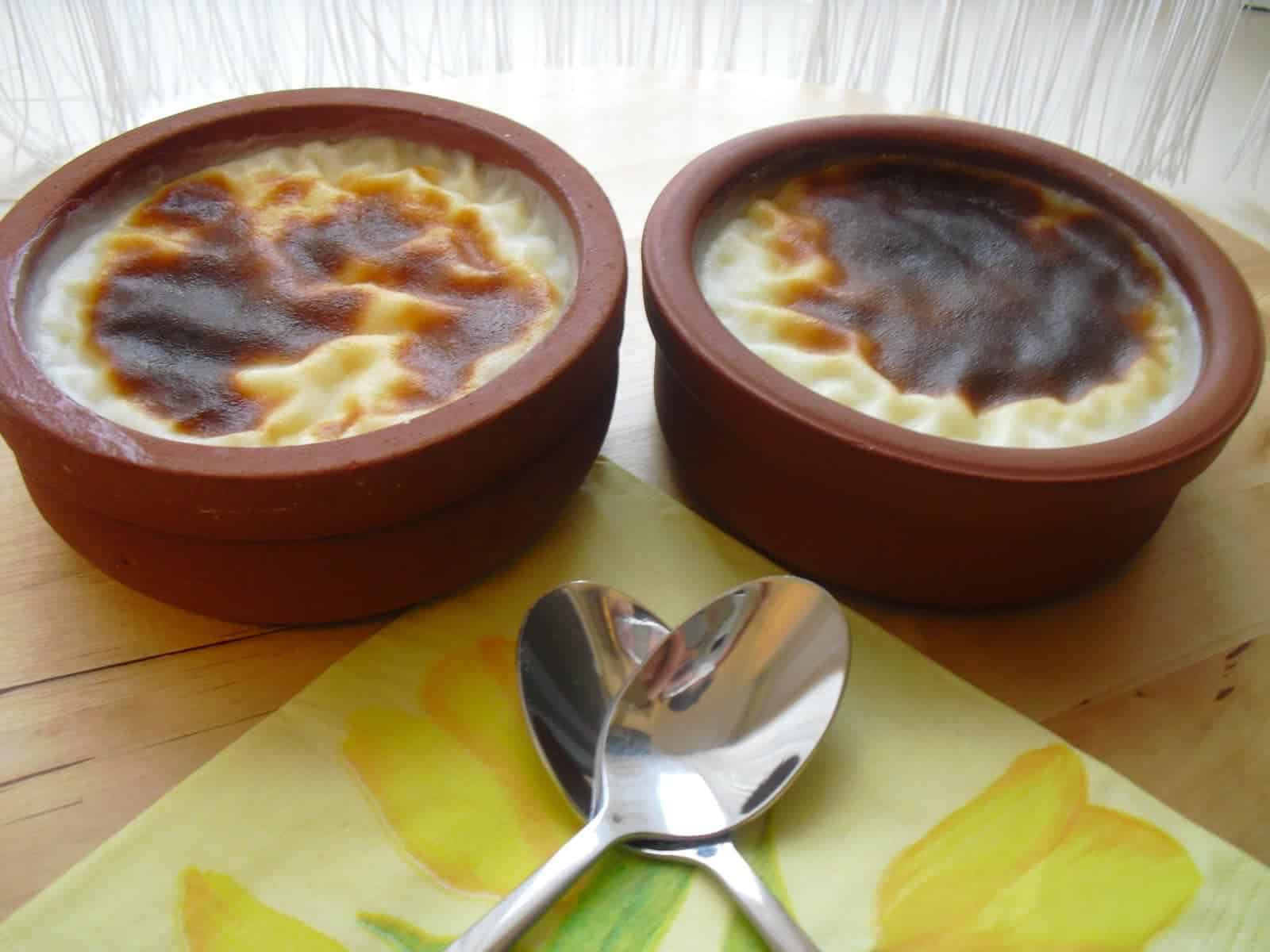
My second favorite Turkish dessert is the sütlaç. This is a very simple dessert. In fact, it is the cousin of our “rice pudding”.
Made with rice cooked in sweetened milk, it is then browned in the oven, which gives it an extra sweet taste. Some restaurants add cinnamon to the cooking milk. You can find it in all restaurants.
The Muhallebi
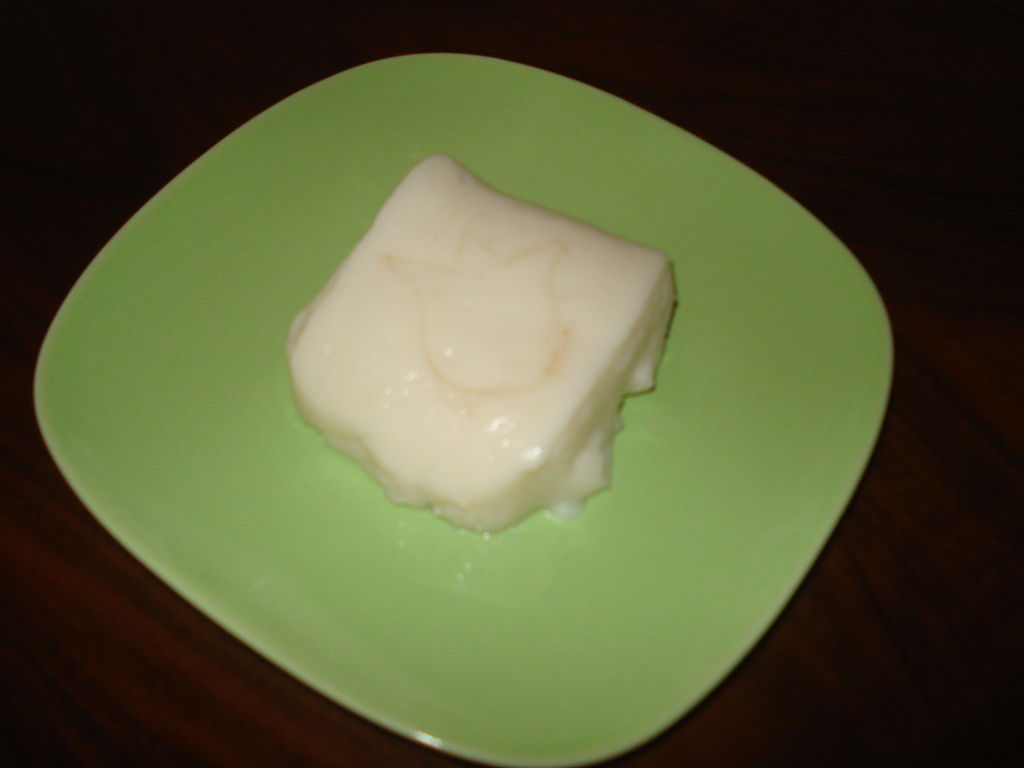
In this same dessert category, there is also Muhallebi, which is made from rice flour, milk, and wheat starch, giving it a firm texture.
Orange blossom water or rose water is often added. There is also an “almond” version called keşkül.
The Tavuk göğsü
My next dessert – to try – on a future trip to Turkey will be Tavuk göğsü… but why this one in particular? Simply, because it is made with… chicken! I’m curious.
File to follow !
My two restaurant and dish recommendations
Finally, before I leave you, I would like to offer two restaurant and dish recommendations, in two different regions of Turkey.
The Cercis « Murat Konağı »
Cercis Murat Konağı Şar, 1. Cadde No:517, 47100 Artuklu/Mardin, Türkiye
The first is a restaurant located in the wonderful city of Mardin—a city near the Syrian border—
Cercis “Murat Konağı” is a unique restaurant offering cuisine typical of this region, namely Kurdish cuisine.
Conveniently located in the centre of Mardin, this restaurant, with simple yet tasteful décor, offers excellent meals. The price is ridiculously low (70 TL) per person, which comes to about $16, including (local) wine. For six courses. (Price paid in 2014).
They serve typical Kurdish dishes (as well as Turkish and Syrian). I must admit I let the server decide the entire menu, so each dish that arrived was a surprise for me—so here is that menu.
First course: a salad with the lovely name “Roko Salad”, consisting of a green salad with tomatoes and… strawberries.
Second service: a « İkbeybet ». A bulgur ball filled with minced meat and cooked in broth. And the other item on the plate is an eggplant stuffed with dried garlic—so I no longer remember the name.
The third service: « Alluciye » and « Incasiye ».
“Aluciye” is made of lamb cooked with sage, leeks, and green onions. As for “Incasiye”, it is also lamb, but this time cooked with damsons (a variety of plum), tomato sauce, grape molasses, and a bit of heat.
For the fourth course: it is impossible to describe everything, but it is a blend of flavours: from sweet to spicy, with savoury notes and a slightly tangy touch at times. All served on ten « spoons ». Talk about tastings!
Fifth service: the main course, a « Dobo ». It is simply lamb, served with rice. It was delicious.
Sixth course: for dessert, I was treated to “Semolina Halvah – Kurdish version”, with “Turkish” ice cream. “Semolina Halvah” is made from wheat semolina, honey, and butter, as well as raisins, dates, and other dried fruits.
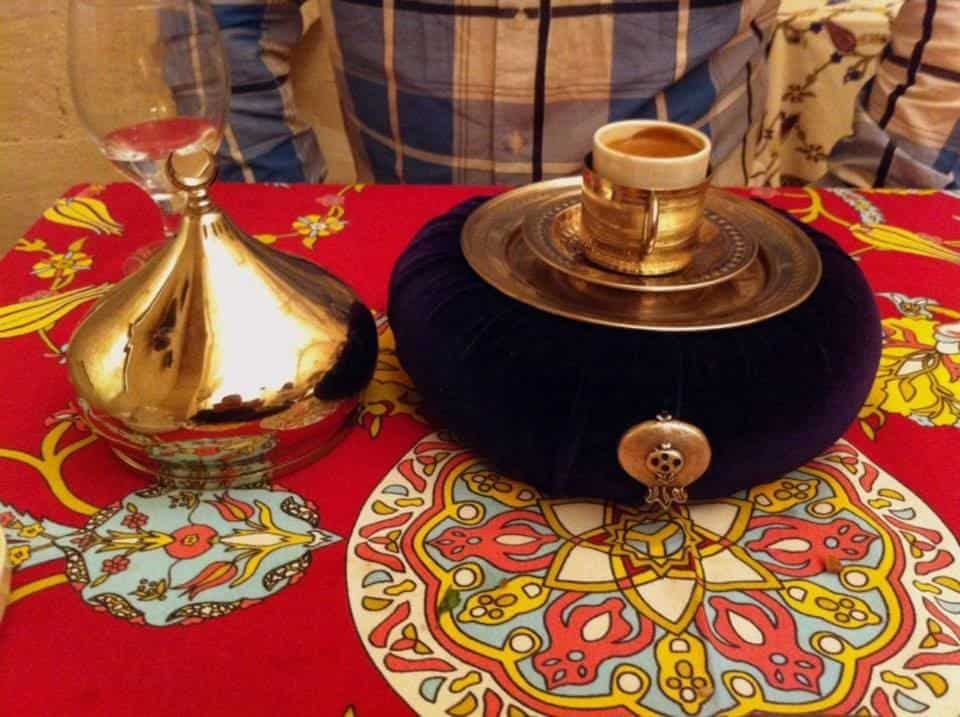
And of course, to wash all that down, we had to finish with Turkish tea, but also Kurdish coffee!
Testi kebab
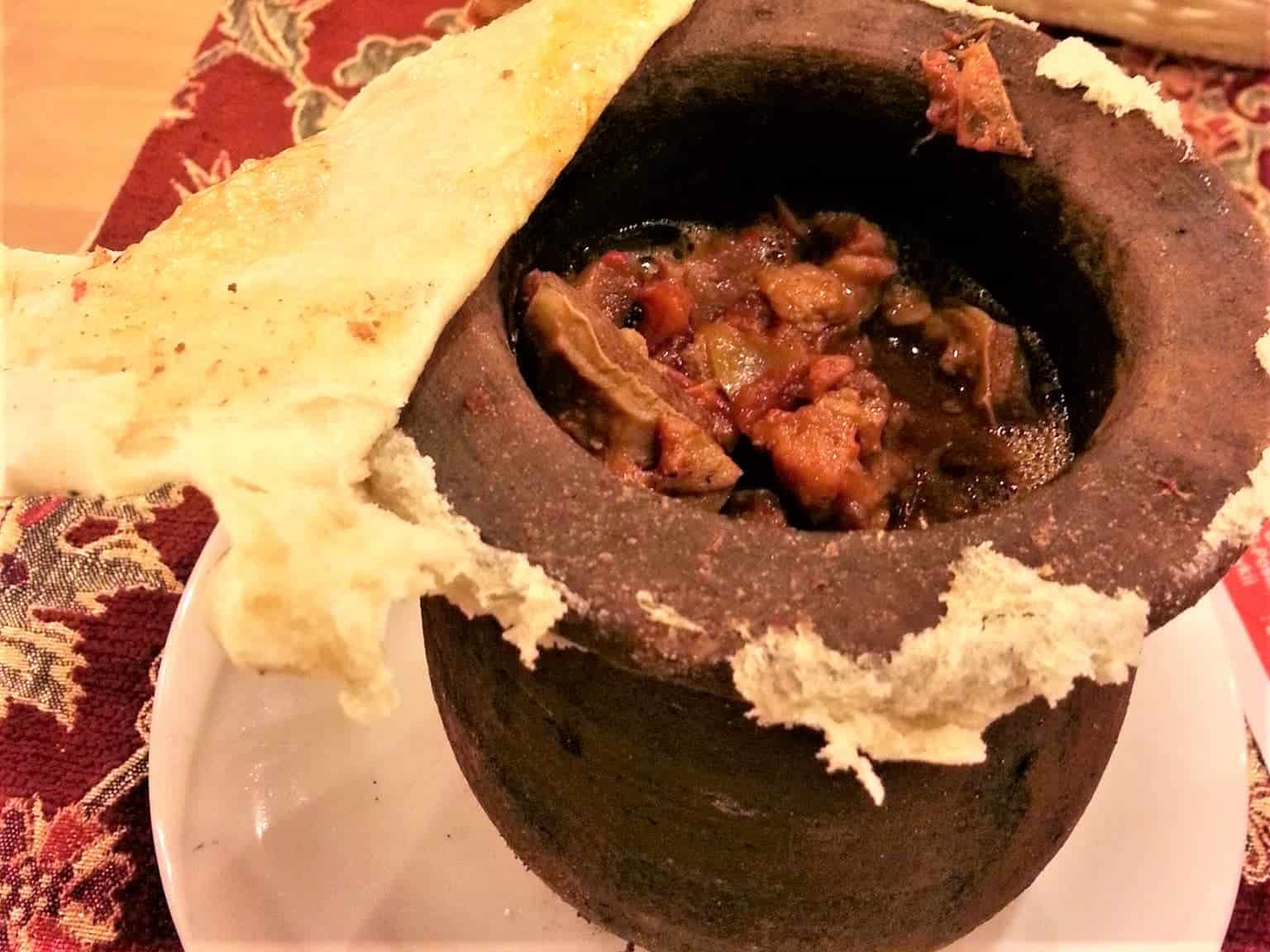
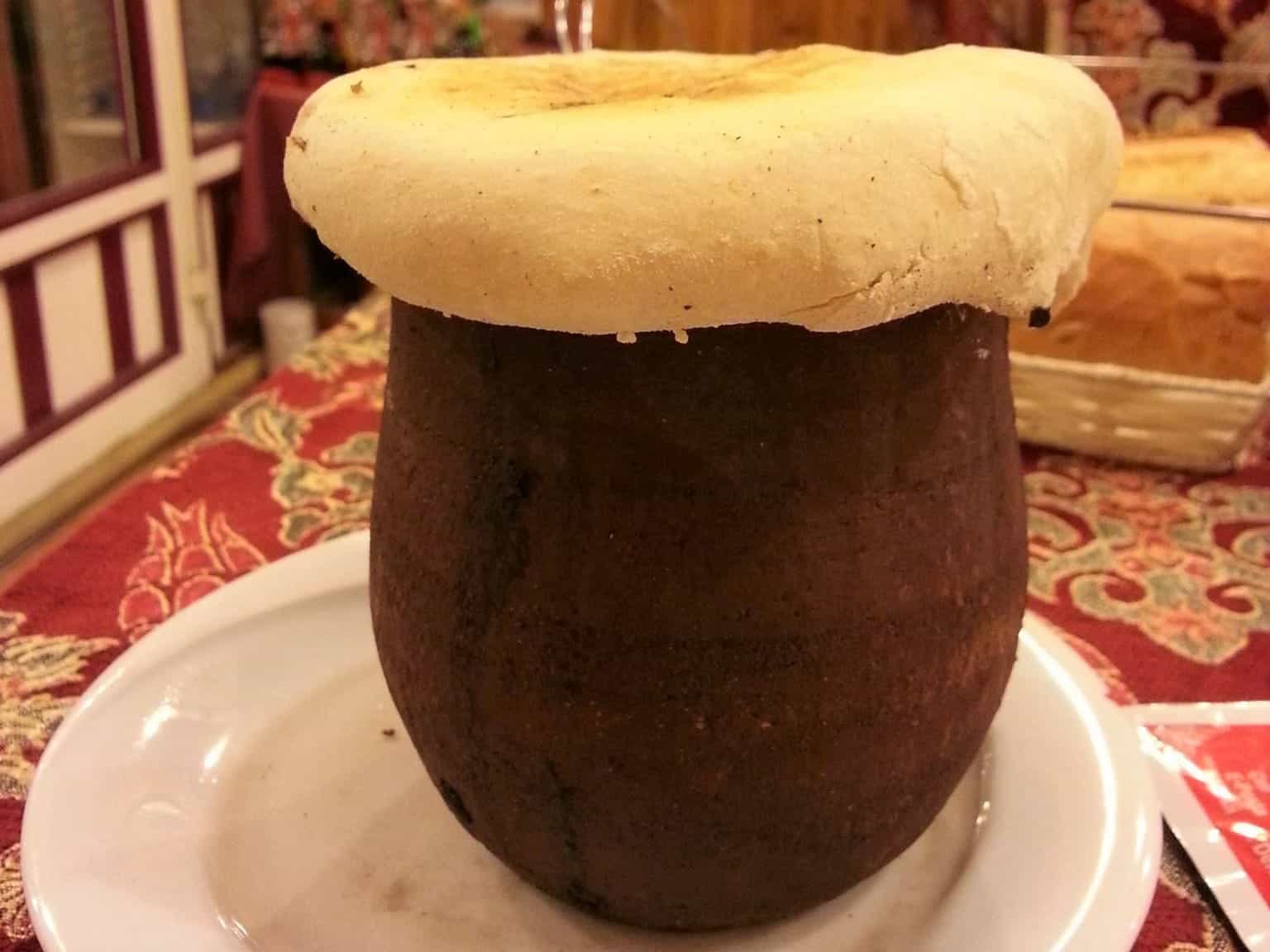
The other discovery is more of a dish than a restaurant. You can find it everywhere in the Cappadocia region… it is “Testi kebab”!
After tasting it, you will find that all other dishes in the world are “bland”. Here is what “Testi kebab” contains: either beef or lamb—or even both—tomatoes, a few cloves of garlic, small green peppers, butter, salt, pepper, and spices to round it out. It is cooked in a clay pot, the “testi”, which gives the food a special, authentic taste. You absolutely must try this dish; it is a must.
Conclusion
And that is how my overview of Turkish food comes to an end, discovered over the course of my many trips to this wonderful country.
If you ever feel like discovering it without visiting the country, know that there are many good Turkish restaurants in the Montreal area, including this one that I recommend.
Plus they take Amex, including the American Express CobaltTM Card: 5 points per dollar! 🙂

- Annual fee
- $191.88
- Our valuation
- $255Milesopedia first-year estimate First-year valueWelcome bonus$255Total$255Rewards on your spending are not included. The calculator that adds them from your own profile is on the card's page.
- Milesopedia first-year estimateFirst-year valueWelcome bonus$255Total$255Rewards on your spending are not included. The calculator that adds them from your own profile is on the card's page.
- Welcome offer
- Up to 15,000 points
on American Express's website
Apply with confidence — no impact on your credit scoreApply with confidenceCheck whether your application will be approved before you submit it, with no impact on your credit score*When you apply for a personal American Express Credit Card, we will tell you whether you are eligible without affecting your credit score. So you can apply with confidence.*Instant decisions are only available for consumer Card applications (also called “personal Cards”).
Our featured card


- Annual fee
- $150
- Our valuation
- $350Milesopedia first-year estimate First-year valueWelcome bonus$350Total$350Rewards on your spending are not included. The calculator that adds them from your own profile is on the card's page.
- Milesopedia first-year estimateFirst-year valueWelcome bonus$350Total$350Rewards on your spending are not included. The calculator that adds them from your own profile is on the card's page.
- Welcome offer
- Up to 35,000 points
- Ends Nov 1, 2026
on Scotiabank's website
Our editorial integrity
Our reviews and rankings are based on an objective assessment. Advertisers do not influence our content. We may receive compensation through some links; our analysis and opinions remain independent.