Credit Card Spending Categories in Canada

Loading article…
The credit card spending categories determine how much you earn on each purchase. The same card might offer 5% on groceries and 1% elsewhere. Choosing the right card for each category directly impacts your annual return. This guide ranks the best options by spending type, takes into account the real value of points, and highlights the caps that often limit bonus rates.
To compare all options based on your profile, consult our best credit cards page or our credit card comparator.
| Credit card | Annual fee | Welcome offer | |
|---|---|---|---|
| $191.88 | |||
| $0 | |||
| $0 | |||
| $0 | |||
| $250 | |||
| $0 |
A card accumulates either cash back (a percentage) or points (a multiplier per dollar). These two units are not directly comparable. Indeed, a point does not have the same value depending on the program. In this guide, cash back is shown as a percentage and points as points per dollar, with the relevant program.
A BMO point is not worth an American Express Membership Reward point. Thus, 5 points per dollar can be worth 8.5% with one program, but only 3.3% with another. The real return is calculated as follows: accumulation rate multiplied by the point value. Here are the estimated values by Milesopedia.
| Program | Value of a point | Type |
|---|---|---|
| Aeroplan | 2.0 ¢ | Travel |
| American Express Membership Rewards | 1.7 ¢ | Travel (transferable) |
| Scene+ | 1.0 ¢ | General |
| Cash Back | 1.0 ¢ (1%) | Cash Back |
| NBC Rewards | 0.9 ¢ | General |
| BMO Rewards | 0.67¢ | Travel |
| TD Rewards | 0.5¢ | Travel |
| PC Optimum | 0.1 ¢ | Cash Back |
Before choosing a card by category, you need to identify its family. Indeed, each family rewards your spending differently.
Here are the three main types in Canada.
| Family | Award | Ideal for |
|---|---|---|
| General (points) | Flexible points (Scene+, BMO Rewards) | Flexibility between travel and cash back |
| Cash Back | Percentage returned as cash | Simplicity and guaranteed value |
| Travel | Points or miles (Aeroplan, Avion, Membership Rewards) | Flights, hotels, and transfers |
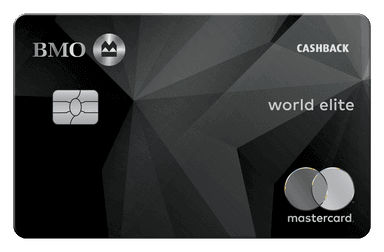
Grocery is the most competitive category. Once the value of points is taken into account, the American Express Cobalt® Card dominates with an effective yield of 8.5%. For pure cash back, the BMO® CashBack World Elite® leads at 5%.
Also check out our best credit cards for groceries.
| Card | Rate | Estimated return | Cap |
|---|---|---|---|
| American Express Cobalt® Card | 5 pts/$ | ≈ 8.5% | $2,500/month (combined dining) |
| BMO CashBack® World Elite®* Mastercard®* | 5 % | 5 % | $500/statement |
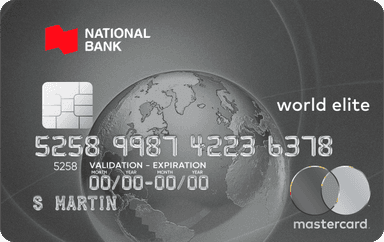
| National Bank World Elite Mastercard | 5 pts/$ | ≈ 4.5% | $2,500/month in total spending |
| Scotia Momentum® Visa Infinite + | 4 % | 4 % | $25,000/year (4% pool) |
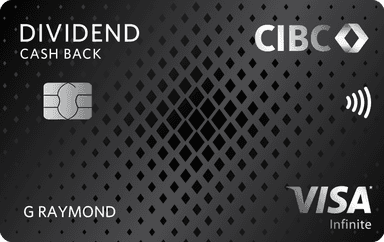
| CIBC Dividend® Visa Infinite* Card | 4 % | 4 % | $20,000/year (groceries and gas) |
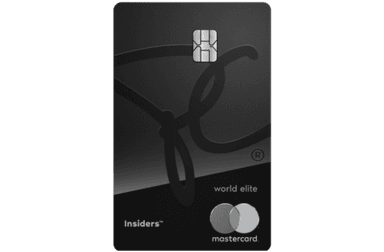
| PCMD World EliteMD Loyalists | 40 pts/$ | ≈ 4% at Loblaw | Unlimited |
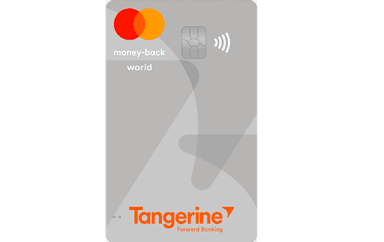
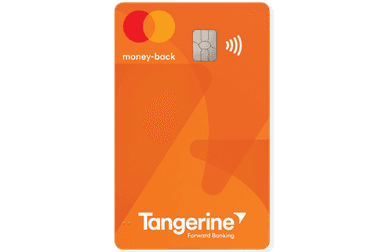
| Tangerine Money-Back Credit Card | 2 % | 2 % | Unlimited |
| Credit card | Annual fee | Welcome offer | |
|---|---|---|---|
| $191.88 | |||
| $0 | |||
| $0 |
For gas, the CIBC Dividend® Visa Infinite offers 4% in cash back, the best guaranteed rate. PC Optimum cardholders also enjoy a good return at Esso and Mobil.
See our best cards for gas and transportation.
| Card | Rate | Estimated return | Cap |
|---|---|---|---|
| CIBC Dividend® Visa Infinite* Card | 4 % | 4 % | $20,000/year (groceries and gas) |
| CIBC Dividend® Platinum Visa | 3 % | 3 % | $20,000/year |
| PCMD World MastercardMD | 30 pts/$ | ≈ 3% at Esso | Unlimited |
| Scotia Momentum® Visa Infinite + | 2 % | 2 % | $25,000/year (2% pool) |
| Tangerine Money-Back Credit Card | 2 % | 2 % | Unlimited |
| Credit card | Annual fee | Welcome offer | |
|---|---|---|---|
| $0 | |||
| $0 | |||
| $0 |
Public transit is often mistakenly grouped with gas. Several cards reward it separately and sometimes better. The TDMD AeroplanMD Visa Infinite Privilege leads with 6 points per dollar on transit passes and taxis.
| Card | Rate | Estimated return | Cap |
|---|---|---|---|
| TDMD AeroplanMD Visa Infinite Privilege | 6 pts/$ | ≈ 3% | $25,000/year per category |
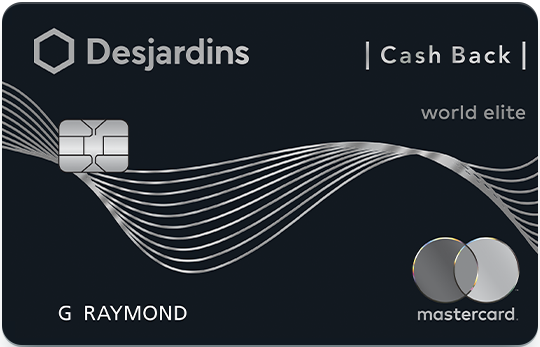
| Desjardins Cash Back World Elite | 3 % | 3 % | Uncapped |
| Tangerine Money-Back Credit Card | 2 % | 2 % | Unlimited |
| Credit card | Annual fee | Welcome offer | |
|---|---|---|---|
| $0 | |||
| $100 |
At restaurants, the American Express Cobalt® Card dominates with an effective yield of 8.5%, within the same combined cap as groceries. For cash back, the Neo World Elite® Mastercard offers up to 5%.
See our best cards for restaurants.
| Card | Rate | Estimated return | Cap |
|---|---|---|---|
| American Express Cobalt® Card | 5 pts/$ | ≈ 8.5% | $2,500/month (combined groceries) |
| National Bank World Elite Mastercard | 5 pts/$ | ≈ 4.5% | $2,500/month in total spending |
| TDMD AeroplanMD Visa Infinite Privilege | 6 pts/$ | ≈ 3% | $25,000/year per category |
| Neo World Elite® Mastercard | up to 5% | up to 5% | $1,000/month |
| Desjardins Cash Back World Elite | 3 % | 3 % | $6,000/year |
| Credit card | Annual fee | Welcome offer | |
|---|---|---|---|
| $191.88 | |||
| $0 | |||
| $0 |
Pharmacy is an often-overlooked category, yet very rewarding with the right program. At Shoppers Drug Mart and Pharmaprix, PC Optimum cards offer the best return in the country, with no cap.
| Card | Rate | Estimated return | Cap |
|---|---|---|---|
| World Elite Mastercard PC | 45 pts/$ | ≈ 4.5% at Shoppers Drug Mart | Unlimited |
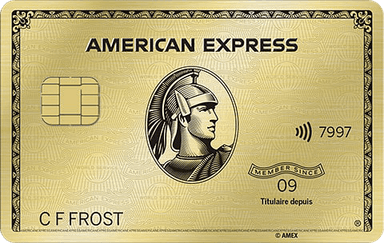
| American Express® Gold Rewards Card | 2 pts/$ | ≈ 3.4% | Uncapped |
| Credit card | Annual fee | Welcome offer | |
|---|---|---|---|
| $0 | |||
| $250 |
Recurring payments and telecom bills form a stable and easy-to-optimize category. The Scotia Momentum® Visa Infinite + offers 4% on pre-authorized payments, while several points cards target telecom separately.
| Card | Category | Rate | Estimated return | Cap |
|---|---|---|---|---|
| Scotia Momentum® Visa Infinite + | Recurring payments | 4 % | 4 % | $25,000/year (4% pool) |
| BMO AscendMD World EliteMD | Recurring | 3 pts/$ | ≈ 3.3% | Unlimited |
| Credit card | Annual fee | Welcome offer | |
|---|---|---|---|
| $0 | |||
| $0 |
Thus, with Chexy, cards that offer accelerated rewards on recurring payments come out on top. Here are the best options in Canada.
Entertainment and streaming services, like Netflix or Spotify, are rewarded by a growing number of cards. The American Express Cobalt® Card and the TD® Aeroplan® Visa Infinite* Privilege are among the best.
| Card | Rate | Estimated return | Cap |
|---|---|---|---|
| TDMD AeroplanMD Visa Infinite Privilege | 4 pts/$ | ≈ 2% | $25,000/year per category |
| American Express Cobalt® Card | 3 pts/$ | ≈ 5.1% | Uncapped |
| Desjardins Cash Back World Elite | 3% (entertainment) | 3 % | Uncapped |
Travel includes flights, hotels, and sometimes rentals. High-end travel cards offer their best multipliers here, especially through their booking portals. Compare our best travel credit cards.
For Air Canada loyalists, the American Express Aeroplan Reserve Card offers up to 85,000 Aeroplan points as a welcome bonus, on top of Maple Leaf Lounge access.
| Card | Travel Rate | Estimated return | Detail |
|---|---|---|---|
| TDMD AeroplanMD Visa Infinite Privilege | up to 8 pts/$ | ≈ 4% | Via TD Travel Portal (Expedia) |
| Scotia Passport™ Visa Infinite Privilege | 3 pts/$ | ≈ 3% | On travel and entertainment |
| BMO AscendMD World EliteMD | 5 pts/$ | ≈ 3.3% | On travel and recurring |
| American Express Cobalt® Card | 2 pts/$ | ≈ 3.4% | Via American Express Travel Kit |
Office supplies are a category specific to business cards. They offer high rates here, useful for self-employed individuals and SMEs. Discover our best business credit cards.
| Card | Office Rate | Estimated return | Cap |
|---|---|---|---|
| BMO AscendMD World EliteMD for Business | 4 pts/$ | ≈ 2.7% | Unlimited |
| TD Business Cash Back Visa* | 2 % | 2 % | According to conditions |
Most accelerated rates stop after a certain amount. Thus, a heavy grocery shopper could exceed the limit by mid-month and fall back to the base rate, often 1%. This section gathers the caps for the main Canadian cards, verified as of July 2026 on the issuers’ official websites.
A $6,000 annual cap and a $500 monthly cap are not equal, even if they total the same amount. Indeed, the unit of measurement changes everything.
Here are the caps to know, classified by category. The last column indicates the rate applied once the limit is reached.
Some cards add a limit on total purchases, in addition to the caps per category. As soon as the first of the two limits is reached, the accelerated rate disappears.
| Card | Overall cap | Reset | After cap |
|---|---|---|---|
| CIBC Dividend® Visa Infinite* Card | $50,000/year (net purchases) | December statement | 1 % |
| CIBC Dividend Platinum® Visa* Card | $30,000/year | December statement | 1 % |
| Neo World Elite Mastercard (Everywhere) | $4,000/month | Calendar month | 1 % |
The shared cap that depletes twice as fast. The Scotiabank Momentum Visa Infinite + card offers 4% on groceries and recurring bills. However, these two categories share a single $25,000 annual cap. If your bills already eat up $10,000, only $15,000 remains for groceries at the high rate.
The counter based on total spending. The National Bank World Elite Mastercard pays 5 points on groceries and restaurants. However, its $2,500 monthly cap is calculated on your total spending, not just on these categories. Every purchase, even outside these categories, brings you closer to the limit.
The December reset. CIBC Dividend cards do not follow the calendar year. In fact, their caps reset with the December statement. Someone who receives their card in June therefore has a shortened first period.
No single card dominates all categories. The best strategy combines two or three cards, each dedicated to your largest expenses. For example, a points card for groceries and restaurants, a cash back card for gas and bills.
First, analyze your monthly budget by category. Then, consider the value of points and caps to avoid paying annual fees without achieving the promised return. Our credit card comparator calculates your value based on your spending profile.
To pick the card that will maximize your priority categories, also check out our selection of the best credit card offers this month.
Here are frequently asked questions in the Milesopedia community about credit card spending categories.
A spending category groups similar purchases, such as groceries, gas, or restaurants. Each card assigns a different earning rate per category. Thus, the same purchase earns more or less depending on the card used.
You need to multiply the rate by the point value. For example, 5 American Express Membership Rewards points are worth approximately 8.5%, because one point is worth 1.7 cents. Conversely, 5 BMO points are worth approximately 3.3%. Cash back, however, is always worth its exact percentage.
Because most bonus rates are capped. Beyond a monthly or annual amount, the rate reverts to the base level. For example, the American Express Cobalt® Card limits its 5 points to $2,500 in spending per month.
In terms of real return, the American Express Cobalt® Card leads with approximately 8.5% thanks to its 5 Membership Rewards points. For cash back, the BMOMD Cash Back World EliteMD offers 5% on the first $500 per statement. For an uncapped return, PC Optimum cards shine at Loblaw.
Yes, and it’s often the best strategy. You use one card for groceries, another for gas, and a third for bills. This way, you maximize each category while respecting each card’s caps.
The Tangerine Money-Back Credit Card at 2%, Scotiabank Scene+, and PC Optimum cards accumulate without limit in their bonus categories. They are therefore suitable for high spenders who would quickly exceed the caps of other cards.
on BMO's website
Our reviews and rankings are based on an objective assessment. Advertisers do not influence our content. We may receive compensation through some links; our analysis and opinions remain independent.