Digital Nomad Travel Insurance: What You Need to Know

Loading article…
Working from a café in Lisbon, a coworking space in Mexico City or a seaside apartment in Bali: this lifestyle draws hundreds of thousands of new converts each year. In 2025, there were more than 40 million digital nomads worldwide, according to MBO Partners data, up 153% since 2019. In Canada, the share of remote workers who have adopted a nomadic lifestyle has risen sharply since the pandemic.
What this freedom means for protection, many learn the hard way. An emergency hospitalization in Mexico, a medical evacuation from Southeast Asia or a forced interruption for medical reasons: the financial consequences can exceed $25,000 without suitable insurance. Coverage built for long stays, like soNomad‘s, sharply reduces that risk.
A digital nomad does not leave for a two-week vacation. They settle for several months in a country, sometimes several in a row. That is precisely the scenario classic travel insurance policies were not designed to cover.
The first limit: duration. The vast majority of single-trip travel policies cap medical coverage at 30 or 60 consecutive days. A four-month stay in Barcelona followed by three months in Medellín leaves entire months without protection. If an accident or serious illness occurs outside the covered window, the costs are entirely on you.
The second limit: mobility. Standard policies are often tied to a single destination or a fixed geographic zone. A nomad who changes country every six to twelve weeks regularly enters a contractual grey area: coverage may apply to the departure destination, but not to unplanned stopovers or detours.
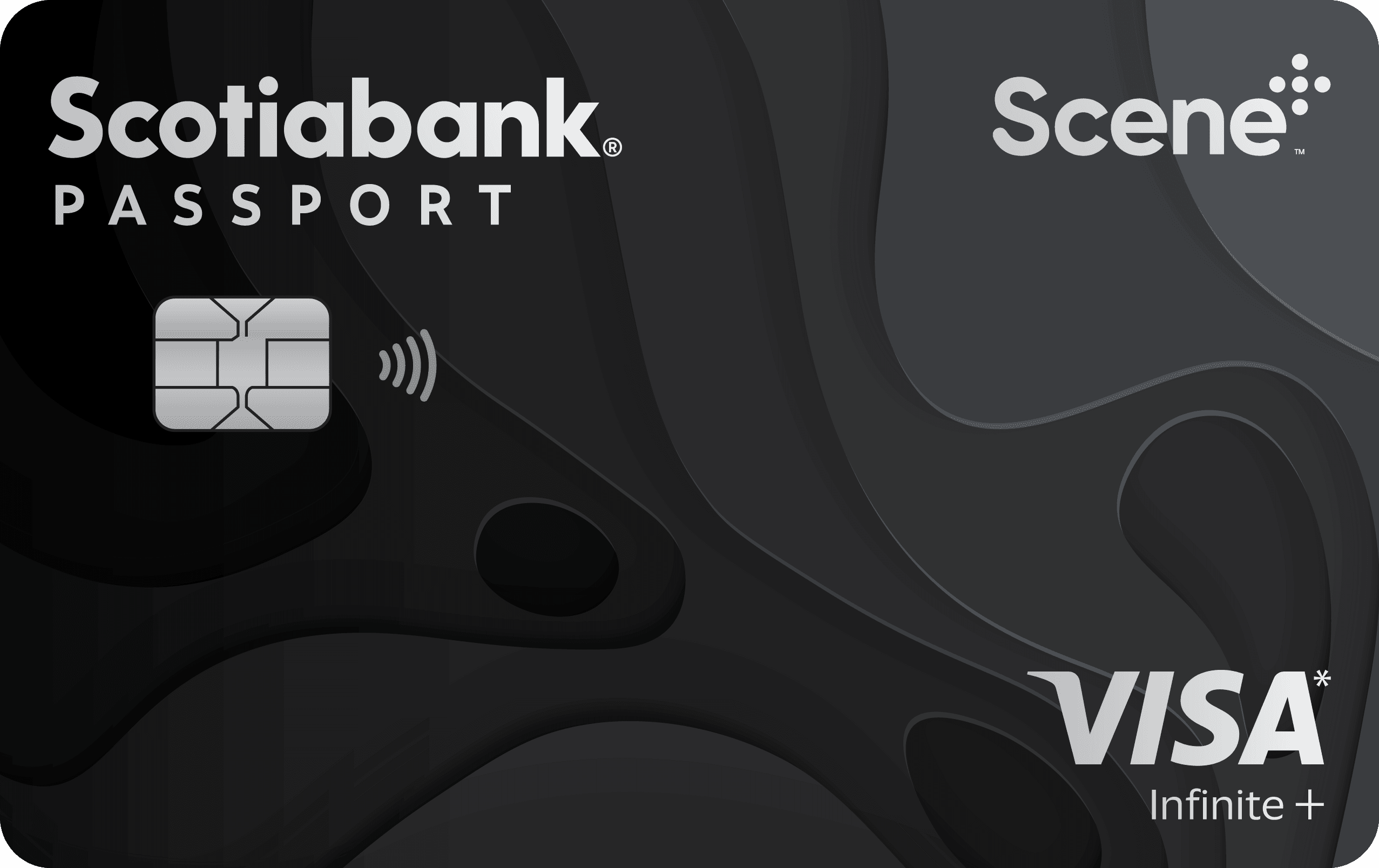
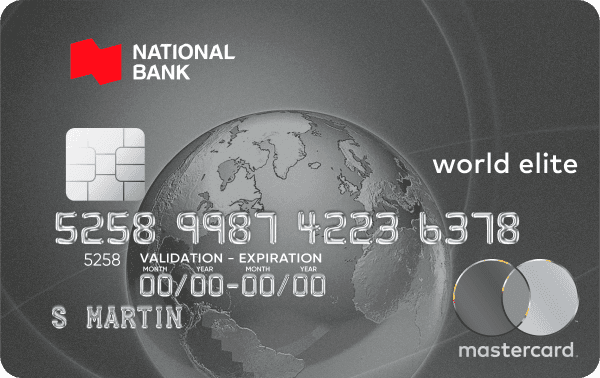
Several premium cards include emergency medical coverage of up to 60 days. That is a useful base for short stays. But for a nomad, three obstacles come up again and again.
Our comparison of the best credit cards for travel insurance and our guide to saving on travel insurance describe these conditions precisely for the main Canadian cards.
Abstract figures do not land the same way as a real bill. Here are documented orders of magnitude, drawn from international providers and health organizations.
United States: without insurance, a single night in intensive care can exceed US$5,000. An uncomplicated appendectomy is billed between US$25,000 and US$45,000. A medical evacuation to your country of residence costs, depending on distance and patient condition, between US$25,000 and US$100,000.
Europe: costs are more variable. In France, a day of hospitalization is billed on average around €518 to foreigners not covered by social security. In Norway or Switzerland, that daily rate exceeds €1,200. Monaco tops the list of most expensive countries at more than €3,000 per day.
Asia and Latin America: costs look more accessible, but a prolonged hospitalization in a quality private facility (the only safe option in several countries) can exceed $20,000 depending on length and type of care. Medical evacuations from remote destinations like Indonesia or Peru easily reach $50,000 to $80,000.
The average cost of a hospitalization abroad across all destinations exceeds $25,000 in 2025, according to Geodesk. Without coverage, that bill lands entirely on you, often with a demand for immediate payment before treatment.
Beyond the coverage amount, three practical variables determine whether a policy truly suits the nomad lifestyle.
An annual multi-trip policy generally covers individual trips of up to 30 or 60 days. If you stay six months in one place, you are no longer within a « trip » as the contract defines it. You then need long-stay or expat insurance, distinct from classic travel insurance.
The confusion between these two product types is common and costly. A nomad who thinks they are covered by their credit card or annual policy for an eight-month stay abroad usually finds themselves unprotected after the first or second month.
Going from Portugal to Spain, then Morocco, then Mexico over six months: this kind of route is common among nomads. Some policies require declaring a single destination at purchase and do not cover route changes. Others work by geographic zone (Europe, worldwide) and offer more flexibility.
Before buying, check explicitly whether the coverage follows your itinerary or is fixed to the declared destination. Worldwide coverage with no destination restriction is the format best suited to the nomad lifestyle.
For a nomad, the laptop is a work tool. Stolen gear, a major breakdown or a forced hospitalization mean not only a direct cost but an immediate loss of income. Trip interruption insurance covers the non-recoverable costs of a forced interruption (changed flight, cancelled lodging, rebooking fees). It is a protection nomads often underrate, focusing first on medical coverage.
Since 2020, 69 countries have created a visa specifically for remote workers, according to the latest available data. Portugal, Spain, Costa Rica, Indonesia (Bali), Georgia, Thailand: the options have multiplied. But obtaining these visas systematically requires proof of medical coverage, with precise minimum thresholds.
Portugal, for example, requires insurance covering at least €30,000 of medical costs for the duration of the stay. Spain, with its « nómada digital » visa, imposes equivalent coverage. A classic 30-day travel insurance policy does not meet these requirements.
Our article on remote work in Central America illustrates the practical realities on the ground: each destination has its own administrative requirements, and insurance coverage is among the documents checked at entry or during visa procedures.
The tax question goes beyond travel insurance, but it deserves a mention: working remotely from another country does not automatically change your tax residence. Most countries require a stay of 183 days or more to trigger a local tax obligation. Below that threshold, nomads generally remain taxable in their home country.
That said, some countries levy taxes on income generated on their territory, even for short stays. Before accepting a long-stay visa, a consultation with an accountant specialized in international taxation is strongly advised. Travel insurance covers medical and logistical surprises, not unexpected tax obligations.
Here are the four protections to confirm explicitly before going nomad:
If you use a premium credit card as a first line of defence, our guide to the best cards with no foreign transaction fees will help you choose a card suited to daily spending abroad, alongside dedicated insurance.
on Scotiabank's website
soNomad offers travel insurance designed for extended stays, travellers in constant motion and digital nomads. The platform works with no intermediary: you set up your coverage directly online (destination or worldwide coverage, dates, protection level), get a price in minutes and buy immediately.
The plans cover emergency medical care, medical transport and repatriation, and trip interruption and cancellation. soNomad also offers coverage suited to digital nomad visa requirements, with ceilings that meet the thresholds set by the countries most popular with remote workers.
Our full review of soNomad and its travel insurance plans details the available options, the exclusions to know and the cases where this coverage is particularly relevant.
Customer service: 1-855-360-7225, Monday to Friday, 8:30 a.m. to 5 p.m.
Yes. Classic travel insurance covers short stays (30 to 60 days as a rule) in a specific destination. A nomad who spends several months abroad or changes country regularly quickly exceeds these limits. Long-stay or multi-destination insurance, like the plans soNomad offers, is better suited to this lifestyle.
Costs vary widely by country. In the United States, a night in intensive care can exceed US$5,000; an international medical evacuation commonly costs between US$25,000 and US$100,000. In Europe, daily hospitalization rates range from €500 (France) to more than €3,000 (Monaco). The global average of a hospitalization abroad exceeds $25,000 in 2025.
Generally no. Most premium cards cap medical coverage at 15, 31 or 60 days per trip. Beyond that, protection stops. The card’s coverage also often activates only if you used that card to pay part of the trip, which excludes many nomad-style stays.
Yes, in almost all cases. Portugal, Spain, Costa Rica and Indonesia (among others) require proof of medical coverage with precise minimum ceilings, often €30,000 or more. A standard 30-day travel insurance policy does not meet these requirements. You need coverage valid for the full duration of the visa.
It reimburses non-recoverable costs committed before a trip (flight, lodging, rental) if you must interrupt or cancel it for a covered reason: serious illness, death of a loved one, natural disaster or other unforeseen event. For a nomad, this can include rebooking or emergency repatriation costs.
Not automatically. Off-trail hiking, surfing, diving, motorcycling and climbing frequently appear in the exclusions of basic policies. You must either add a « high-risk sports » rider or choose a contract that includes these activities by default. Declare your planned activities at purchase to get written confirmation.
Not automatically. Most countries trigger a local tax obligation after 183 days of presence on their territory. Below that threshold, you generally remain taxable in Canada. Some countries apply different rules on income earned locally, however. A consultation with an accountant specialized in international taxation remains advisable before any extended stay.
The rate varies by duration, destination, age and chosen protections. For a three-month stay in Europe or Latin America, long-stay plans suited to nomads generally run between $150 and $400. That is a fraction of the potential costs of an uncovered medical emergency. Get a quote directly on the soNomad site to compare based on your situation.
on National Bank's website
Our reviews and rankings are based on an objective assessment. Advertisers do not influence our content. We may receive compensation through some links; our analysis and opinions remain independent.