

Tibet: Travel Guide | Itineraries and Must-sees
Planning a Trip to Tibet
My passion for photography led me to the roof of the world—Tibet!
There are three typical ways to get to Lhasa, the capital of Tibet.
- Flight from Kathmandu, Nepal
- Flight from Beijing, China
- Train from Xian, China
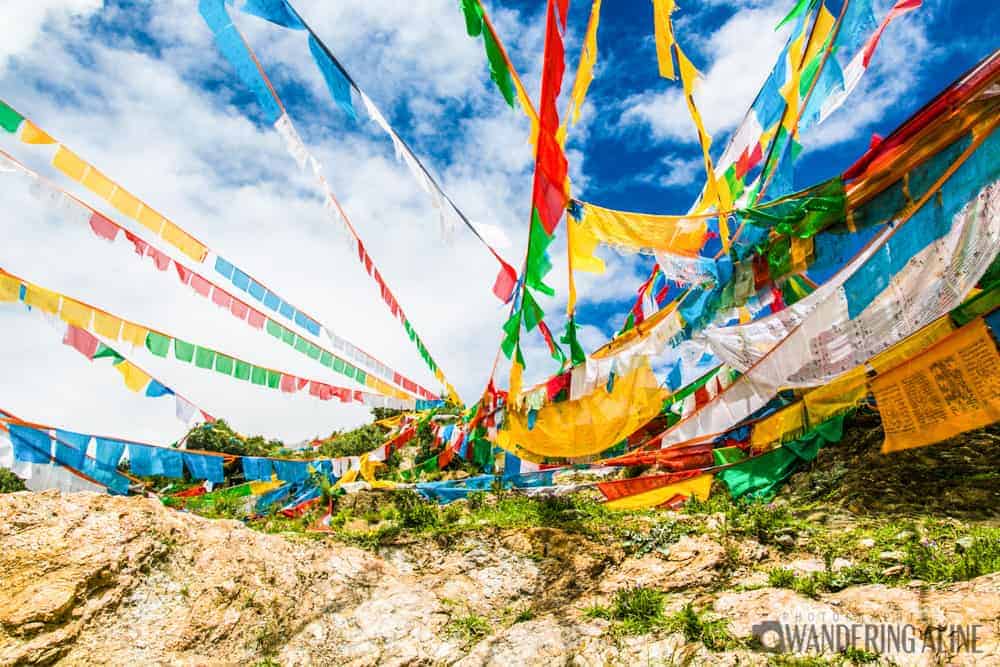
In my case, I traveled to Kathmandu, Nepal, where I joined my group.
By starting my trip in Nepal, I avoided having to obtain the additional visa required to enter China. I only needed the permit issued by the Tibet Autonomous Region, which my guide arranged for me once I arrived in Kathmandu.
The best time of the year for y aller ? The monsoon season in the Himalayas runs from June to August. I therefore suggest going in spring or autumn for better weather.
It is still cold in Tibet, even in summer. Don’t forget your raincoat and layers; the temperature changes quickly on the Tibetan plateau!
Tibet Travel Destinations
Kathmandu
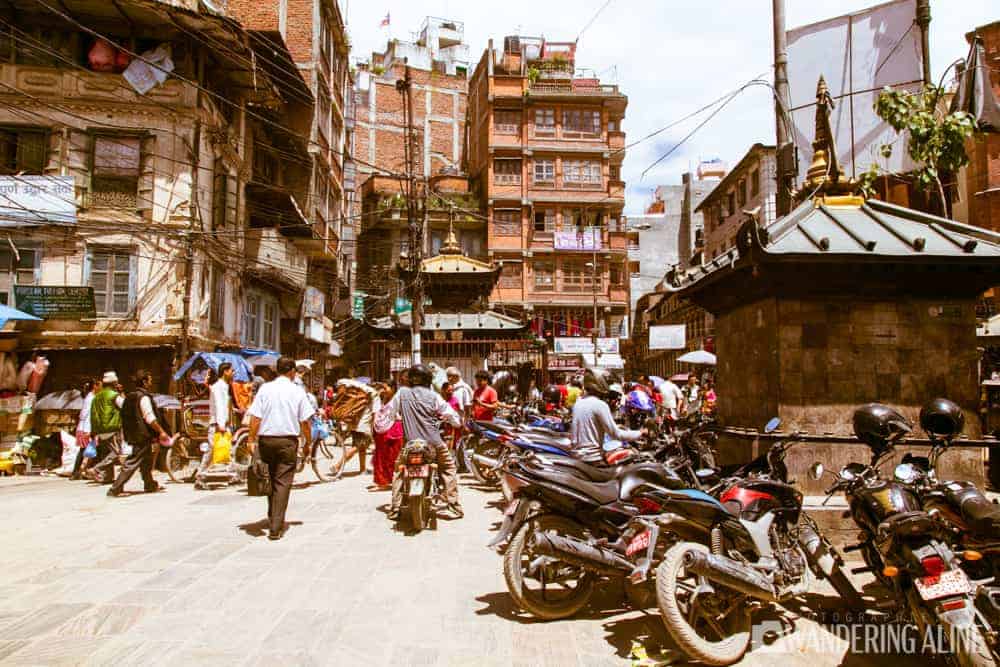
Kathmandu is a city full of soul. The atmosphere was as spiritual as it was chaotic. The shock was even more pronounced as I had just visited Doha during my stopover with Qatar Airways.
The capital of Nepal is the starting point for several hiking trips in the mountains as well as for the conquest of Everest. I recommend staying in the Thamel district, where you’ll find excellent restaurants. The heart of the city is at La Place du Darbâr.
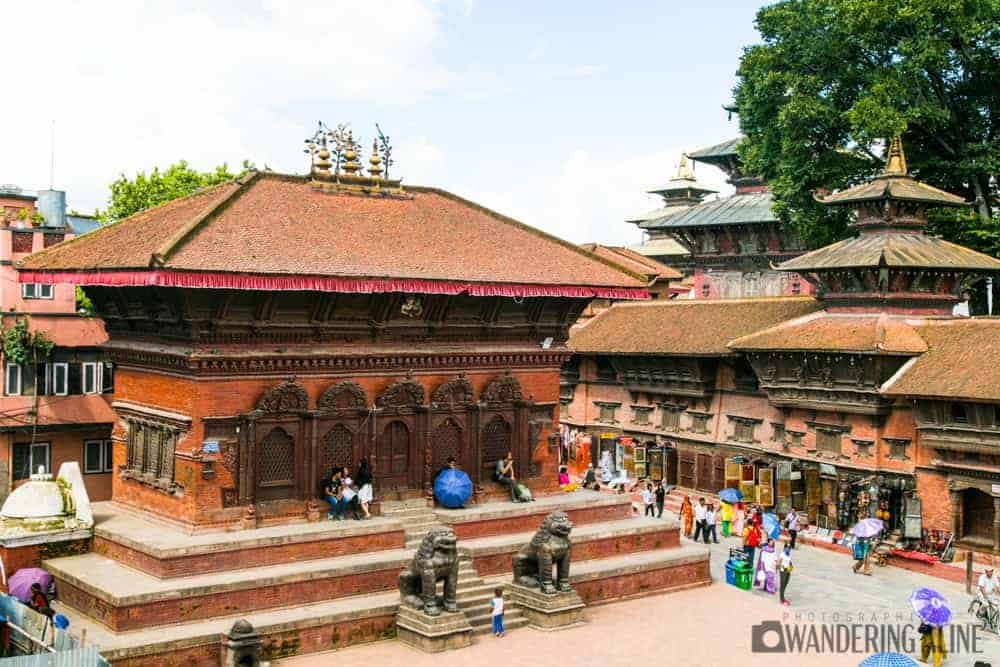
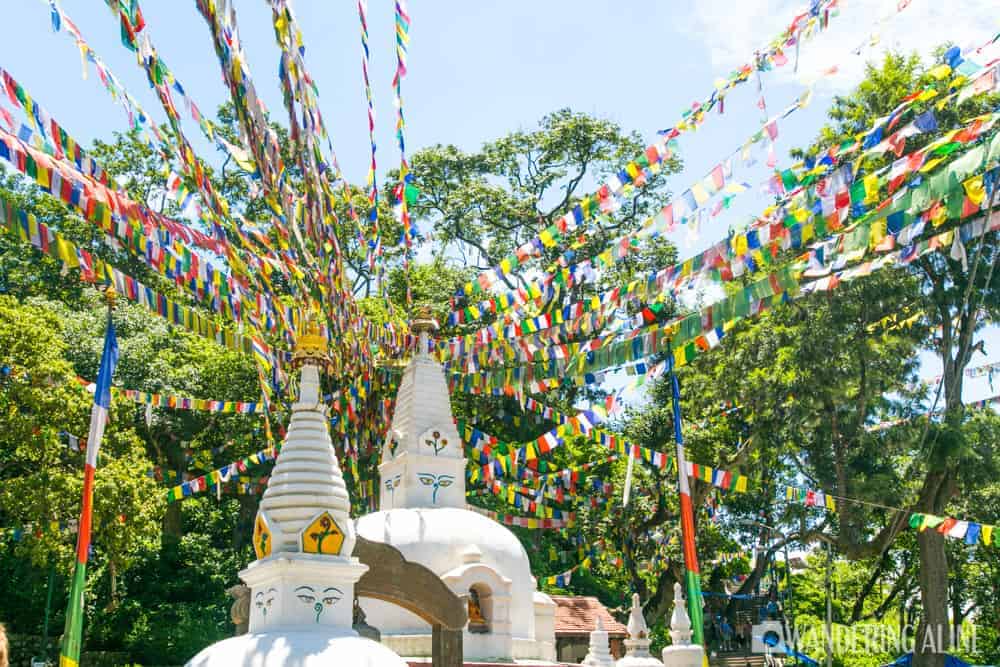
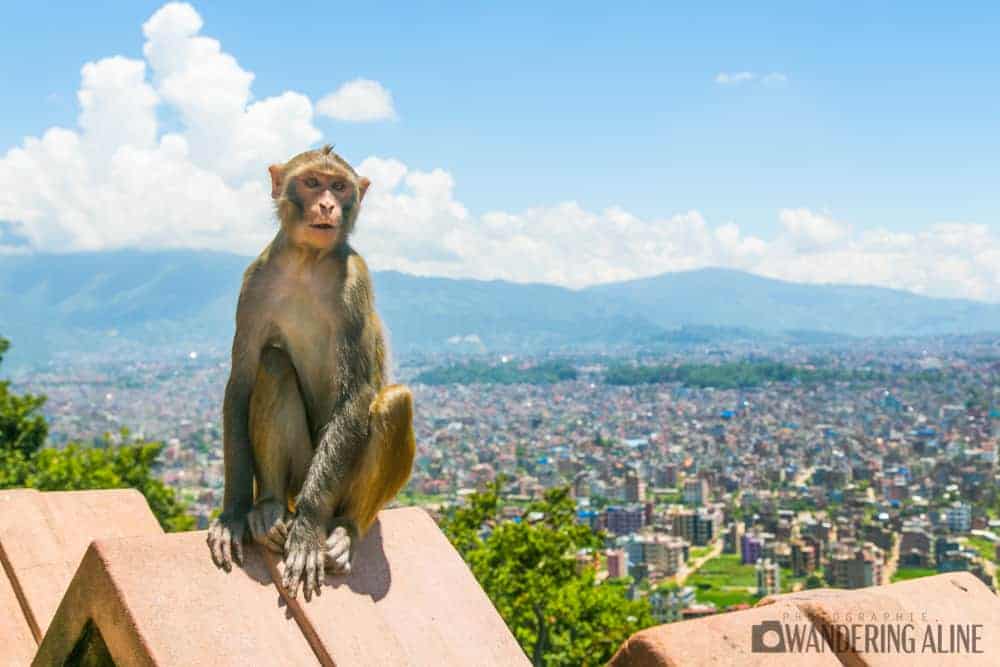
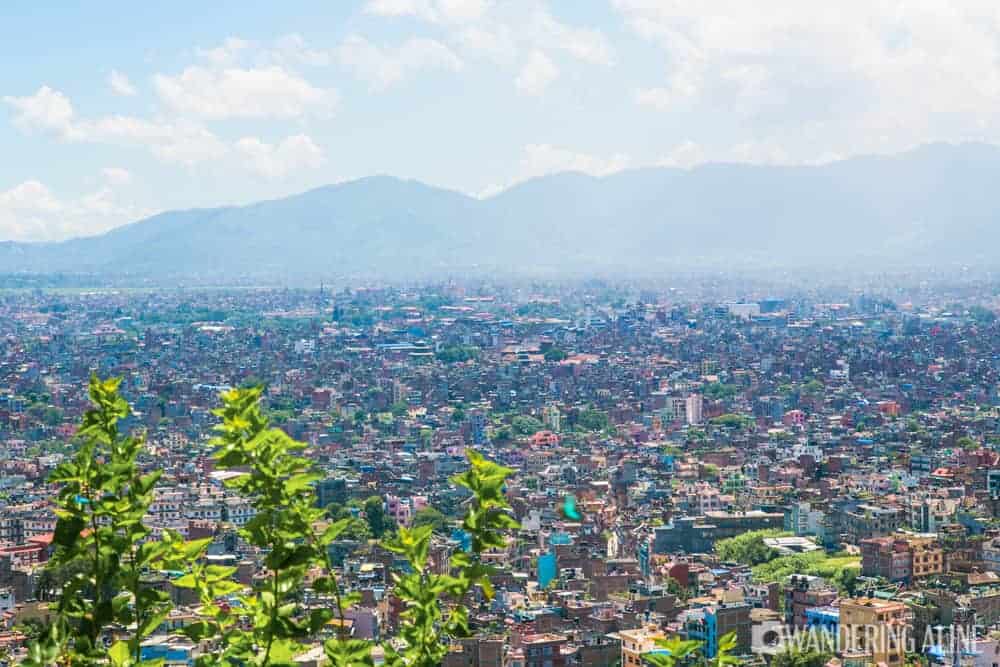
West of the city, I visited Swayambhunath Temple, also known as Monkey Temple. The views over Kathmandu are magnificent.
Next, don’t miss:
- the Hindu temple Pashupatinath
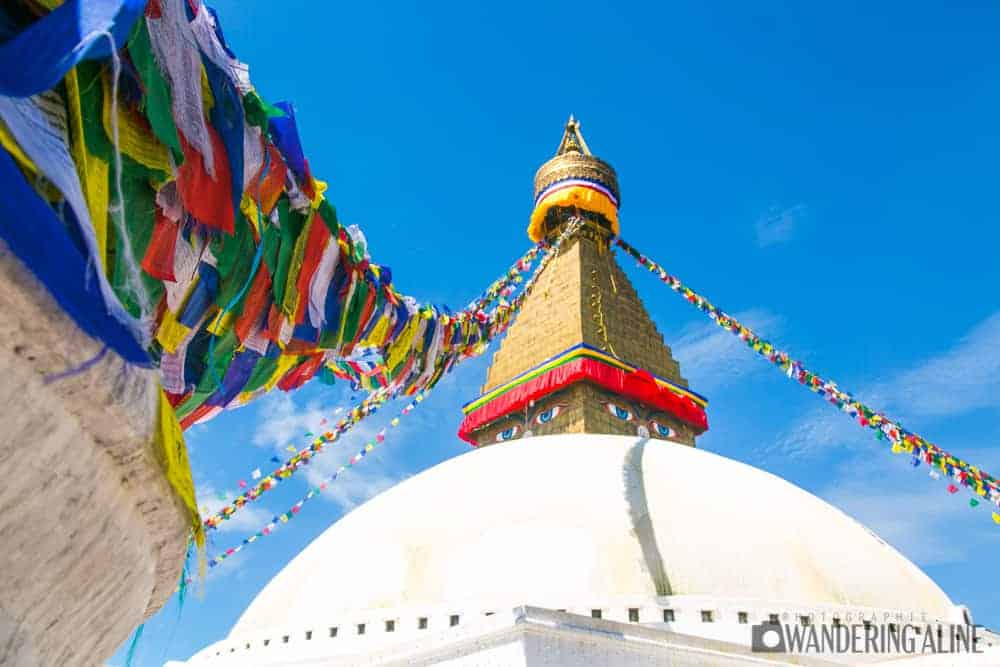
- the Buddha Stupa
The latter is one of the largest Buddhist monuments in Asia.
Lhasa
We took a flight with Air China to Lhasa.
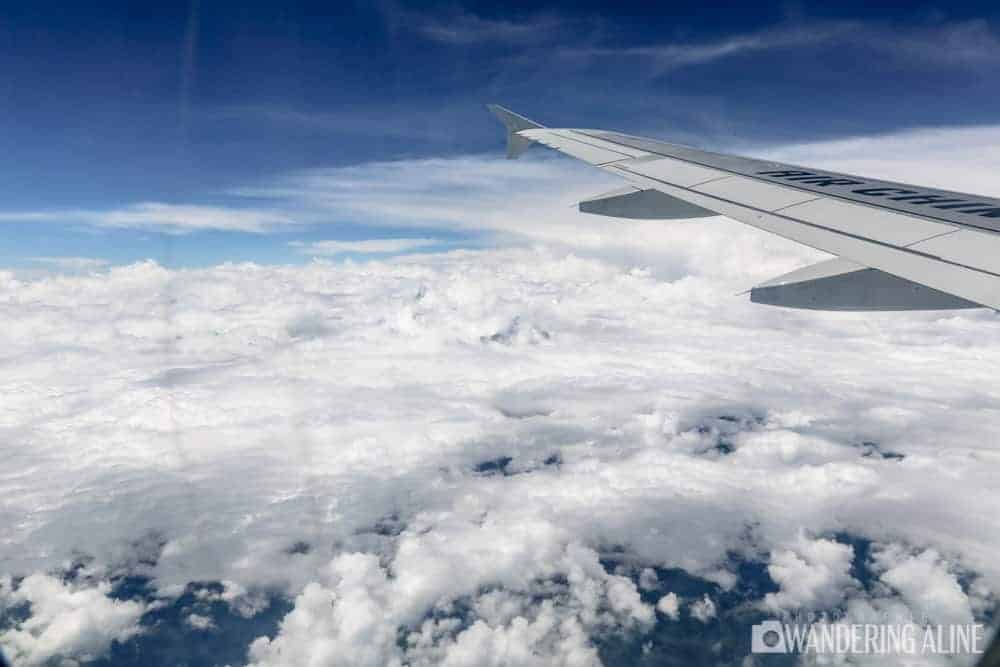
This flight crosses almost the entire Himalayas! For an incomparable view, ask for a window seat – on the left side of the plane – that is, seat “A”.
Halfway through my flight, from my porthole, I was able to briefly see Everest through the cloud mass. It is also possible to take a flight around Everest with certain agencies in Kathmandu.
When we arrived in Lhasa, we all immediately felt the effects of the altitude. Just getting up one floor in the hotel was a very physically demanding task. The city is located in the heart of the Tibetan plateau, 3,650 meters (12,000 feet) above sea level.
This was our base for the next four days as it was essential to acclimatize ourselves before continuing the journey.
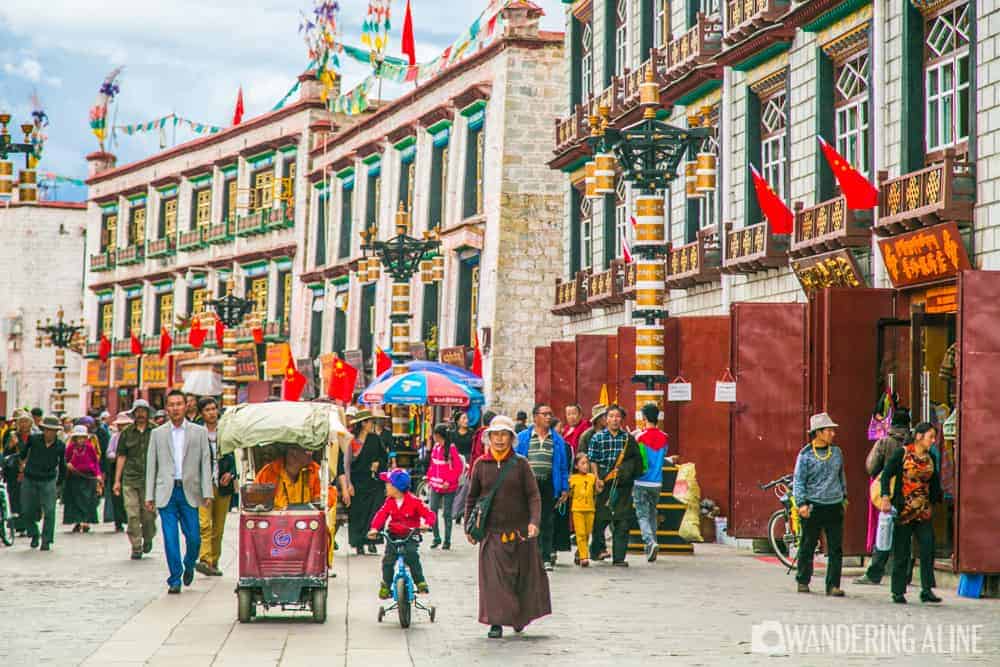
I went for a walk in the Barkhor district, which leads to the Jokhang Monastery.
This pilgrimage site is considered the spiritual center of Tibet. You could see people praying right in the middle of the street. There is a separate entrance for tourists where it is possible to attend ceremonies.
Photos weren’t allowed inside.
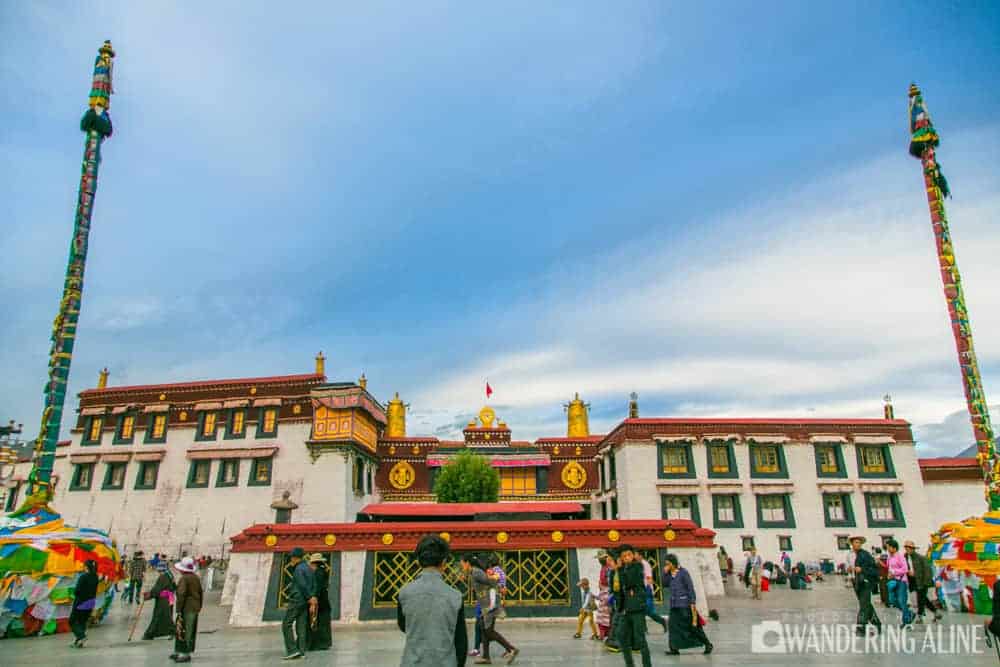
Then we visited the monastery of Sera, a school for monks.
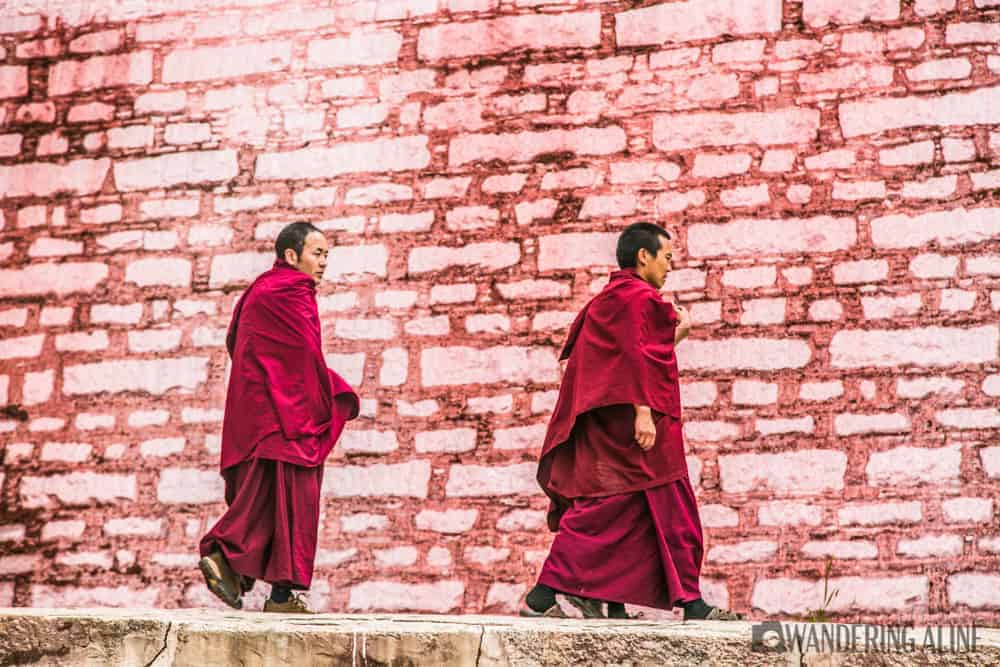
Although their courses and meditation periods are not accessible to the public, the monks conduct their discussions and debates in the outdoor courtyard.
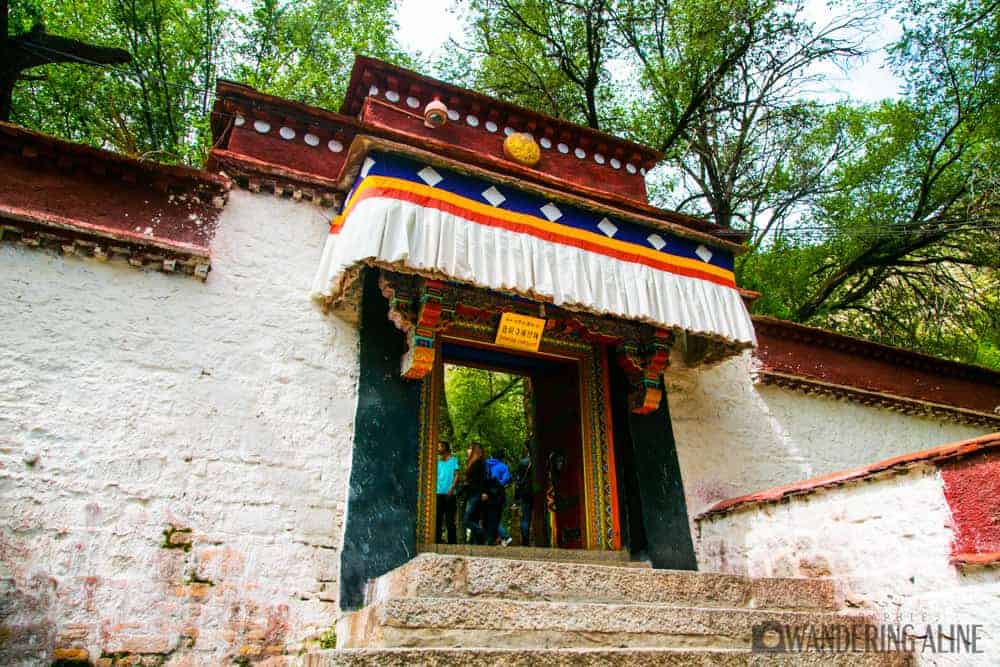
On the outskirts of Lhasa, there are many monasteries. One of the oldest is that of Ganden.
It is located on top of a hill and offers a breathtaking view. For those who have already acclimatised to the altitude, it is possible to climb an adjacent hill for a magnificent panorama of Ganden.
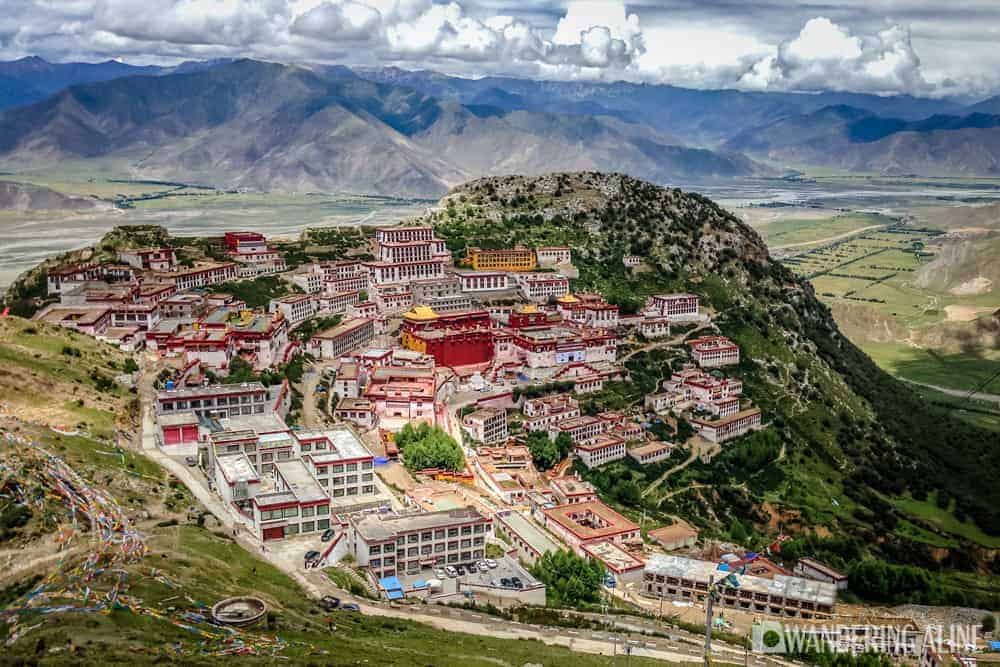
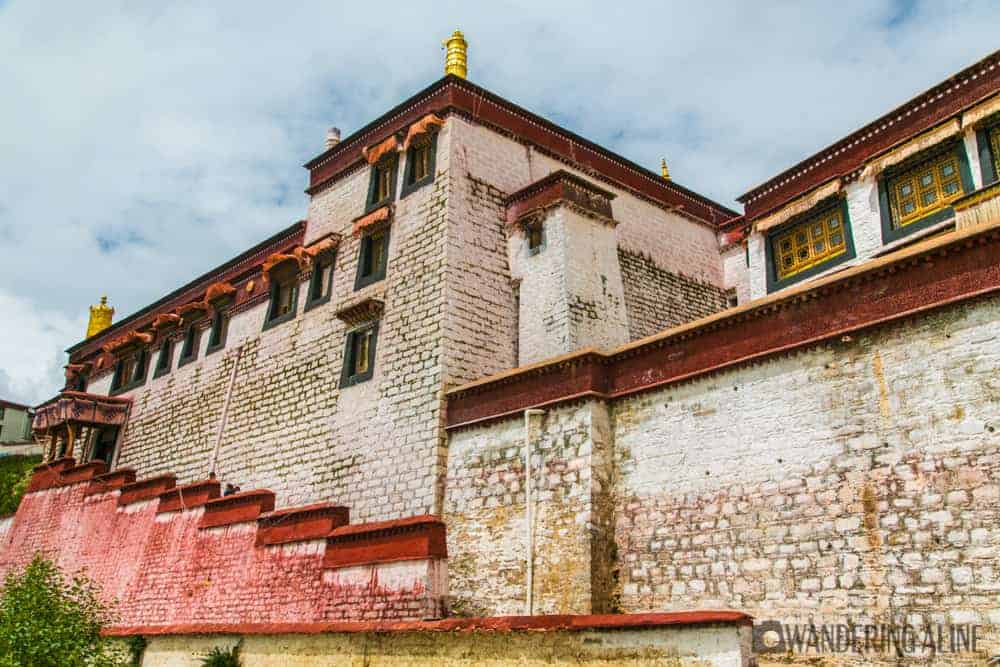
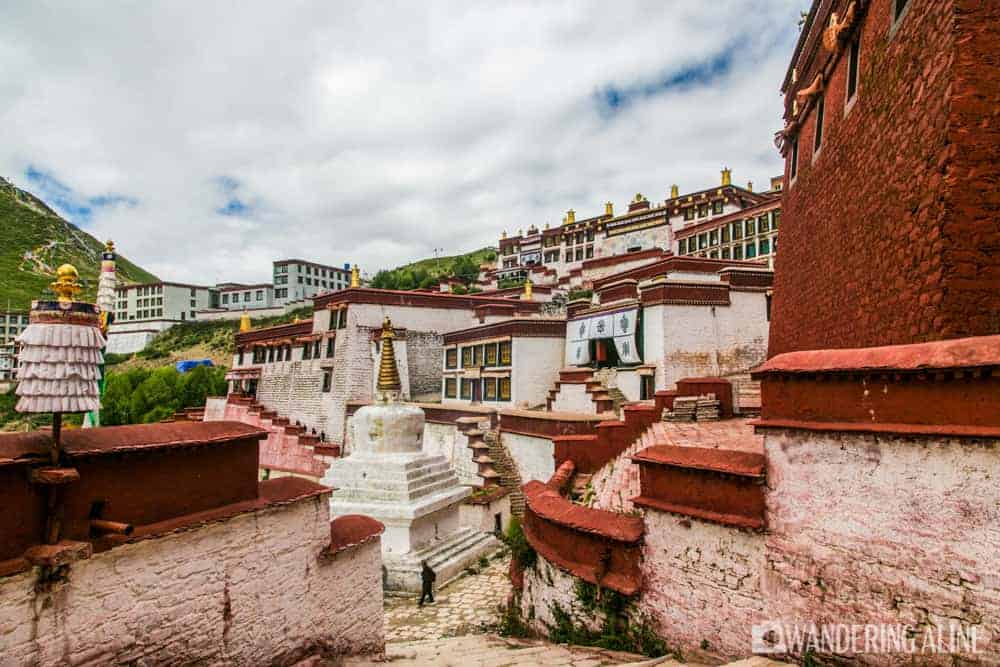
It was one of the few temples where it was possible to take pictures inside.
I loved walking around the monastery for the views of the valley.
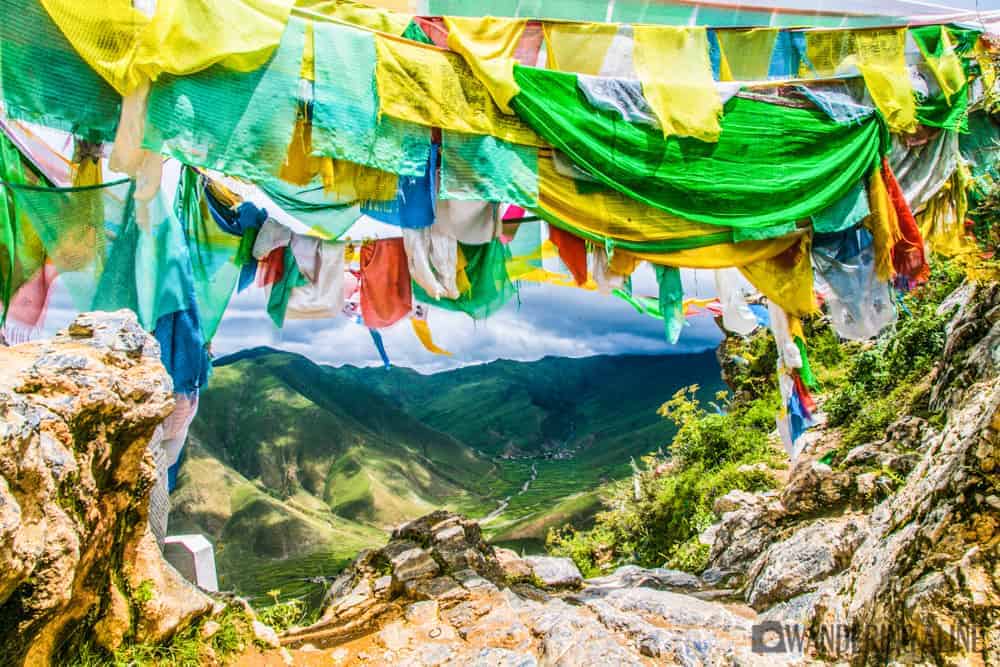
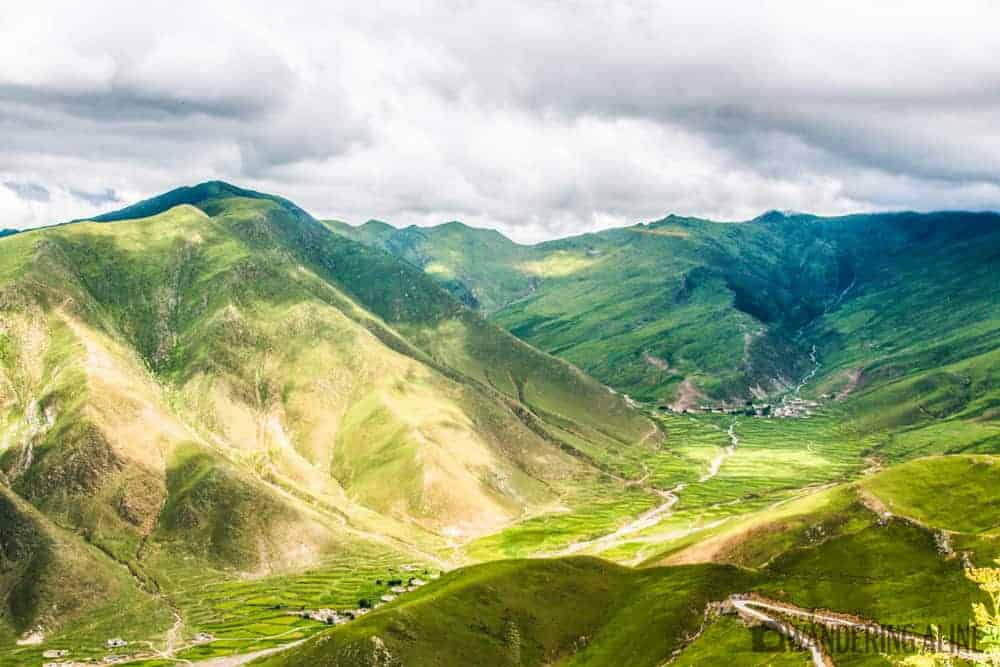
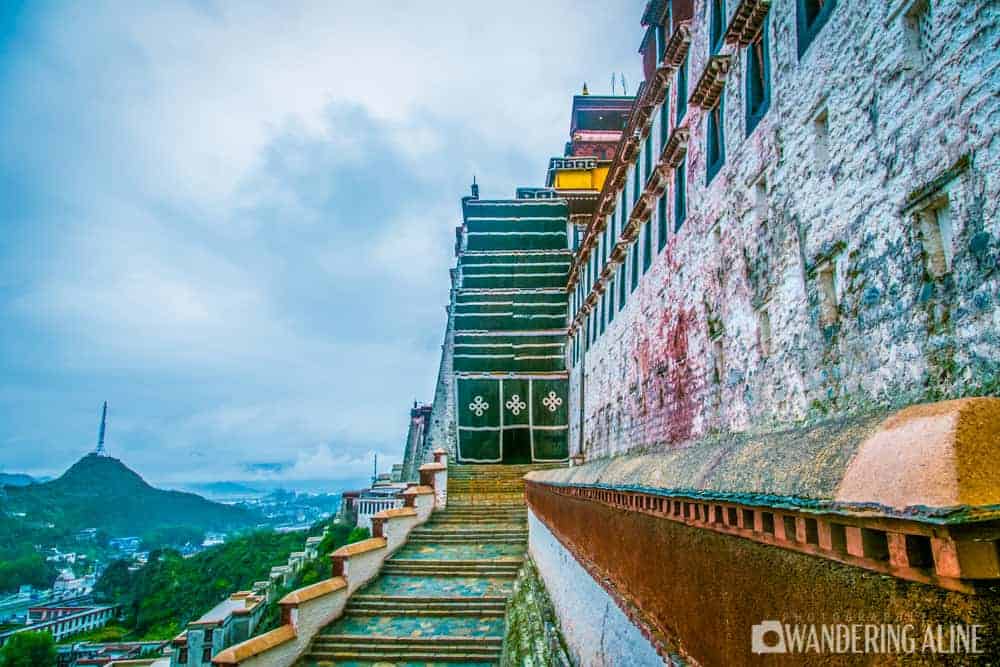
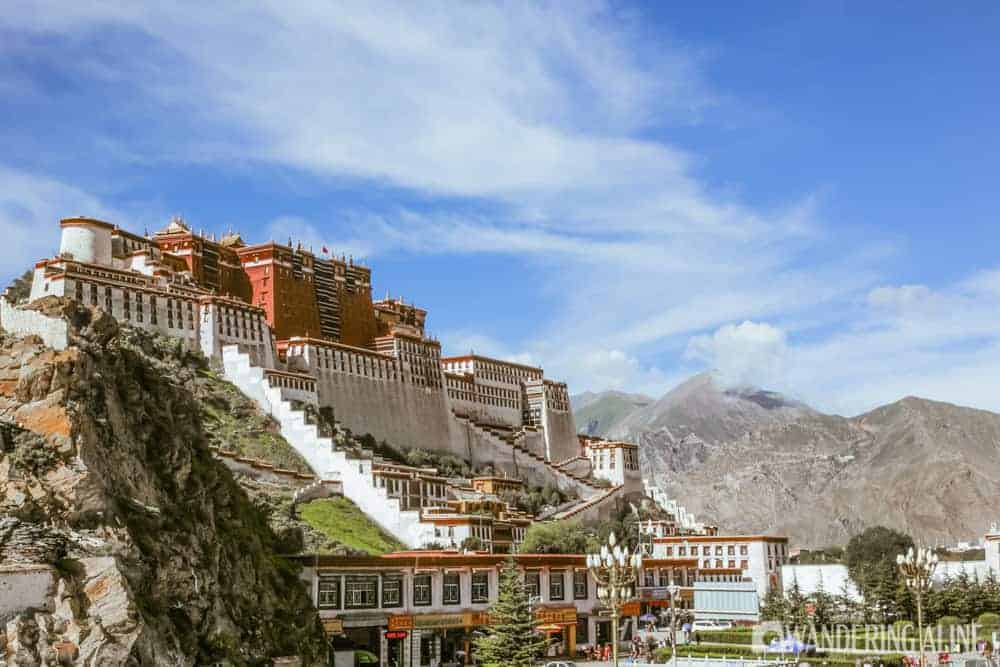
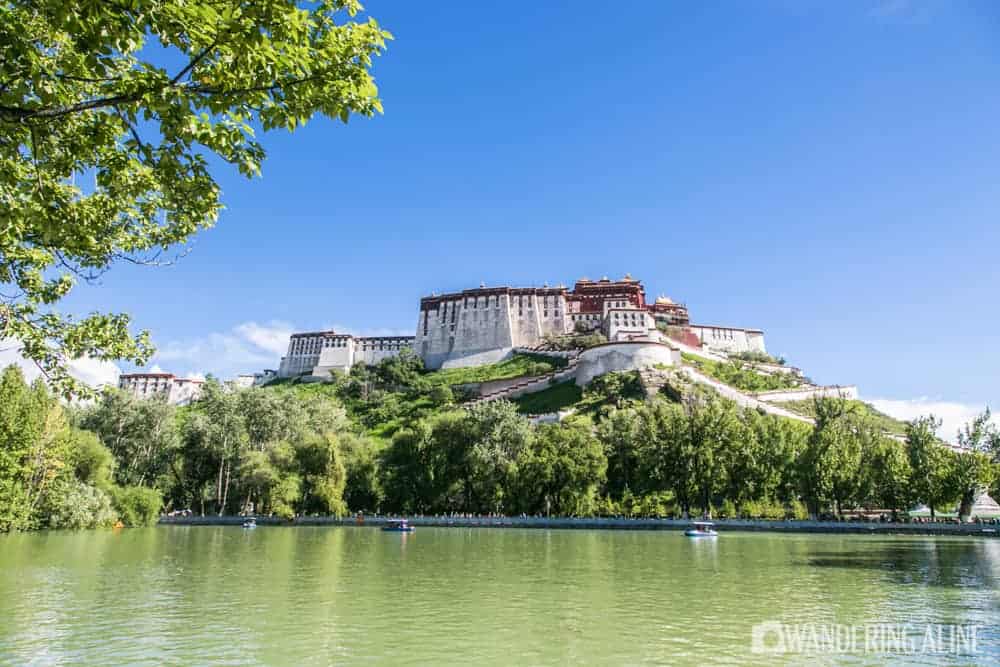
Finally, to complete the stay in Lhasa, we visited the Potala Palace.
This fortress was the home of the Dalai Lama and the seat of the Tibetan government until the 1959 rebellion, when Tibet lost its sovereignty.
This monument captured me by its grandeur.
Gyantsé
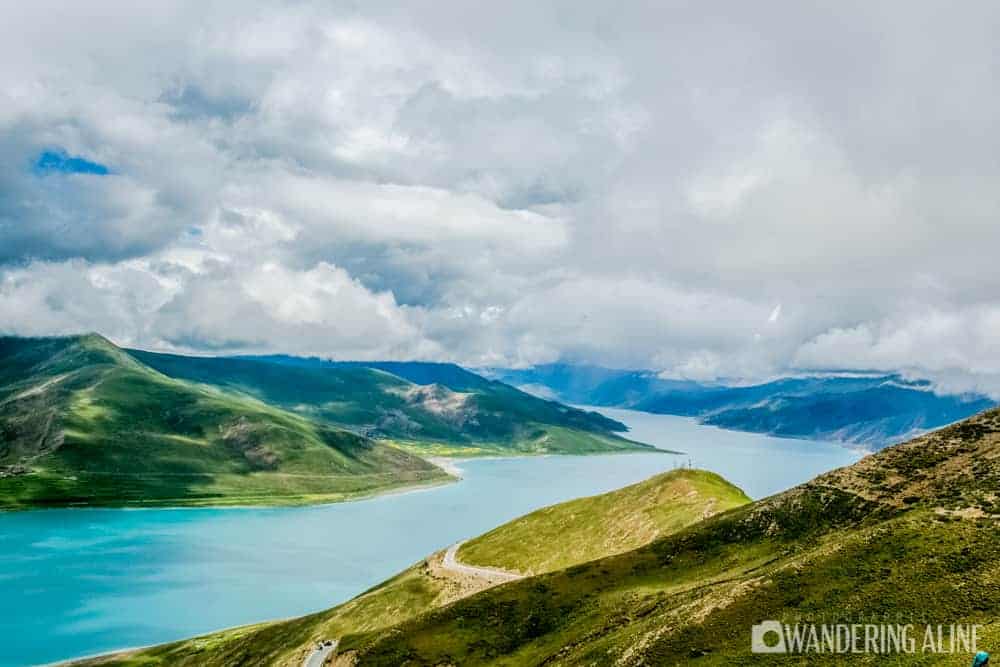
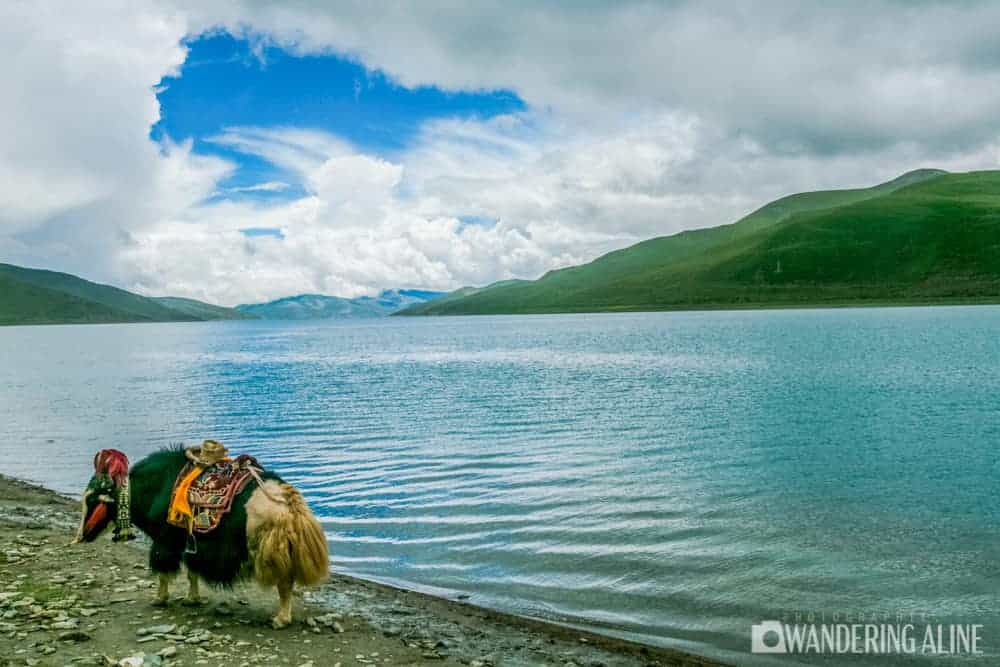
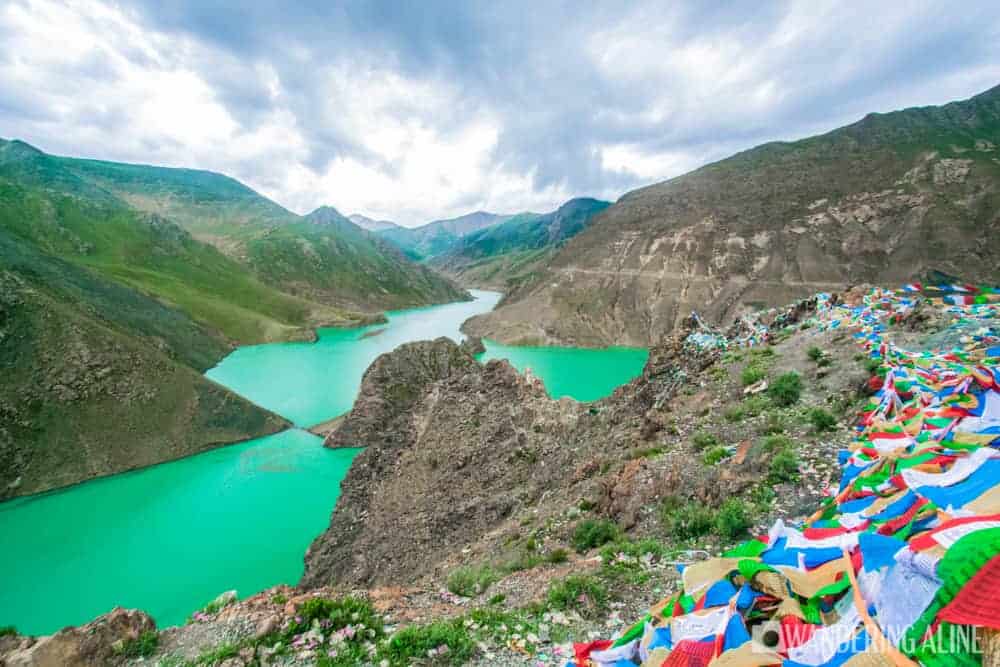
Then we went on a quest for the famous Tibetan Panoramas.
The restrictions and difficulty in obtaining a permit meant that there were no crowds on site. As a result, I was able to enjoy these incredible landscapes almost alone. We were able to stop several times in order to take nature’s pulse without being disturbed.
It was priceless.
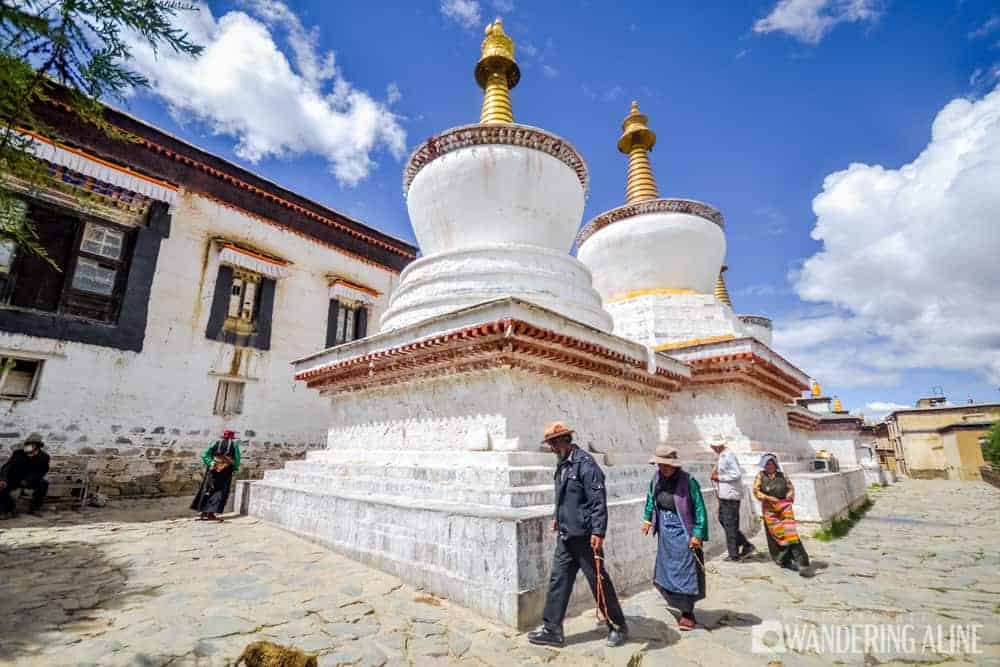
In Gyantse, a city in central Tibet, we visited Palcho Monastery, which houses the Kumbum.
The latter is the largest stupa in Tibet.
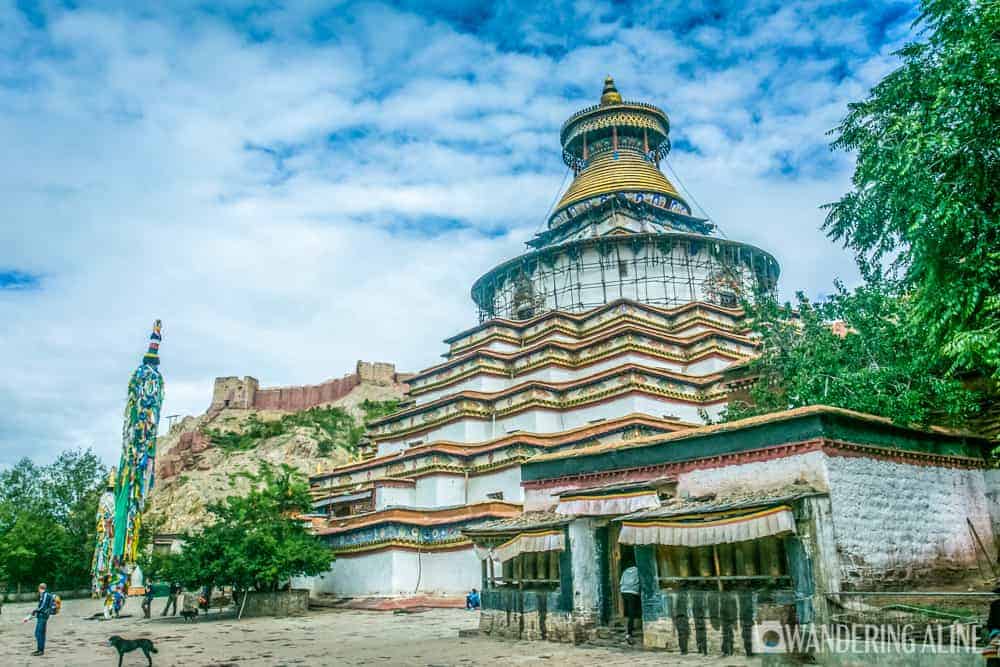
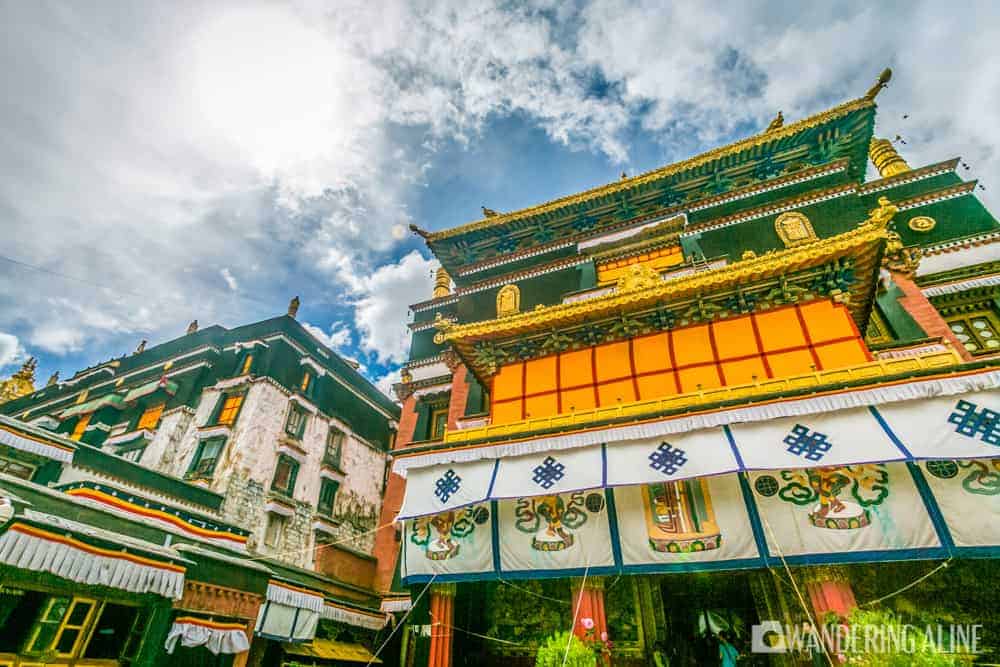
According to the rites of several religions, circling it clockwise promotes good karma.
Everest
The further west you went, the more rural it became.
The places we stayed had very rudimentary facilities; there is nothing luxurious about a trip to Tibet.
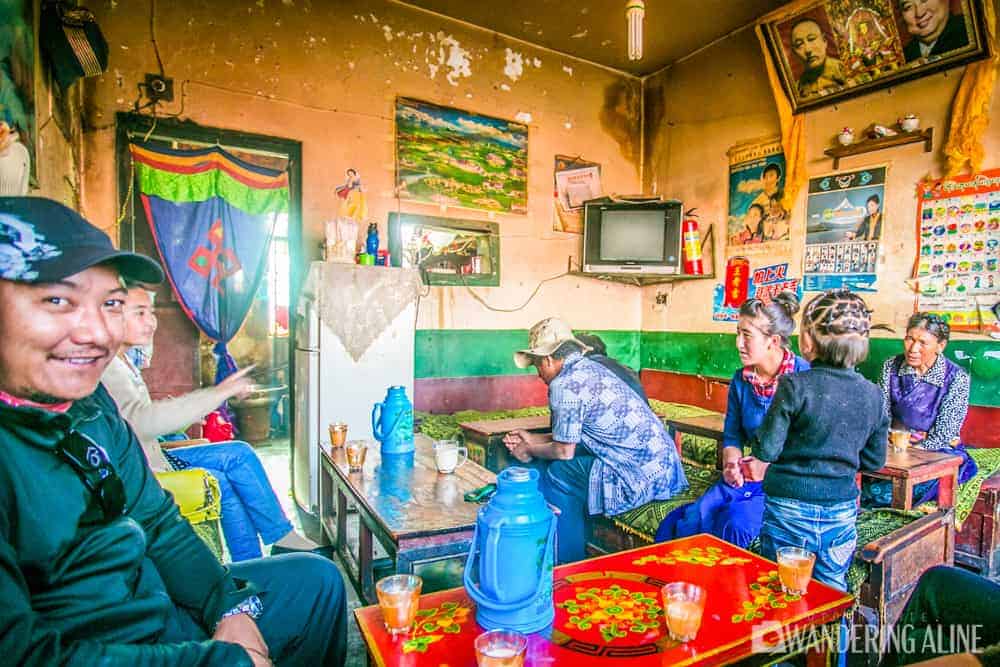
Yak is found everywhere and is central to Tibetan cuisine. It was common to warm up with yak butter tea!
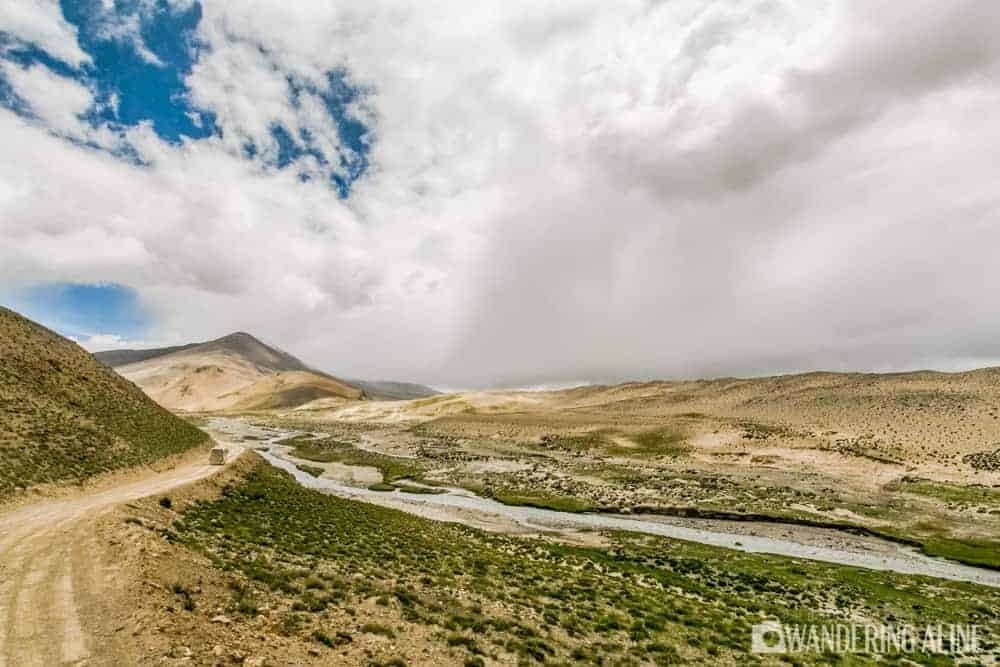
I’ve always had a weakness for wide open spaces because of the sense of freedom they give me.
A roadtrip in this region is certainly not boring!
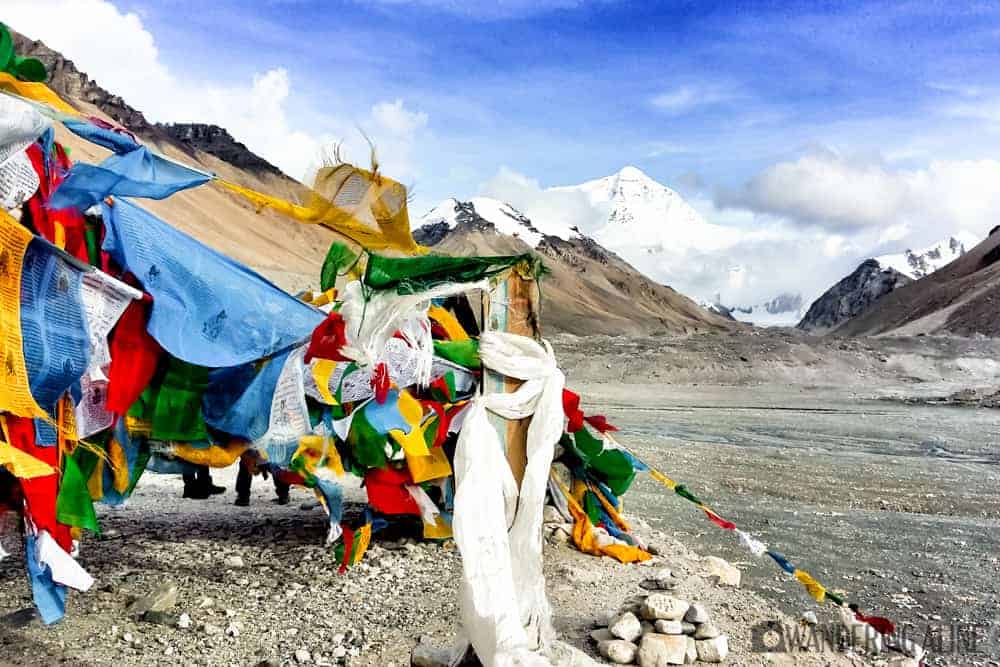
To conclude our trip, we arrived at the Rongbuk Monastery, located next to an Everest Base Camp, the highest peak in the world.
There are two distinct base camps.
The first is in Nepal, on the south side of the mountain. It is the most popular choice for climbing Everest. To reach it, you must first pass through the town of Lukla, then undertake a trek of about ten days.
However, we opted for the second camp, erived on Tibetan soil, on the northern slope of the mountain. Much easier to access than the first, it was possible to get there by car. We could also get a better view of Everest there.
**It should be noted that the Tibetan base camp has been closed since February 2019 due to overtourism. However, it is still possible to go to Rongbuk Monastery and see Everest.
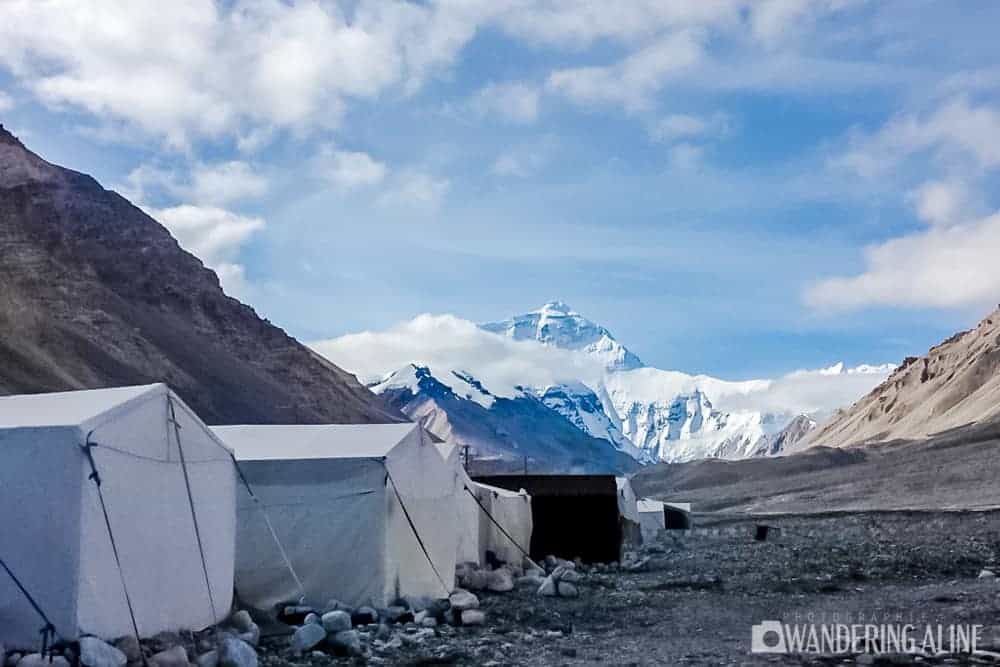
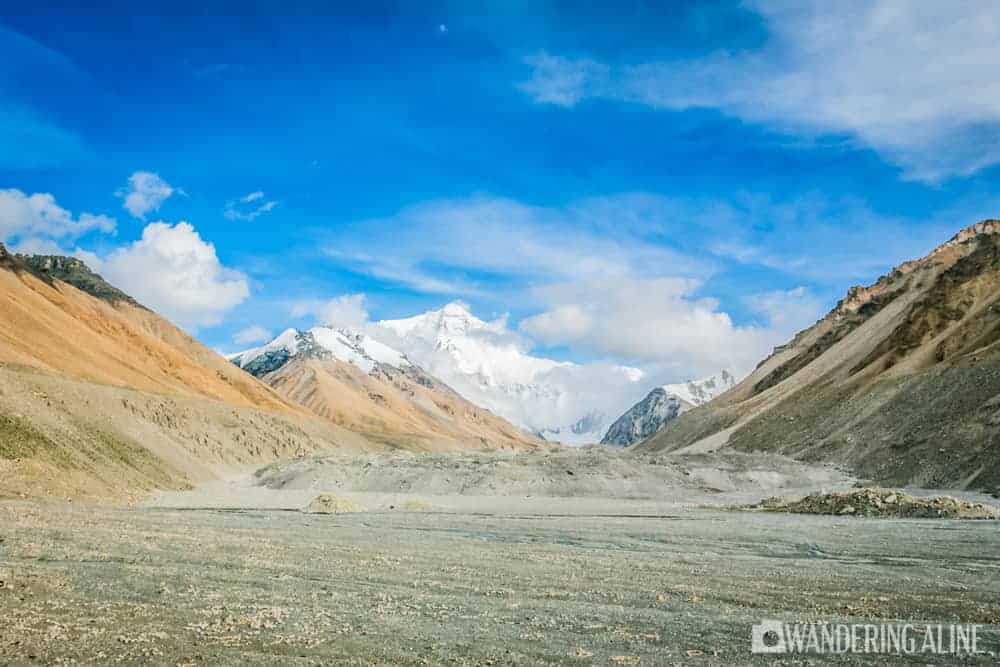
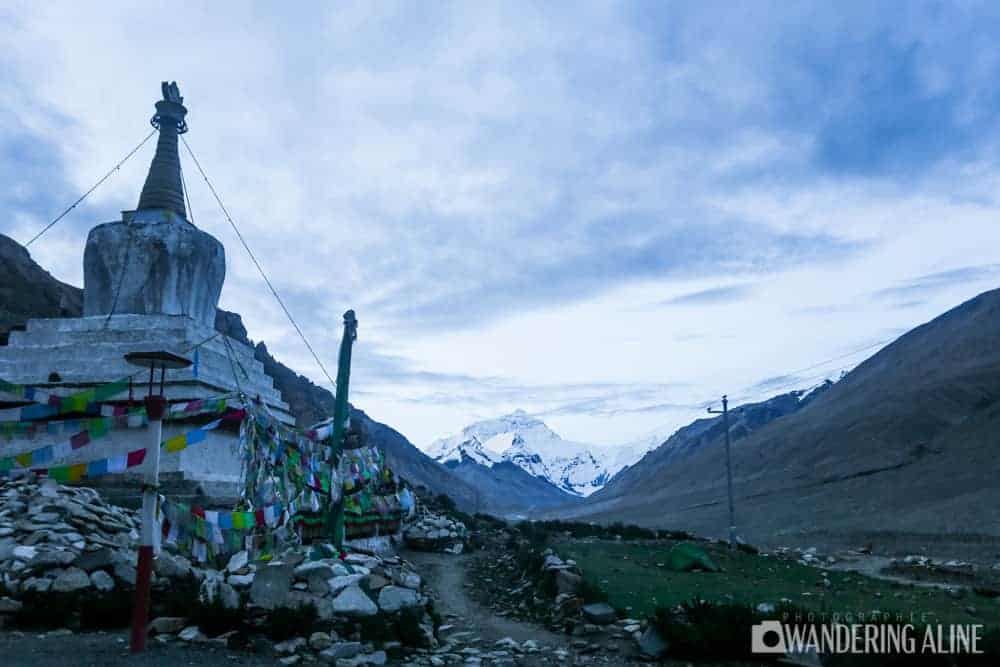
This is the highest altitude place I have ever set foot in my life (5,200 meters).
I thought my body had acclimated well since we left Lhasa, but the dizziness hit me hard. Acute mountain sickness can cause cerebral edema. So, it should not be taken lightly.
Luckily, I had the necessary medication with me and the treatment worked. Otherwise, you would have had to descend to a lower altitude.
Even the fittest members of our group felt the effects of altitude to varying degrees. As half of us wanted to take up a trekking challenge, our guide organized a small 7-kilometer trek on a difference in altitude of no more than 200 meters.
Afterwards, some hikers, who had already run marathons, told me that they had experienced the most demanding two hours of walking in their lives.
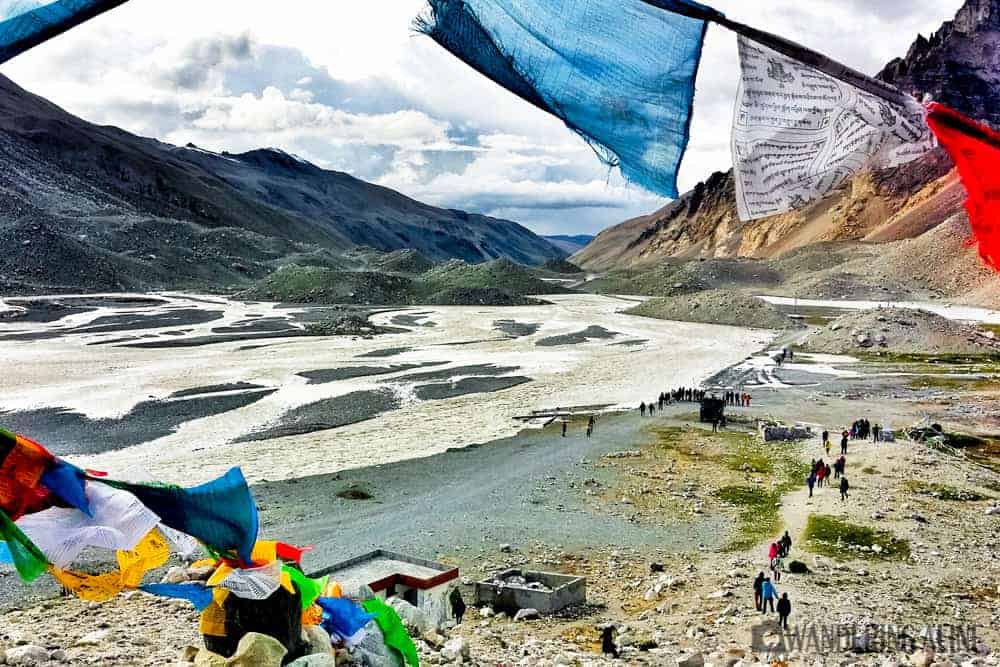
Finally, we had to take the Friendship Highway to return to Nepal. The planned itinerary had us driving to Kathmandu. Due to an earthquake and a major landslide that occurred during my time in Tibet, the Friendship Highway was destroyed for several kilometers.
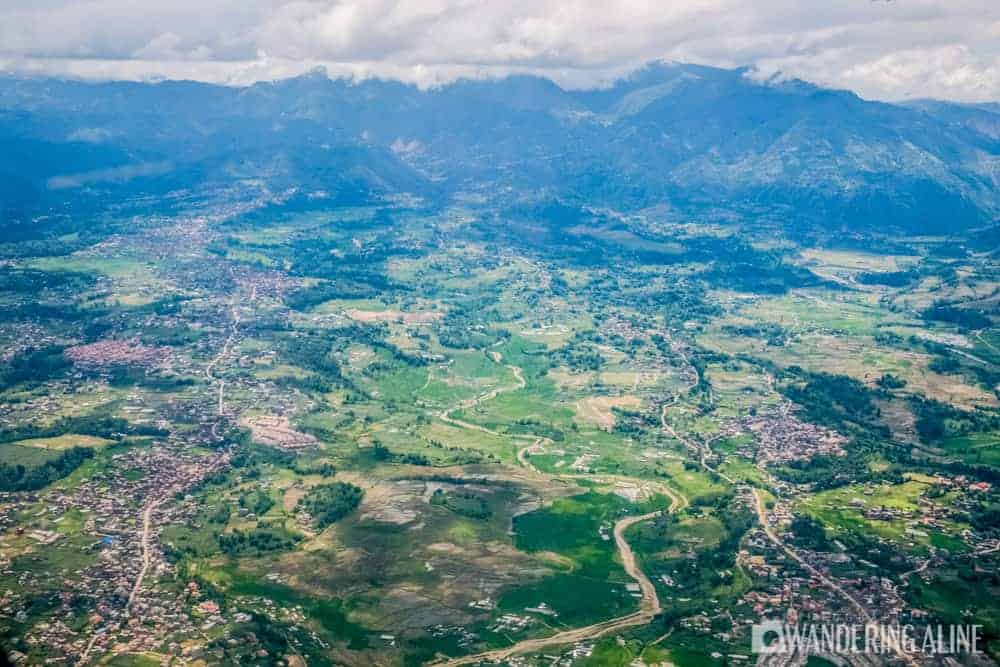
The only way to get through the disaster was to fly over it in a helicopter.
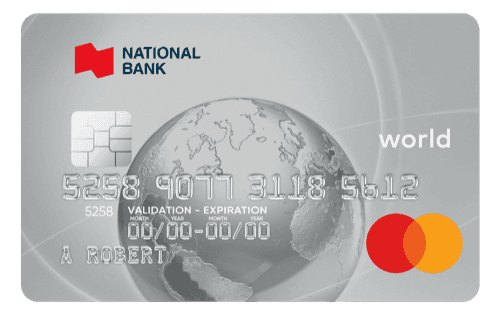
So I called on the trip interruption insurance from the National Bank World Mastercard. The claim process was very simple and I was reimbursed shortly afterwards.

There was a positive side to this mishap, as the helicopter evacuation saved us hours of driving, allowing us to enjoy aerial views of the Kathmandu Valley!
Traveling to Tibet with Points
In recent years, there have been many changes in Nepal and Tibet.
This region has suffered major earthquakes, which means that access is now limited in some places.
Finally, be sure to check the current entry and exit requirements when planning your trip. These are constantly being changed, so I can hardly advise you on this. There was a time when it was only possible to visit them on the condition of being part of a group of at least four people of the same nationality, for example. In my case, I simply had to be part of a group from a recognized agency.
It is imperative to hold a special permit to visit this region, so I advise against attempting this trip independently.
You can still do it solo or with just one other person, provided you are accompanied by an authorized driver-guide to facilitate your passage through the numerous checkpoints. On the road, we often had to stop to provide our itinerary and visitor’s permit.
If you are only planning to visit Lhasa, an exception to the rule applies. You will still need to have a guide with you at all times, but it is not necessary to have a vehicle.
Organized groups (Gadventures, Intrepid Travel, Wind Horse Travel) will however cost you less than private tours.
These three companies still offer to this day the itinerary that I travelled through their catalogue. They also offer tours departing from Beijing, according to your preferences. Remember that Gadventures allows you to earn a 2.5% discount depending on promotions through Rakuten.ca.
For the flight to Kathmandu, it is possible to use Aeroplan miles on the YUL-IST-KTM route with Turkish Airlines to avoid carrier surcharge fees. A round-trip in economy class will cost you 100,000 Aeroplan miles.
If your itinerary starts in Beijing, you will only pay 75,000 Aeroplan miles to get there. It’s the same price in miles to get to Lhasa directly!
For those who would like to try Qatar Airways’ Qsuite cabin, it is possible to do so on the first segment of the YUL-DOH-KTM route.
For example, you will be able to transfer American Express Membership Points to Asia Miles or British Airways Executive Club.
Important notes and conclusion
- Nepal: visa on arrival available to Canadians
- China: Pre-arrival visa requirements for Canadians
- Tibet: permit required
- Tibet Autonomous Region permit to be obtained through a recognized company
- Medicines for acute mountain sickness
Always in search of mountains, fresh air, and adventures, this trip to Tibet made me want to explore the Himalayas more deeply.
If you want to follow my adventures on Instagram, my account is wanderingaline!

- Annual fee
- $150
- Our valuation
- $350Milesopedia first-year estimate First-year valueWelcome bonus$350Total$350Rewards on your spending are not included. The calculator that adds them from your own profile is on the card's page.
- Milesopedia first-year estimateFirst-year valueWelcome bonus$350Total$350Rewards on your spending are not included. The calculator that adds them from your own profile is on the card's page.
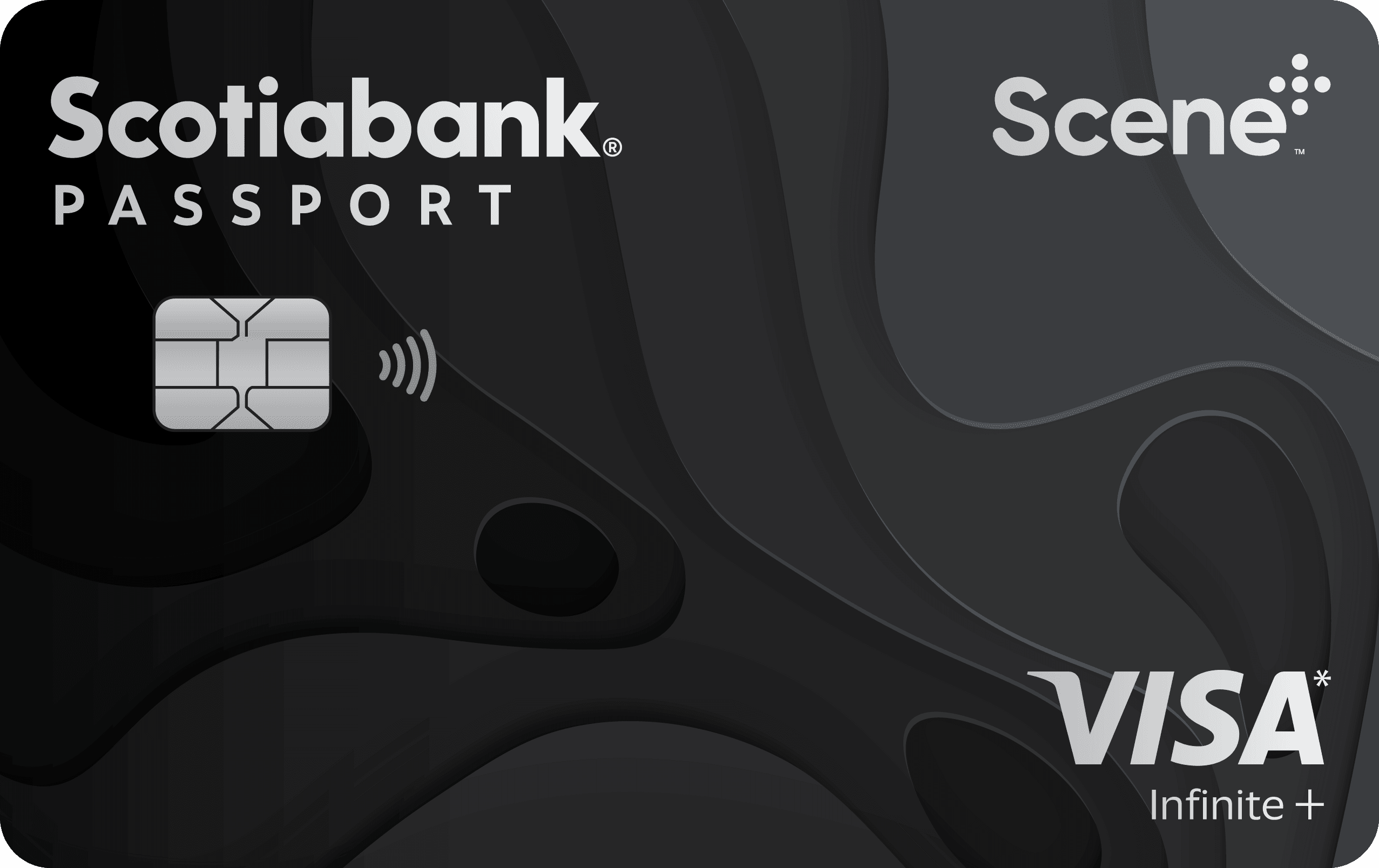
- Welcome offer
- Up to 35,000 points
- Ends Nov 1, 2026
on Scotiabank's website
Our featured card
- Annual fee
- $150
- Our valuation
- $350Milesopedia first-year estimate First-year valueWelcome bonus$350Total$350Rewards on your spending are not included. The calculator that adds them from your own profile is on the card's page.
- Milesopedia first-year estimateFirst-year valueWelcome bonus$350Total$350Rewards on your spending are not included. The calculator that adds them from your own profile is on the card's page.
- Welcome offer
- Up to 35,000 points
- Ends Nov 1, 2026
on Scotiabank's website
Our editorial integrity
Our reviews and rankings are based on an objective assessment. Advertisers do not influence our content. We may receive compensation through some links; our analysis and opinions remain independent.