

When to Consider a Balance Transfer in Canada?

A balance transfer can help you reduce interest on your credit card debt and pay it off faster. Specifically, you transfer an existing balance to a card offering a temporary promotional rate. This strategy can be useful if you are currently paying a high rate, if you have a clear repayment plan, and if the fees remain reasonable. Here’s when to consider a balance transfer in Canada, and when it’s better to choose another solution.
What Is a Balance Transfer?
A balance transfer involves moving an existing debt to a new credit card. In exchange, the issuer may offer a promotional interest rate for a limited period.
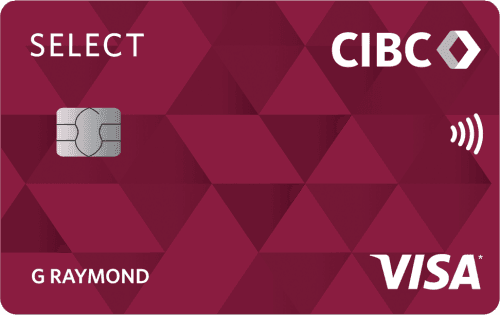
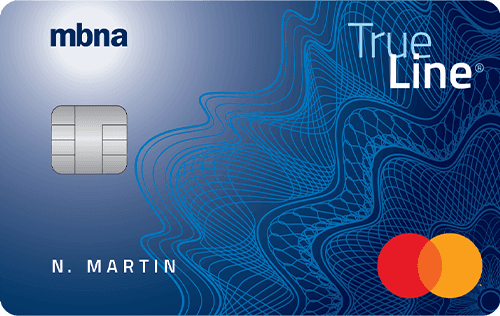
For example, you could transfer a $5,000 balance from a card at 20.99% to a card at 0% or a low rate for several months. This is what the CIBC Select Visa* Card and the True Line Mastercard® Credit Card offer.
This way, a larger portion of your payments goes toward paying down the principal rather than interest.
When to Consider a Balance Transfer
A balance transfer can offer real benefits, but mainly in specific situations. Before applying, you need to review your current debt, your monthly budget, and your repayment capacity. When the conditions are right, this strategy can reduce your interest charges and accelerate your return to balance.
You Are Paying a Very High Rate
If your current card charges a high interest rate, a large portion of your payments often goes toward interest. The principal therefore decreases more slowly.
In this situation, transferring the balance to a promotional offer can free up part of your monthly payment. You then pay down more of the actual debt.
You Can Pay It Off in a Few Months
A balance transfer is often more effective when you can pay off the amount during the promotional period. This allows you to take full advantage of the reduced rate.
For example, if you can make consistent and disciplined monthly payments, you limit the risk of carrying a balance after the promotion.
Your Finances Are Stable
A stable income and a realistic budget increase the chances of success. You can then plan fixed payments without relying on credit for everyday expenses.
Conversely, if your income varies significantly, it may be more difficult to stick to your repayment schedule.
You Have a Good Credit Score
A good credit score can facilitate approval and improve the terms offered. This may include a better limit or a more attractive promotional rate.
Therefore, if your file is strong, you will generally have more options to compare.
When It's Better to Avoid This Strategy
Even if the offer seems attractive, a balance transfer is not always the best answer. In some cases, it may only move the problem without solving it. It is therefore important to evaluate your credit habits before proceeding.
For example, if:
- You continue to accumulate debt: you risk doubling the problem.
- You can only pay the minimum: the promotion could end before full repayment.
- The fees are too high: some offers require transfer fees, often between 1% and 3% of the amount transferred.
- Your credit is weakened: if your file is weaker, approval may be difficult or less advantageous.
How Much Can You Save?
Let’s take a simple example:
- Current balance: $5,000
- Current rate: 20.99%
- Transfer offer: 0% for 10 months
- Transfer fee: 3%
The fees would be $150. However, the interest avoided could exceed this amount depending on your repayment pace.
Therefore, even with fees, the transaction can remain beneficial. Always do the calculation before adopting this strategy.

- Annual fee
- $0 $29No annual fee the first year
- No annual fee the first year
- Our valuation
- $29Milesopedia first-year estimate First-year valueAnnual fee rebated$29Total$29Rewards on your spending are not included. The calculator that adds them from your own profile is on the card's page.
- Milesopedia first-year estimateFirst-year valueAnnual fee rebated$29Total$29Rewards on your spending are not included. The calculator that adds them from your own profile is on the card's page.
- Welcome offer
- First Year Annual Fee Rebate
- $29 annual fee rebated
on CIBC's website
Balance Transfer or Personal Loan?
Both options are often used to consolidate debt, but they work differently.
| Option | Best Use | Main Advantage | Point to Watch |
|---|---|---|---|
| Balance Transfer | Credit card debt | Temporary promotional rate | End of promotion |
| Personal Loan | Larger debt | Fixed payment | Rate based on credit file |
A personal loan may be suitable if you need more time or a structured payment. A balance transfer may be suitable if you can repay quickly.
Fees to Check Before Accepting
Before submitting an application, review these elements:
- Balance transfer fee
- Duration of promotional rate
- Regular rate after promotion
- Minimum payment required
- Penalty for late payment
- Credit limit granted
Then, compare several options before deciding.

Balance Transfer – Credit Cards to Consider
Some Canadian cards periodically offer balance transfer promotions:
| Credit card | Annual fee | Welcome offer | |
|---|---|---|---|
| $0 | |||
| $0 | |||
| $35 | |||
| $0 | |||
| $0 | |||
| $0 |


Conclusion
When to consider a balance transfer depends primarily on your financial situation and your ability to repay quickly. This strategy can be effective for reducing the cost of your credit card debt in Canada, especially if you’re currently paying a high interest rate.
However, it’s not an automatic solution. If you continue to use your credit card without changing your habits, or if you only pay the minimum, the savings you achieve can quickly disappear once the promotional period ends.
Therefore, before making a decision, you need to analyze your repayment capacity, the associated fees, and the duration of the available offer. These three elements are essential to determine whether the transaction is truly advantageous.
In summary, a balance transfer should be used as a temporary tool to accelerate debt repayment, not as a permanent solution to indebtedness.
When to Consider a Balance Transfer – FAQ
Does a Balance Transfer Affect Credit Score?
Yes, an application may result in a slight temporary drop due to the credit check. However, good repayment management can then stabilize or improve your file.
Can You Transfer Multiple Balances?
Yes, it is often possible to consolidate multiple debts on a single card, depending on the credit limit granted. This simplifies management and centralizes payments.
Are Balance Transfer Fees Worth It?
Yes, if the interest savings exceed the fees charged (often 1% to 3%). You must always compare the total cost of the transfer with the interest avoided.
Is It Better Than a Personal Loan?
It depends on your situation. A balance transfer is useful for short-term credit card debt. A personal loan is better suited for structured longer-term repayment.
Should You Close the Old Card After a Transfer?
No, it is not mandatory. However, it is important not to reuse that card to avoid recreating debt during repayment.
What Happens After the Promotional Period?
Once the period ends, the regular rate applies to the remaining balance. It is therefore essential to repay in full before this deadline.
When does considering a balance transfer in Canada become advantageous?
When you pay a high rate and can repay quickly during the promotional period, with fees lower than the interest saved.
Our featured card
- Annual fee
- $0 $29No annual fee the first year
- No annual fee the first year
- Our valuation
- $29Milesopedia first-year estimate First-year valueAnnual fee rebated$29Total$29Rewards on your spending are not included. The calculator that adds them from your own profile is on the card's page.
- Milesopedia first-year estimateFirst-year valueAnnual fee rebated$29Total$29Rewards on your spending are not included. The calculator that adds them from your own profile is on the card's page.
- Welcome offer
- First Year Annual Fee Rebate
- $29 annual fee rebated
on BMO's website
Our editorial integrity
Our reviews and rankings are based on an objective assessment. Advertisers do not influence our content. We may receive compensation through some links; our analysis and opinions remain independent.