

The chargeback procedure for credit card transactions

Chargeback
As a customer, when you make a transaction with a merchant using a credit card, you have more protection than with a debit card or cash payment.
The first thing that comes to mind is the various insurances provided by the credit card:
- purchase insurance,
- extended warranty,
- Theft and damage insurance for rental cars,
- flight delay insurance,
- and trip cancellation or interruption insurance
But the chargeback procedure is less often thought of.
For example, at the beginning of the COVID-19 pandemic, many travellers had to deal with airlines, hotels, and travel agencies for the services they didn’t receive. The same thing can happen at any time for purchases of goods not received.
But beware, a chargeback is not the first thing to do in these circumstances!
Here’s how to do a chargeback.
Definition
Chargeback is defined as follows:
A chargeback occurs when a credit card holder disputes a credit card transaction with a merchant to the card issuer.
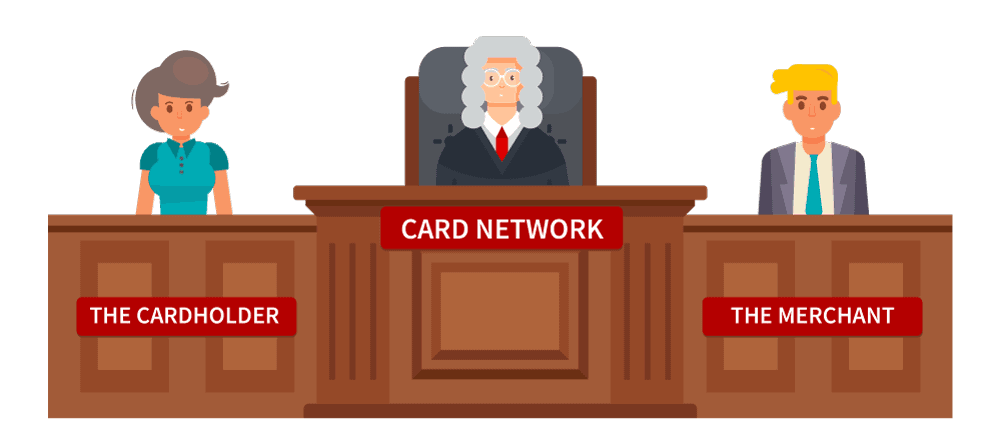
There are five parts to a simple transaction:
- The credit card holder
- The merchant
- The purchaser (the merchant’s financial entity)
- The credit card issuer (cardholder’s bank)
- The network (American Express, Mastercard, Visa)
What to do before requesting a chargeback?
Before initiating a chargeback procedure, make sure you have taken ALL the steps to obtain the refund directly from the merchant.
You will have to be prepared to provide evidence in the event of an audit during the chargeback procedure.
BEFORE you turn to a chargeback for service in the travel industry, we suggest that you contact, in order, the following:
- The airline, wholesaler, or travel agency with whom you have done business
- The Office of Consumer Protection (if you went through a travel agency)
- Your private insurer (travel insurance that you would have contracted)
- Your group insurance (if you have one)
- The issuer of your credit card with which you purchased your trip (insurance possibly offered by the card and/or chargeback)
Why does the credit card issuer come last in the process? Because your credit card issuer will ask you if you have contacted the merchant or if you have other insurance or solutions that could be implemented.
If you decide to initiate a chargeback, the merchant can provide different evidence. They can demonstrate that they have offered you alternatives, such as rescheduling your trip or offering a travel credit. This could jeopardize your refund.

Written details to be provided
As outlined by the Consumer Financial Protection Bureau, your chargeback request must be in writing and contain the following information:
- Name of the credit card holder;
- Credit card number and expiration date;
- Name of the merchant;
- Date of conclusion of the contract;
- Amount charged to the credit card account;
- The amount the merchant is required to repay;
- Description of the goods or services to be charged back;
- Reason for cancellation;
- Date of cancellation of the purchase;
- Mode of transmission of the cancellation notice.
The process is the same with most credit card issuers. However, some like American Express simplify the process which can be done online (as we show you in this article).

The different deadlines
The credit card issuer must send you an acknowledgement of receipt within 30 days of receiving your request.
They must credit your account with the amount paid and reverse any charges to your account related to the purchase within the shorter of the following two time periods:
- within 90 days of receiving your application;
- within a period corresponding to two complete statement periods.
However, here again, disparities appear depending on the issuers. In the case of American Express, you are presumed to be acting in good faith: American Express will immediately credit your account for the disputed charges while it investigates.
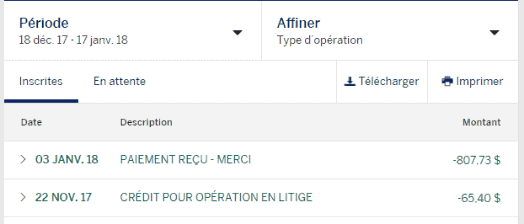
This does not mean that you have won your case! In fact, all or part of this amount could be deducted from your account again . Even if the merchant has provided evidence of good faith in this transaction.
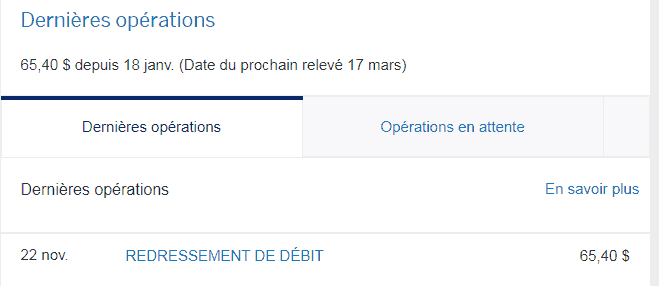
The merchant generally has 45 days to respond to the network (American Express, Mastercard, Visa) inquiry following your chargeback request.
The time required for the complete resolution of a disputed transaction can therefore vary from a few days to several weeks.
Foolproof insurance?
Contrary to what some sites would have you believe, a chargeback is NOT foolproof insurance.
This is an additional protection that is available among all your options (insurance, consumer protection…). It is also an effective way to force a merchant to respond to your claim and to have a « judge » (your credit card network) decide which party is right.
But this does not replace the initial dialogue between you and the merchant and the other options available BEFORE you initiate this process. As you can imagine, the COVID-19 pandemic is an EXTRA-ordinary situation, having a domino effect on many aspects of our society (medical, legal, financial…).
So be patient and forgiving!

And what happens if the merchant goes bankrupt?
In the event of a default or even bankruptcy of the merchant, then it is the purchaser (the merchant’s financial entity) that will have to pay. The merchant is responsible for the payment ecosystem.
In the same way that an individual goes bankrupt. Who takes the loss? Of course, it is the issuer. The merchant has been paid by the network and is not affected by the individual’s bankruptcy.
The same is true in the opposite direction. Again, if the merchant goes bankrupt, then the buyer (= the merchant’s financial entity) takes the loss. It pays the network, which pays the issuer, which pays the credit card holder (you and us).
So is it important to keep the credit card?
The answer is YES.
All warranties from a credit card and the ability to submit a chargeback are exercised only if the cardholder… retains the card. If the card is closed, there is no recourse .
Unfortunately, many unwary people only consider the purchase threshold required to trigger the application bonus. Then once the bonus is obtained, they hurry to close the card.
Or, sometimes others close the card before the annual fee renewal. This is true even if the goods or services purchased on the card have not yet been obtained or consumed!
They will learn the lesson the hard way.
Please keep your cards active as long as no purchases (goods or services) have been delivered and/or consumed. Because who knows what will happen in the future?
You may need to submit a chargeback request!
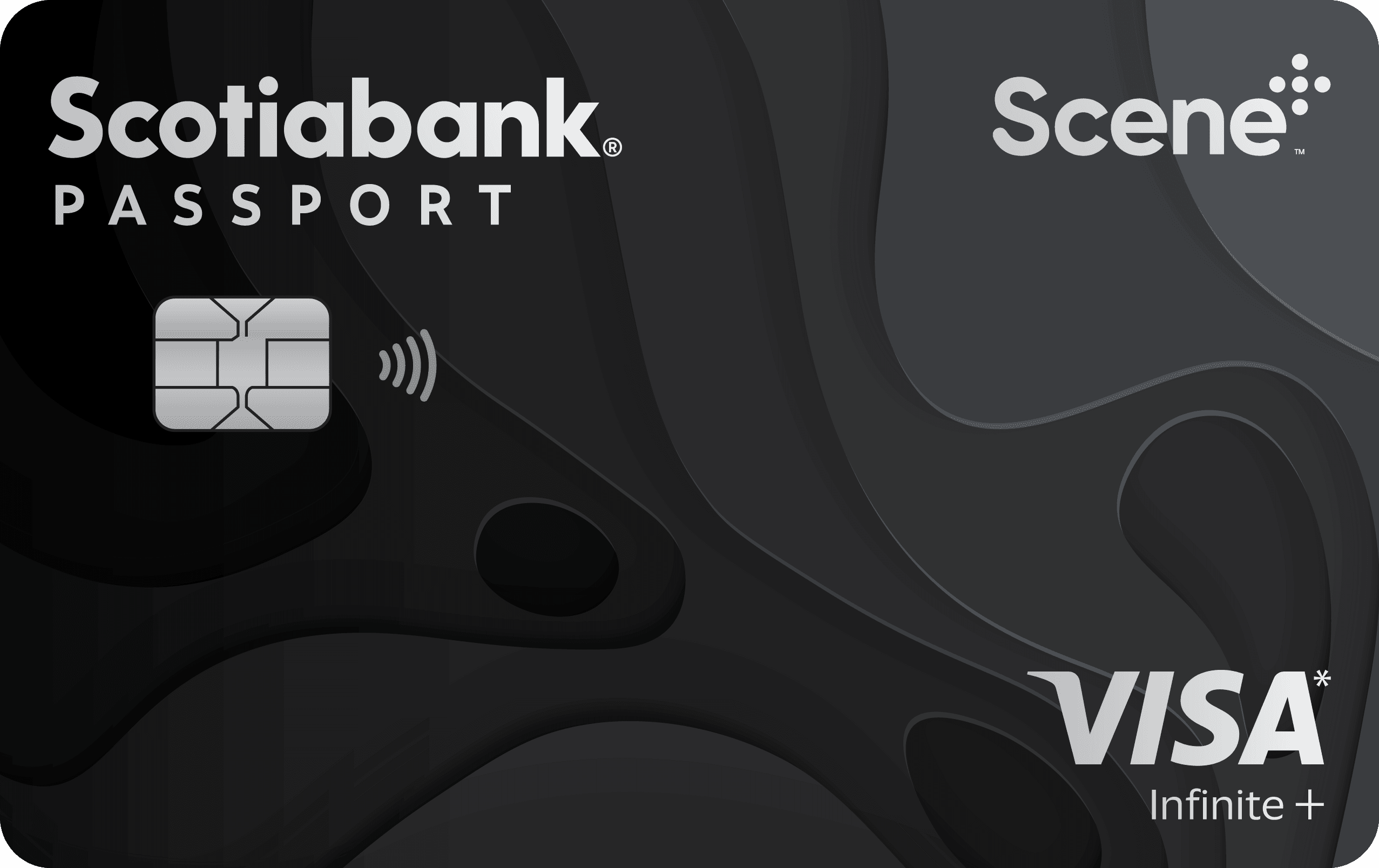
Our featured card

- Annual fee
- $150
- Our valuation
- $350Milesopedia first-year estimate First-year valueWelcome bonus$350Total$350Rewards on your spending are not included. The calculator that adds them from your own profile is on the card's page.
- Milesopedia first-year estimateFirst-year valueWelcome bonus$350Total$350Rewards on your spending are not included. The calculator that adds them from your own profile is on the card's page.
- Welcome offer
- Up to 35,000 points
- Ends Nov 1, 2026
on Scotiabank's website
Our editorial integrity
Our reviews and rankings are based on an objective assessment. Advertisers do not influence our content. We may receive compensation through some links; our analysis and opinions remain independent.