

Optimize Business Cash Flow Management with a Credit Card

Cash flow management is at the heart of a business’s financial health. Between expenses to cover and revenues to collect, the gap between the two can quickly create tensions.
However, many entrepreneurs are unaware that a business credit card can become a powerful management tool. In addition to facilitating payments, it allows for better planning of financial flows, earning rewards, and simplifying accounting.
In this article, discover how to use a credit card to optimize your business’s cash flow management.
What is business cash flow management?
Cash flow management involves anticipating, controlling, and optimizing a company’s inflows and outflows of money. It aims to ensure that available liquidity is sufficient to meet short-term obligations, while allowing the company to invest and grow.
Specifically, it involves daily monitoring of financial flows, forecasting future expenses, and avoiding liquidity shortages. Effective cash flow management reduces reliance on costly loans and improves financial stability.
Thus, whether for an SME or a self-employed worker, cash flow management is a strategic element for long-term success.
Key challenges in cash flow management
Even profitable businesses experience periods of financial strain. Indeed, cash inflows do not always coincide with outflows. A client who delays payment, a project requiring immediate expenses, or a temporary increase in costs can unbalance your cash flow.
Furthermore, certain expenses, such as salaries, taxes, or subscriptions, are recurring and must be settled on a fixed date, regardless of available income.
Without rigorous planning, these discrepancies can harm profitability and even create solvency issues. That’s why many entrepreneurs turn to the business credit card as a flexible and effective financial management tool.
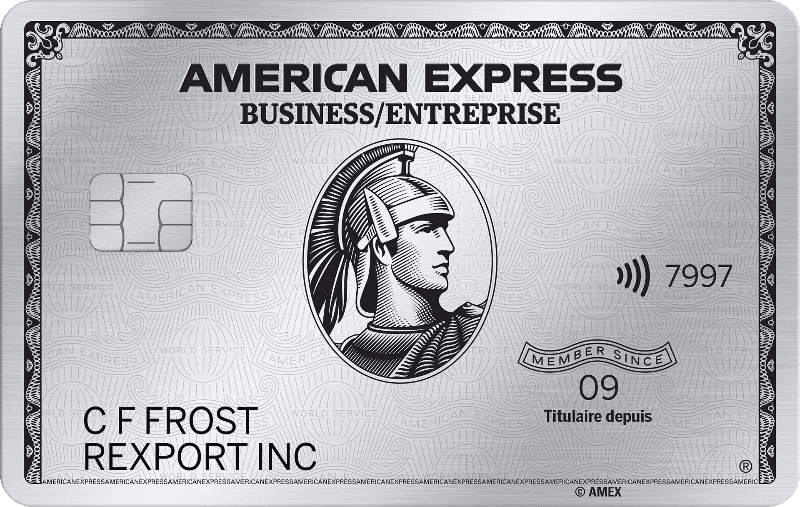

- Annual fee
- $799
- Our valuation
- $2,040Milesopedia first-year estimate First-year valueWelcome bonus$2,040Total$2,040Rewards on your spending are not included. The calculator that adds them from your own profile is on the card's page.
- Milesopedia first-year estimateFirst-year valueWelcome bonus$2,040Total$2,040Rewards on your spending are not included. The calculator that adds them from your own profile is on the card's page.
- Welcome offer
- Up to 120,000 points
on American Express's website
Apply with confidence — no impact on your credit scoreApply with confidenceCheck whether your application will be approved before you submit it, with no impact on your credit score*When you apply for a personal American Express Credit Card, we will tell you whether you are eligible without affecting your credit score. So you can apply with confidence.*Instant decisions are only available for consumer Card applications (also called “personal Cards”).
The Role of a Business Credit Card
A business credit card is not just for making professional purchases. It also serves as a management tool that allows for better expense organization, simplifies certain administrative tasks, and provides benefits tailored to business needs.
By using a card dedicated to professional activities, you can more easily separate personal and business expenses. This distinction facilitates financial tracking and contributes to better daily organization.
Taking Advantage of a Grace Period
One of the main advantages of a business credit card is the ability to benefit from a delay between the time an expense is incurred and when the payment is due.
Depending on the issuer and the card’s terms, this period can generally vary between 21 and 55 days. This delay allows you to more easily manage your professional payment schedule and avoid multiple immediate transactions in your bank account.
However, it is important to pay the full balance before the due date to avoid interest charges and maintain good financial health.
Simplifying Expense Tracking
A business credit card allows you to centralize professional expenses on a single account. This gives you better visibility into purchases made and simplifies budget control.
Additionally, many cards allow for the addition of supplementary cards for employees. This enables you to set authorized spending limits, track transactions, and maintain better control over purchases made on behalf of the company.
Earning Rewards
Many business credit cards offer rewards programs tailored to professional spending. Depending on the card chosen, you can earn points, miles, or cash back on your purchases.
These rewards can represent added value for your business when used effectively. For example, they can help reduce certain costs related to business travel, supplies, or everyday expenses.
Simplifying Accounting Management
Detailed business credit card statements facilitate the categorization and tracking of professional transactions. This organization can reduce time spent on bookkeeping and simplify the preparation of financial documents.
Furthermore, some issuers offer tools or integrations with accounting software such as QuickBooks, FreshBooks, Sage 50, Wave, or Xero. These features help better structure financial data and facilitate administrative work.
The Benefits of a Credit Card for Cash Flow
A business credit card can become a useful tool to optimize cash flow management. In addition to facilitating daily payments, it allows for better planning of cash outflows, maintains better financial visibility, and supports more efficient organization.
However, its use must remain responsible. A credit card should not be used to finance expenses that the business cannot afford. Instead, it should complement sound financial planning and contribute to healthy liquidity management.
Improving Liquidity Management
A business credit card can help better manage daily available liquidity. Thanks to the delay between the purchase and the balance payment, you can better synchronize your expenses with your cash inflows.
Thus, your business maintains greater flexibility to manage its current financial obligations, such as paying suppliers, subscriptions, or operational expenses. This temporary maneuverability can be particularly useful when revenues vary from month to month.
However, it remains important to pay the full balance before the due date to avoid interest charges and preserve the company’s financial health.
Forecasting Future Expenses
A business credit card also facilitates the planning of future expenses. By centralizing professional purchases on a single account, you get a better overview of upcoming payments.
This visibility allows you to forecast cash outflows, adjust your budget, and better distribute your expenses according to your company’s financial cycles. It can also help you quickly identify periods when liquidity needs will be greater.
Maintaining Better Financial Discipline
Good cash flow management relies on regular tracking of income and expenses. A business credit card can support this discipline by offering detailed statements and better transaction traceability.
Additionally, it facilitates the control of professional expenses when multiple employees use cards associated with the business account. This allows you to better oversee purchases, stick to your budget, and maintain more rigorous financial organization.
How to choose a credit card for your business?
Choosing a business credit card depends on your company’s financial needs, your spending habits, and your goals. Before selecting a card, it is important to evaluate several criteria to find an option suited to your situation.
First, check the annual fees, interest rate, and benefits offered. Some cards focus more on rewards, while others offer management tools, insurance, or advantageous terms for professional expenses.
Next, consider features that can facilitate your business’s daily management, such as adding employee cards, transaction tracking, or access to detailed statements.
Finally, choose a card that aligns with your financial strategy. A company that travels regularly might prioritize travel rewards, while a business with many everyday expenses might look for cash back.
The Best Business Credit Cards in Canada
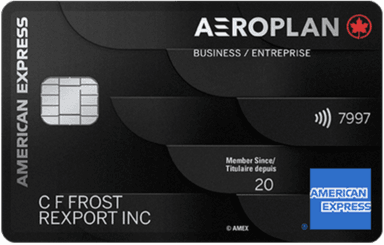
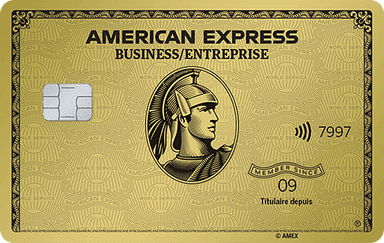
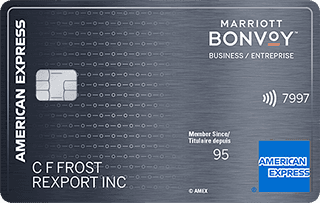
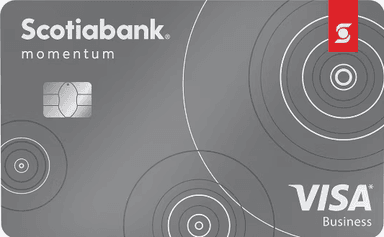
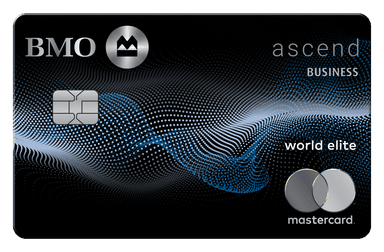
Several institutions offer excellent business credit cards, each tailored to specific needs. Here are some options to consider:
| Credit card | Annual fee | Welcome offer | |
|---|---|---|---|
| $799 | |||
| $599 | |||
| $199 | |||
| $150 | |||
| $199 | |||
| $79 | |||
| $0 |

Best Practices for Managing Cash Flow
Even the best credit card is not enough without good financial management habits. Here are some tips to get the most out of it:
- Pay the full balance each month. You will benefit from the grace period without paying interest.
- Automate payments and tracking. Set up alerts to avoid delays and use reporting tools.
- Avoid using the card for personal expenses. This complicates accounting and blurs visibility into your cash flow.
- Review your statements regularly. This allows you to spot errors and better understand your spending cycles.
- Leverage rewards. Use your points or cash back to reduce travel, advertising, or equipment costs.
Thus, your business credit card becomes a true financial planning instrument rather than just a payment method.


- Annual fee
- $199
- Our valuation
- $400Milesopedia first-year estimate First-year valueWelcome bonus$400Total$400Rewards on your spending are not included. The calculator that adds them from your own profile is on the card's page.
- Milesopedia first-year estimateFirst-year valueWelcome bonus$400Total$400Rewards on your spending are not included. The calculator that adds them from your own profile is on the card's page.
- Welcome offer
- Up to 40,000 points
- Ends Oct 31, 2026
on Scotiabank's website
Conclusion
In summary, a business credit card is not just a simple payment method. It’s a strategic tool that supports cash flow management, financial planning, and accounting efficiency.
By choosing the card suited to your needs, you benefit from increased flexibility, better visibility into your expenses, and advantageous rewards.
Consult our comparison tool now to discover the best business credit cards in Canada and optimize your business’s financial health.
Cash Flow Management – FAQ
What is good cash flow management?
Good cash flow management consists of anticipating, planning, and balancing a company’s cash inflows and outflows. It ensures sufficient liquidity to cover current expenses and support growth.
How does a business credit card help manage cash flow?
A business credit card allows for better payment planning, centralizing professional expenses, and gaining better visibility into transactions. It can thus support more efficient liquidity management.
What are the benefits of a business credit card?
A business credit card can offer several benefits, such as rewards, expense tracking tools, employee cards, and better separation between personal and professional finances.
How to choose a credit card for your business?
The choice depends on your business needs. You should notably compare annual fees, rewards, insurance, management tools, and benefits related to your spending habits.
Does a business credit card affect my personal credit?
This depends on the issuer and the card’s terms. If you are personally liable for the account, late payments can generally impact your personal credit report.
Do business credit cards offer security measures?
Yes, they often include fraud protection, alerts for abnormal spending and options for customizing spending limits.
How important is cash flow risk management?
Risk management helps to identify and mitigate financial factors likely to affect cash flow, thus ensuring the company’s financial stability.
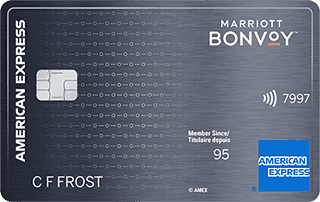
Our featured card
- Annual fee
- $120
- Our valuation
- $990Milesopedia first-year estimate First-year valueWelcome bonus$990Total$990Rewards on your spending are not included. The calculator that adds them from your own profile is on the card's page.
- Milesopedia first-year estimateFirst-year valueWelcome bonus$990Total$990Rewards on your spending are not included. The calculator that adds them from your own profile is on the card's page.
- Welcome offer
- Up to 110,000 points
- Ends Sep 22, 2026
on American Express's website
Apply with confidence — no impact on your credit scoreApply with confidenceCheck whether your application will be approved before you submit it, with no impact on your credit score*When you apply for a personal American Express Credit Card, we will tell you whether you are eligible without affecting your credit score. So you can apply with confidence.*Instant decisions are only available for consumer Card applications (also called “personal Cards”).
Our editorial integrity
Our reviews and rankings are based on an objective assessment. Advertisers do not influence our content. We may receive compensation through some links; our analysis and opinions remain independent.