

Practical Guide: Registering a Business for GST/QST

Registering a business for the GST and the QST is an essential step in meeting your tax obligations in Quebec.
Two further steps are worth planning once you are registered: setting up your small business accounting, and lining up financing for your growth.
Whether you are self-employed, the owner of a small corporation or the director of a growing business, you need to understand when registration becomes mandatory.
This guide explains clearly when and how to register your business for the GST/QST, which exceptions apply and what happens if you register late, based on the official rules of Revenu Québec and the Canada Revenue Agency (CRA).
When does GST/QST registration become mandatory?
Small supplier threshold ($30,000)
An individual or a corporation must register for the GST/QST once taxable revenue exceeds $30,000 over four consecutive calendar quarters, or within a single quarter.
Below that threshold, you are considered a small supplier, and registration remains optional. Some businesses still register voluntarily in order to claim input tax credits and input tax refunds (ITCs and ITRs).
Special cases
Some activities require immediate registration, regardless of revenue. For example:
- Taxi and ridesharing drivers;
- Sellers of fuel or tobacco;
- Operators of paid parking facilities.
These obligations are set out by Revenu Québec and the CRA.
Non-resident businesses
A non-resident business that sells taxable goods or services to customers in Quebec must register. The rules vary according to the nature of the activity and the location of the customer.
Exceptions and special situations
Who does not have to register?
Certain types of businesses and activities are exempt from the GST/QST. Financial services, most health services, recognized educational services and charities may be exempt.
Revenue excluded from the $30,000 calculation
The $30,000 threshold is calculated on taxable revenue only. Sales of assets used in the business, such as a vehicle or equipment, are excluded.
Specific exemptions
Some activities are exempt even when revenue exceeds $30,000. Revenu Québec details these particular cases on its website.
Why register voluntarily for the GST/QST?
Even if your business qualifies as a small supplier and registration is not mandatory, registering voluntarily can work in your favour.
- Recovering the taxes you pay: a registered business can claim input tax credits and input tax refunds (ITCs and ITRs). That means recovering the GST and the QST paid on business expenses.
- Building credibility: charging the GST and the QST reassures clients and partners. Many read the practice as a sign of a properly structured and compliant business.
- Avoiding penalties: registering early simplifies the management of your tax obligations and reduces the risk of forgetting to register once you reach the threshold.
In short, voluntary GST/QST registration can bring financial and administrative benefits while strengthening the reputation of your business.
How to register your business for the GST/QST
Online registration
The simplest route is the Registering a New Business service, available through My Account for businesses.
Form LM-1
You can also complete Form LM-1 (Application for Registration) and submit it by mail or in person.
Information required
To register, have the following ready:
- The legal name of the business;
- The Québec enterprise number (NEQ);
- The address and contact details;
- A description of the activities;
- The expected start date of operations.
Processing times
Once the application is submitted, Revenu Québec assigns a GST number and a QST number. Confirmation can take a few days.
Follow-up and obligations after registration
Charging and collecting the GST/QST
After registering, you must charge the GST and the QST on your taxable sales and remit the amounts to Revenu Québec.
Periodic returns
How often you file (monthly, quarterly or annually) depends on your annual sales. You have to respect the filing deadlines to avoid penalties.
Input tax credits (ITCs and ITRs)
A registered business can claim a refund of the GST and the QST paid on its operating expenses.
Business credit cards: simplify GST and QST management
Once your business is registered for the GST/QST, tracking your expenses and claiming your input tax credits correctly becomes essential. Some business credit cards can make these tasks easier to handle.
Main benefits:
- A clear split between personal and business spending: every purchase is categorized automatically;
- Simpler tax tracking: statements break down the GST and the QST paid, which makes refund claims easier;
- Better cash flow management: some cards offer grace periods and rewards programs built for businesses.
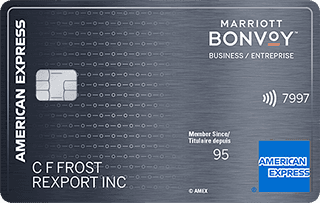
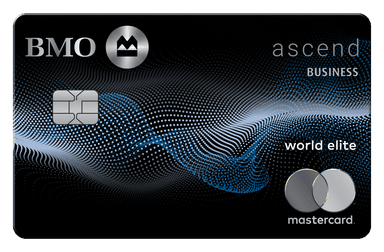
Examples of popular cards:
| Credit card | Annual fee | Welcome offer | |
|---|---|---|---|
| $799 | |||
| $150 | |||
| $599 | |||
| $199 | |||
| $0 | |||
| $199 | |||
| $79 |





Consequences of late GST/QST registration
If you pass the $30,000 threshold without registering, Revenu Québec can require retroactive payment of the taxes you should have charged.
You could also owe interest and penalties for failing to meet your tax obligations.
Because you never collected those taxes from your customers, you will have to cover them out of your business cash flow.
Useful resources for registering a business for the GST/QST
To make the process easier and confirm that everything is in order, here are the main official resources to consult:
- The GST/HST registry (CRA): confirms that a business is registered for the GST/HST;
- Revenu Québec online services: to obtain a QST number, register, or manage your business file;
- Revenu Québec client services;
- Our guides for businesses.
Conclusion
GST/QST registration lets a business meet its tax obligations and avoid penalties. The thresholds, deadlines and procedures are clear and published by Revenu Québec and the Canada Revenue Agency.
When in doubt, consult the official guides and use the online services to register your business quickly. You gain compliance and peace of mind.
When does a business have to register for the GST/QST?
Once it exceeds $30,000 in taxable revenue over four consecutive quarters or within a single quarter.
How do you register a business for the GST/QST online?
Registration is done directly on the Revenu Québec website, through the Registering a New Business online service.
Which revenue is excluded from the $30,000 threshold calculation?
Some revenue, such as sales of assets used in the business, is not counted toward the threshold. Check the Revenu Québec rules.
What are the penalties for late GST/QST registration?
You could have to pay the uncollected taxes retroactively, plus interest and penalties charged by Revenu Québec.
Does a non-resident business have to register for the GST/QST?
Yes, if it makes taxable sales to customers in Quebec. The rules vary according to the services and products offered.
Our featured card


- Annual fee
- $120
- Our valuation
- $990Milesopedia first-year estimate First-year valueWelcome bonus$990Total$990Rewards on your spending are not included. The calculator that adds them from your own profile is on the card's page.
- Milesopedia first-year estimateFirst-year valueWelcome bonus$990Total$990Rewards on your spending are not included. The calculator that adds them from your own profile is on the card's page.
- Welcome offer
- Up to 110,000 points
- Ends Sep 22, 2026
on American Express's website
Apply with confidence — no impact on your credit scoreApply with confidenceCheck whether your application will be approved before you submit it, with no impact on your credit score*When you apply for a personal American Express Credit Card, we will tell you whether you are eligible without affecting your credit score. So you can apply with confidence.*Instant decisions are only available for consumer Card applications (also called “personal Cards”).
Our editorial integrity
Our reviews and rankings are based on an objective assessment. Advertisers do not influence our content. We may receive compensation through some links; our analysis and opinions remain independent.