

How to Choose the Best Credit Card for Your Needs

« What is the best credit card for me? » This question comes up often in our group and at Milesopedia events, highlighting the growing role credit cards play in the realm of cash back and travel benefits.
The best card depends primarily on your main spending categories. Here’s where to start based on your profile:
- Best cards for groceries
- Best cards for gas and transportation
- Best cards for restaurants
- Best travel cards
- Best no foreign transaction fee credit cards
- Best cash back credit cards
However, there is no universal answer due to the diversity of offers and individual needs.
This article is intended as a comprehensive resource, bringing together all the relevant questions related to this topic. Its goal is to help everyone choose the right credit card.
Define Key Goals for Your Credit Card in Canada
Before you start choosing the best credit card, take the time to define your intentions and goals, and have a clear idea of what you want to use it for.
When it comes to rewards, there are two main categories:
- Cash back rewards
- Travel points rewards
It’s essential to consider credit cards first and foremost as payment methods, while seeking to earn rewards. If budget management or maintaining your credit card balance poses difficulties, it’s advisable to review your financial habits.
Reviewing balance transfer or cash advance options can help you rebalance your financial trajectory, but can also be used to earn rewards or a bit of passive income. Warning: interest charges on unpaid balances will certainly exceed the value of rewards earned. Balance transfer and cash advance offers are not incentives to increase spending, but serve to pay down debt.
For those seeking advice on building credit, valuable resources are available in articles provided by Milesopedia to understand how it works and the best ways to improve it:
Choose the Best Credit Card Rewards Based on Your Needs
For those experienced in financial management and budgeting, credit cards become tools for optimizing rewards, allowing you to:
- Save on everyday spending with cash back on all purchases,
- Increase the frequency and type of travel (for example, flying in first-class suites on Emirates or Singapore Airlines)
- Leverage loyalty points for maximum tax efficiency
- Invest strategically by using credit card points
- Achieve your dreams and retire early.
If your primary goal is to accumulate significant cash back, skip directly to the fourth step.
Refine Your Travel Goals and Needs with the Ideal Credit Card
If your goal is to accumulate rewards for travel, define these goals precisely. Unlike cash back rewards, travel rewards encompass a multitude of options and avenues. Therefore, choosing the best credit card for travel requires careful consideration.
Choosing a credit card suited to travel requires evaluating many factors. The following considerations will help you make your decision:
- Type of points and types of travel: Rewards programs offer different types of points: airline miles, hotel points, etc. Each of these points is best suited to specific types of travel. It can be advantageous to accumulate different types of points for different trips, depending on your destinations and preferences. Are you often targeting budget destinations or luxury getaways to the Maldives or French Polynesia?
- Destination and type of travel: Before choosing a card, identify your planned destinations and preferred travel style. Business trips, family vacations, solo adventures—each type of travel influences the choice of the ideal card.
- Date flexibility and seasonality: Are you flexible regarding travel dates? Do you travel during peak season with school constraints or during off-peak periods? These factors play an essential role in card selection, as some programs are more advantageous outside peak periods.
- Number of travelers and baggage: Are you traveling alone, as a couple, with a large family, or in a group? Do you need a card that offers benefits to multiple people? Additionally, consider whether you need benefits such as free checked baggage.
- Insurance and coverage: Travel insurance can vary considerably from one card to another. If you’re looking for specific insurance coverage, make sure the card offers the necessary protections.
- Travel class: Do you want to travel in economy class or business class? Some cards offer exclusive benefits for business class flights, which can influence your decision.
- Airport lounge access: Frequent travelers often appreciate access to airport lounges to relax before their flight. If this interests you, look for cards that offer this benefit.
- Travel frequency: Are you an occasional or frequent traveler? Some cards are designed for heavy travelers, while others are better suited to those who travel sporadically. When you’re a heavy traveler, you’re more likely to achieve a higher target valuation (even exceeding Milesopedia’s estimate).
Points and Best Use for Travel
The following table summarizes the different travel goals and associated point types.
The redemption possibilities listed are only the most popular and generally represent the best way to optimize your points, but there may be many other uses not mentioned. For more details, follow the links.
| Points program | Credit card | Popular Uses |
| Aeroplan | ||
| Blue Rewards | ||
| American Express Membership Rewards | ||
| Asia Miles | ||
| Aventura | ||
| Avios | ||
| National Bank Rewards | ||
| Flying Blue | ||
| Marriott Bonvoy | ||
| Scène+ | ||
| Dollars WestJet | ||
| VIPorter |
- Porter Airlines and partner flights
Once travel goals are well defined, move on to the next step.

Tips to Maximize Rewards Accumulation on Your Credit Card
Whether you’re looking to earn cash back or travel points, points accumulation follows two paths:
- Generous welcome bonuses
- Strategic organic earning
A balance between these approaches optimizes rewards. While welcome bonuses offer substantial gains, long-term viability requires a combination of strategies. The impact of occasional new card applications on credit scores is less severe than commonly thought.
Our community often discusses the best credit card to choose for the next « rounds, » as intermittent applications are frequent. For newcomers, it’s advisable to integrate gradually into this world, given the marathon nature of this game.
Create a comprehensive list of regular expenses by category. Each card comes with powerful category accelerators, allowing you to maximize earnings precisely.
At the same time, establishing a budget helps reduce phantom spending or refine savings goals.
A Simple Wallet for the Best Cash Back Returns
The following example is a simple two-credit-card wallet for someone who isn’t ready to tackle credit card fees but still wants to achieve maximum cash back returns.
| Credit card | Category | Return |
| Tangerine World Mastercard |
| |
| CIBC Dividend® Visa Infinite* Card((no annual fee the first year)) | ||
- Restaurants
- 2%
| Credit card | Annual fee | Welcome offer | |
|---|---|---|---|
| $0 | |||
| $0 |
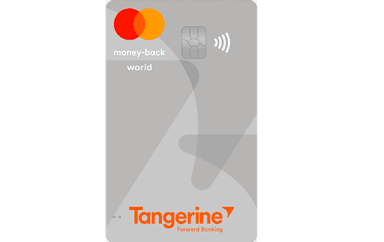

In this example, you could keep your core product for your organic spending, the Tangerine World Mastercard, and benefit from a high return for those famous « other » categories for a few months with the CIBC DividendMD Visa Infinite* Card.
Then, for the rest of the year, you can earn more cash back without paying fees. When your time is up with the CIBC DividendMD Visa Infinite* Card, you can close it and spend the following year with the TD Cash Back Visa Infinite* Card to continue achieving high returns.
Visa’s compatibility with Costco offers a unique opportunity. Purchasing a $2,000 Costco gift card yields a 10% return, a substantial increase over the 1% return. This will keep you set for a while and you won’t be rushed to spend it.
A Simple Wallet for the Best Travel Rewards
Here’s a simple core wallet example for general travel expenses (flights, accommodation, excursions, getting the best exchange rate, savings on conversion fees, etc.). While it’s harder to avoid paying fees with these cards, they’re considered the best credit cards for regularly accumulating a large number of points. Additionally, most of these cards come with annual travel credits or recurring promotional offers.
Since this is a core wallet, you can add other products to cover all your specific needs and desired benefits, as earning points for « travel » can be very vague. For example, if you need a Nexus membership to get through the airport faster or if you need Marriott free night certificates because you often stay with the chain to take advantage of your elite status.
| Credit card | Category | Return | Needs |
| |||
| |||
| Scotiabank Passport™ Visa Infinite +* Card | |||
- Purchases at grocery stores, restaurants, entertainment venues, and daily transportation (including buses, subways, taxis, etc.)
- 2X
The famous « other » category never offers a generous return, which is why I try to dedicate these expenses exclusively to unlocking a welcome bonus when possible.
| Credit card | Annual fee | Welcome offer | |
|---|---|---|---|
| $191.88 | |||
| $150 |


Select the Optimal Rewards Multiplier for Your Card in Canada
A complete list of monthly expenses makes choosing the right credit card for each category easier.
You can consult our various guides here:
Conclusion
Before choosing the credit card that’s right for you, start by defining your goals (cash back or travel, and what type of travel) and evaluating your specific needs. Detailed comparisons of benefits, annual fees, and point conversion rates should guide your decision-making process.
Remember that credit cards should be treated like debit cards. While enjoying the benefits, be careful not to go into debt. The key is to spend wisely and live within your means. After all, the best rewards are peace of mind and good financial health.
There is no one best credit card, but rather a card that best matches your preferences and habits. Making an informed choice requires time, research, and a thorough understanding of what each card offers.
In summary, while the question « What is the best credit card? » persists, it’s important to remember that the answer lies in a thorough analysis of your personal needs.
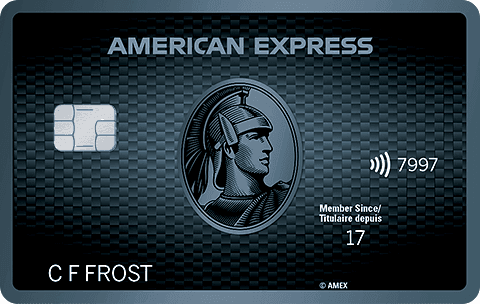

- Annual fee
- $191.88
- Our valuation
- $255Milesopedia first-year estimate First-year valueWelcome bonus$255Total$255Rewards on your spending are not included. The calculator that adds them from your own profile is on the card's page.
- Milesopedia first-year estimateFirst-year valueWelcome bonus$255Total$255Rewards on your spending are not included. The calculator that adds them from your own profile is on the card's page.
- Welcome offer
- Up to 15,000 points
on American Express's website
Apply with confidence — no impact on your credit scoreApply with confidenceCheck whether your application will be approved before you submit it, with no impact on your credit score*When you apply for a personal American Express Credit Card, we will tell you whether you are eligible without affecting your credit score. So you can apply with confidence.*Instant decisions are only available for consumer Card applications (also called “personal Cards”).
Frequently Asked Questions
How do I know which credit card is right for me?
Start with your main spending categories (groceries, gas, restaurants, travel) and your goal: cash back or travel points. The right card is the one that earns the most on your actual spending categories. Our comparator calculates that return for you.
Is it better to get a cash back card or a travel points card?
Cash back is simple and flexible: you get a percentage back on your purchases, with no conversion. Travel points often earn more, but only if you take the time to use them well. Choose based on how much time you want to devote to it.
What income do you need for a Visa Infinite or World Elite card?
Most Visa Infinite and World Elite cards require an annual income of at least $60,000 for an individual, or $100,000 per household. Always check eligibility before applying, because a denial leaves a mark on your credit file.
How many credit cards should I have?
Start with a single card aligned with your main spending category. You can add a second, complementary card once you’ve mastered the first. The key is to use each card where it earns the most.
Is a card with an annual fee worth it?
Yes, as soon as the annual value (welcome bonus, rewards, and perks) exceeds the fee. With regular spending in the right categories, an annual-fee card often earns more than a no-fee card. Calculate the net gain for your budget.
How do I use the Milesopedia comparator?
Select up to three cards, enter your spending by category, and the comparator shows the net return for each one in the first year, after fees. It’s the fastest way to decide between two cards you’re considering.
Our featured card
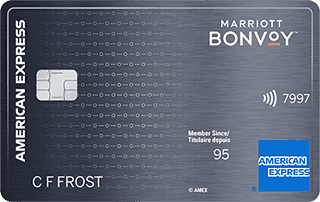
- Annual fee
- $120
- Our valuation
- $990Milesopedia first-year estimate First-year valueWelcome bonus$990Total$990Rewards on your spending are not included. The calculator that adds them from your own profile is on the card's page.
- Milesopedia first-year estimateFirst-year valueWelcome bonus$990Total$990Rewards on your spending are not included. The calculator that adds them from your own profile is on the card's page.
- Welcome offer
- Up to 110,000 points
- Ends Sep 22, 2026
on American Express's website
Apply with confidence — no impact on your credit scoreApply with confidenceCheck whether your application will be approved before you submit it, with no impact on your credit score*When you apply for a personal American Express Credit Card, we will tell you whether you are eligible without affecting your credit score. So you can apply with confidence.*Instant decisions are only available for consumer Card applications (also called “personal Cards”).
Our editorial integrity
Our reviews and rankings are based on an objective assessment. Advertisers do not influence our content. We may receive compensation through some links; our analysis and opinions remain independent.