

How to Avoid Credit Card Fees in Canada

Credit card fees can quickly reduce the value of your rewards, rebates, or travel points. In Canada, however, you can limit these costs by choosing the right card, understanding applicable fees, and adopting good financial habits.
Whether you use a credit card for everyday purchases, travel, or major expenses, certain fees can be avoided. Annual fees, interest, foreign exchange fees, and cash advances are among the most common.
Therefore, knowing how to avoid credit card fees in Canada allows you to keep more money and maximize your card’s benefits. In this guide, discover the main fees to watch for and strategies to reduce them.
What Are Credit Card Fees?
Credit card fees are amounts charged by a card issuer for certain services or transactions. They vary depending on the type of card, contract terms, and your usage habits.
Before choosing a card, it’s therefore important to understand the different possible fees. A card offering multiple rewards may seem attractive, but its costs can reduce its actual value.
The main credit card fees in Canada include:
- Annual Fee;
- Interest charges;
- Foreign exchange fees;
- Balance transfer fee;
- Cash advance fees;
- Late payment fees;
- Fees related to exceeding your credit limit.
Each type of fee can generally be reduced or avoided with a good strategy.
For example, someone who always pays their full balance will avoid interest charges. Another person who travels regularly can opt for a card with no foreign exchange fees.
Also consult our guide on credit cards to better understand how they work and compare available options based on your needs.
Avoiding Annual Fees
Annual fees represent one of the most well-known costs of credit cards. They’re generally charged each year to access a card’s benefits.
Some premium cards offer significant rewards, travel insurance, or exclusive benefits in exchange for annual fees. However, these fees aren’t always worthwhile for all users.
Before choosing a card, therefore compare the value of rewards earned with the annual cost charged.
A simple calculation can help you: Value of rewards received – annual fee = actual card value
If the rewards earned don’t exceed the annual fee, a no-fee card might be a better option.
To discover available cards for different profiles, consult our selection of the best credit cards.
Choosing a No-Fee Card
A no-fee credit card can be an excellent solution to reduce your costs. It allows you to use a credit card without paying fees simply to keep it.
These cards are particularly suitable for people who:
- Use their card occasionally;
- Want to accumulate rewards without fixed fees;
- Prefer to avoid an annual commitment;
- Are new to credit cards.
Several no-fee cards also offer cash back, points, or other benefits.
Among these cards is the CIBC Dividend® Visa* Card, which was named the best no-fee cash back credit card in 2026.
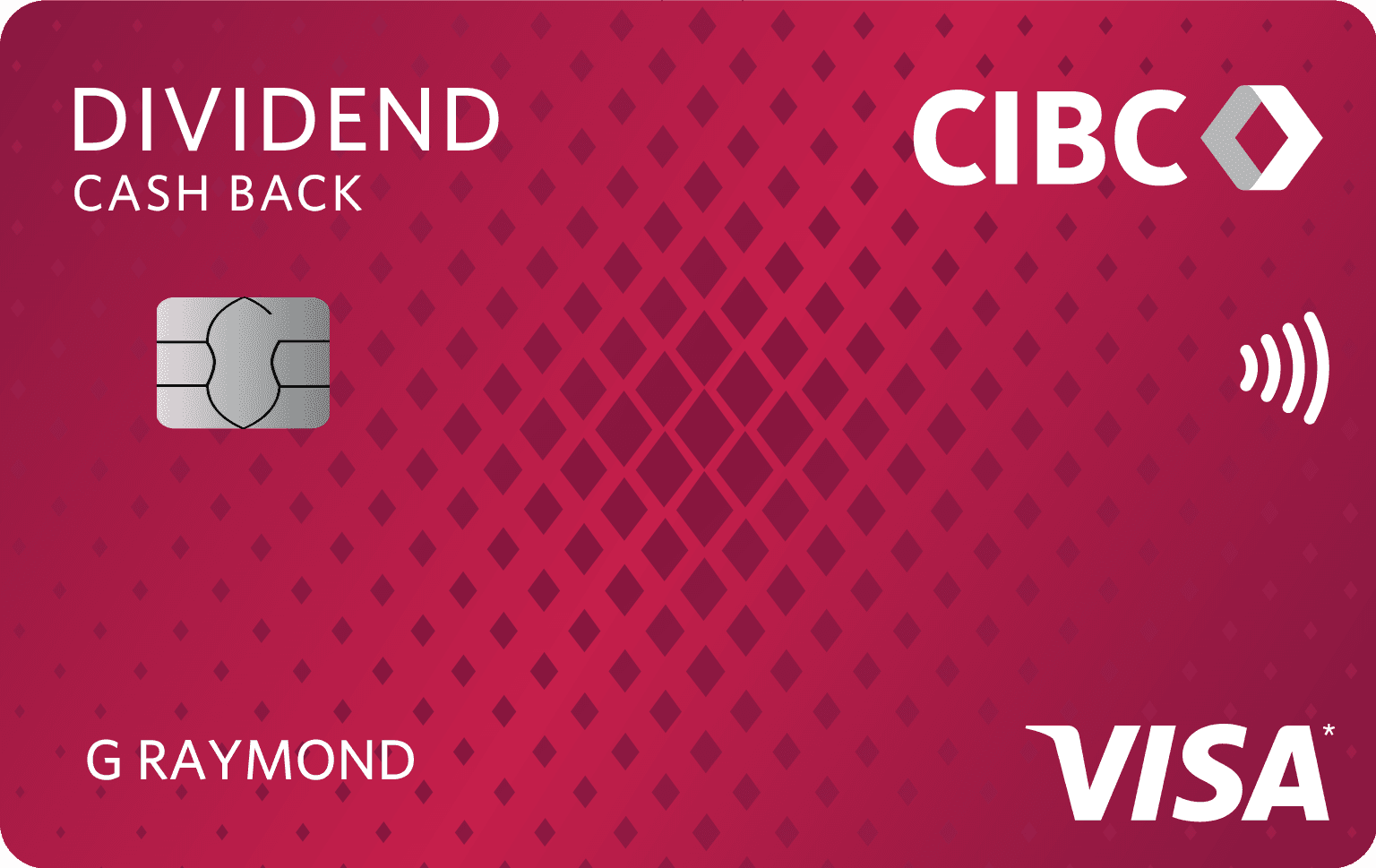

- Annual fee
- $0
- Our valuation
- $100Milesopedia first-year estimate First-year valueWelcome bonus$100Total$100Rewards on your spending are not included. The calculator that adds them from your own profile is on the card's page.
- Milesopedia first-year estimateFirst-year valueWelcome bonus$100Total$100Rewards on your spending are not included. The calculator that adds them from your own profile is on the card's page.
- Welcome offer
- Up to $100
on CIBC's website
However, you need to compare all features. A card with an annual fee can sometimes offer superior value if you fully use its benefits.
Discover our selection of no-fee credit cards to find an option suited to your situation.
Taking Advantage of Annual Fee Promotions
Card issuers regularly offer promotions to avoid annual fees. For example, some cards offer a free first year or a partial fee rebate.
These offers can be attractive when you want to test a card before committing long-term.
However, pay attention to applicable conditions. An advantageous first-year offer can become less attractive when regular annual fees begin.
It’s also possible, in some cases, to request a fee waiver from your issuer. This option depends, however, on your history with the financial institution.
To learn about possible strategies, consult our guide on credit card fee waivers.
Avoiding Interest Charges
Interest charges often represent the highest cost of a credit card. They appear when you don’t pay the full balance before the due date shown on your statement.
In Canada, credit card interest rates can be high compared to other types of financing. Therefore, carrying an unpaid balance for several months can quickly increase the actual cost of your purchases.
The best way to avoid interest is therefore to pay your full balance each month. This habit generally allows you to benefit from the grace period offered by your card.
The grace period is the time between the end of your billing period and the payment due date. If your balance is paid in full within this period, no interest should be charged on your eligible purchases.
To better understand how interest works, consult our guide on credit card interest.
Paying the Full Balance Each Month
Paying the full balance is one of the most effective strategies to avoid credit card fees.
To achieve this, several methods can help you:
- Use your card only for planned expenses;
- Track your transactions regularly;
- Set up automatic payments;
- Maintain a realistic monthly budget.
Additionally, avoiding spending more simply because a credit limit is available remains essential.
A credit card should be considered a payment tool, not a long-term financing source.
If you use your cards to earn points or rebates, always ensure the rewards earned exceed potential costs.
Choosing a Low-Rate Card
Some people can’t always pay their full balance each month. In this situation, a card with a low interest rate can reduce interest costs.
These cards generally offer fewer rewards, but their reduced rate can be advantageous for people who sometimes carry a balance.
For example, a difference of several percentage points on an interest rate can represent significant savings when the balance is high.
Among these cards is the Scotiabank Value® Visa Card, which was named the best low-rate credit card in 2026.
- Annual fee
- $0 $29No annual fee the first year
- No annual fee the first year
- Our valuation
- $29Milesopedia first-year estimate First-year valueAnnual fee rebated$29Total$29Rewards on your spending are not included. The calculator that adds them from your own profile is on the card's page.
- Milesopedia first-year estimateFirst-year valueAnnual fee rebated$29Total$29Rewards on your spending are not included. The calculator that adds them from your own profile is on the card's page.
- Welcome offer
- First Year Annual Fee Rebate
- $29 annual fee rebated
- Ends Jan 3, 2027
on Scotiabank's website
Before choosing a card, therefore evaluate your actual behavior. A card with lots of points isn’t necessarily the best choice if you regularly pay interest.
Discover our selection of low-rate credit cards in Canada.
Avoiding Foreign Exchange Fees
Foreign exchange fees can surprise many travelers. They generally apply when you use your credit card to make a purchase in a foreign currency.
In Canada, many cards add conversion fees when you pay in U.S. dollars or another currency. These fees can represent approximately 2.5% of the transaction, in addition to the applicable exchange rate.
Therefore, a $1,000 purchase made abroad could result in several dozen dollars in additional fees.
For people who travel regularly or often shop online from foreign merchants, these fees can become significant.
Choosing a No-Fee Conversion Card
A card with no foreign exchange fees can be an attractive solution to reduce costs related to international purchases.
These cards are particularly useful for:
- Travel abroad;
- International hotel bookings;
- Online purchases in foreign currencies;
- Subscriptions with foreign providers.
Among these cards is the Scotiabank Passport™ Visa Infinite* Card, which was named the best no-fee conversion credit card in 2026.
This card currently offers a welcome bonus of up to 60,000 Scene+ points, a good time to add it to your wallet before your next trip abroad.
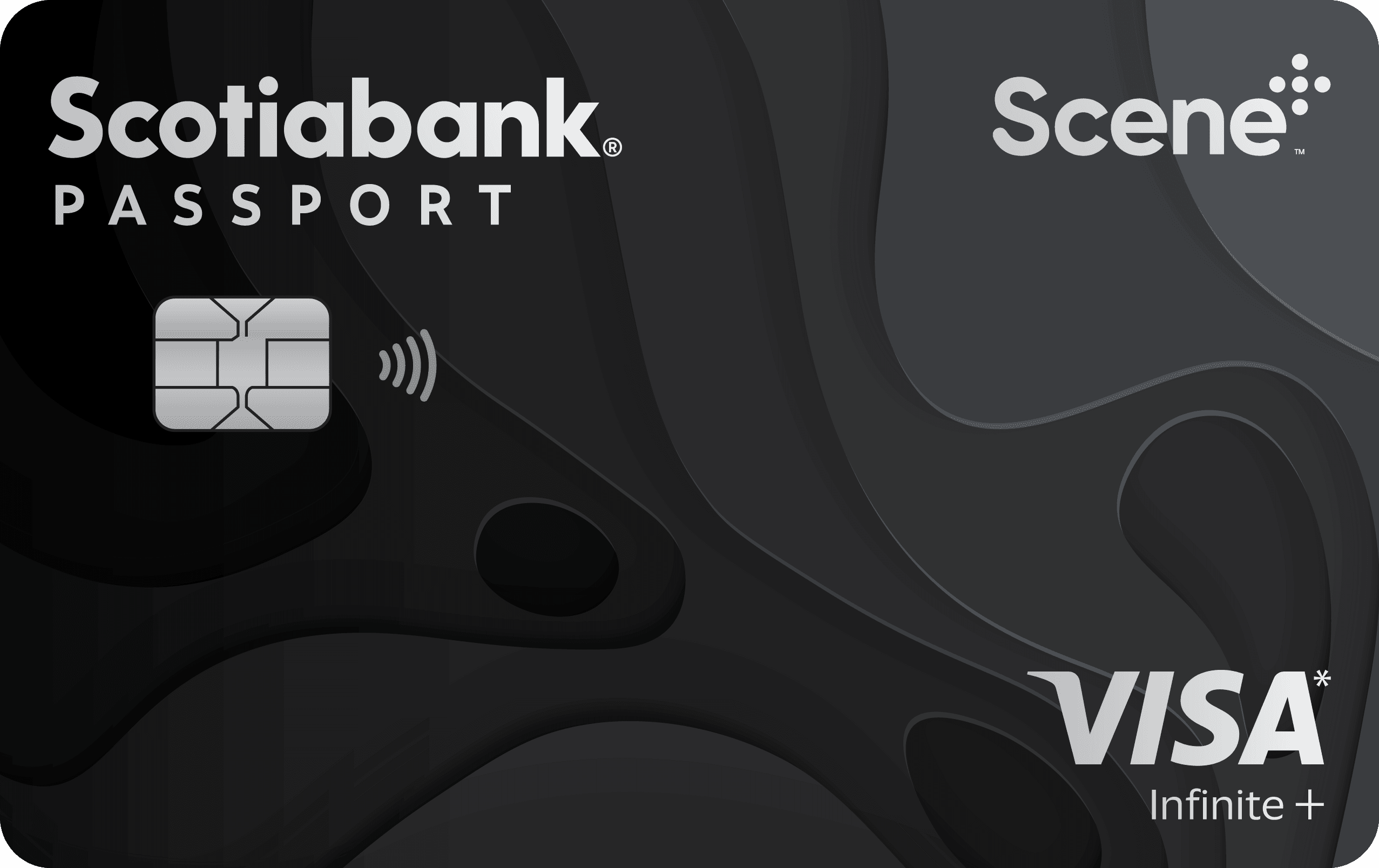
- Annual fee
- $150
- Our valuation
- $350Milesopedia first-year estimate First-year valueWelcome bonus$350Total$350Rewards on your spending are not included. The calculator that adds them from your own profile is on the card's page.
- Milesopedia first-year estimateFirst-year valueWelcome bonus$350Total$350Rewards on your spending are not included. The calculator that adds them from your own profile is on the card's page.
- Welcome offer
- Up to 35,000 points
- Ends Nov 1, 2026
on Scotiabank's website
However, you also need to compare the card’s other features. Some no-fee conversion cards may have annual fees or fewer rewards.
The best choice therefore depends on your usage. To compare available options, consult our guides on no-fee conversion cards.
Reducing Fees When Traveling
When you travel, a few good practices can help you avoid unnecessary fees.
For example, choose a card suited to international purchases rather than a traditional card with conversion fees.
Also avoid converting money at places offering unfavorable exchange rates. Compare available options before your departure.
Additionally, learn about your card’s terms before your trip. Some cards offer insurance or protections that can add value to your usage.
For other strategies, consult our guide to save on foreign currency transactions.
Avoiding Balance Transfer Fees
A balance transfer involves moving existing debt from one credit card to another card generally offering a lower promotional interest rate.
This strategy can help reduce interest charges when you have a significant balance to pay off. However, it doesn’t necessarily mean the transfer is free.
Many cards apply balance transfer fees. These often correspond to a percentage of the transferred amount.
For example, a $5,000 transfer with 1% fees would result in $50 in fees. You therefore need to calculate the actual savings before proceeding.
Choosing a Card Suited to Transfers
Balance transfer cards can be useful when you want to pay off debt faster.
They sometimes offer a promotional period with a reduced or 0% interest rate. This period gives you more time to reduce your balance.
However, you must meet certain conditions:
- Complete the transfer within the specified period;
- Meet minimum payments;
- Avoid accumulating new debt;
- Pay off the balance before the promotion ends.
Among these cards is the CIBC Select Visa* Card, which was named the best balance transfer credit card in 2026.
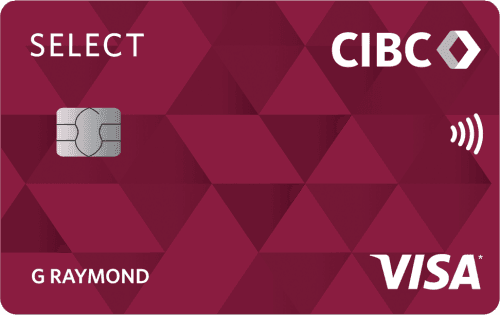
- Annual fee
- $0 $29No annual fee the first year
- No annual fee the first year
- Our valuation
- $29Milesopedia first-year estimate First-year valueAnnual fee rebated$29Total$29Rewards on your spending are not included. The calculator that adds them from your own profile is on the card's page.
- Milesopedia first-year estimateFirst-year valueAnnual fee rebated$29Total$29Rewards on your spending are not included. The calculator that adds them from your own profile is on the card's page.
- Welcome offer
- First Year Annual Fee Rebate
- $29 annual fee rebated
on CIBC's website
Consult our selection of balance transfer credit cards to compare available options.
Using a Balance Transfer Effectively
Before transferring a balance, take time to evaluate your financial situation.
A transfer can be a temporary solution, but it doesn’t address the initial cause of debt. An appropriate budget and repayment strategy remain essential.
Additionally, generally avoid making new purchases with the card used for the transfer. Terms applicable to new purchases may be different.
To learn the steps to follow, consult our guide on credit card balance transfers.
Avoiding cash advance fees
A cash advance involves using your credit card to obtain cash or make certain transactions considered an advance.
Unlike a regular purchase, a cash advance generally does not benefit from a grace period. Interest usually starts accumulating immediately.
In addition, your card issuer may add a fixed fee or a percentage of the amount withdrawn.
Cash advances can therefore become expensive quickly. They should only be used when necessary and after evaluating other available options.
To better understand this type of transaction, consult our guide on cash advances with a credit card.
Avoiding payment-related fees
Late payments represent another common source of credit card fees.
When a payment is not made before the deadline, the issuer may apply fees. In addition, a late payment can have consequences on your credit file.
To avoid this situation, several solutions exist:
- Set up automatic payments;
- Choose a payment date suited to your financial cycle;
- Check your statement regularly;
- Keep a margin in your budget.
Even a one-time oversight can result in avoidable fees.
To understand the different payment options, consult our guide on credit card payments in Canada.
Avoiding costly mistakes with a card
Certain habits can result in fees or reduce the effectiveness of your credit card.
Among common mistakes are:
- Exceeding your credit limit;
- Paying only the minimum amount;
- Ignoring the card’s terms and conditions;
- Applying for multiple cards;
- Not monitoring your credit file.
Good management not only helps avoid certain fees, but also preserves your financial health.
Your credit file influences several important financial decisions. A positive history can facilitate access to better financial products.
Consult our article on common mistakes with credit cards in Canada.
Monitoring your limit and credit file
Your credit limit plays an important role in your daily use of a card.
A limit that is too low can cause you to quickly approach the available maximum. Conversely, a higher limit can make it easier to manage your utilization ratio, if your spending remains controlled.
Understanding how issuers establish your credit limit can therefore be useful.
Finally, monitor your credit file and financial habits regularly.
Discover what appears in your credit file and learn how to improve your credit score.
Conclusion
Avoiding credit card fees in Canada is primarily based on good habits and a choice suited to your situation.
First, take the time to understand the different possible fees before choosing a card. Then, favor usage that corresponds to your financial capacity.
Thus, paying your full balance, choosing a no-fee card when relevant, and using a card suited to your travel can significantly reduce your costs.
In addition, the rewards and benefits of a credit card have real value only when fees are controlled.
By applying these strategies, you can get more out of your card while maintaining better financial health.
How to Avoid Credit Card Fees in Canada – FAQ
How can I avoid annual fees on a credit card?
Choose a no-fee card, such as the CIBC DividendsMD Visa Card*, or compare the value of the rewards earned against the annual cost charged.
How can I avoid interest on a credit card?
Pay your full balance before the due date to avoid interest on your eligible purchases.
Which card should I choose to avoid conversion fees?
A card with no conversion fees, such as the Scotiabank PassportMD Visa Infinite+* Card, can be advantageous for travelers and people who make purchases in foreign currencies.
Do balance transfers always save money?
Not always. Calculate the transfer fees and compare them to the expected interest savings.
How can I avoid cash advance fees?
Avoid cash advances when possible, as they often result in immediate fees and interest from day one.
How much are late fees or returned payment fees?
Canadian issuers generally charge between $25 and $40 for a late payment or a returned payment due to insufficient funds. A missed payment can also drop your credit score by several dozen points and stay on your file for several years. Setting up an automatic payment for the minimum balance remains the best protection.
What are the fees and interest rate for a cash advance?
A cash advance comes with a transaction fee (often 3% to 5% of the amount, or a flat fee of around $5 to $10, whichever is higher), plus a higher interest rate, generally between 23% and 28%, which applies from day one with no grace period. That’s why a cash advance almost always costs more than a regular purchase.
Can you go over your credit limit without fees?
Only if you’ve enabled this option with your issuer. Without this authorization, a transaction that exceeds your limit is simply declined. With the authorization enabled, over-limit fees may apply, generally once or twice per billing cycle, depending on the rules set by the issuer.
Our featured card
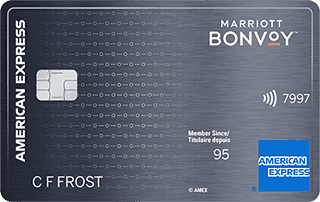

- Annual fee
- $120
- Our valuation
- $990Milesopedia first-year estimate First-year valueWelcome bonus$990Total$990Rewards on your spending are not included. The calculator that adds them from your own profile is on the card's page.
- Milesopedia first-year estimateFirst-year valueWelcome bonus$990Total$990Rewards on your spending are not included. The calculator that adds them from your own profile is on the card's page.
- Welcome offer
- Up to 110,000 points
- Ends Sep 22, 2026
on American Express's website
Apply with confidence — no impact on your credit scoreApply with confidenceCheck whether your application will be approved before you submit it, with no impact on your credit score*When you apply for a personal American Express Credit Card, we will tell you whether you are eligible without affecting your credit score. So you can apply with confidence.*Instant decisions are only available for consumer Card applications (also called “personal Cards”).
Our editorial integrity
Our reviews and rankings are based on an objective assessment. Advertisers do not influence our content. We may receive compensation through some links; our analysis and opinions remain independent.