The Best First Credit Card for Students and Young Adults 18+
- Student

Loading article…
Young adults and students often need a first credit card to start building their credit and to help them manage their finances. But above all, it’s another step towards independence!
There are several options offered by financial institutions, but some cards are better than others; they can offer benefits and rewards, low annual fees and interest rates, and additional protections.
When you start wanting to build your credit history or manage your finances, a good tool is to apply for a credit card.
It’s an excellent way to:
Before choosing a credit card, it is crucial to understand the associated fees. Credit cards have interest charges that apply when the balance is not paid in full each month, and this can hurt your wallet.
The young person must then use their credit card like a debit card.
In addition, some cards impose annual fees, while others may have fees for foreign transactions or cash advances.
Obtaining a credit card as a student in Canada is a relatively simple process, although requirements may vary depending on the financial institution chosen.
In Canada, the legal age to obtain a credit card without a co-signer is 18. However, in some Canadian provinces, such as British Columbia, New Brunswick, and Nova Scotia, the legal age is 19. Some credit card issuers may also require students to have a co-signer if they cannot provide proof of income.
Before applying for a card, assess your needs and financial capabilities. Think about how you plan to use the card and your ability to repay. To apply, you will generally need to provide proof of enrollment in a post-secondary educational institution. This can be a copy of your student card or an admission letter.
The credit card application can be made online, for example by clicking on the link of the card you are interested in, which will take you directly to the financial institution’s website, or by visiting a branch of the chosen bank in person.
Once obtained, this first card will allow you to build your credit history, for which you will need to start adopting good spending habits and financial management.
Owning a credit card is a big responsibility. By using your card wisely, you will establish a good credit history, which will benefit you in the future when you may want to take out a loan for a car or a mortgage. Avoid spending more than you can repay and always pay your balance in full to avoid interest charges.
As a student or young adult, it is important to consider spending habits, the benefits the card can provide, and our objective.
Looking at the expenses in your bank account, which are the most frequent and important?
Many credit cards offer promotions to attract new customers, including reduced interest rates, cash back, or bonus points for new cardholders. However, it is essential to read the fine print of these offers, as they may have conditions or expire after a certain period.
Then, what do you want to do with the rewards? The most popular answers are:
Here are four of the best credit cards for young people (students or not) in Canada, according to their needs and objectives.
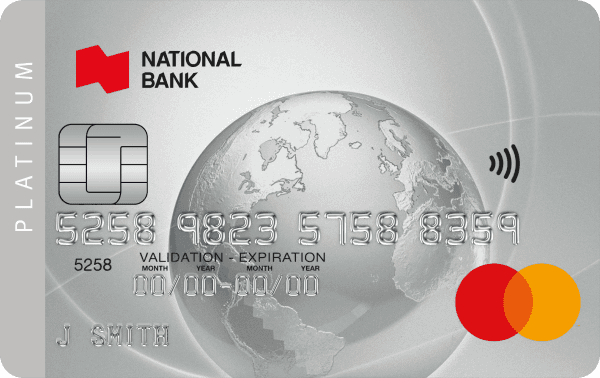
For an easy-to-manage card, the National Bank Platinum Mastercard is excellent for building a credit history. You must be 18 years old in Quebec or have reached the age of majority in your province of residence to obtain this card.
According to our Milesopedia 2026 ranking, the National Bank Platinum Mastercard also won the title of Best Credit Card for Young Professionals. It has an annual fee of $70, but this is well worth it with the points it gives, its advantageous rewards program, and its comprehensive insurance.
In addition, this credit card also has valuable mobile device insurance. So, if the cell phone or tablet purchased with this card is broken, lost, or stolen, the warranty offers replacement or repair, up to $1,000!
on National Bank's website
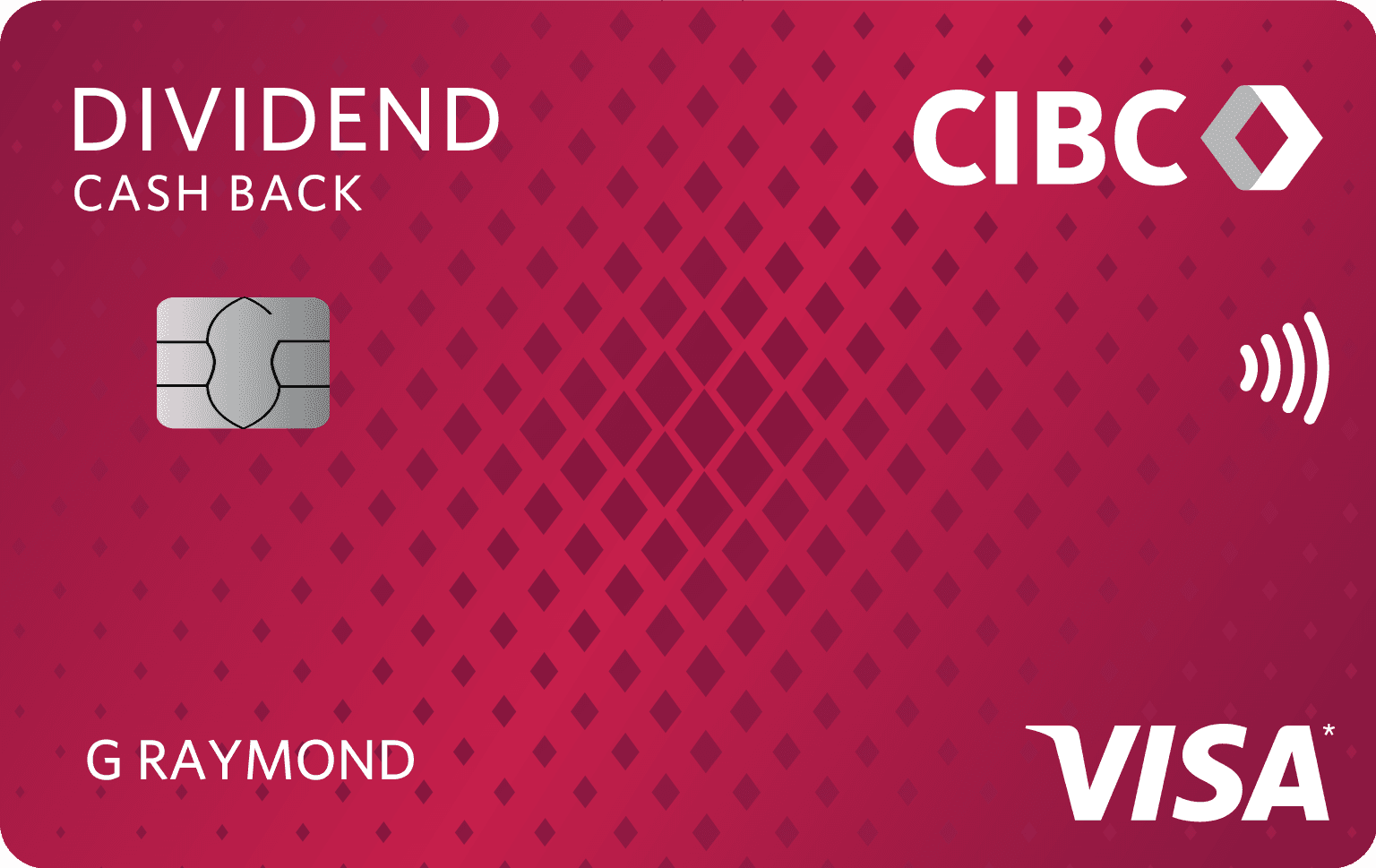
The CIBC Dividend® Visa* Card for Students is the card we named the best credit card for students in 2026.
Very simple to use and understand, it offers:
The CIBC also gives free SPC+ membership. Plus, get a free 12-month trial of Skip+.
on CIBC's website
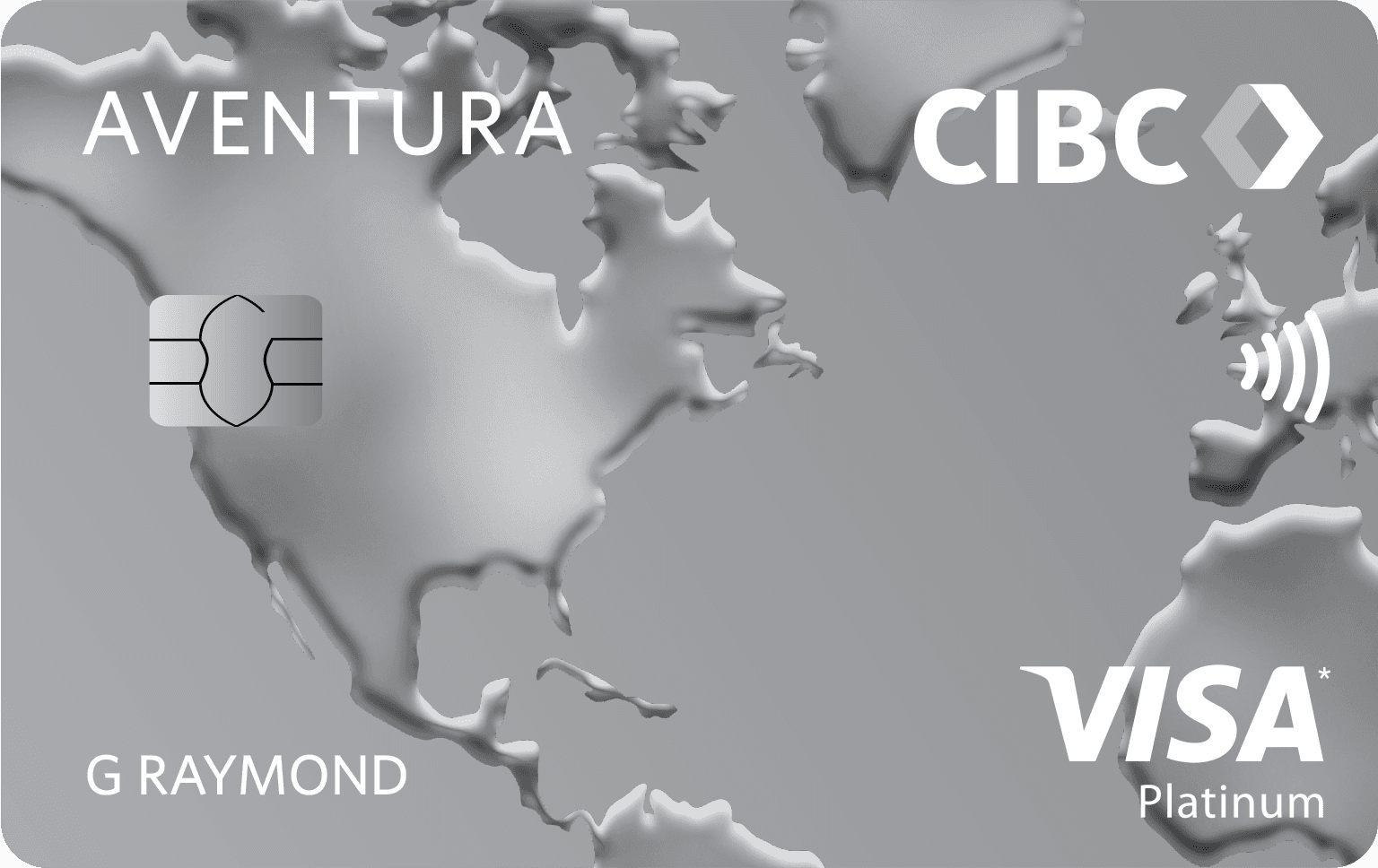
The CIBC Aventura® Visa* Card for Students is among the best Visa credit cards for students with travel points. For this one too, you must have reached the age of majority in your province to subscribe.
The best way to use Aventura points for travel. So, with Aventura points, go on an adventure for cheap!
It gives 1 Aventura point:
Also, CIBC gives free SPC+ membership, which offers discounts at a ton of fashion, restaurant, entertainment, and travel businesses.
on CIBC's website
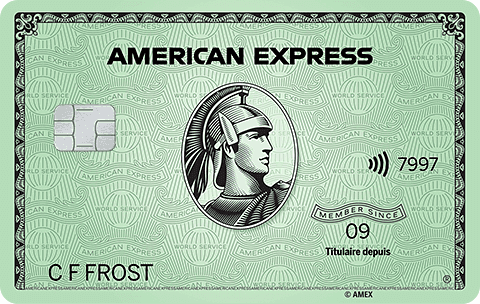
The American Express Green Card® is very flexible. Contrary to popular belief, it is accepted at many more businesses than one might think. It is an underrated card with great power.
The American Express Green Card is also easy: it gives 1 Membership Rewards point for every $1 spent on everything.
In Quebec, you must be at least 18 years old to obtain it, and the card is made of 99% recycled plastic.
Then, points can be used to:
Plus, this credit card has no annual fees!
Thanks to American Express Experiences and Presale, cardholders have access to presales for the most popular shows before anyone else.
on American Express's website
Apply with confidenceCheck whether your application will be approved before you submit it, with no impact on your credit score*When you apply for a personal American Express Credit Card, we will tell you whether you are eligible without affecting your credit score. So you can apply with confidence.*Instant decisions are only available for consumer Card applications (also called “personal Cards”).
Note that this type of card has no effect on your credit history nor will it help improve a credit score, as it is a prepaid card.
For someone who is just starting out or is initially unsure, a prepaid card can be a good way to manage their budget. Then, when everything is under control, the next step is to move towards a credit card.
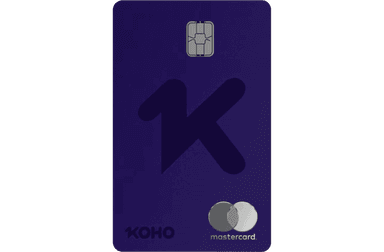
The KOHO Extra Prepaid Mastercard is a hybrid debit and credit card offered by the Canadian fintech KOHO and is available to individuals who have reached the age of majority in their province. So, from 18 years old in Quebec, it allows you to use it as a:
This card provides the following benefits:
Special offer:
The KOHO Extra Prepaid Mastercard (formerly the KOHO Premium Prepaid Mastercard) lets you earn more cash back:
Your funds earn 2.5% interest (calculated daily, paid monthly) and are protected by CDIC. The card is also accepted at Costco.
When you travel, enjoy no foreign transaction fees on purchases abroad.
Choose between two payment options for the Extra plan:
| Credit card | Annual fee | Welcome offer | |
|---|---|---|---|
| $144 | |||
| $48 | |||
| $177 |
For a first credit card, you take it with the intention of never canceling it to properly build your credit history.
One day, if you no longer want it, you just have to take its version without annual fees (downgrade). This way, you will keep your history and your credit file will not be affected.
You can easily take a credit card that is not linked to the financial institution where you have your bank account. To repay the balance, simply treat it like a bill to pay. See how to pay a credit card on AccèsD (which is the same principle as for other banks).
Whatever your choice, it is very important to pay your credit card balances on time, every month, and in full. To compare more options, consult our ranking of the best credit cards in Canada.
Having a credit card allows you to start building a credit history, which will be beneficial for future loans, such as car loans or mortgages.
Look at annual fees, interest rates, benefits (such as rewards programs), and credit requirements before signing up for a card. With over 200 credit cards in Canada, it is essential to compare them with a credit card comparator to find the one that best suits your situation.
You must be of legal age in your province of residence (i.e., 18 or 19 in Canada) to have a credit card.
For a teenager, it is not possible to have a credit card. You must be of legal age in your province of residence (i.e., 18 or 19 in Canada) to have a credit card.
The option is to have an additional credit card, thanks to a parent who already has a credit card.
In order to own a credit card, you must have reached the age of majority in your province.
However, a student or teenager aged 17 or under can be an additional cardholder and thus have a secondary card on a parent’s credit card account.
Consult our article on The minimum age for a teenager to have an additional credit card. The age can vary between 12 and up or no minimum age, depending on the financial institutions.
The disadvantage is that he or she will not build a credit history. What’s more, the parent will have to keep a close eye on their children’s transactions, since they’ll be responsible for all payments!
The amount you spend matters less than paying on time. According to the Financial Consumer Agency of Canada (FCAC), payment history is the most important part of your credit score. Put one or two small recurring bills on the card, such as a phone plan or a music subscription, and pay the balance in full by each due date. As of September 2026, the FCAC also suggests using less than 30% of your credit limit: on a $1,000 limit, that means a balance under $300. Keep this first card open for a long time, since the length of your credit history also counts.
Each issuer sets its own criteria. The FCAC recommends contacting the card issuer to find out if you're eligible. These cards usually have lower credit limits than standard cards. If you have a job, a standard no-annual-fee card also builds your credit history. Compare your options in our ranking of the best student credit cards.
A secured card requires a security deposit, and the issuer usually sets your limit at or above that amount. After several months of on-time payments, you can apply for an unsecured card. Before applying, the FCAC advises checking your credit report with Equifax and TransUnion, since an error may explain a refusal. You then get your deposit back by paying off the balance and closing the secured account. However, closing an account reduces your available credit and may shorten your credit history.
To maximize your Membership Rewards points accumulation, consult our complete guide to the American Express Membership Rewards program as well as our ranking of the best American Express Membership Rewards credit cards, updated monthly by the Milesopedia team.
on CIBC's website
Our reviews and rankings are based on an objective assessment. Advertisers do not influence our content. We may receive compensation through some links; our analysis and opinions remain independent.