

Best Credit Cards for Snowbirds

A card built for snowbirds
Every winter, thousands of Canadian snowbirds head south for a few weeks or several months. The right credit card for snowbirds changes everything: it removes foreign transaction fees, funds hotel nights and protects you during a long stay abroad. Here are our strategies for saving money with the best Canadian credit cards. To plan your whole season down south, see our complete snowbirds guide.
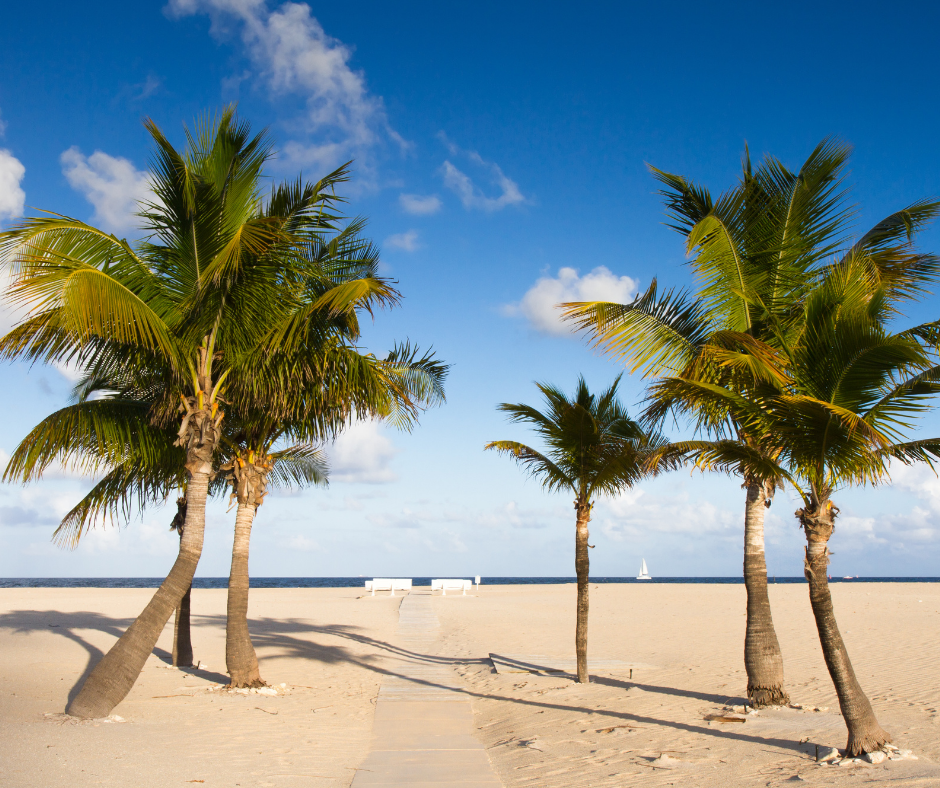
The right cards help you save on almost everything: gas, groceries, restaurants, hotels and flights. The goal stays the same: travel more often, better, and for less.
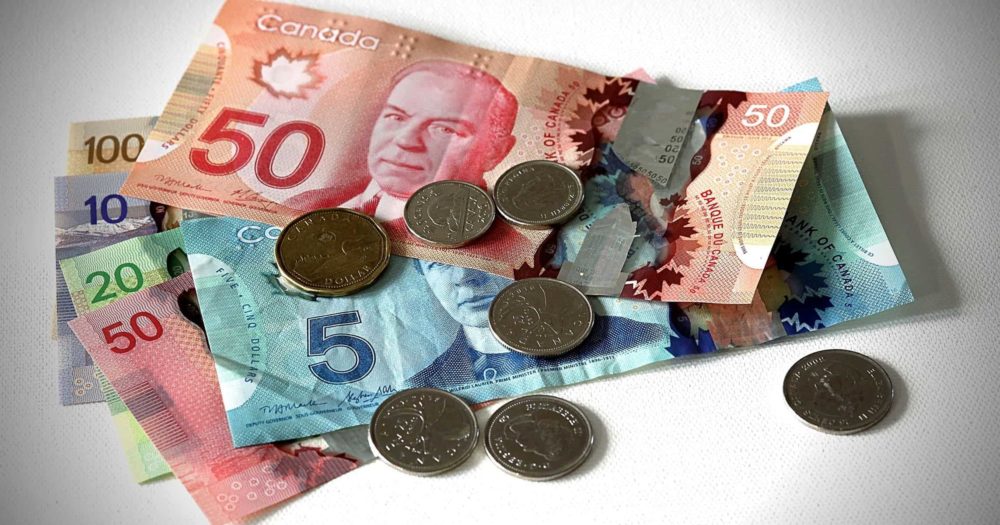
Strategies to save
A credit card with no foreign transaction fees
Paying in a foreign currency with a standard Canadian card means accepting a 2.5% foreign transaction fee on top of the exchange rate the banks apply. Over a full winter down south, the bill adds up fast.
Three Canadian credit cards eliminate these fees entirely, along with several other perks:
- Scotiabank Passport Visa Infinite +* Card
- Scotiabank Gold American Express Card
- Scotiabank Platinum American Express Card

On top of charging no foreign transaction fees, each of these cards grants a welcome bonus. Some promotions are worth hundreds of dollars in bonuses or cash back that you can apply to hotel stays, car rentals or excursions.
| Credit card | Annual fee | Welcome offer | |
|---|---|---|---|
| $150 | |||
| $120 | |||
| $399 |
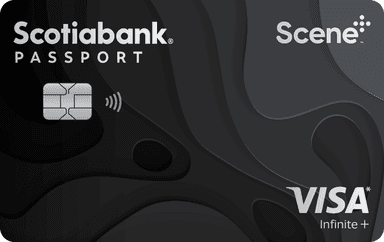
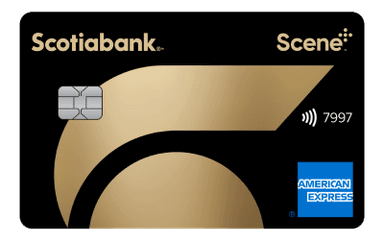

Some also add airport lounge access and an annual travel credit, for example to pay for better seats on the plane. Finally, they come with excellent insurance, a key point when you want comfort and safety during a long stay.
There are also other options, such as reloadable prepaid cards that charge no foreign transaction fees (or lower fees).
With the KOHO Extra Mastercard, there are no foreign transaction fees. It acts as a guardrail, since you only spend what you have deposited in your account. However, it only includes one free international ATM withdrawal per month (additional ones are charged) and comes with no travel insurance. It is also a paid plan: $18 per month or $144 per year. Not very handy for renting a car or booking a hotel when the merchant asks for a pre-authorization of 15 to 20% of the amount. See all the details on the KOHO prepaid Mastercard.
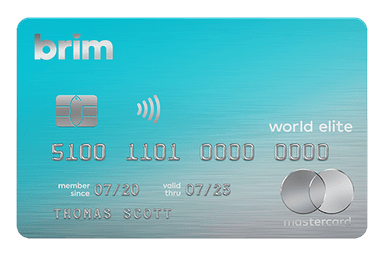
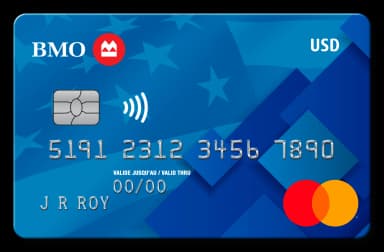
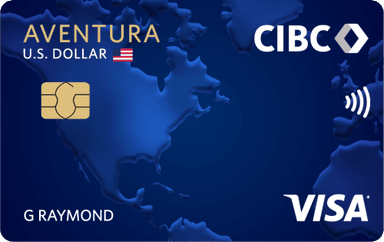
Finally, there are Canadian credit cards in US dollars, an option every financial institution offers.
They do require keeping a minimum balance in the US bank account for the service to stay free, or they limit the number of transactions unless you pay for a plan. So far, that could work. But the rewards offered, whether cash back (1%) or items at a rate of 100 points for $1, remain unappealing.
| Credit card | Annual fee | Welcome offer | |
|---|---|---|---|
| $144 | |||
| $89 | |||
| $49 | |||
| $0 |

Getting free hotel nights
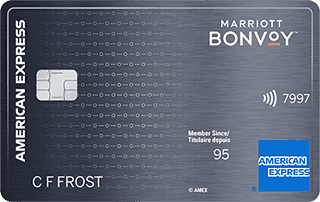
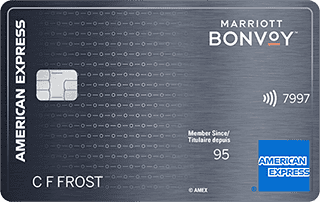
For a long stay down south, a hotel card funds free hotel nights. The Marriott Bonvoy American Express Card is a solid choice: it is available in Canada, unlike the Hilton chain cards.
This card gives a free night every year on renewal, worth up to 35,000 points. That free night easily makes up for the $120 annual fee, not counting the points earned on sign-up and on your purchases.
On top of that, the fifth night is free when you book four with points. There are also the elite statuses that grant lounge and breakfast access, early check-ins and late check-outs.

- Annual fee
- $120
- Our valuation
- $990Milesopedia first-year estimate First-year valueWelcome bonus$990Total$990Rewards on your spending are not included. The calculator that adds them from your own profile is on the card's page.
- Milesopedia first-year estimateFirst-year valueWelcome bonus$990Total$990Rewards on your spending are not included. The calculator that adds them from your own profile is on the card's page.
- Welcome offer
- Up to 110,000 points
- Ends Sep 22, 2026
on American Express's website
Apply with confidence — no impact on your credit scoreApply with confidenceCheck whether your application will be approved before you submit it, with no impact on your credit score*When you apply for a personal American Express Credit Card, we will tell you whether you are eligible without affecting your credit score. So you can apply with confidence.*Instant decisions are only available for consumer Card applications (also called “personal Cards”).
Charging the card in local currency
In the United States, always ask that the amount be charged to your card in US dollars, never in Canadian dollars. Some merchants take a commission on these conversions, known as dynamic currency conversion.
Currency transfers
This article is about credit cards for snowbirds. Note that there are other tricks to save, including currency transfers between the Canadian dollar and the US dollar.
For example, the Wise service offers an unbeatable rate and lets you get US dollars quickly. Or the currency exchange program of the Canadian Snowbird Association.
What about your credit score?
If you worry about your credit score after applying for new cards, here is how it is calculated:
- 35% of your credit score comes from paying your balances on time. In other words, being seen by your lenders as a good borrower.
- 30% of your credit score comes from your monthly use of the various credit limits granted by your lenders (mortgage, line of credit, credit cards, etc.).
Example:
- Each month you use $2,500 of your available credit, made up of a single credit card offering $5,000. Your utilization ratio is 50%.
- You have 2 credit cards offering $5,000 each, and still use $2,500. Your utilization ratio drops to 25%.
It is recommended to keep a utilization ratio below 30%.
- 15% of your credit score comes from your credit history in Canada for all your credit lines (credit cards, mortgages, auto loans, student loans, etc.). An average is calculated to set this score. So it is recommended to keep an “old” credit card active to maintain a good average.
- 10% of your credit score comes from the diversity of your credit types (mortgage, line of credit, credit card, etc.).
- 10% of your credit score comes from your new credit applications (cards, loans, etc.). Each time you apply, your credit takes a small hit and loses a few points. These points are usually recovered within a few months if you follow the guidance above, especially on-time payments and the utilization ratio. So applying for one or two extra cards has little impact on your score in the medium term.
Conclusion for snowbirds
A well-prepared winter down south starts with the right financial tools. A card with no foreign transaction fees, a hotel card for free nights and travel insurance suited to a long stay: these three levers make a real difference to the budget of a full season. Compare the best credit cards to find the one that fits your travels.
| Credit card | Annual fee | Welcome offer | |
|---|---|---|---|
| $150 | |||
| $120 | |||
| $120 | |||
| $399 |
Frequently Asked Questions about the best credit cards for snowbirds
Here are questions frequently asked in the milesopedia community about these cards.
Why do snowbirds need a card with no foreign transaction fees?
Most Canadian credit cards charge a 2.5% foreign transaction fee on purchases in a foreign currency. For a snowbird who spends $15,000 USD over the winter (rent, groceries, restaurants, gas), that is $375 a year lost to fees. Three cards eliminate these fees entirely:
- Scotiabank Passport Visa Infinite +*
- Scotiabank Gold American Express
- Scotiabank Platinum American Express
Over 5 winters, that is $1,875 saved, without changing your spending habits at all.
Which hotel points card is recommended for snowbirds?
The Marriott Bonvoy American Express Card is a no-brainer for anyone spending the winter in Marriott hotels:
- Annual fee: $120
- Free night certificate every year on renewal
- 5th night free when you pay for 4 nights with points on the same stay
For a snowbird spending 4 months at Marco Island or Fort Lauderdale in a Marriott, the certificate covers an extra night (typical value 35,000 points = $200+) and the 5th-night-free rule can save $700 to $1,200 over a long stay.
Can a prepaid card like KOHO replace a credit card?
The KOHO Extra Mastercard offers 0% foreign transaction fees on purchases abroad and one free international ATM withdrawal per month (additional ones are charged). It is a paid plan ($18/month or $144/year). It is useful for everyday purchases, but it has two major drawbacks for a snowbird:
- No travel insurance (medical, cancellation, car rental)
- Declined or complicated for hotel and car rental pre-authorizations
Use KOHO as a backup card for everyday purchases, but keep a real credit card for bookings and medical emergencies.
What must you check in the travel insurance of a snowbird card?
Four critical points before leaving for the winter:
- Maximum trip duration covered: most cards only cover 10 to 31 days. For 4 months in Florida, you need complementary insurance
- Age limit: some cards cut medical coverage at 65 or 75
- Pre-existing medical conditions: must be stable for 90 to 180 days
- Medical cap: a minimum of $2 million is recommended
For a stay over 31 days, it is almost always safer to buy a complementary travel policy from an insurer that specializes in snowbirds.
Our featured card
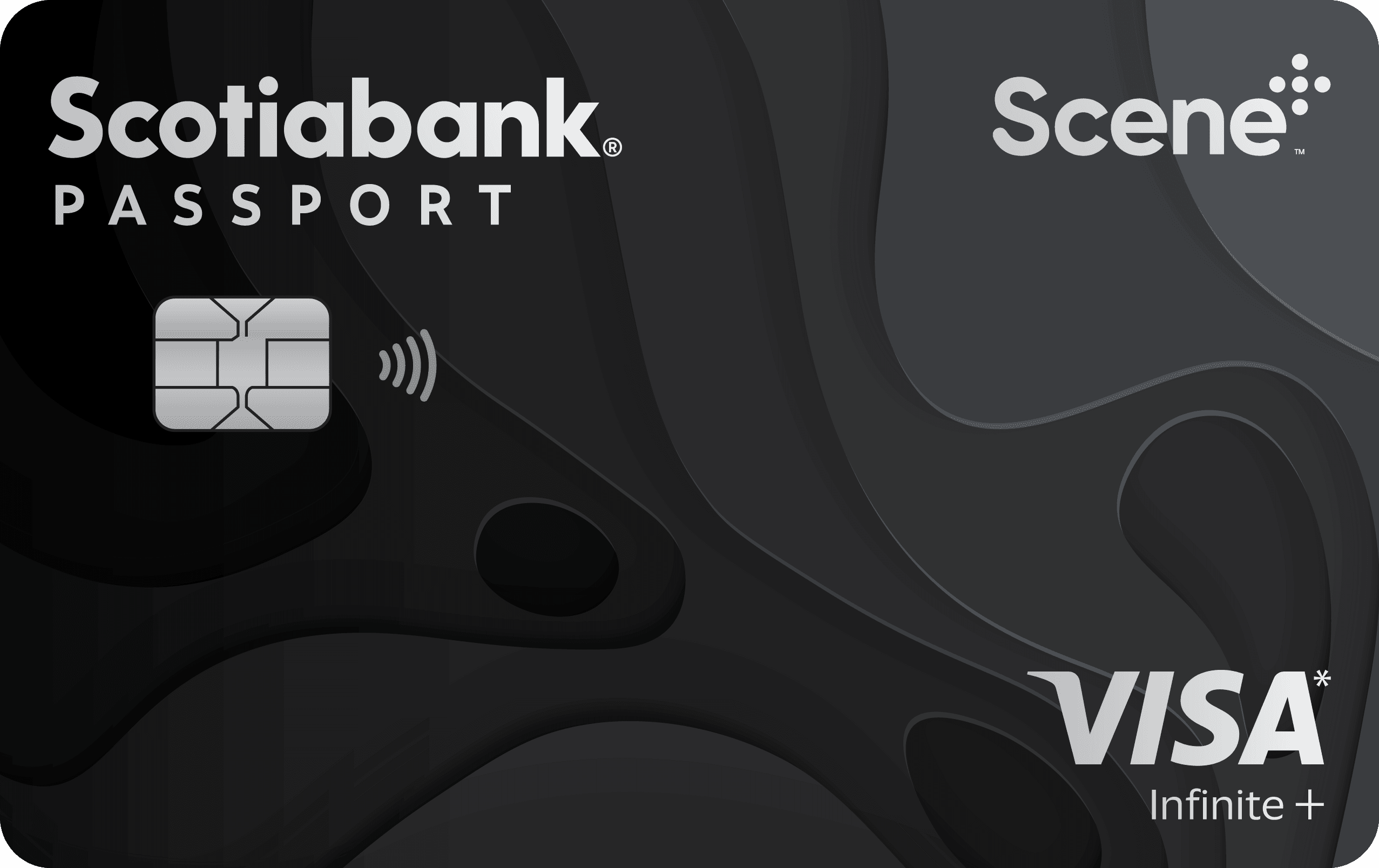

- Annual fee
- $150
- Our valuation
- $350Milesopedia first-year estimate First-year valueWelcome bonus$350Total$350Rewards on your spending are not included. The calculator that adds them from your own profile is on the card's page.
- Milesopedia first-year estimateFirst-year valueWelcome bonus$350Total$350Rewards on your spending are not included. The calculator that adds them from your own profile is on the card's page.
- Welcome offer
- Up to 35,000 points
- Ends Nov 1, 2026
on Scotiabank's website
Our editorial integrity
Our reviews and rankings are based on an objective assessment. Advertisers do not influence our content. We may receive compensation through some links; our analysis and opinions remain independent.