

Expats: Which Bank Should You Choose to Open a Bank Account in Canada?
- Beginner

Building a Credit History as an Expat in Canada
For every newcomer, financial matters become an important consideration during the settlement process. Which Canadian bank should I choose? Which bank account should I open? Credit card or debit card?
As French expats, we have gone through all these steps ourselves and are very familiar with the process. You’ll see it’s important to choose wisely to benefit from the best offers, build your credit history, and why not accumulate some reward points along the way.
Here is our guide for you: welcome to Canada!
Canadian Banks
The main banks in Canada are:
- Laurentian Bank of Canada (LBC)
- Bank of Montreal (BMO)
- National Bank of Canada (NBC)
- Scotiabank (SB)
- Canadian Imperial Bank of Commerce (CIBC)
- Desjardins credit unions
- Royal Bank of Canada (RBC)
- Toronto-Dominion Bank (TD)
You can also find:
Expat – Choosing Your Bank
Before opening an account at any bank, shop around to thoroughly compare the services offered by each one. Once you’ve chosen a bank, switching to another one can be a lengthy process and may result in fees. It’s best to select the right bank from the start based on your profile.
Bank fees, services, communication, welcome offers, branch proximity. Be sure to consider everything.
- Ask what each one has to offer and if you can benefit from any special offers. Some, for example, offer free banking services for the first year for newcomers. Negotiate.
- Pay attention to the interactions and if the manner and form suit you: having good communication with your advisor is important.
- The bank that works for your neighbour might not be the right fit for you. Don’t base your decision on advertisements; focus on the facts and the services offered. Read the fine print.
Account Opening
Once you’ve chosen your bank, you can begin the process of opening a new bank account. Next, make an appointment with your new advisor.
Two pieces of photo identification will be requested, such as a Canadian passport, a Canadian-issued driver’s license, a permanent resident card, a study permit, etc. Some banks may also require proof of address. For more details on this, here is the link to the Canadian Bankers Association.
No minimum deposit is required, nor do you need to prove employment. But sooner or later you will surely need to make an international money transfer if you are coming from abroad for an initial deposit into your new account. There will be a transfer time of around one to three days.
To send money internationally, there are several companies that offer this service:
These are intermediaries that allow you to have an online account to send, receive or spend money internationally. Fees may vary, so be sure to compare your options.
After registering with one of these sites, set up your transaction, add your bank details, and confirm the transfer. However, be aware that some banks, such as National Bank of Canada, will require your first transfer to be bank-to-bank, not through an intermediary.
Banking Products
Each bank will offer a series of products associated with a package. You can start by opening a personal account (savings, chequing or a combined account). Depending on your banking institution and the type of account, service charges vary.
Banks can provide you with a bank debit card. Withdrawals, cash deposits, transfers. All these transactions are possible at an Automated Teller Machine (ATM), using a Personal Identification Number (PIN). You’ll find them everywhere, open 24 hours a day. Prefer the ATMs of your banking institution, otherwise you will pay additional fees.
The bank allows you to transfer/receive funds from one account to another either by automatic transfer (e.g., Canada Revenue Agency) or Interac e-Transfer, or to pay pre-authorized or non-pre-authorized bills. Your bank can provide you with a chequebook, which you can use to pay bills, purchase goods, or access services.
Ask for a credit or charge card.
These different services vary from bank to bank, and most are also available online or by phone.
Cards Offered by Banks
A debit card allows you to make immediate withdrawals from your chequing account, but it does not offer any points or rewards benefits.
A credit card is not linked to your chequing account like a debit card is, so you can apply for one from any financial institution based on your profile. You’ll have access to a credit limit, allowing you to defer payment for purchases while earning reward points. It’s important to pay your card in full every month. No balance, no interest, no debt!
A charge card is also not linked to your chequing account. Additionally, there is no pre-set spending limit for the cardholder; only the issuer knows the actual limit. Here, the balance must be paid with each statement and cannot be carried over with interest.
A prepaid card is useful abroad, for example, for exchanging money into foreign currencies.
Credit Report
As an expat, another piece of information to know is that you will need a credit card in Canada.
It is essential if you plan to borrow money in the future for a car or home purchase.
No bank will be willing to accept a credit application if you have no credit history.
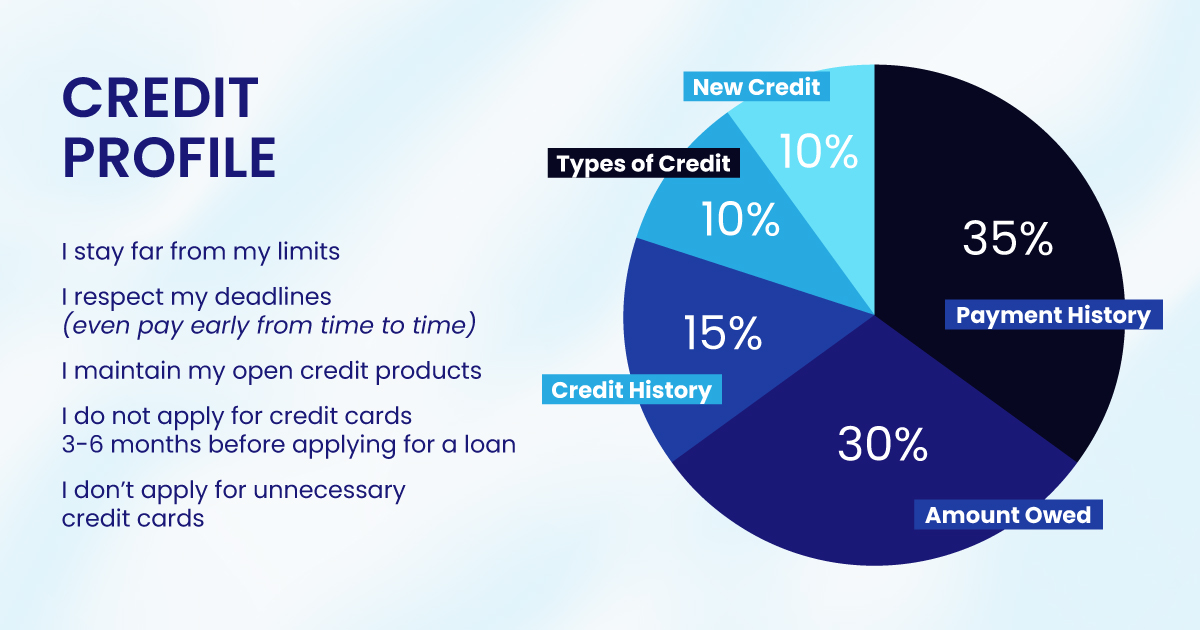
Two agencies, Equifax and TransUnion, are responsible for informing the institution about your credit file, i.e., whether you are a trustworthy person or, in other words, a good payer. It shows that you pay your card balances on time and do not accumulate debt. Read our article to find out how your credit score is calculated.
Every newcomer should start using a credit card as soon as possible to begin building a credit history. However, you will need to find a bank willing to issue you a credit card:
Your credit history starts to build as soon as you begin paying rent and bills, for example, but it may take some time before the bank agrees to increase your credit limit.
Not all credit cards are created equal. That’s why we’ve designed a credit card comparator and a ranking of the best credit card offers to help you.
Finally, a credit card is necessary for making purchases online.
The 2 Best Bank Accounts for Newcomers
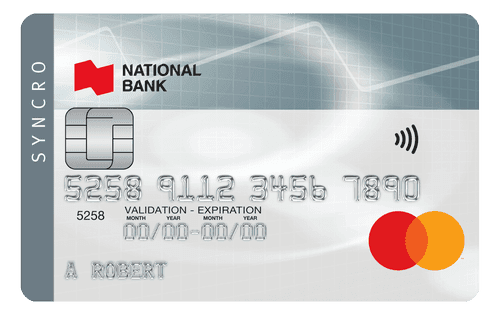
National Bank Offer for Newcomers
This program is particularly aimed at newcomers or those who have lived in Canada for less than five years, aged 18 or older.
Currently, NBC’s program for newcomers is the best on the market. The National Bank has a network of 440 branches in Canada and 3,300 ATMs.
I recommend the National Bank, which is perfect for expats and caters to permanent residents, temporary workers, and international students.

BMO (Bank of Montreal) specifically targets newcomers or those who have been living in Canada for less than five years, who are either permanent residents or foreign workers.
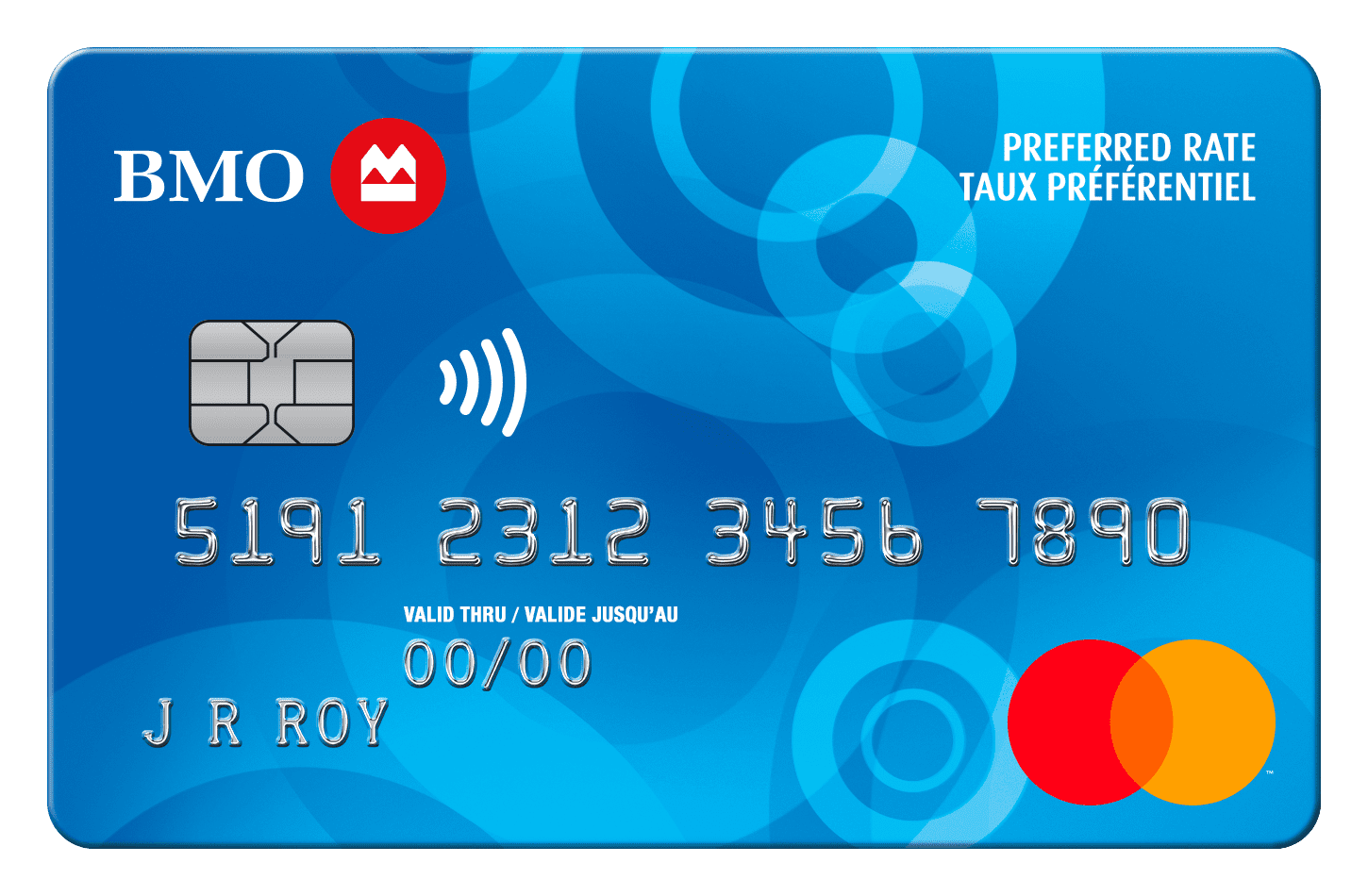
- Annual fee
- $0 $29No annual fee the first year
- No annual fee the first year
- Our valuation
- $29Milesopedia first-year estimate First-year valueAnnual fee rebated$29Total$29Rewards on your spending are not included. The calculator that adds them from your own profile is on the card's page.
- Milesopedia first-year estimateFirst-year valueAnnual fee rebated$29Total$29Rewards on your spending are not included. The calculator that adds them from your own profile is on the card's page.
- Welcome offer
- First Year Annual Fee Rebate
- $29 annual fee rebated
on BMO's website
Scotiabank also has a dedicated newcomer banking program called StartRight.
If you’re planning to start a business in Canada as a newcomer, Scotiabank also offers dedicated business account offers to help you get set up.
Newcomer – Choosing Your Bank: First Step Towards Financial Success in Canada
Selecting the best bank for newcomers represents much more than a simple administrative formality. It is the foundation of your financial journey in Canada, which will influence your ability to build a credit history, access financing, and optimize your personal finances.
Take advantage of temporary free packages, personalized support, and multilingual services to facilitate your integration.
What is the Best Bank for a Newcomer in Canada?
The National Bank and the Bank of Montreal stand out with their specialized programs tailored to the reality of newcomers.
Some financial institutions may offer multilingual services, resources on finances in Canada, or personalized support. The choice depends on your specific needs and your region.
How Long Does it Take to Open a Bank Account in Canada?
Opening usually takes 30 to 60 minutes in a branch. Some banks offer online pre-approval before arrival. The debit card is available quickly, while the credit card can take 7 to 14 days.
Our featured card
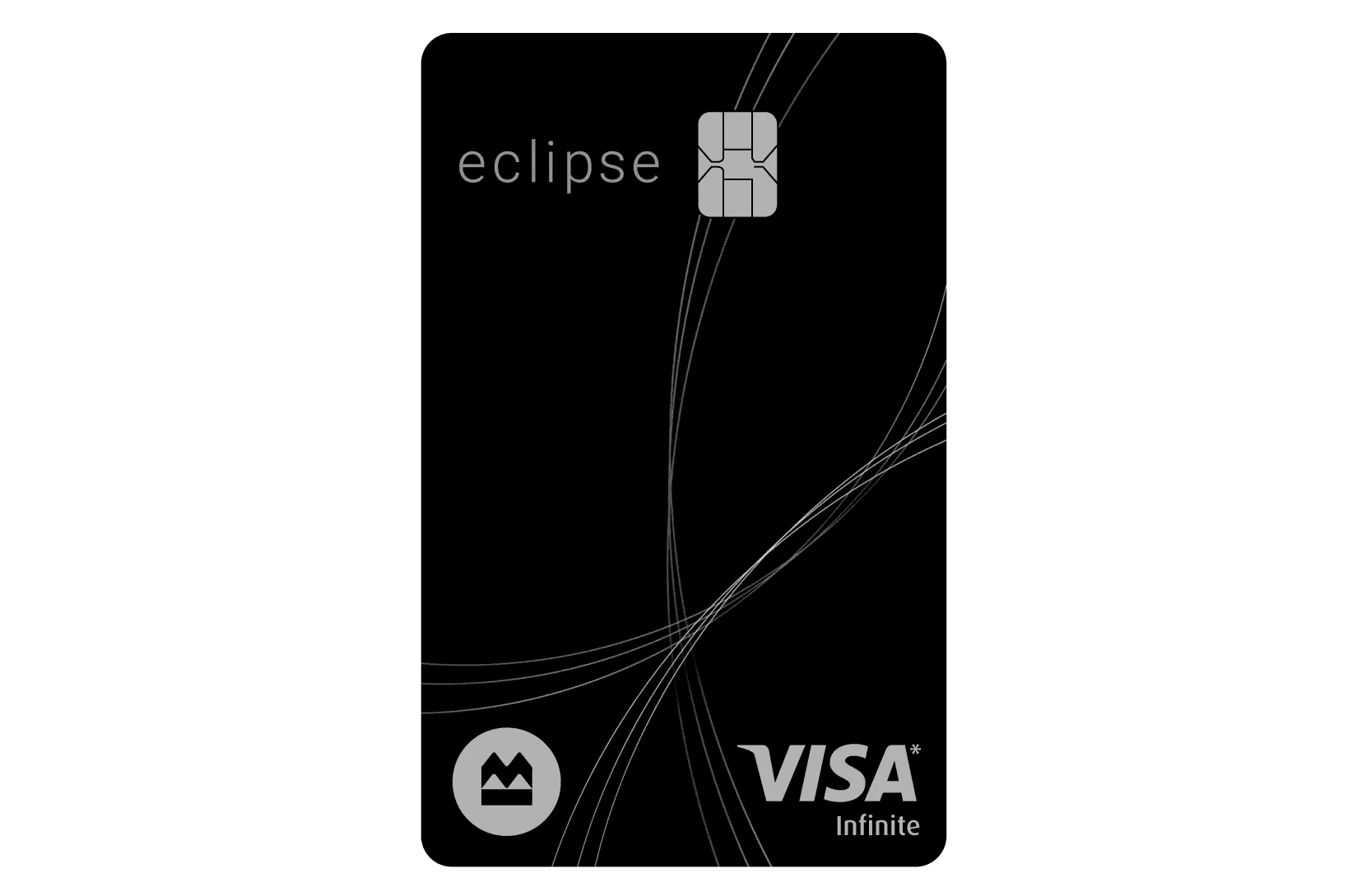

- Annual fee
- $0 $120No annual fee the first year
- No annual fee the first year
- Our valuation
- $589Milesopedia first-year estimate First-year valueWelcome bonus$469Annual fee rebated$120Total$589Rewards on your spending are not included. The calculator that adds them from your own profile is on the card's page.
- Milesopedia first-year estimateFirst-year valueWelcome bonus$469Annual fee rebated$120Total$589Rewards on your spending are not included. The calculator that adds them from your own profile is on the card's page.
- Welcome offer
- Up to 70,000 points
- + First Year Annual Fee Rebate
on BMO's website
Our editorial integrity
Our reviews and rankings are based on an objective assessment. Advertisers do not influence our content. We may receive compensation through some links; our analysis and opinions remain independent.