

Credit vs. Debit: Why You Must Use Your Credit Card

When it comes to spending money, we can either use a debit card or credit card. We need to learn which situations will work best for either one and when a credit card is the best option between the two.
When using a credit card, you have more power if used responsibly, but you will face financial problems such as paying interest if you don’t pay your bill in full. You should avoid credit card debt, but using them can also provide you with many benefits, such as improving your credit profile and opportunities to earn rewards.
It’s imperative that when you do choose to use your credit card, that you treat it like a debit card. This means that you should avoid spending more money than what you have and not paying the minimum amount on your balance. Doing this will result in interest fees, so you should instead be paying the total balance off every month.
So, why should we be using our credit cards over debit cards? Below are a few reasons why you should use your credit card instead.
#1: You Can Earn Rewards
Although there are debit cards that offer rewards, credit cards are profitable to banks, resulting in them offering consumer rewards from merchant fees. You can consider cashback credit cards an asset because you’re getting money back from your purchases.
#2: Your Bank Account Gets Protected
As an added safety measure, your credit card has strong protection from fraud. If someone steals your card and tries to purchase with your credit card, and you immediately report it, your card can get frozen with a pending investigation. You get to remain stress-free, as the money won’t leave your account.
However, if a thief steals your debit card and makes a purchase or withdrawal, you will immediately lose the cash from your checking account. You could potentially lose money that’s intended for expenses such as your rent or utility bill. Banks offer basic fraud protection on debit cards, so you will have to wait longer for an investigation process before getting your money back. This could also potentially affect your credit score.
Visa and Mastercard networks provide zero liability coverage for any unauthorized purchases to encourage credit card usage over debit cards and checks.
#3: Build Your Credit History
Your credit profile contains information regarding loans you have applied for previously, as well as what you’ve held and paid for. If you’re responsible with credit, you will have a positive score, whereas you will find yourself with a low score if you are missing payments or lack a credit history.
Using and paying for your credit card in full each month raises your credit score, resulting in possibly getting approved for a mortgage loan or any other major loan. You’ll also most likely get approved at lower interest rates.
On the other hand, using a debit card does not affect your credit history in any way.
#4: Save While You Travel
Credit cards are ideal for when you’re travelling. If you travel internationally, you get better exchange rates when buying other currencies while you’re in other countries. There are credit cards that offer you no foreign transaction fees at all!
Along with travel rewards, you also get covered for travel insurance to protect you per day that you need assistance. You can also earn frequent flyer miles every time you purchase with your credit card! These miles add up over time and can get converted into credit used for buying an airline ticket.
When choosing which rewards card you want, pay attention to when rewards expire and how to redeem them.
If you’d like to research available options for Canadians, consider one of these credit cards and their rewards:
- American Express Cobalt™ Card
- Marriott Bonvoy™ American Express® Card
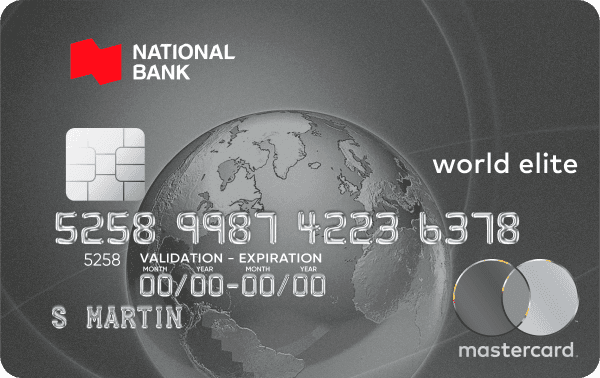
- NBC World Elite Mastercard
- SimplyCash™ Preferred from American Express
- Best Western® Rewards Mastercard®
- BMO AIR MILES®† World Elite®* Mastercard®*
- American Express® Aeroplan®* Card
Frequently Asked Questions about credit cards versus debit cards in Canada
Here are frequently asked questions in the milesopedia community about this card.
Will using a credit card instead of a debit card actually improve my credit score?
Yes — credit card activity is a foundational element of your credit score, while debit card activity is invisible to credit bureaus. Equifax and TransUnion track payment history (35% of your score), credit utilization (30%), length of credit history, types of credit and recent inquiries. Charging everyday purchases to a card like the American Express Cobalt or the Scotiabank Scene+ Visa, then paying the full balance every month, builds a clean payment history fast. Aim to keep your statement balance under 30% of the credit limit. Within 6 to 12 months, most users see a meaningful score improvement that unlocks better mortgage and loan rates.
Are credit cards really safer than debit cards if my card is stolen?
Significantly. With a stolen credit card, the fraud is absorbed by the issuer and you typically owe $0 thanks to zero-liability protection — the disputed charges never leave your bank account because they were never your money to begin with. With a debit card, fraudulent transactions drain your actual chequing balance immediately. Even if your bank refunds you within a few days (which is not guaranteed under all circumstances), you may face missed bill payments, NSF fees and rent delays during the investigation. Credit cards also feature stronger purchase protection, extended warranties and dispute resolution under the Canadian Code of Practice for Consumer Debit Card Services.
How do I avoid paying interest if I use credit cards for everything?
One rule: pay the full statement balance by the due date, every single month. Canadian credit cards typically offer a 21-day interest-free grace period on new purchases, but only if your previous balance was paid in full. The simplest tactic is automatic full balance payments from your chequing account, scheduled for one or two days before the due date. Treat the card like a debit card — only spend what’s already in your bank account. Cards like the American Express Cobalt charge 21.99% on carried balances, which would erase any rewards earned in seconds. Discipline is the only hack.
Which credit card is best for someone switching from a debit card for the first time?
For first-timers transitioning from debit, no-annual-fee starter cards minimize risk. The Scotiabank Scene+ Visa is one of the easiest entry points — no income requirement, simple Scene+ rewards on groceries, and Cineplex perks. The TD Platinum Travel Visa has an $89 fee waived in year one and no income requirement, and earns travel points fast. Newcomers and students can also consider the Scotiabank American Express for everyday spending. Whatever you pick, set up auto-pay for the full balance immediately, monitor your spending weekly through the issuer’s app, and build the habit of treating credit purchases like debit ones.
Our featured card

- Annual fee
- $0 $150No annual fee the first year
- No annual fee the first year
- Our valuation
- $150Milesopedia first-year estimate First-year valueAnnual fee rebated$150Total$150Rewards on your spending are not included. The calculator that adds them from your own profile is on the card's page.
- Milesopedia first-year estimateFirst-year valueAnnual fee rebated$150Total$150Rewards on your spending are not included. The calculator that adds them from your own profile is on the card's page.
- Welcome offer
- First Year Annual Fee Rebate
- $150 annual fee rebated
- Ends Nov 4, 2026
on National Bank's website
Our editorial integrity
Our reviews and rankings are based on an objective assessment. Advertisers do not influence our content. We may receive compensation through some links; our analysis and opinions remain independent.