

Frugal, Smart Consumer, or Minimalist: Which Profile?

Frugal, smart, minimalist or stingy?
At Milesopedia, we focus on accumulating points from credit cards and rewards programs. The goal: to enable travel that would otherwise be unaffordable.
You know, business class on a long-haul flight that costs close to $5,000—it would be unthinkable to pay cash. Or treating loved ones: three plane tickets to the Magdalen Islands makes everyone happy, and the expense remains minimal. Many of our readers are hybrid profiles, both minimalist and smart consumers.
We’ll warn you upfront: online, there’s no consensus on how the different spending-related concepts are used. However, here’s what we’ve learned after several years of observing these strategies.
What type are you?
The frugal
Some people practice the same hobby as ours, but their objective differs: they target cash back on everyday expenses incurred with their credit cards. You should see their Excel spreadsheets detailing the optimization of every gain.
Within this group, some stand out by claiming that if their expenses become less than what they earn, they can use the difference to pay off debt, save, or invest. Not a bad idea. They even aim to retire at forty. Well, let’s say fifty for others. This phenomenon has a name: frugality.
The frugal person aims for the lowest possible expenses, as they primarily desire financial independence. To learn more, consult our guide on personal finance management in Canada.
Along the same lines, many young people aspire to become, or already are, digital nomads. They work from their laptops in a corner of the world they like and live on a small budget: low income, low expenses. Their motto: work less and live better, even if it means earning less. In addition, many are adopting the FIRE movement (Financial Independence, Retire Early), which has been gaining ground in Canada in recent years.
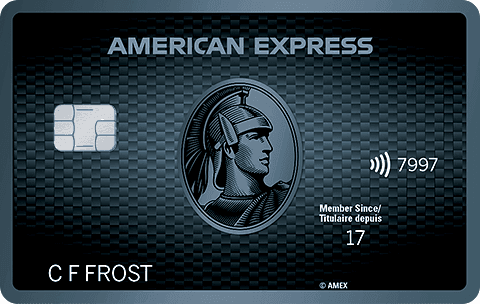

- Annual fee
- $191.88
- Our valuation
- $255Milesopedia first-year estimate First-year valueWelcome bonus$255Total$255Rewards on your spending are not included. The calculator that adds them from your own profile is on the card's page.
- Milesopedia first-year estimateFirst-year valueWelcome bonus$255Total$255Rewards on your spending are not included. The calculator that adds them from your own profile is on the card's page.
- Welcome offer
- Up to 15,000 points
on American Express's website
Apply with confidence — no impact on your credit scoreApply with confidenceCheck whether your application will be approved before you submit it, with no impact on your credit score*When you apply for a personal American Express Credit Card, we will tell you whether you are eligible without affecting your credit score. So you can apply with confidence.*Instant decisions are only available for consumer Card applications (also called “personal Cards”).
The smart consumer
They are the expert at optimizing their spending, across all categories. They only use credit cards and know which ones to pull out in the right places.
They bring their balances to zero each month and never miss a promotion to multiply the airline or hotel points they accumulate. They use coupons and gift cards on which they’ve racked up several points.
Among them, you’ll find specialists in “2 for 1” deals, Groupon vouchers, and, for those with a car, filling up on gas on Tuesdays. Once again, the objective remains the same: to turn every expense into a source of gains.
This profile particularly suits young adults. We invite you to consult our personal finance tips for students to adopt the right habits from the start.
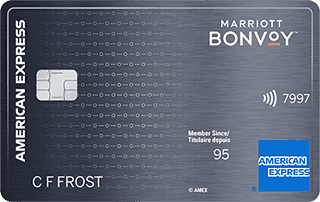
- Annual fee
- $120
- Our valuation
- $990Milesopedia first-year estimate First-year valueWelcome bonus$990Total$990Rewards on your spending are not included. The calculator that adds them from your own profile is on the card's page.
- Milesopedia first-year estimateFirst-year valueWelcome bonus$990Total$990Rewards on your spending are not included. The calculator that adds them from your own profile is on the card's page.
- Welcome offer
- Up to 110,000 points
- Ends Sep 22, 2026
on American Express's website
Apply with confidence — no impact on your credit scoreApply with confidenceCheck whether your application will be approved before you submit it, with no impact on your credit score*When you apply for a personal American Express Credit Card, we will tell you whether you are eligible without affecting your credit score. So you can apply with confidence.*Instant decisions are only available for consumer Card applications (also called “personal Cards”).
Voluntary Simplicity and Minimalism
We also encounter other profiles of economical people who don’t aspire to stop working in their forties or to relocate under palm trees. They have families with children who attend daycare or school, and they appreciate their place in the sun in the job market, often part-time.
They align with the minimalist movement, in solidarity with the RRR movement: recycle, reuse, reduce.
They may show up at the end of the day at public markets to take advantage of falling prices, shop at second-hand stores, and also buy toys for the children there. As long as there are no missing pieces in the puzzle, why not?
However, minimalists above all know the value of things. They own little, but they aim for quality and durability. Minimizing expenses, controlling the budget, and avoiding overconsumption: that’s their mantra.
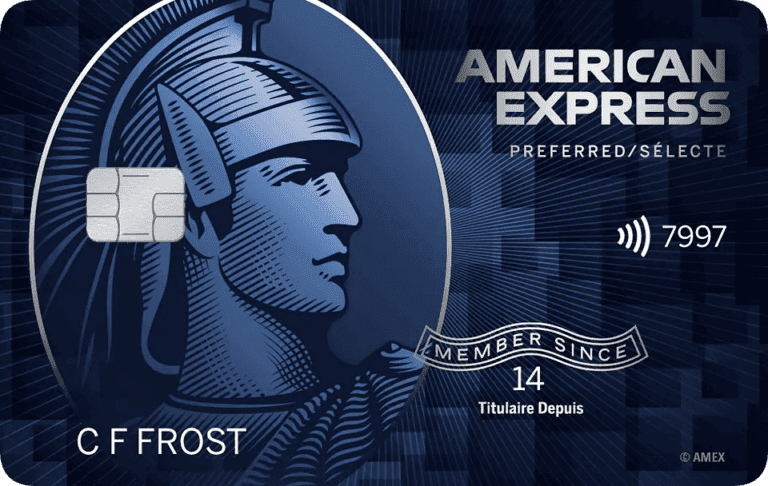
- Annual fee
- $119.88
- Our valuation
- $250Milesopedia first-year estimate First-year valueWelcome bonus$250Total$250Rewards on your spending are not included. The calculator that adds them from your own profile is on the card's page.
- Milesopedia first-year estimateFirst-year valueWelcome bonus$250Total$250Rewards on your spending are not included. The calculator that adds them from your own profile is on the card's page.
- Welcome offer
- Up to $250
on American Express's website
Apply with confidence — no impact on your credit scoreApply with confidenceCheck whether your application will be approved before you submit it, with no impact on your credit score*When you apply for a personal American Express Credit Card, we will tell you whether you are eligible without affecting your credit score. So you can apply with confidence.*Instant decisions are only available for consumer Card applications (also called “personal Cards”).
And the “stingy” one?
One might wonder at what point the boundaries of frugality, minimalism, and smart consumption are crossed in favor of stinginess.
For example, would you be put off if invited to a restaurant and saw your partner pull out a “two for one” coupon, thus reducing the expense by half? Honestly, yes—if they invited you, you barely know each other, and they didn’t mention it beforehand. However, not at all if both are in on it.
The big difference between the cheapskate and the others is that the cheapskate disregards the connection with others, because their other is money.
When hosting, where the smart consumer is pleased to use a coupon or a cash back credit card that reduced the cost of a good bottle of wine, the frugal person and the minimalist are happy to have brought their drink from a local vineyard in a recycled bottle.
The cheapskate, on the other hand, brings nothing to the party, or skips it altogether to avoid having to spend.
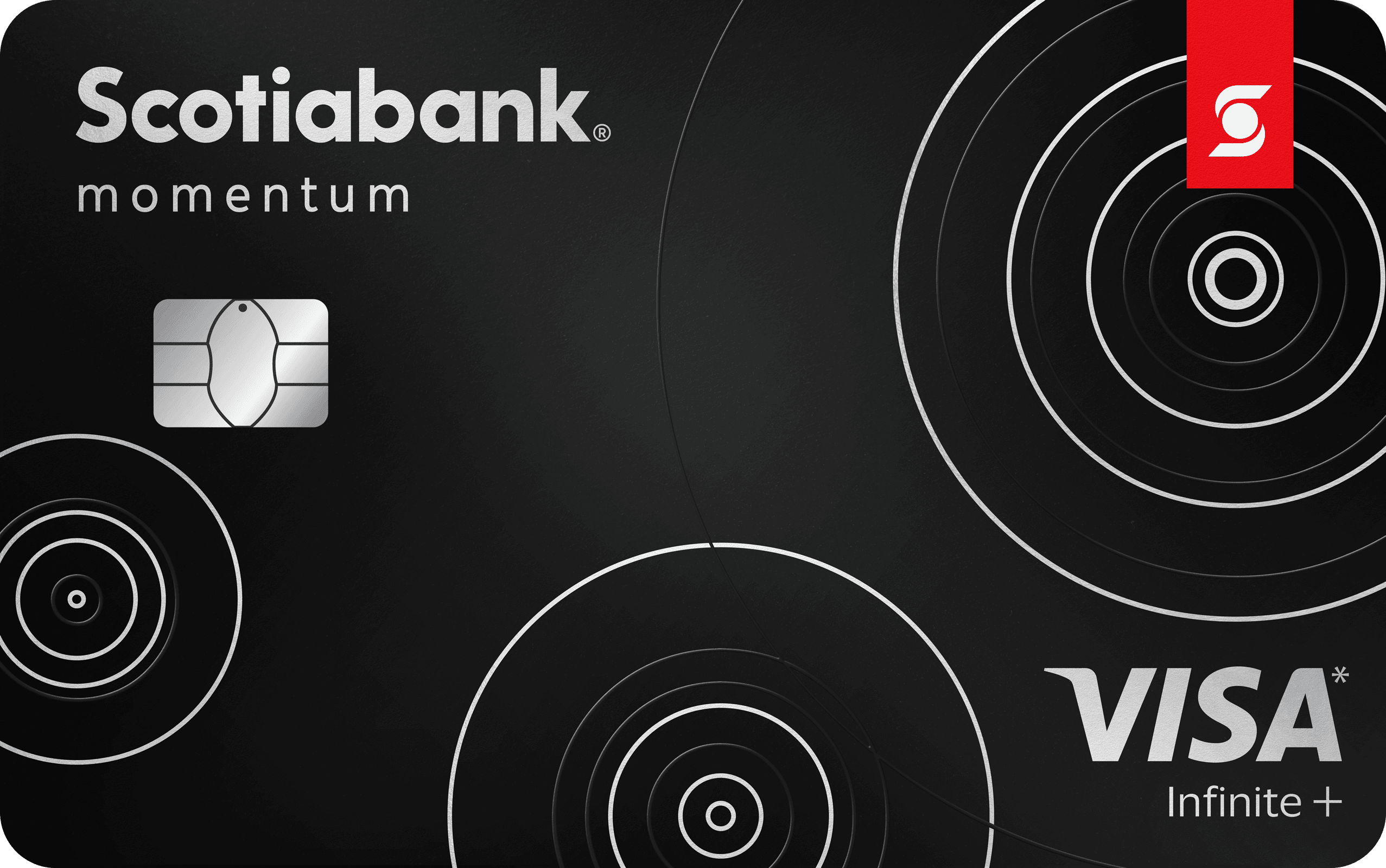

- Annual fee
- $0 $120No annual fee the first year
- No annual fee the first year
- Our valuation
- $420Milesopedia first-year estimate First-year valueWelcome bonus$300Annual fee rebated$120Total$420Rewards on your spending are not included. The calculator that adds them from your own profile is on the card's page.
- Milesopedia first-year estimateFirst-year valueWelcome bonus$300Annual fee rebated$120Total$420Rewards on your spending are not included. The calculator that adds them from your own profile is on the card's page.
- Welcome offer
- Up to $300
- + First Year Annual Fee Rebate
- Ends Nov 1, 2026
on Scotiabank's website
Shall we recap?
To whom, in your opinion, do these behaviors belong?
- Getting around by public transit, bicycle, on foot, or owning only one car per household, which is as economical as possible
- Using the clothesline in summer and drying racks in winter, rather than the dryer
- Driving a car over 10 years old
- Lighting with candles to reduce electricity expenses
- Getting rid of unused items at home
- Avoiding impulsive online purchases and waiting for sale days to earn travel points on expenses
- Using libraries
- Wearing shoes until they’re threadbare
- Swapping fast food for home-cooked meals
- Buying wine at the SAQ with a gift card rather than paying otherwise
- Maintaining items so they last longer (for example, polishing boots)
- Buying the latest computer on the market, regardless of the expense
- Investing in purchasing a duplex
Why These Profiles Matter in 2026
With the rising cost of living observed in recent years in Canada, these spending profiles are no longer just philosophical choices. Indeed, they’re becoming concrete strategies to preserve purchasing power. According to Statistics Canada, cumulative inflation since 2020 has profoundly changed household consumption habits.
Moreover, the rise of digital tools (budgeting apps, comparison sites, optimized credit cards) now makes it easier to adopt these approaches. To learn more, consult our complete guide to personal finance in Canada.
Bottom Line
In conclusion, aside from the unenviable situation of the miser, most of us likely have a profile that borrows from each category.
Indeed, you don’t need to be a minimalist to borrow a book from the library. However, let’s remember that there’s room to reflect on how we handle our expenses in order to access what we want to do with our lives.
To go further and find the card that best matches your spending profile, consult our selection of the best credit cards in Canada.
- Annual fee
- $191.88
- Our valuation
- $255Milesopedia first-year estimate First-year valueWelcome bonus$255Total$255Rewards on your spending are not included. The calculator that adds them from your own profile is on the card's page.
- Milesopedia first-year estimateFirst-year valueWelcome bonus$255Total$255Rewards on your spending are not included. The calculator that adds them from your own profile is on the card's page.
- Welcome offer
- Up to 15,000 points
on American Express's website
Apply with confidence — no impact on your credit scoreApply with confidenceCheck whether your application will be approved before you submit it, with no impact on your credit score*When you apply for a personal American Express Credit Card, we will tell you whether you are eligible without affecting your credit score. So you can apply with confidence.*Instant decisions are only available for consumer Card applications (also called “personal Cards”).
Frugality and Consumption – Frequently Asked Questions
What is the difference between frugality and minimalism?
Frugality primarily aims to reduce expenses to achieve financial independence, often with a goal of early retirement. Minimalism, on the other hand, focuses on the quality and durability of possessions, favoring “less, but better.” Both approaches can, however, complement each other.
Is the smart consumer a cheapskate?
No. The smart consumer optimizes their spending while maintaining a healthy relationship with those around them. They use coupons, rewards credit cards, and promotions, but without sacrificing the quality of relationships. The cheapskate, on the other hand, puts money before human connections.
How do I start adopting a more frugal lifestyle?
Start by creating a detailed budget to identify unnecessary spending categories. Next, choose one or two categories to optimize (groceries, transportation, subscriptions). Then, automate savings and use a cash back credit card for essential expenses.
Are credit cards compatible with a minimalist lifestyle?
Yes, provided they’re used as a tool and not as a means of financing. A credit card whose balance is paid off each month allows you to accumulate rewards on expenses you would have made anyway. This is therefore consistent with a minimalist approach to consumption.
What is the FIRE movement?
FIRE stands for Financial Independence, Retire Early. It’s a movement born in the United States that’s gaining popularity in Canada. Its followers save and invest aggressively (often 50 to 70% of their income) to achieve financial independence by their forties.
How do I maximize my points without falling into stinginess?
The key is to optimize expenses you would have made anyway: groceries, gas, bills. Avoid spending more just to reach a bonus threshold. Additionally, share your tips with those around you rather than keeping them as a jealously guarded secret.
Our featured card
- Annual fee
- $120
- Our valuation
- $990Milesopedia first-year estimate First-year valueWelcome bonus$990Total$990Rewards on your spending are not included. The calculator that adds them from your own profile is on the card's page.
- Milesopedia first-year estimateFirst-year valueWelcome bonus$990Total$990Rewards on your spending are not included. The calculator that adds them from your own profile is on the card's page.
- Welcome offer
- Up to 110,000 points
- Ends Sep 22, 2026
on American Express's website
Apply with confidence — no impact on your credit scoreApply with confidenceCheck whether your application will be approved before you submit it, with no impact on your credit score*When you apply for a personal American Express Credit Card, we will tell you whether you are eligible without affecting your credit score. So you can apply with confidence.*Instant decisions are only available for consumer Card applications (also called “personal Cards”).
Our editorial integrity
Our reviews and rankings are based on an objective assessment. Advertisers do not influence our content. We may receive compensation through some links; our analysis and opinions remain independent.