

Flight Cancellations and Fuel in Canada: Your Rights

Since the beginning of the year, Canadians have been experiencing a difficult period for travel. Rising fuel prices, fueled by geopolitical tensions and war, are pushing several airlines to reduce their capacity. In practical terms: flights are being cancelled, others are being consolidated, and ticket prices are climbing. Flight cancellations related to fuel in Canada are no longer isolated cases—they’ve become a daily reality for travelers.
The purchasing power of Canadian families is taking a hit. A trip planned for months can suddenly cost more, or worse, be cancelled just days before departure. However, you’re not powerless. Between passenger rights, protections offered by your credit card, and strategic use of points, several options exist to limit the damage. To stay up to date with the latest news, I strongly recommend subscribing to our newsletter.

Fuel and Capacity: What’s Happening
Fuel represents one of the largest expenses for airlines. When its price soars, carriers have little room to maneuver. Either they raise fares or they reduce capacity by cutting less profitable flights. In Canada, both are happening simultaneously.
Secondary routes and flights with low load factors are the first to be affected. Airlines consolidate passengers onto fewer flights to optimize profitability. For travelers, this means: fewer choices, higher risk of cancellation, and sometimes complicated connections.
Cancelled Flight: The Checklist to Follow
When you learn that your flight has been cancelled, the first reaction is often a feeling of panic. Yet the minutes that follow matter. Here are the steps to follow to protect your rights and your finances.
- Keep all evidence: screenshot of the cancellation, emails received, original tickets. These documents are essential for claims.
- Ask for the reason for the cancellation: it determines your rights. A reason outside the carrier’s control (extreme weather, security) limits your compensation, unlike a reason attributable to the airline.
- Contact the airline quickly: by phone, at the counter, or via social media. Seats on replacement flights fill up fast.
- Record expenses incurred: hotel, meals, transportation, calls. Several insurance policies and regulations reimburse these expenses with proof.
- Check your protections: credit card travel insurance, purchased insurance, loyalty program. Multiple layers of protection may apply simultaneously.
The Air Passenger Protection Regulations
In Canada, the APPR governs your rights in case of cancellation, delay, or denied boarding. The carrier’s obligations depend on the cause: situation within the airline’s control, situation within the airline’s control but required for safety, or situation outside its control.
In case of a cancellation within the carrier’s control, you’re entitled to rebooking or a full refund, plus financial compensation based on the length of the delay. Caution: the airline won’t always spontaneously offer you the most advantageous option. Clearly ask for what you’re entitled to.
Refund or Rebooking: The Pitfalls
When your flight is cancelled, the airline often offers you two options: a travel credit or rebooking on another flight. A cash refund isn’t always offered spontaneously, even though it’s often your right.
Rebooking: What to Negotiate
If you accept rebooking, check several points before confirming. Does the new connection work for you? Is the seat equivalent to the one you paid for? Are bags transferred automatically? If the airline cannot offer you a flight within a reasonable timeframe, you can demand rebooking on a partner or competing airline.
- Non-refundable credit: avoid accepting a credit if you’re entitled to a cash refund.
- Replacement flight more than 24 hours away: demand accommodation, meals, and transportation to the hotel.
- Lower class: if you’re rebooked in economy class when you paid for a higher class, demand a refund of the difference.
- Hidden fees: some carriers charge again for seat selection or baggage. Demand they be waived.
Your Credit Card Insurance
This is where things get interesting. Several Canadian credit cards include travel insurance that covers cancellations, delays, and lost baggage. You just need to know about them and use them correctly. If you’re shopping for a new card, check out our comparison of the best credit cards in Canada.
Trip Interruption Insurance
This insurance reimburses non-recoverable expenses if your trip is interrupted for a covered reason (cancellation, extended delay, health issue). It generally covers flights, hotels, and prepaid activities. The maximum amount varies by card, often between $1,500 and $5,000 per person.
Flight Delay Insurance
If your flight is delayed by more than 4 hours (this timeframe varies by card), this insurance reimburses meals, accommodation, and essential items. Keep all receipts. This protection is valuable during periods of airport disruption.
Baggage insurance
Delayed, lost, or damaged baggage: this insurance complements the airline’s coverage. It reimburses essential purchases while waiting for your baggage to be recovered, and provides compensation in case of permanent loss.
Points Strategy: Award Tickets or Cash
During periods of rising fuel costs and expensive tickets, using points becomes particularly attractive. A ticket purchased with points retains its value even if cash prices climb. However, be careful: airlines also sometimes increase the number of points required or fuel surcharges added to award tickets. To compare properly, check out our guide to loyalty programs.
When to Prioritize Points
- Business or first class tickets: the value of points is generally much higher than for an economy ticket.
- International long-haul flights: savings can reach several thousand dollars.
- Peak periods: if cash tickets skyrocket, an award ticket at a fixed points cost becomes an excellent deal.
- Flexibility: some programs (Aeroplan, Avion) allow cancellation or modification without fees, which reduces risk during unstable periods.
When to Keep Points in Reserve
On short routes within Canada or to the United States, the calculation is different. If a cash ticket remains affordable, paying cash and accumulating points with a good travel card can be more profitable. Additionally, some carriers add high fuel surcharges to award tickets, which reduces the value of points. However, this varies greatly depending on the program and destination.
Traveling Smart Despite Rising Fuel Costs
Rising fuel costs don’t just affect flights. They impact the cost of living in Canada, particularly gas at the pump. To preserve your purchasing power and continue traveling, several strategies work. A good gas category credit card can save you several hundred dollars per year. Check out our selection of the best credit cards for gas and transportation as well as our guide to saving on gas in Canada.
- Best travel credit cards (extended insurance and bonuses)
- Best Aeroplan cards (flexibility and award tickets)
- Best cards with travel insurance (interruption, delay, baggage)
- Credit card comparison tool (to find the winning combination)
Conclusion
Flight cancellations related to fuel in Canada have become a reality we must deal with. The good news: between your rights under the APPR, your credit card insurance, and strategic use of your points, you have several tools at your disposal to limit the impact on your purchasing power and travel plans.
The key word: preparation. Book with a good travel card, understand your protections before departure, and keep a reserve of points to handle the unexpected. Tomorrow, everything could stop, but with the right tools, you can continue to enjoy every trip without breaking the bank.
Flight Cancellation Fuel Canada — Frequently Asked Questions
Am I entitled to a refund if my flight is cancelled due to fuel prices?
Yes, in most cases. A cancellation for commercial reasons (reduced capacity due to fuel costs) is generally within the carrier’s control. You’re then entitled to a full cash refund or rebooking, plus potential compensation under the APPR.
Should I accept a travel credit or demand a cash refund?
If the cancellation is within the carrier’s control, demand a cash refund. Travel credits have expiration dates and lose value if prices rise. They’re almost always less advantageous than cash.
Does my credit card travel insurance cover cancellations due to fuel?
It depends on your card. Most trip interruption insurance policies cover cancellations attributable to the airline. However, read the terms carefully, as some exclusions apply. Keep your proof of purchase.
Is now a good time to use my points in case of a cancelled flight?
Yes, especially for long-haul flights and premium classes. When cash tickets climb, an award ticket retains its value. However, watch out for fuel surcharges added to some award tickets, which can reduce the benefit.
How long do I have to claim a refund after a cancellation?
In Canada, the carrier has 30 days to refund you after your request. For an APPR claim, the deadline is generally one year from the flight date. Make your request in writing and keep a copy.
What should I do if the airline refuses to compensate me?
You can file a complaint with the Canadian Transportation Agency (CTA). Prepare your file: tickets, emails, proof of expenses incurred. The CTA can rule in your favor and require the airline to compensate you.
How can I reduce the impact of rising fuel costs on my travel budget?
Three strategies: use a travel credit card with comprehensive insurance, accumulate points for expensive tickets, and optimize your gas card for daily trips. These three actions combined can represent several hundred dollars in savings per year.
Our featured card
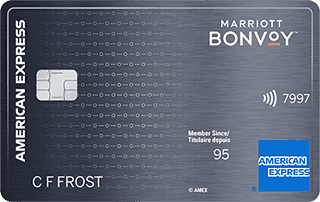

- Annual fee
- $120
- Our valuation
- $990Milesopedia first-year estimate First-year valueWelcome bonus$990Total$990Rewards on your spending are not included. The calculator that adds them from your own profile is on the card's page.
- Milesopedia first-year estimateFirst-year valueWelcome bonus$990Total$990Rewards on your spending are not included. The calculator that adds them from your own profile is on the card's page.
- Welcome offer
- Up to 110,000 points
- Ends Sep 22, 2026
on American Express's website
Apply with confidence — no impact on your credit scoreApply with confidenceCheck whether your application will be approved before you submit it, with no impact on your credit score*When you apply for a personal American Express Credit Card, we will tell you whether you are eligible without affecting your credit score. So you can apply with confidence.*Instant decisions are only available for consumer Card applications (also called “personal Cards”).
Our editorial integrity
Our reviews and rankings are based on an objective assessment. Advertisers do not influence our content. We may receive compensation through some links; our analysis and opinions remain independent.