Hilton Honors American Express vs Marriott Bonvoy American Express: Which Card Should You Choose?
Loading article…
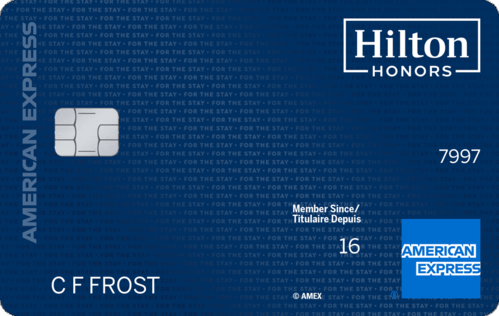
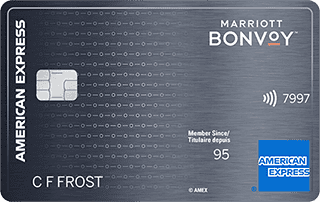
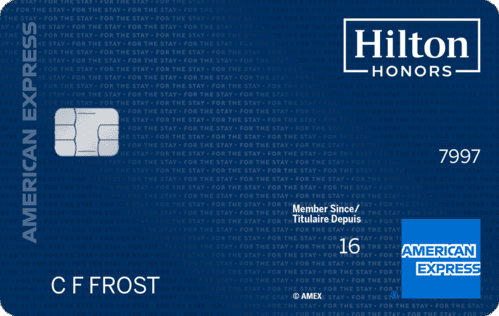
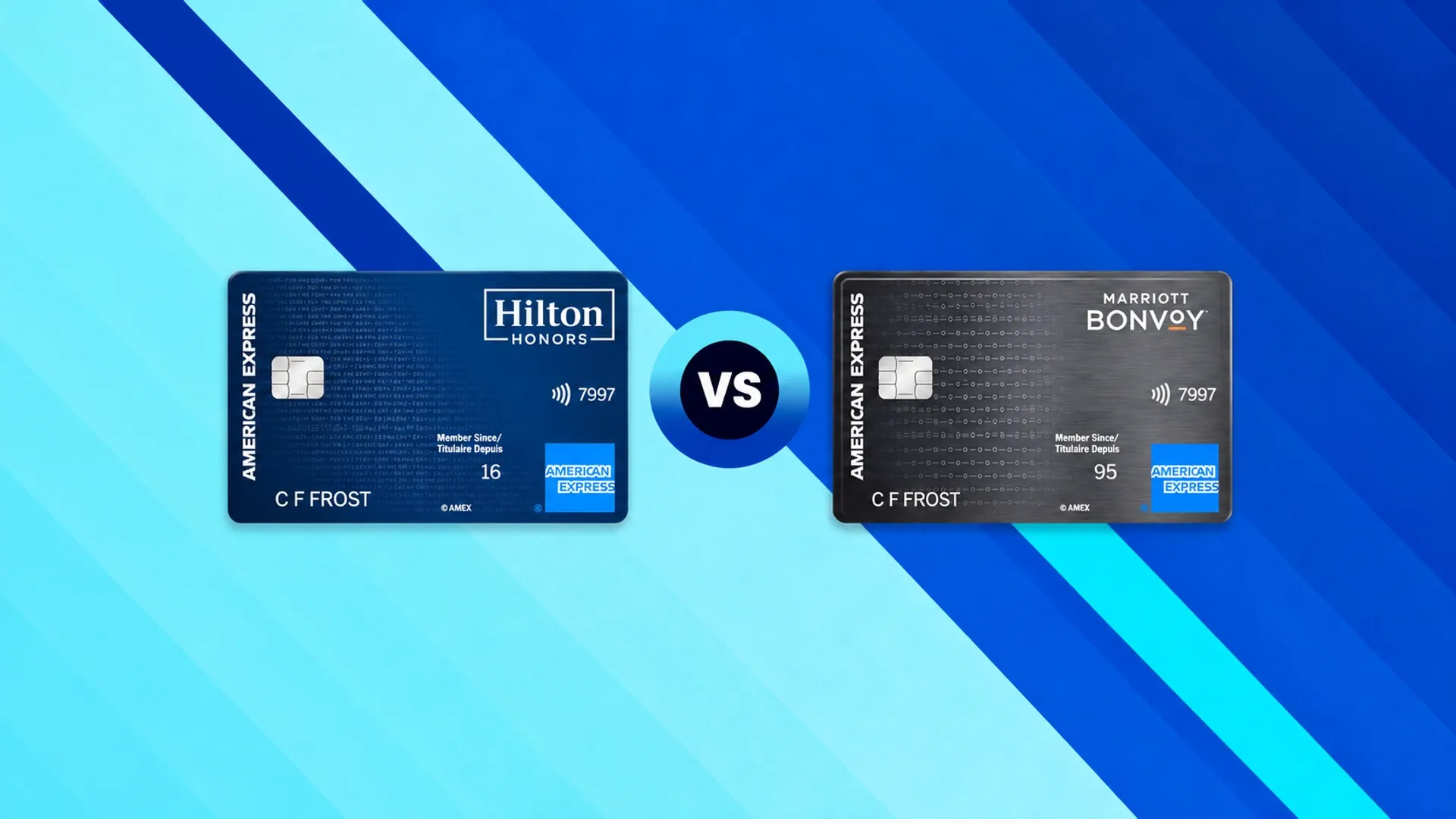
Hilton or Marriott: which credit card should you choose in Canada? The Hilton Honors American Express® Card suits travellers who want Gold status and can meet its annual spending threshold. The Marriott Bonvoy® American Express®* Card costs less and provides an annual Free Night Award after renewal, without a minimum spending requirement for that benefit.
Our verdict: choose Hilton for benefits during your stays and its launch offer; choose Marriott for a hotel card you can keep with limited spending. Holding both can also make sense if you use both hotel groups.
This comparison covers the two Canadian personal cards, with a verdict in each category and calculations after annual fees. Offers and product details were checked on October 30, 2026. All dollar amounts are in Canadian dollars.
Both cards earn hotel points directly in your loyalty account. They share the American Express network, but their annual benefits work differently.
The following table separates welcome points, recurring rewards, and elite status. We compare the personal cards, excluding the Marriott Bonvoy® Business American Express®* Card.
| Feature | Hilton Honors American Express® Card | Marriott Bonvoy® American Express®* Card |
|---|---|---|
| Annual fee | $150 | $120 |
| Additional Cards | No annual fee | No annual fee |
| Welcome offer | Up to 70,000 points + a Free Night Reward | Up to 70,000 points |
| Initial portion | 60,000 points + a Free Night Reward after $3,000 in 3 months | 60,000 points after $3,000 in 3 months |
| Deferred portion | 10,000 points after $500 in month 13 | 10,000 points after $500 in month 13 |
| Participating hotels in the card’s hotel group | 6 points/$ at Hilton | 5 points/$ at Marriott |
| Eligible Canadian groceries, restaurants, and gas | 4 points/$ | 2 points/$ |
| Other purchases | 2 points/$ | 2 points/$ |
| Included status | Hilton Honors Gold | Marriott Bonvoy Silver Elite |
| Elite Night Credits | No annual night credits indicated | 15 per calendar year |
| Status through spending | Diamond after $40,000 per calendar year | Gold Elite after $30,000 per year |
| Recurring annual benefit | 50,000 points after $12,000 per calendar year | Free Night Award up to 35,000 points after renewal |
| Foreign currency conversion fee | 2.5% | 2.5% |
| Credit card | Annual fee | Welcome offer | |
|---|---|---|---|
| $150 | |||
| $120 |
The launch offer includes up to 70,000 Hilton Honors Points and a Free Night Reward, divided as follows:
At our estimate of 0.5 cents per point, the initial points are worth about $300, plus the Free Night Reward. The month-13 portion adds an estimated $50.
The certificate can cover one standard-room night at an eligible property, subject to availability. Its value therefore depends on the booking you can actually make.
The current offer includes up to 70,000 Marriott Bonvoy points, divided as follows:
Using the reference value in this comparison, the initial points are worth about $600. The month-13 points add about $100. The annual Marriott certificate arrives after renewal, rather than as part of the initial welcome offer.
Read the official Canadian Marriott card offers and terms and the Canadian Hilton card details before applying. Eligibility remains subject to American Express terms.
The spending requirements are identical. However, the two points currencies have different values.
Looking only at the initial welcome points and annual fees, Marriott provides about $330 more in estimated points value. Hilton comes out ahead if its Free Night Reward saves you more than that difference. This calculation excludes points earned on purchases and other benefits.
An identical headline figure of 70,000 points therefore does not make the two offers equal.

American Express does not publish a minimum income requirement for either personal card. Approval still depends on its assessment of your application.
Additional Cards carry no annual fee for either product. You can therefore combine eligible household purchases in one account, subject to the terms.
The difference is modest, but it matters if you rarely use the card. In that situation, the annual Marriott certificate may provide enough value to justify keeping it.
Both cards also charge a 2.5% foreign currency conversion fee. That deserves attention when choosing a card for hotel stays and international travel.
We use Milesopedia’s current Canadian reference values:
These are estimates, rather than guaranteed cash back. Your actual value can be higher or lower depending on the property, dates, and available rate.
The returns below include points earned by the card. They exclude points earned through the hotel program, promotions, and status benefits.
| Eligible purchases | Hilton: points/$ | Hilton: estimated return | Marriott: points/$ | Marriott: estimated return |
|---|---|---|---|---|
| Canadian groceries, restaurants, and gas | 4 | 2% | 2 | 2% |
| Other purchases, excluding hotels | 2 | 1% | 2 | 2% |
| Participating properties in each card’s hotel group | 6 | 3% | 5 | 5% |
The Hilton Honors American Express® Card earns 4 points per dollar at eligible grocery stores, restaurants, and gas stations in Canada.
The Marriott Bonvoy® American Express®* Card earns 2 points per dollar on those purchases. At our reference values, both provide an estimated 2% return.
Hilton awards more points, but their lower value brings the two cards to the same estimated return. The merchant’s category code also determines eligibility for bonus earn rates.
On everyday purchases outside Hilton’s bonus categories, Marriott earns 2 points per dollar, compared with 2 Hilton points. That works out to an estimated 2% with Marriott and 1% with Hilton.
At participating properties in each card’s own hotel group, the rates are 5 Marriott points and 6 Hilton points per dollar. Their estimated returns are 5% and 3%, respectively.
These rates apply to separate hotel groups. Paying a Hilton bill does not qualify for Marriott’s participating-hotel earn rate, and the reverse also applies.
At the values used here, Marriott matches Hilton in its three main Canadian bonus categories and earns more on other purchases.
However, Hilton’s 50,000-point bonus after $12,000 in eligible calendar-year purchases can change the result. Compare a full year of spending rather than the earn rates alone.
After your first Cardmembership anniversary, Marriott provides an annual Free Night Award worth up to 35,000 points. This benefit has no annual minimum spending requirement.
Under the official Marriott Free Night Award rules, you can add up to 25,000 points from your account. That allows you to book a night costing up to 60,000 points. Those additional points remain your contribution.
The certificate expires one year after issue and is subject to availability. Some properties also charge resort fees. Our guide to the Marriott Free Night Award explains how to use it.
The Hilton Honors American Express® Card awards 50,000 bonus points after $12,000 in eligible purchases in a calendar year. We estimate those points to be worth about $250.
They are additional to the points earned on your purchases. You can use them across multiple bookings or combine them with your balance for a more expensive stay.
The calendar matters: the spending period ends December 31. If you apply in the fall, you have less time to reach the first threshold. You do not need to increase your spending to chase the bonus.
The Marriott certificate requires no minimum annual purchases. However, you must find an eligible night and use it before it expires.
The 50,000 Hilton points are more flexible to use, but require $12,000 in eligible purchases. They are not a new Free Night Reward certificate.
The Hilton certificate included in the welcome offer has no fixed points cap. It requires standard-room reward availability at an eligible property. It can therefore cover an expensive night, without guaranteeing availability at your preferred hotel.

We compare a full ongoing year after the welcome offer, with purchases divided as follows:
That produces an average earn rate of 3 Hilton points per dollar or 2 Marriott points per dollar. We include Hilton’s annual bonus only when spending reaches $12,000 in the calendar year.
We assign no dollar value to status, insurance, or promotions. For Marriott, we show the result without using the certificate and with a certificate used at an illustrative value of $350.
The following table separates the points value from the certificate value. It assumes a Marriott certificate is available after renewal and used within its validity period.
The illustrative $350 value comes from the 35,000-point cap multiplied by our 1-cent estimate. It is not a guaranteed saving.
| Annual purchases | Hilton: purchase points + annual bonus | Hilton: net after $150 fee | Marriott: purchase points | Marriott: net after $120 fee, no certificate | Marriott: including certificate illustrated at $350 |
|---|---|---|---|---|---|
| $6,000 | 18,000 + 0 | −$60 | 12,000 | $0 | $350 |
| $12,000 | 36,000 + 50,000 | $280 | 24,000 | $120 | $470 |
| $40,000 | 120,000 + 50,000 | $700 | 80,000 | $680 | $1,030 |
At $6,000 in purchases, Hilton does not reach its annual bonus threshold. Marriott therefore has the advantage under this spending profile.
At $12,000, Hilton provides $160 more than Marriott before the Marriott certificate is used. Marriott regains the advantage if the certificate saves you more than that difference.
At $40,000, Hilton leads by only $20 before the certificate. Diamond status can add value, but that depends on your hotel stays.
If you cannot use the Marriott certificate, use the column that excludes it. An unused certificate does not offset any annual fee.
At $12,000 in purchases with the same spending mix, estimated value after fees becomes:
These figures include the initial 60,000 welcome points and the points earned on purchases. Hilton also includes the 50,000-point annual bonus if the $12,000 threshold is met within one calendar year.
They exclude the 10,000 month-13 points and Marriott’s renewal certificate. Under these assumptions, Hilton comes out ahead if its welcome certificate saves you more than $140.
The Hilton Honors American Express® Card includes Gold status. According to the official Hilton Honors benefits, this provides an 80% bonus on base points earned during stays.
Depending on the brand and region, the MyWay benefit may include continental breakfast or a daily food and beverage credit. You must select the appropriate benefit and follow the program’s terms. Room upgrades remain subject to availability.
After $40,000 in eligible net purchases in one calendar year, you can receive Diamond status through the end of the following calendar year.
The Marriott Bonvoy® American Express®* Card includes Silver Elite status and 15 Elite Night Credits per calendar year.
These credits are not free hotel nights. They count toward the program’s status thresholds and can therefore help someone who already stays regularly at Marriott properties.
Gold Elite is available after $30,000 in annual net purchases, or by combining 10 qualifying paid nights with the card’s 15 Elite Night Credits.
Hilton Gold provides more to an occasional traveller looking for benefits during hotel stays. Status names do not indicate an equivalent level across the two programs.
Marriott is especially useful if you want the 15 annual credits to help reach a higher status tier. If another card already gives you Hilton Gold, receiving it again provides no additional benefit.
Before directing $40,000 to Hilton solely for Diamond, compare the rewards you would give up on other cards.
Both cards include several protections, such as common carrier travel accident insurance, certain flight and baggage delay protections, lost baggage coverage, and car rental coverage.
They also include purchase protection and extended warranty coverage. Payment conditions, exclusions, limits, and eligible travellers depend on the particular coverage.
Read the official Hilton insurance certificate and Marriott insurance certificate before relying on a benefit. Neither card replaces comprehensive travel medical insurance.
Both cards charge a 2.5% foreign currency conversion fee. On foreign currency purchases worth the equivalent of $1,000, that adds $25.
Hilton’s bonus earn rates for groceries, restaurants, and gas apply in Canada. Those purchases abroad therefore normally earn the other-purchases rate.
A card without foreign currency conversion fees can complement either option. Compare returns after conversion fees, especially when paying an overseas hotel bill.
Both loyalty programs offer properties in Canada and abroad, from practical hotel brands to luxury resorts.
Location matters most. If you consistently travel near a Hilton property, earning Marriott points solely for a higher estimated return may make your bookings harder.
Similarly, a Marriott certificate can be useful for an annual trip you already plan to take. Check availability and award rates before assigning value to the benefit.
Our Marriott Bonvoy versus Hilton Honors program comparison covers the differences between the hotel groups. This article compares the cards used to earn their points.
There is no universal winner for using points. Award rates vary by property and date.
Compare the total cash price with the points required for the room you want. An average estimated return does not guarantee good value for a particular booking.

You stay at Hilton properties and want Gold status immediately. You can also reach $12,000 in annual purchases without changing your budget.
Its launch offer deserves attention if you have a specific use for the Free Night Reward. Check standard-room availability before assigning it a high value.
You want to keep a hotel card with limited spending. Its annual certificate after renewal may be useful for a trip you already plan to take.
It also suits Marriott travellers who want the 15 Elite Night Credits. At our estimated points values, it provides a higher return on purchases outside Hilton’s bonus categories.
The combined annual fees are $270. Holding both may make sense if you use the Marriott certificate every year and benefit from Hilton’s hotel perks.
However, the same purchases cannot count toward spending thresholds on both cards. If you want Hilton’s annual bonus, direct the purchases needed to reach its threshold there, then reconsider subsequent spending.
To compare these options with other products, see our selection of the best credit cards in Canada.
Get our next comparisons and new offers by subscribing to the Milesopedia newsletter.
| Credit card | Annual fee | Welcome offer | |
|---|---|---|---|
| $150 | |||
| $120 |
on American Express's website
Apply with confidenceCheck whether your application will be approved before you submit it, with no impact on your credit score*When you apply for a personal American Express Credit Card, we will tell you whether you are eligible without affecting your credit score. So you can apply with confidence.*Instant decisions are only available for consumer Card applications (also called “personal Cards”).
Our reviews and rankings are based on an objective assessment. Advertisers do not influence our content. We may receive compensation through some links; our analysis and opinions remain independent.