

7-10 Day Mallorca Road Trip: Itinerary and Highlights
- Beach

Although it isn’t as well known as some of its neighbouring islands (think Corsica, Ibiza or Sardinia), Mallorca is one of those places that wins you over the moment you set foot there. Whether it’s for its pristine beaches that meet crystal-clear waters, its rugged mountains with breathtaking views or simply its mild Mediterranean climate, the largest of the Balearic Islands has fascinated visitors for decades. Pablo Picasso, Frédéric Chopin, Joan Miró… All of them found an endless source of inspiration there. Here’s a look at the places you shouldn’t miss on your next Mallorca road trip.
The Best Route for Visiting Mallorca in 10 Days
Mallorca Road Trip – Days 1 to 2: Visiting Palma de Mallorca and the West Coast
Palma de Mallorca
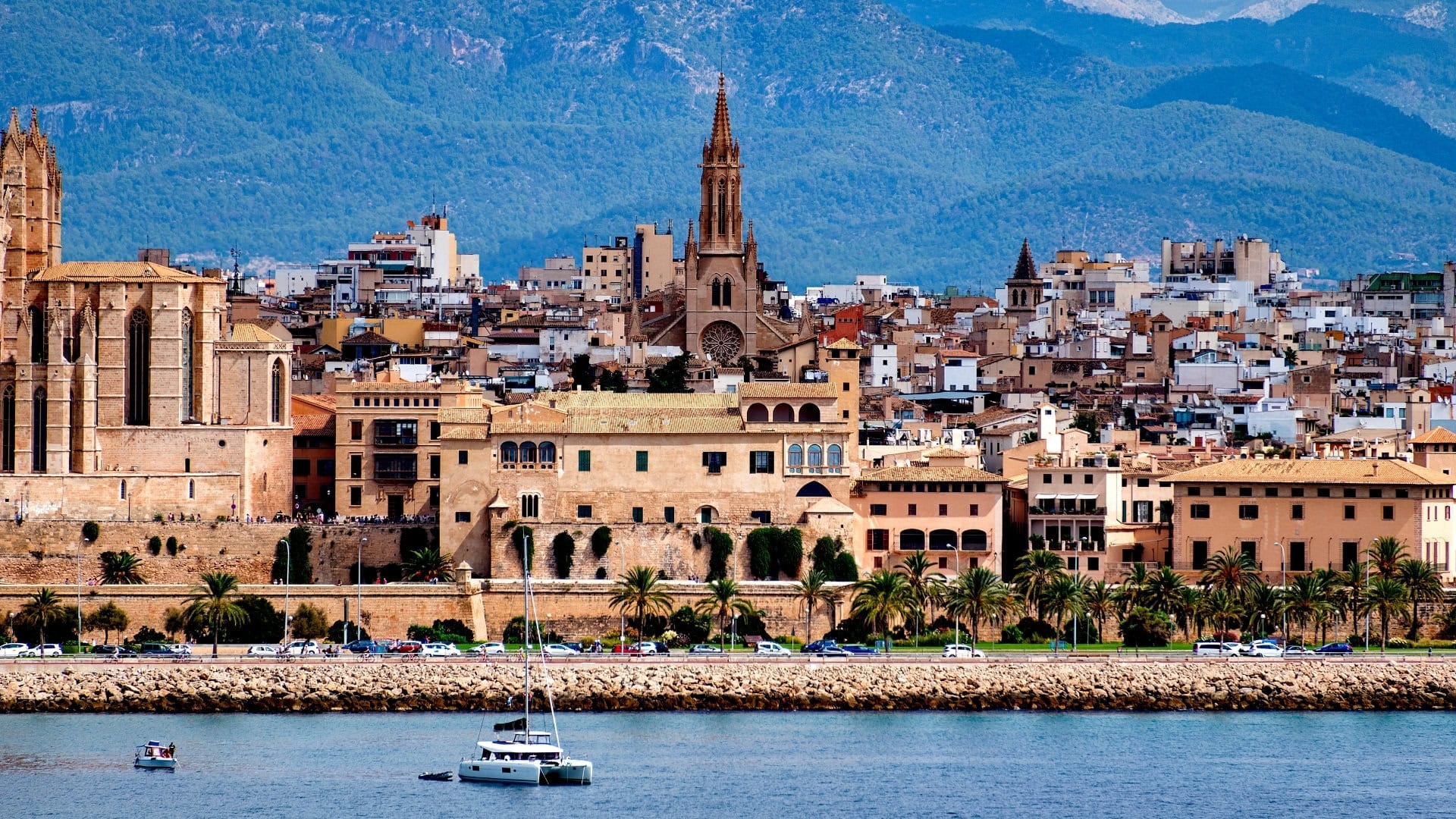
The capital of the Balearic Islands, Palma de Mallorca is a must-see during any stay on the island. Since the old town centre is fairly compact, one day is enough to explore its main attractions. Be sure to visit La Seu, its Gothic cathedral overlooking the bay, and to wander its picturesque lanes lined with palaces, art galleries and tapas bars.
Civitatis offers plenty of tours to discover the city, whether by segway, electric scooter or on foot.
Sant Elm and Sa Dragonera Island
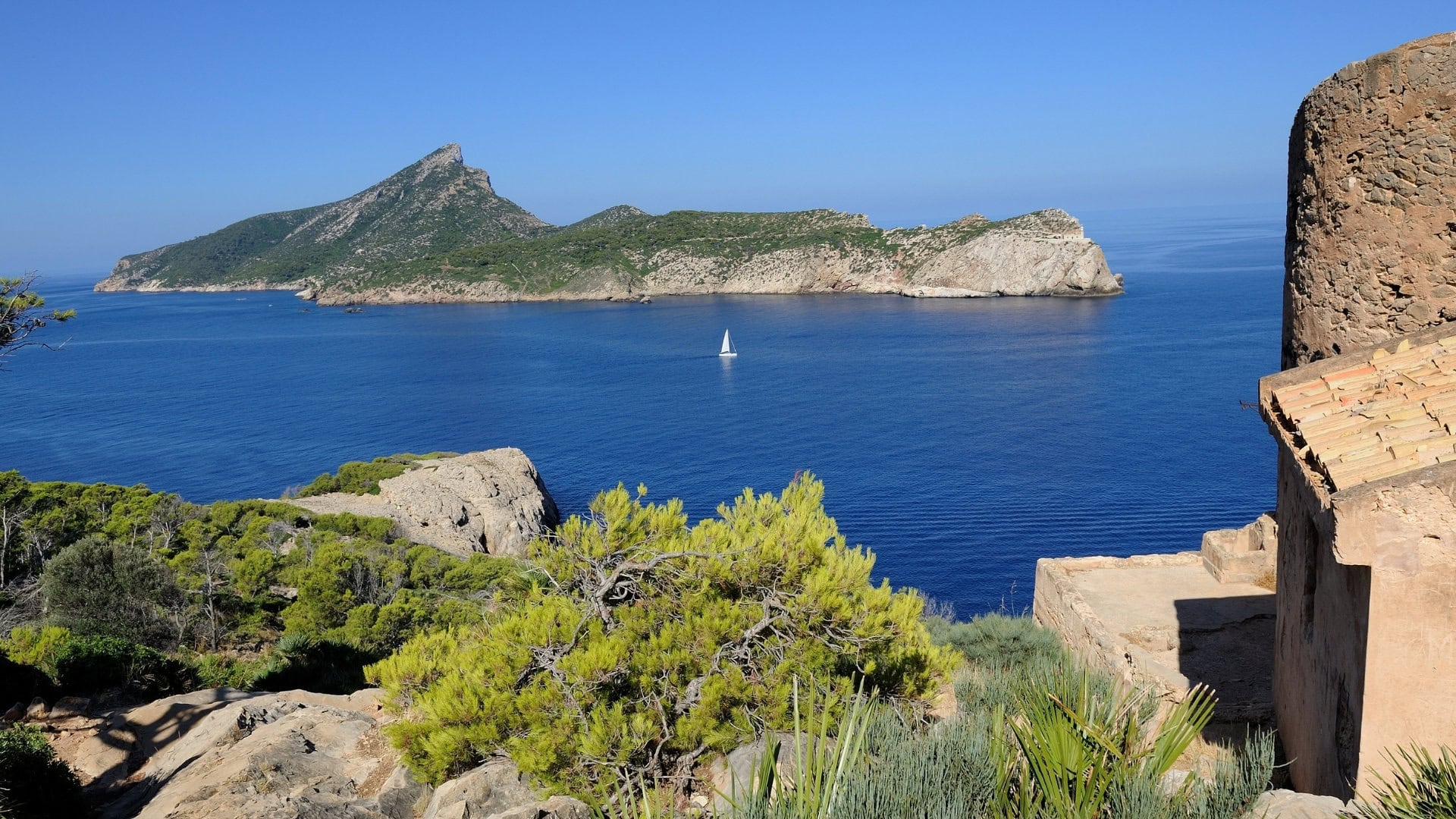
Less than a kilometre off Mallorca, Sa Dragonera Island, which rarely appears on classic tourist itineraries, is the perfect destination for nature and hiking lovers.
In the 1970s, an ambitious development project to build a seaside resort on the island was considered, but thanks to many environmental groups, the work never went ahead. Today, Dragonera is uninhabited; there are no hotels, restaurants or shops. Although marked trails guide visitors to the main points of interest and lookouts, exploring freely remains one of the best ways to discover the island.
Mallorca Road Trip – Days 3 to 5: Cycling and Hiking on the North Coast
Valldemossa and Cala Banyalbufar
Start the day at Cala Banyalbufar. Located one kilometre below the small village of the same name, this pebble cove, reached by a steep descent through the terraces, is the ideal spot to dive into turquoise waters or to admire the irrigation system typical of the Islamic era, which still supplies water to the upper terraces along the shore today. When the weather isn’t too dry, you can also see a small waterfall flowing down to the sea.
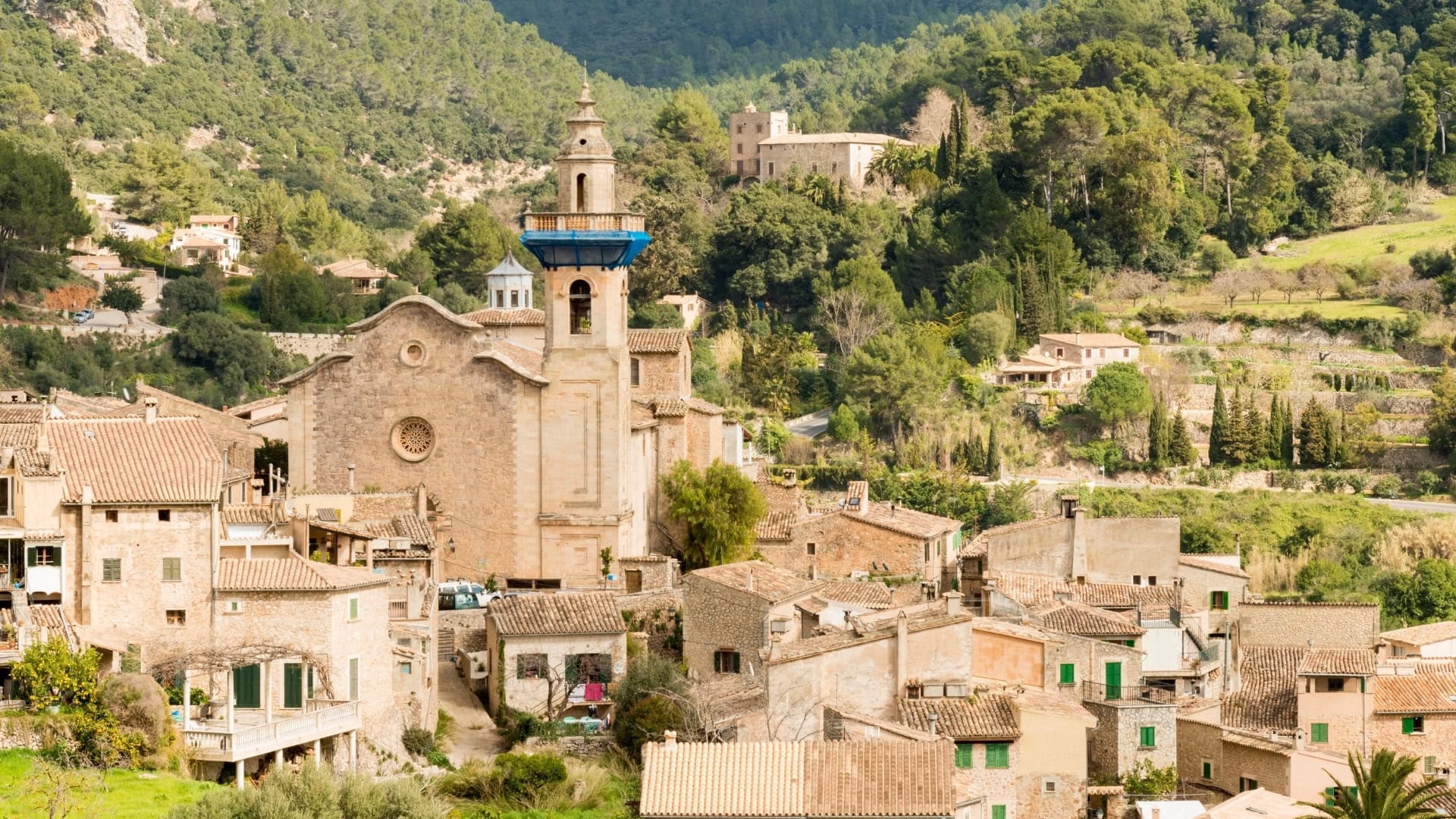
After spending the day at the beach, head to Valldemossa, one of the most picturesque small villages on the island of Mallorca. Its historic centre is worth a few hours, whether to get lost in its lanes or to stop for some tapas. My favourite spots? Aromas and QuitaPenas Valldemossa.
If you’re in Valldemossa on a Saturday, don’t hesitate to book a free two-hour walking tour to uncover all the secrets hidden in the village’s lanes.
Sóller and Port de Sóller
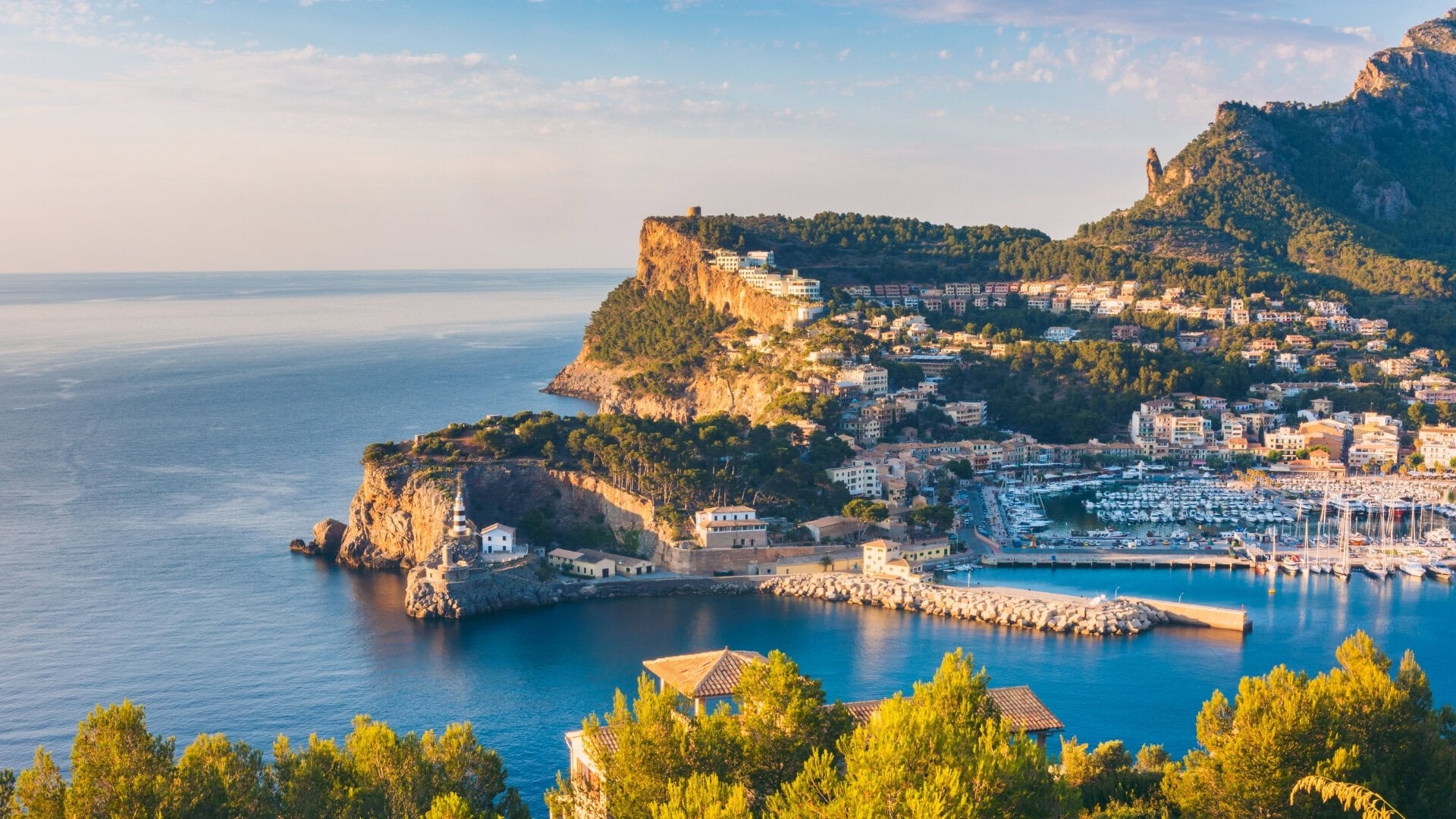
Surrounded by a majestic valley of orange groves in the heart of the Serra de Tramuntana, Sóller is a picturesque little village known mainly for its laid-back atmosphere. Its port has a long fine-sand beach lined with plenty of restaurants and shops. But if you want my advice, skip these places, which are often overpriced.
For a more memorable food experience, take the tram that links Port de Sóller with the village centre and head to Bar Molino or Ca N’antuna, tucked away in the mountains of Fornalutx.
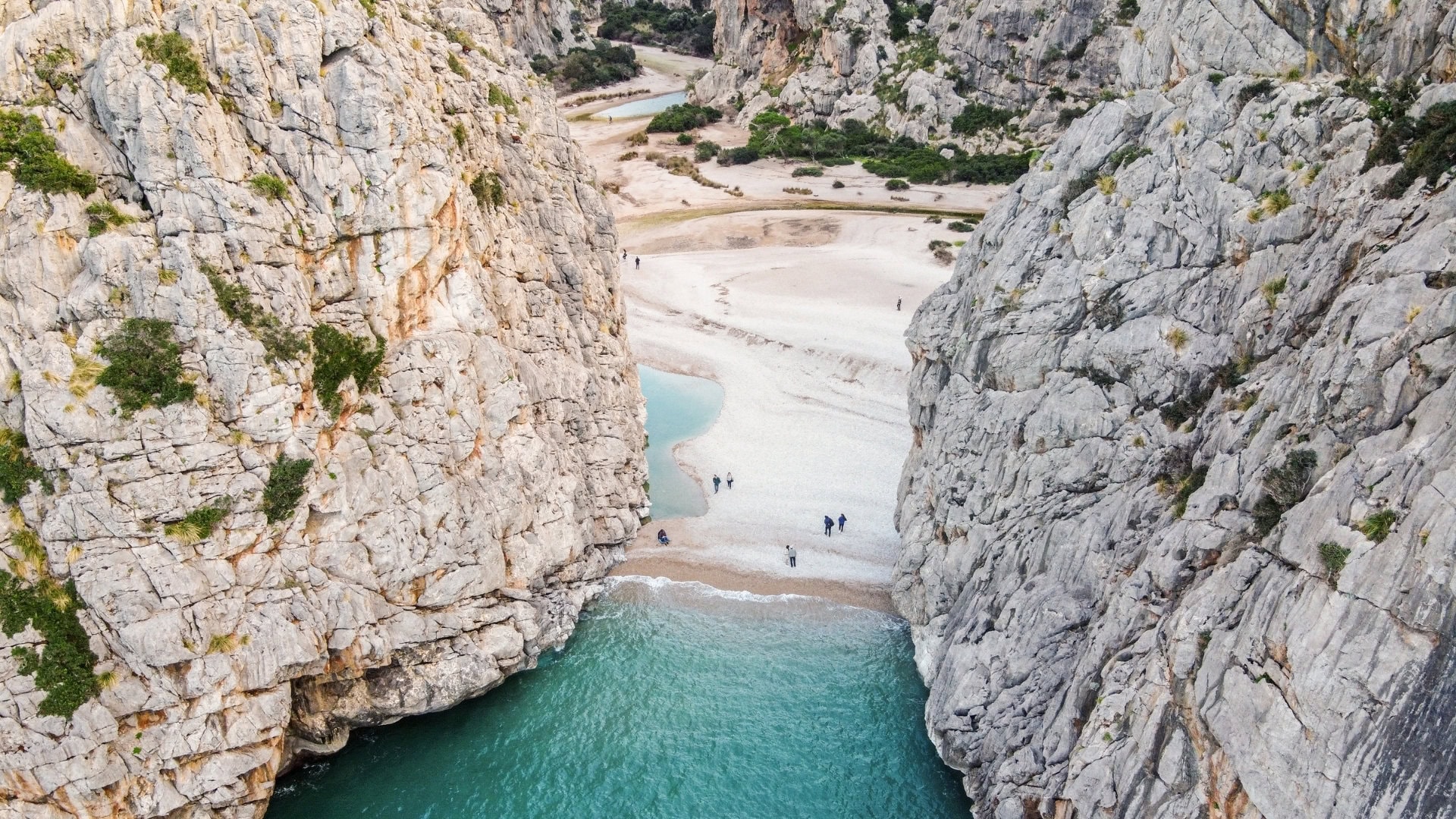
Sa Calobra, Torrent de Pareis and Cala Tuent
Sa Calobra (snake, in English) is a must on any Mallorca road trip. This winding road carved into the rock, with its impressive elevation changes and curves that can sometimes seem impossible, is probably best avoided if you’re faint of heart. If that’s the case, I recommend that you board a boat in Port de Sóller and reach Torrent de Pareis by sea. That way, you can still marvel at the scenery of the Serra de Tramuntana, but from the water.
On the other hand, if you feel up to driving the stretch of the MA-10 that winds down to Sa Calobra, you’ll be rewarded with one of the most beautiful views in the world: vast mountains plunging into the azure blue of the Mediterranean.
At the bottom? Cala Tuent to the west and Torrent de Pareis to the east. Start with the latter, known for its gorgeous pebble cove and its steep three-kilometre-deep canyon, carved by torrents of water through the cliffs of the rugged Serra de Tramuntana. Then, once the sun disappears behind the mountains, get back in the car and head to Cala Tuent, an ideal spot to watch the sunset.
Be sure to bring snacks and something to pay for parking. Torrent de Pareis has several small restaurants, but none is worth lingering over.
Mallorca Road Trip – Days 6 to 8: Exploring the Wild Beaches of the East Coast
Cala Figuera and Cap de Formentor
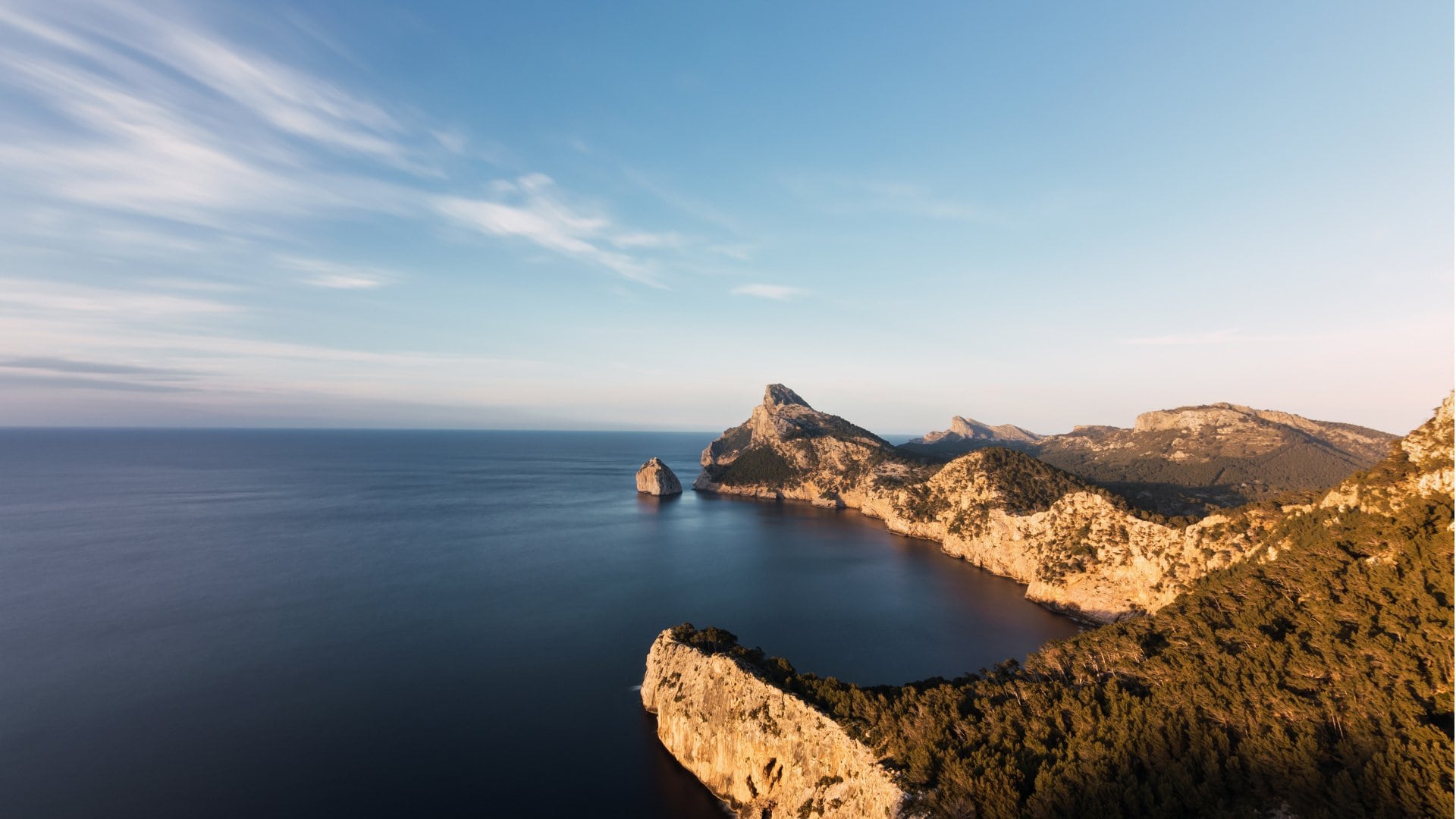
Cala Figuera is one of the most beautiful coves in Mallorca, but it’s no longer a well-kept secret. With huge crowds of tourists in summer, the authorities decided to restrict vehicle access during the warm season. To get there, you’ll have to leave your car at the Parking Playa de Formentor, then walk or take a bus (often packed) that drops you off about 20 minutes on foot from the cala. As for me, I always choose the short hike. It makes jumping into the water all the more refreshing.
Cap de Formentor, for its part, can only be reached by bus, departing either from the “Cala Figuera” stop or directly from the parking lot. I recommend going at sunset; it’s a sight you won’t forget.
Coll Baix Beach
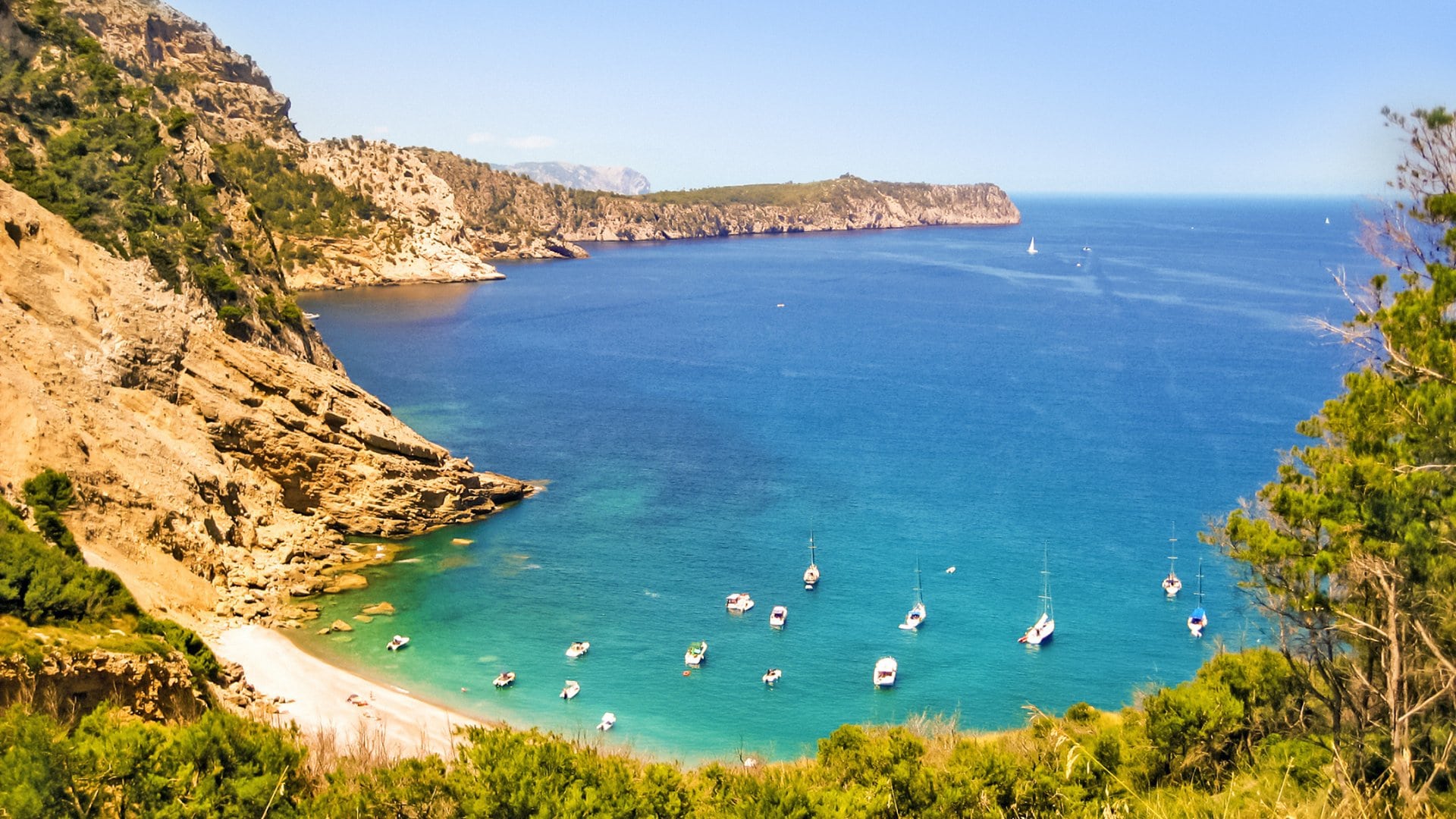
Coll Baix Beach is one of the most unspoiled coves in Mallorca. Its difficult access keeps tourist numbers low, which means a truly relaxing afternoon. After a short hike, a striking view opens up: steep cliffs, pine forests, a pebble beach and crystal-clear waters create an almost unreal landscape.
The more athletic can set out from the village of Alcúdia. From the Hotel Can Mostatxins, the hike to Coll Baix Beach takes just over two hours. For those who prefer a more laid-back approach, you can drive to the Refugi del Coll Baix, which cuts the walk down to about 50 minutes. Note, however, that the last stretch of the trail is demanding, with a bumpy and sometimes poorly marked path.
Llevant Natural Park, from Cala Mesquida to Cala Torta
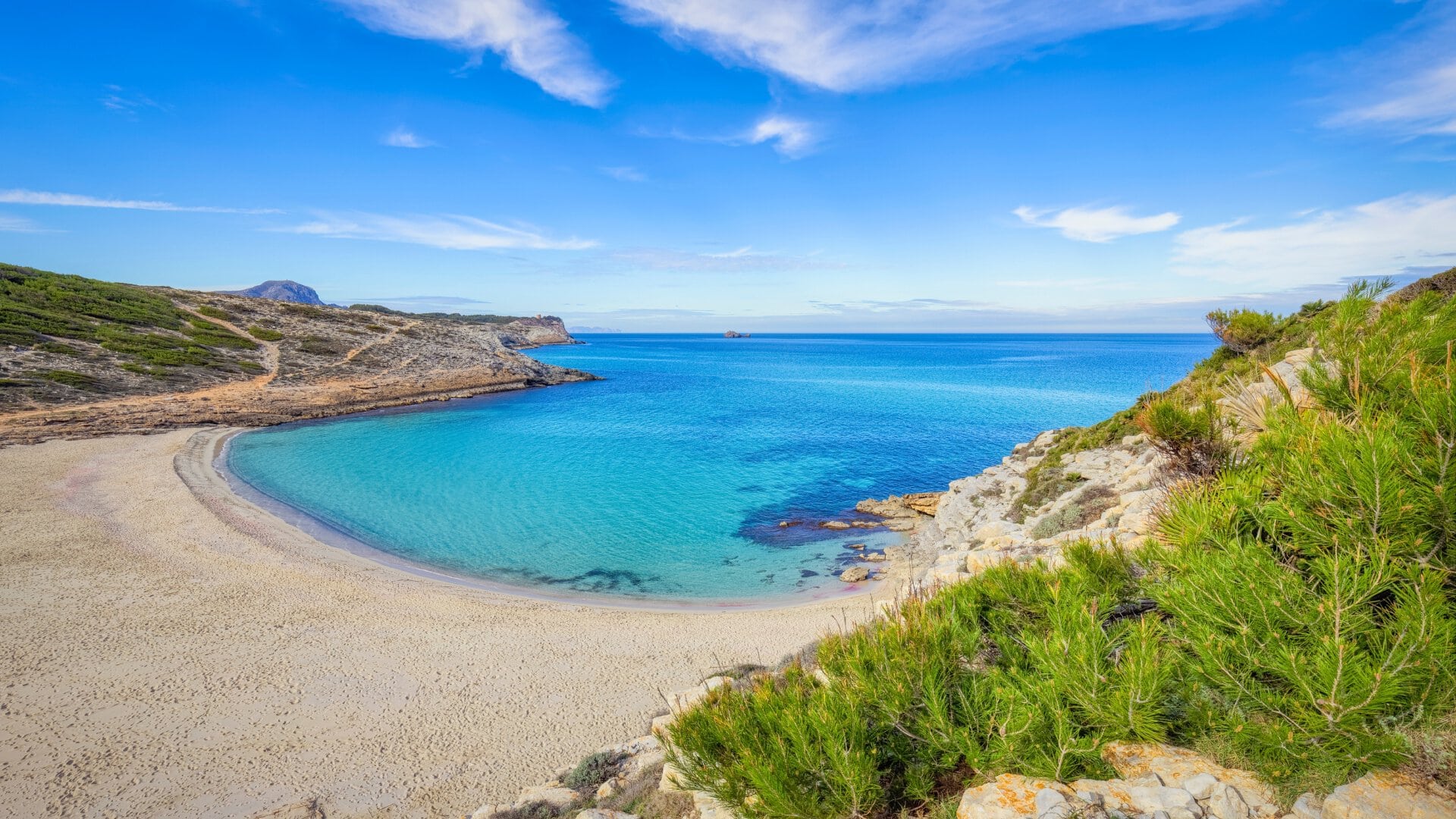
Time to lace up your running shoes again. This time, it’s to explore Llevant Natural Park. Park the car at Cala Mesquida, then set off for Cala Torta, one of my favourites. The hike takes about 40 minutes and follows the wild coastline on the east side of the island. It’s best to leave early, though, as shade is scarce.
After lounging on the white sand beach at Cala Torta, head back to Cala Mesquida. But instead of following the coastline, take the trail through the forest. In all, this loop is just over four kilometres long.
Mallorca Road Trip – Days 9 to 10: Relaxing on the Sandy Beaches of the South Coast
Cap de Ses Salines
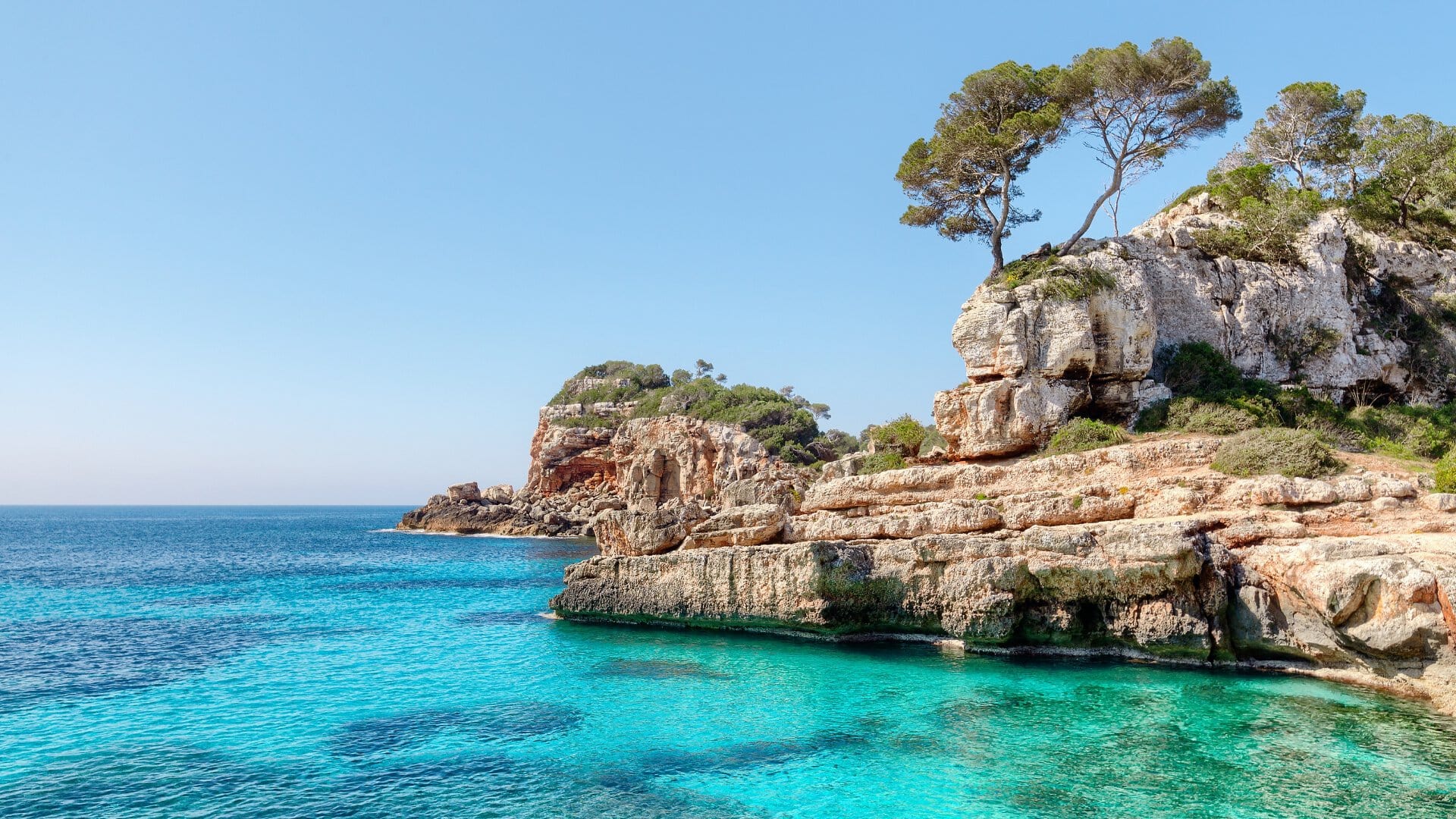
Taking the Ma-6110 road 12 km south of Ses Salines, you reach Cap de Ses Salines, a headland at the southern tip of Mallorca. The site is home to a lighthouse dating from 1863, although it isn’t open to the public. While the spot itself doesn’t offer many attractions, it’s surrounded by superb beaches protected by the Reserva Marina del Migjorn de Mallorca.
To the east, the beaches are tucked into the coastal cliffs, leading to coves such as Caló des Màrmols, beaches like Platja d’Almunia and caves like Cova de Sa Plana. A rugged trail connecting these sites runs along the coast for nine kilometres. Further west, we especially love El Caragol beach, also known for its stretches of white sand.
Es Trenc
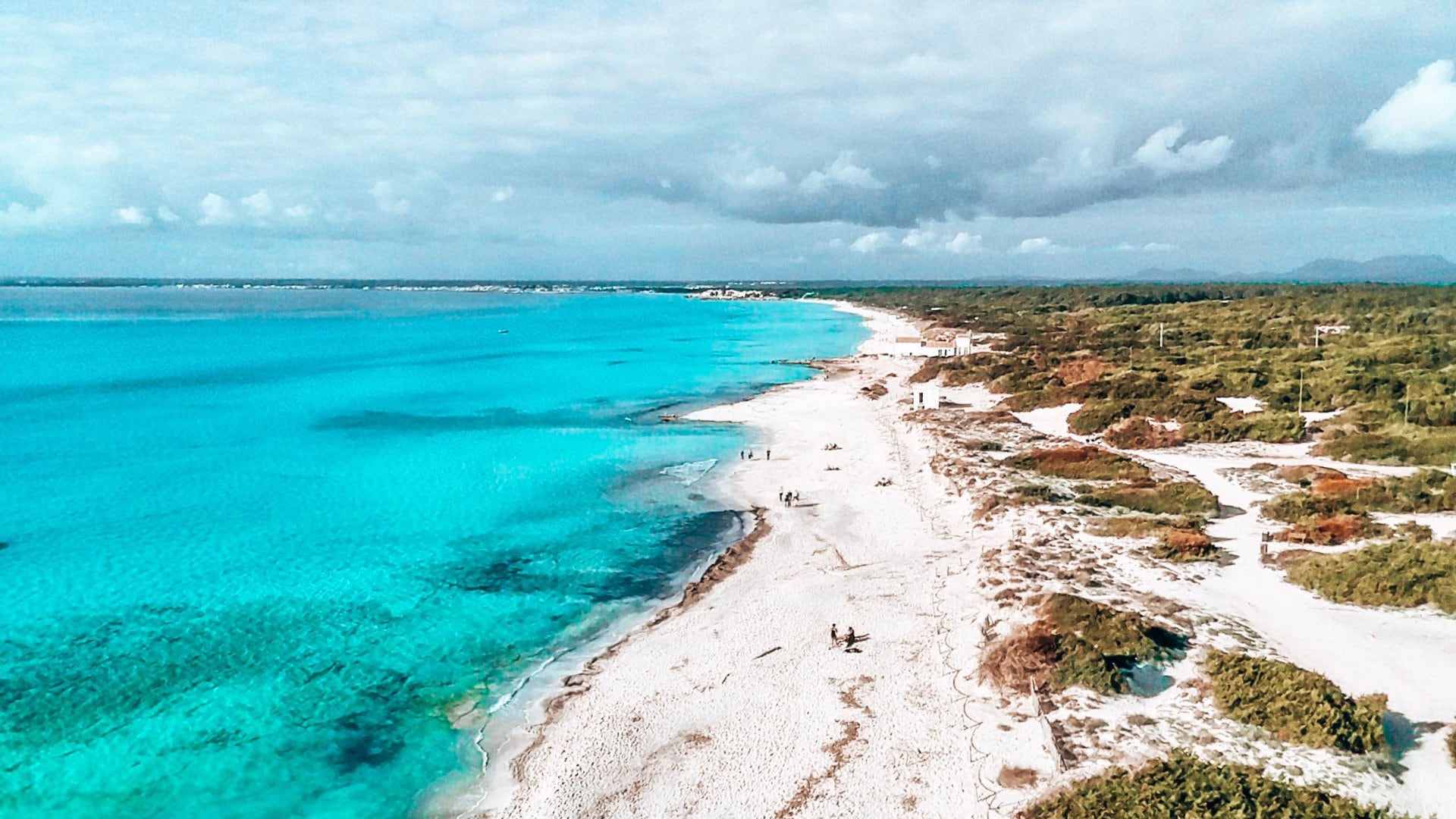
Es Trenc beach is nothing like the other calas on the island of Mallorca. With its white sand, ochre dunes, crystal-clear waters and seemingly endless shoreline, you could almost believe you were in the Caribbean. Unfortunately, the beach is a victim of its own success, and it can be hard to find a spot to lie down unless you arrive very early in the morning. It’s in the off-season, in May, September and October, that it turns into a true little paradise.
If you’re spending the day there, remember to bring a picnic. Thanks to a strong mobilization by local residents, the beach was spared from being turned into a resort, and all the chiringuitos (beach bars) that stood there were removed a few years ago.
Mallorca Road Trip – Getting to and Around the Island of Mallorca
Car Rental
For my road trip, I rented a car through Discover Car, a vehicle rental platform that compares rates from various rental agencies. My experience? Flawless. I was able to compare agencies, prices, cars and pick-up locations. That matters, because in Mallorca, some agencies that claim to be located at the airport actually require you to take a shuttle to reach them.
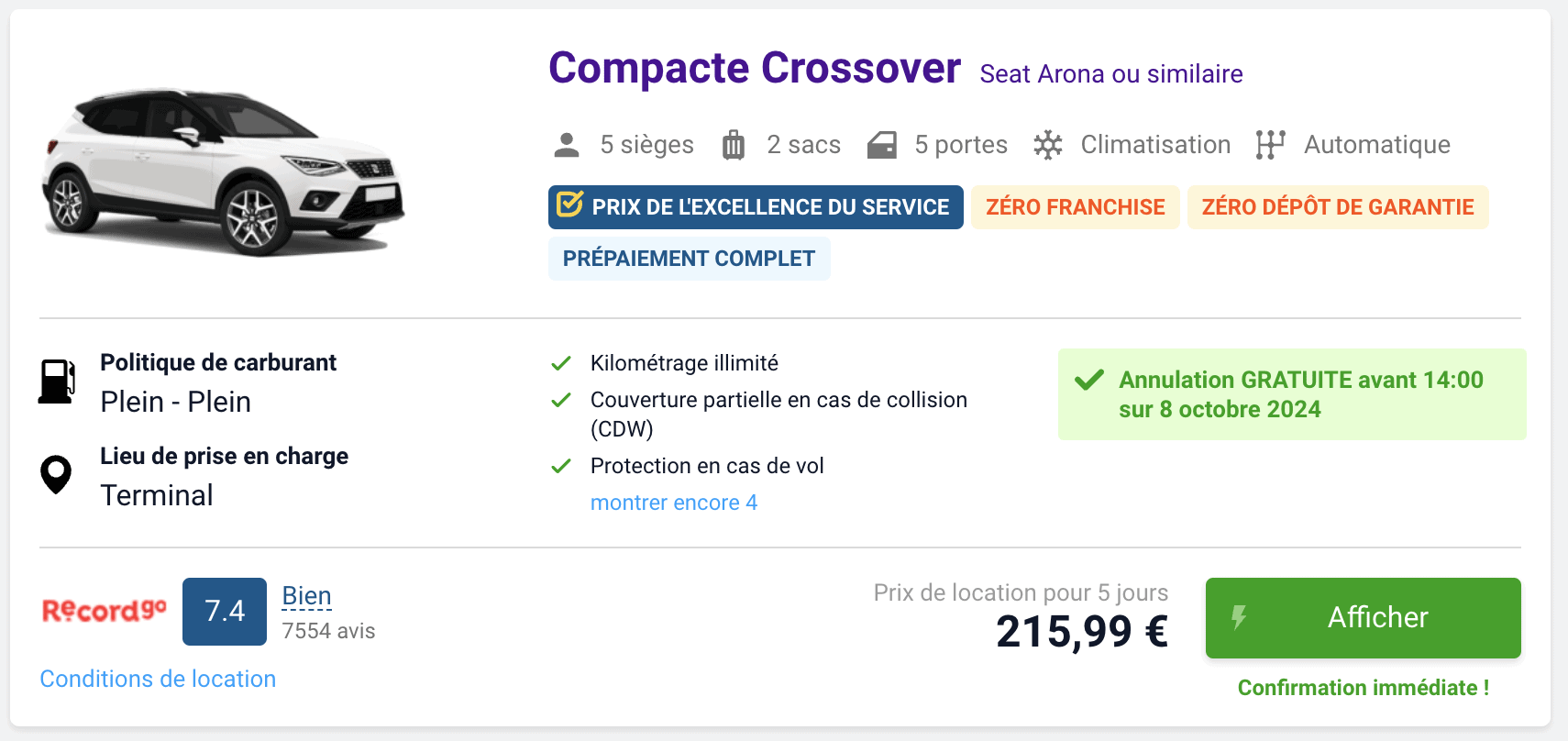
After some research, I chose RecordGo, a small agency generally found in the most popular destinations in Spain, Greece, Italy and Portugal. For five days, the rental cost me 216 euros, plus full coverage at 14 euros/day offered by Discover Cars. In total, I paid 286 euros.
You could avoid paying for full coverage by using a credit card that includes rental car insurance.
In France, American Express cards are among the cards with the best insurance coverage:
| Carte American Express | Garantie – Véhicule de location | Franchise |
| Carte Gold American Express | Jusqu’à 75 000 € par assuré, deux sinistres par an | 150 € |
| Carte Platinum American Express | Jusqu’à 100 % des frais de location, et 750 000 € en responsabilité civile | 150 € |
| Carte Air France KLM American Express Gold | Jusqu’à 75 000 € par assuré, deux sinistres par an | 150 € |
| Carte Air France KLM American Express Platinum | Jusqu’à 100 000 € par assuré, deux sinistres par an | 150 € |
| Credit card | Annual fee | Welcome offer | |
|---|---|---|---|
| $799 |

In Canada, here are two cards worth considering for their insurance coverage:
| Carte de crédit | Garantie – Véhicule de location |
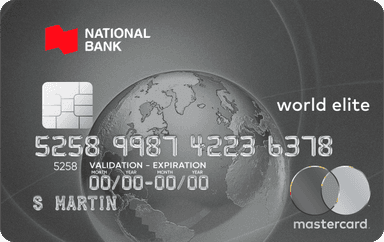
| Carte Mastercard World Elite de la Banque Nationale |
|
| Carte CobaltMD American Express |
- Car value up to $85,000
- No minimum annual income required
| Credit card | Annual fee | Welcome offer | |
|---|---|---|---|
| $191.88 | |||
| $0 |

Ferry
The smartest option for a Mallorca road trip is still renting a car. While bringing your own vehicle to the island is possible, the journey can be long and expensive. In high season, a Corsica Ferries ferry sails daily from Toulon to Alcúdia, a crossing of about 15 hours. For two people with a small car, the average price is close to 350 euros.
Flights from Canada
Canadians who want to explore the island of Mallorca can easily get there with their Aeroplan points, with flights starting at 35,000 points in Economy Class and 60,000 points in Business Class. See our guide to maximizing your Aeroplan flight options for a trip to Europe to build your strategy, and take advantage of the benefits of Aeroplan credit cards like the TD® Aeroplan® Visa Infinite* Card.
Best Itinerary for a 7- to 10-Day Mallorca Road Trip – Conclusion
With its varied landscapes and rich cultural heritage, Mallorca is a must-visit destination for lovers of nature and dolce far niente. Whether in the heart of Palma, on the wild beaches of the east and north coasts or in the picturesque villages of the island’s interior, every stop promises to captivate.
| Credit card | Annual fee | Welcome offer | |
|---|---|---|---|
| $799 |
Best Itinerary for a 7- to 10-Day Mallorca Road Trip – Frequently Asked Questions
Where should you go in Mallorca for a romantic getaway?
For a romantic getaway in Mallorca, Deià offers a romantic setting with its picturesque scenery and sea views. Secluded coves like Cala Banyalbufar are perfect for relaxing as a couple. These spots are real favourites, offering a unique experience and breathtaking views.
What should you see in Mallorca in 5 days?
The best itinerary for visiting the island of Mallorca in five days includes a visit to the capital, Palma de Mallorca, a drive through the Serra de Tramuntana, and time at pristine beaches such as Coll Baix Beach and Cala Figuera. The best time to explore the island? Outside the summer season, in spring or fall.
What to do in Mallorca in August?
In Mallorca, August is the busiest month of the year, so expect crowds. With their vast, pristine beaches, Es Trenc and Cala Figuera are must-sees, as long as you arrive early!
Our featured card


- Annual fee
- $150
- Our valuation
- $350Milesopedia first-year estimate First-year valueWelcome bonus$350Total$350Rewards on your spending are not included. The calculator that adds them from your own profile is on the card's page.
- Milesopedia first-year estimateFirst-year valueWelcome bonus$350Total$350Rewards on your spending are not included. The calculator that adds them from your own profile is on the card's page.
- Welcome offer
- Up to 35,000 points
- Ends Nov 1, 2026
on Scotiabank's website
Our editorial integrity
Our reviews and rankings are based on an objective assessment. Advertisers do not influence our content. We may receive compensation through some links; our analysis and opinions remain independent.