

How to budget for your personal activities

Budgeting isn’t the most exciting activity. Although it’s a fairly mundane task, who really enjoys budgeting and keeping an eye on expenses? But what about your personal activities? Do you budget for going to the movies, going out and having a good time as a couple or with friends? You work so hard to earn your money and taking time each month to have fun is important. However, it is essential to make a budget to plan your personal activities. In this article, we’ll look at a number of strategies for setting and monitoring your monthly budget, as well as planning for larger expenses such as travel.
Make a plan and a personal budget
Before you can go out and enjoy your personal activities, you need to calculate how much you need to spend on yourself. Start by drawing up a plan and a budget. You can do this on a spreadsheet, or use one of the many free or paid applications available on your smartphone.
Several budgeting strategies are available. For example, the zero-based budget. This does not mean that you have no money left in your account (zero). On the contrary, it means that your income, minus your expenses, equals zero.
First, identify your spending categories (housing, food, transportation, etc.). Then, for each of them, enter your expense items. For example, for the « home » category, you enter your rent or mortgage payment, your home insurance, your electricity bill, etc. That’s how you put a name to every expense (every dollar) and get a budget that’s personalized to your personal and financial situation.
Once all your expenses (including debts) have been allocated to their respective amounts, add savings, retirement and… personal activities! This way, you can set aside a certain amount of money for outings and other personal expenses. But make sure that the « personal activities » category is compatible with the rest of your budget.
If necessary, review certain expense items and cut back on optional expenses to give yourself more leeway for personal outings and activities.
Track expenses with a budgeting tool
Now that you’ve completed the budgeting stage, you can start spending on your personal activities for the month. But keeping track of your expenses is essential to keeping your personal budget running smoothly. If you spend too much on personal activities, you may not have enough money left over for fixed or ongoing expenses. So how do you avoid going over budget and spending more than you planned? Here are a few tools and methods to help you keep track of your expenses…
Budget application
You can keep track of your personal activities using an online budgeting tool or budget application. Every time you go out and have fun, or buy yourself something personal, make sure you enter it into the app so you know how much you’ve spent and how much you have left. For example, the Educfinance app, available on iOS and Android, which lets you track your finances on your phone, tablet or computer.
What’s more, some apps will send you a notification when you’re getting close to your budget limit. This will help you re-evaluate the rest of your personal activities for the month.
Spreadsheet
If you prefer to keep some control over your personal data, or prefer more traditional tracking, you can use a spreadsheet to keep track of your expenses. By « spreadsheet » we mean a Microsoft Excel or Google Sheets file.
If you’ve already set your budget for the month, open an additional sheet and enter your daily expenses. You will need to save your receipts throughout the day and reconcile them at night. Don’t let too much time pass before you do it, as you may misplace a receipt or go over budget.
Don’t forget that you’ll need to follow these steps:
- The category and specific item on which you spent your money
- The precise amount for each expense (for each purchase)
- The notes you wish to add (if any)
You can use our budgeting tool (in spreadsheet format) to track your expenses efficiently. This spreadsheet is available free of charge in our toolbox.
Pen and paper
If you prefer to keep track of your expenses in writing, you can simply use a journal (or notebook) and pen to keep track of your expenses, including your personal activities. Every time you buy an item in a store or leave a restaurant, make a note of your expenses immediately.
At the beginning of each month, write down your personal activity budget on a new page. Then, as you spend, subtract them from the allocated amount. You will see your balance every time you open your journal.
Envelope method
The envelope budgeting method is one of the most popular. If your personal activity budget for the month is $100, withdraw the cash from an ATM and put it in an envelope. Whenever you’re having a bit of fun, take the envelope with you and leave the rest of your money at home. This way, you won’t go over your budget and you can physically see how your money is shrinking after each purchase.
Plan and save in advance
For some special occasions, you’ll want to spend a lot more than usual. But you don’t necessarily have the funds to make those big purchases. Whether it’s travel, a music festival or a family vacation, sometimes you need to save money to be able to pay for it. Decide how much you need and exactly how much you’ll need to save each month to get it. Be sure to set a date by which the money must be saved.
There are several strategies for planning these larger expenses. For example, you can use the envelope method we discussed earlier. In this specific envelope, you deposit your savings and leave them untouched until the time of your event or expensive purchase.
You can also open a separate savings account and automate your savings so that the money is immediately saved. First, your money will be saved before you even think about spending it. Then your money will earn you interest while you save. That way, you’ll have a little more money to play with!
Check your monthly budget
Throughout the month, you can review your financial goals. Your income, expenses and priorities can change at any time, so you need to review your budget as often as necessary. Then, at the end of the month, you can verify this information with your bank and credit card statements.
Admittedly, this is a time-consuming exercise to do every month. But over time, you’ll get used to it and do it without even thinking about it.
What’s more, just because you have a fixed amount of money for your personal activities doesn’t mean you have to spend it all. If you do less activity one month and have some of your budget left over, you can allocate this amount to the next month’s entertainment budget. Alternatively, you can add it to your savings for more expensive activities or major purchases in the future.
In short, there’s no rule that says you have to spend every last cent!
Guilt-free activities
By setting financial goals, whether for personal activities or savings, you know exactly where your money is going. When your expenses are planned, you can do so without feeling guilty. Whether it’s to spend quality time with family and friends, or another activity you like to do…
With a budget, you’re in control of your money and have the freedom to define the spending items that are most important to you. If you like going out with friends or traveling, all the better. Make a plan, set a budget, save for those expenses or activities and enjoy them when the time comes!
Bottom Line
In short, budgeting isn’t the most pleasant activity, but it’s essential to good financial planning. This way, you can define a budget for your personal activities and provide for the sums required. Whether it’s going out or to the movies, eating out, or more expensive expenses like travel. Several strategies for budgeting and tracking expenses have been discussed in this article. We hope one of them will meet your needs.
Frequently asked questions about the personal budget
How to make a budget quickly and easily?
There are several ways to make a budget quickly and easily. You can use a mobile app, an online budgeting tool, a spreadsheet (Microsoft Excel or Google Sheets) or simply pen and paper.
How do you draw up a budget for the first time?
To make a budget, you must first identify all your income and expenses. Write them down in a spreadsheet or enter them in a budget application. Look at your bank and credit card statements to make sure you don’t forget any expenses. Then budget amounts for each category and enter your actual expenses. Analyze variances and adjust the budget if necessary.
How do I create a budget in Excel?
Spreadsheets like Microsoft Excel and Google Sheets are excellent tools for budgeting. Enter your income first, then your expenses. Analyze the difference between your income and expenses (Excel formula) and review certain expense items that could be optimized. You can also use the graphs to quickly and easily see the amounts allocated to each expense category. If required, you can use our Excel budget file, available free of charge in our toolbox.
Our featured card
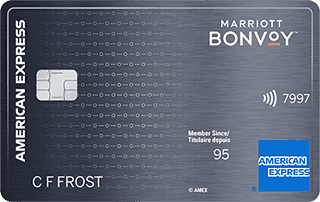

- Annual fee
- $120
- Our valuation
- $990Milesopedia first-year estimate First-year valueWelcome bonus$990Total$990Rewards on your spending are not included. The calculator that adds them from your own profile is on the card's page.
- Milesopedia first-year estimateFirst-year valueWelcome bonus$990Total$990Rewards on your spending are not included. The calculator that adds them from your own profile is on the card's page.
- Welcome offer
- Up to 110,000 points
- Ends Sep 22, 2026
on American Express's website
Apply with confidence — no impact on your credit scoreApply with confidenceCheck whether your application will be approved before you submit it, with no impact on your credit score*When you apply for a personal American Express Credit Card, we will tell you whether you are eligible without affecting your credit score. So you can apply with confidence.*Instant decisions are only available for consumer Card applications (also called “personal Cards”).
Our editorial integrity
Our reviews and rankings are based on an objective assessment. Advertisers do not influence our content. We may receive compensation through some links; our analysis and opinions remain independent.