

How to Pay Off Debt Faster in Canada

Are you looking to pay off your debts faster, reduce interest, and regain your financial freedom in Canada? This guide explains what to do, how to prioritize your payments, and which strategies to use right now. Whether your debts come from credit cards, a personal loan, or a line of credit, you can regain control with a structured plan.
First, you need to understand your situation. Next, you must choose the right repayment method. Finally, you need to avoid common mistakes that slow your progress.
Why pay off your debts quickly
Paying off your debts quickly reduces the total amount of interest you pay to financial institutions. The higher your interest rate, the more urgent it is.
Next, paying down your debts improves your credit score. A lower utilization rate and regular payments strengthen your credit file. You can read our complete guide on credit scores to understand the specific impacts.
In addition, reducing your debt lowers your financial stress. You free up part of your monthly income for savings, travel, or investing.
In short, the sooner you act, the more you save.
Get a clear picture of your debts
Before paying off your debts, you need to know exactly what you owe.
First, list all your debts:
- Credit Cards
- Personal loans
- Lines of credit
- Student loans
- Car loan
Next, note for each one:
- Total balance
- Interest rate
- Minimum payment
- Due date
Then, calculate the overall total. This snapshot allows you to set a strategic order. Without this step, you risk paying at random.
If you do not yet have a system, consult our guide to create a realistic, structured budget.
Maintain a minimal emergency fund
Before putting all your surplus toward repayment, make sure you have a minimal emergency fund. Without a financial cushion, the smallest unexpected expense can force you to use credit again.
An amount equal to one month of essential expenses is often enough to get started.
Ideally, this fund should be kept in a high-interest savings account, quickly accessible and risk-free.
Several online banks offer higher rates than traditional banks while allowing fee-free withdrawals. For example, a Tangerine Savings Account, a Wealthsimple Chequing Account, or an EQ Bank Personal Account.
Methods to pay off your debts
There are several effective strategies for paying off your debts. The choice depends on your situation and your personality.
Avalanche method
The avalanche method involves prioritizing the debt with the highest interest rate. You make the minimum payments on your other debts.
Then, you direct any extra amount toward the most expensive debt.
This method saves the most interest possible. It is mathematically optimal.
However, visible results may take longer if balances are high.
Snowball method
The snowball method prioritizes the smallest debt, regardless of its rate.
You pay off the smallest balance first. Then, you apply the freed-up payment to the next debt.
This strategy boosts motivation. You see quick results.
It sometimes costs a bit more in interest than the avalanche method, but it works very well psychologically.
Debt consolidation
Debt consolidation involves combining several debts into a single loan at a lower rate.
This simplifies your payments and often reduces your interest.
This solution is relevant if your credit score is still acceptable.
To better understand this strategy, consult the resources of the Financial Consumer Agency of Canada (FCAC).
Balance transfer
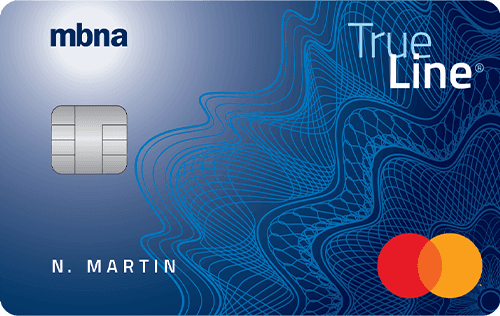
Some credit cards offer a temporary promotional rate for a balance transfer. For example, the CIBC Select Visa* Card and the MBNA True LineMD MastercardMD credit card.
You transfer your debts to this card and pay little or no interest during the promotional period.
Be mindful, however, of transfer fees and the limited duration.
This strategy requires strict discipline to avoid new debt.
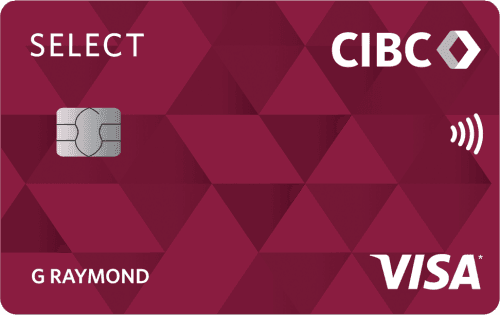

- Annual fee
- $0 $29No annual fee the first year
- No annual fee the first year
- Our valuation
- $29Milesopedia first-year estimate First-year valueAnnual fee rebated$29Total$29Rewards on your spending are not included. The calculator that adds them from your own profile is on the card's page.
- Milesopedia first-year estimateFirst-year valueAnnual fee rebated$29Total$29Rewards on your spending are not included. The calculator that adds them from your own profile is on the card's page.
- Welcome offer
- First Year Annual Fee Rebate
- $29 annual fee rebated
on CIBC's website

Reduce your interest faster
In addition to choosing a method, you can speed up repayment.
First, increase your monthly payments as soon as possible. Even an extra $50 makes a significant difference.
Next, negotiate your interest rate. Some institutions agree to lower it if your file is strong.
Also, consider refinancing if your situation has improved.
Finally, temporarily increase your income. Overtime, selling items, or a one-off contract can accelerate your plan.
Every dollar directed toward your debts reduces principal and future interest.
Mistakes to avoid
Certain mistakes slow your progress.
- Paying only the minimum keeps you in debt for years.
- Taking on new debt during repayment cancels out your efforts.
- Ignoring your budget makes your payments irregular.
- Using debt consolidation without changing your habits can make the situation worse.
An effective plan requires discipline and consistency.
Bottom Line
Paying off your debts faster is possible, regardless of your current situation. You must first understand your financial snapshot, choose a suitable method, and stay consistent.
Whether you use the avalanche method, the snowball method, debt consolidation, or a balance transfer, the important thing is to take action.
Every extra payment reduces your interest and improves your financial stability. Start today, even with a small amount. The results add up faster than you think.
Pay Off Debt in Canada – FAQ
Which debt should you pay off first?
In general, prioritize the debt with the highest interest rate. However, the snowball method can be more motivating.
Is debt consolidation a good idea?
Yes, if the new rate is lower and you avoid taking on new debt.
Is a balance transfer risky?
A balance transfer can be beneficial if you pay off the balance before the promotional rate ends.
How long does it take to pay off your debts?
It all depends on the amount, the interest rate, and your extra monthly payments.
Does paying off debt improve your credit score?
Yes. Lowering your utilization rate and making regular payments will gradually improve your credit file.
Our featured card
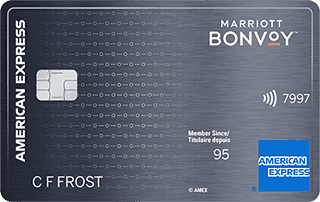

- Annual fee
- $120
- Our valuation
- $990Milesopedia first-year estimate First-year valueWelcome bonus$990Total$990Rewards on your spending are not included. The calculator that adds them from your own profile is on the card's page.
- Milesopedia first-year estimateFirst-year valueWelcome bonus$990Total$990Rewards on your spending are not included. The calculator that adds them from your own profile is on the card's page.
- Welcome offer
- Up to 110,000 points
- Ends Sep 22, 2026
on American Express's website
Apply with confidence — no impact on your credit scoreApply with confidenceCheck whether your application will be approved before you submit it, with no impact on your credit score*When you apply for a personal American Express Credit Card, we will tell you whether you are eligible without affecting your credit score. So you can apply with confidence.*Instant decisions are only available for consumer Card applications (also called “personal Cards”).
Our editorial integrity
Our reviews and rankings are based on an objective assessment. Advertisers do not influence our content. We may receive compensation through some links; our analysis and opinions remain independent.