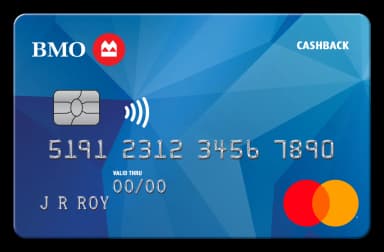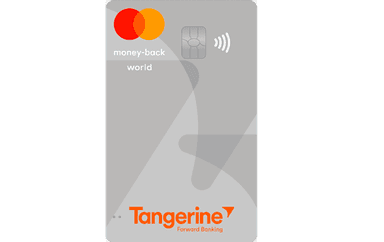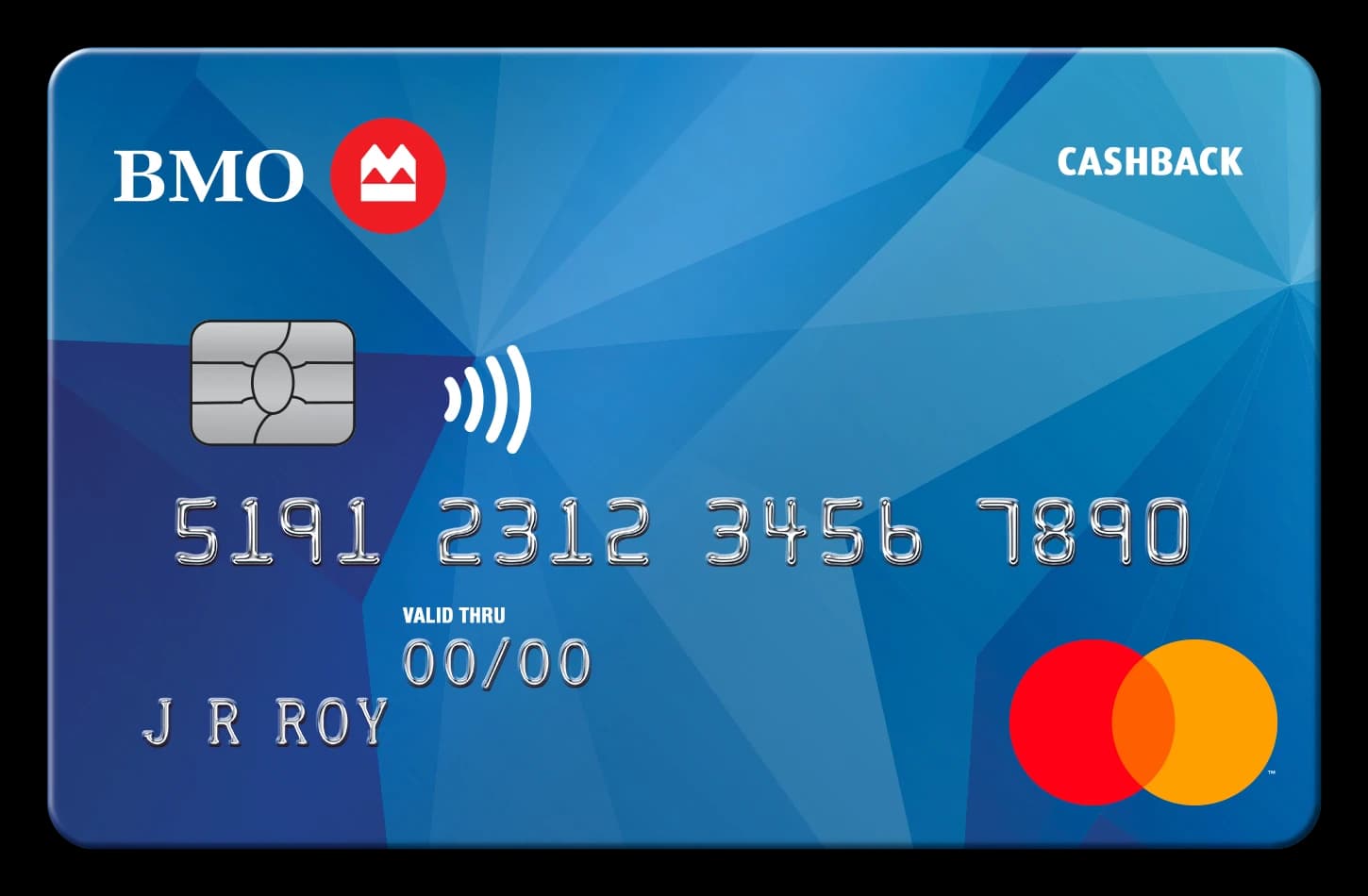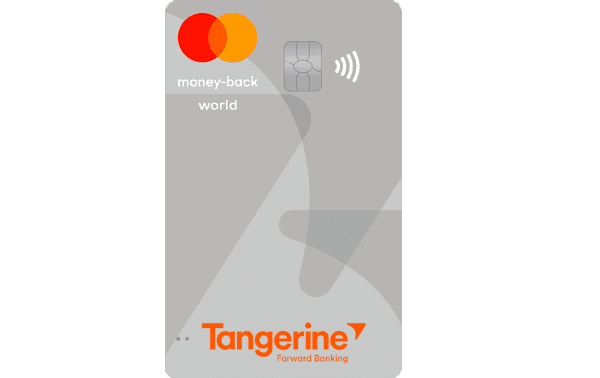
**The best no annual fee credit card depends on what you buy most.** For groceries, the BMO CashBack Mastercard pays up to 3% cash back. To pick your own 2% categories, go with the Tangerine Money-Back World Mastercard. For travel points, the American Express Green Card is our pick, with no annual fee to pay.
A no annual fee credit card costs you nothing to keep. It makes a good first card, a backup card or a solid base for building your credit score, and the best ones still earn 1% to 3% on your everyday spending.
Below, we show our selection, then the best card for your profile, what each card earns on a real budget and the fees to watch. Click a card's name to read its full review.
Fees, rates and welcome offers as published by each issuer. Offers change often, so check the issuer's terms before you apply. Milesopedia may be paid when you get a card through our links.
Which no fee card fits your profile
We sort these cards by where your money goes each month.
You spend mostly on groceries: the BMO CashBack Mastercard, at 3% on up to $500 in purchases per statement. Beyond that amount, the CIBC Dividend Visa Card earns 2% on groceries and 1% on gas, transit and dining.
Your spending changes from season to season: the Tangerine Money-Back World Mastercard, whose 2% categories you can change. If your income is under $50,000, the Tangerine Money-Back Credit Card offers the same rates with a $12,000 income requirement.
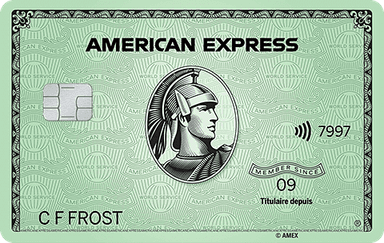
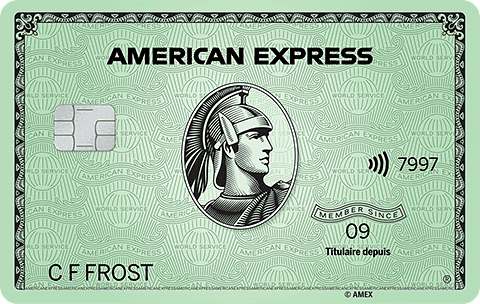
You want to travel with your points: the American Express Green Card, whose points transfer to Aeroplan, or the BMO eclipse rise Visa Card if your spending goes mostly to groceries, dining and recurring bills.
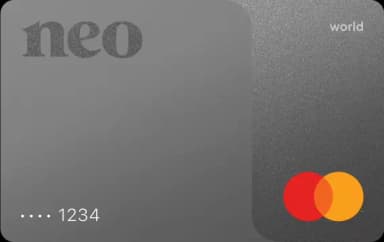
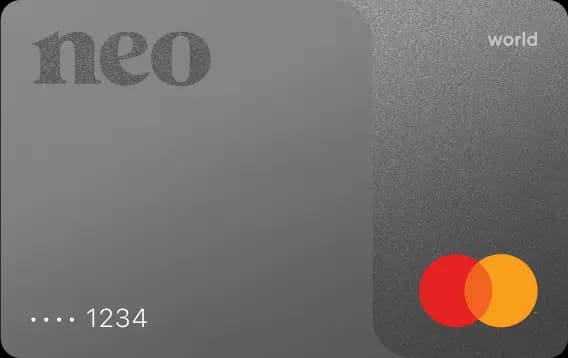
You want one rate without thinking about it: the SimplyCash Card from American Express earns 2% on gas and groceries and 1.25% on everything else. It is for you if you want a high rate without managing categories. The Neo World Mastercard Everywhere earns 1% across the board.
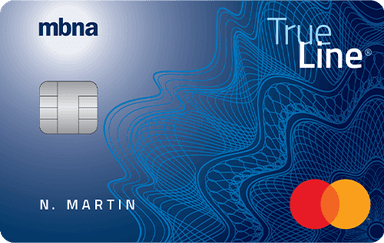
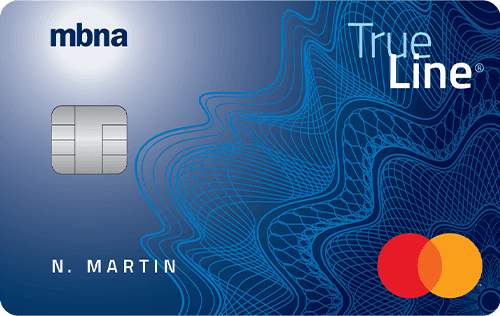
You have debt to pay down: the MBNA True Line Mastercard, at 0% for 12 statements on balance transfers.
BMO CashBack Mastercard →CIBC Dividend Visa Card →Tangerine Money-Back World Mastercard →Tangerine Money-Back Credit Card →American Express Green Card →BMO eclipse rise Visa Card →SimplyCash Card from American Express →Neo World Mastercard Everywhere →MBNA True Line Mastercard →What each card earns on a real budget
Take a budget of $1,500 a month: $500 on groceries, $200 on gas, $100 in recurring bills and $700 in other purchases. Here is the cash back each card pays you per year, not counting the welcome offer.
SimplyCash Card from American Express: $288 (2% on gas and groceries, 1.25% on everything else).
BMO CashBack Mastercard: $246 (3% on groceries, 1% on recurring bills, 0.5% on everything else).
Neo World Mastercard Gas & Grocery: $234 (2% on groceries, gas and recurring bills, 0.5% on everything else).
Tangerine Money-Back World Mastercard: $216 with groceries and gas as categories, or $234 with a third category for recurring bills.
CIBC Dividend Visa Card: $198.
Neo World Mastercard Everywhere: $180.
On the same budget, the BMO eclipse rise Visa Card would give you 21,400 BMO points (its 5 points per $2 rate stops at $5,000 in groceries a year) and the American Express Green Card 18,000 Membership Rewards points. Between the first and last card on the list, the gap reaches $108 a year: we suggest you redo this math with your own amounts before you apply.
Credit card comparison tool →The insurance you get with no annual fee
Several no fee cards already protect your purchases. The BMO CashBack Mastercard and the BMO eclipse rise Visa Card cover your purchases for 90 days and extend the manufacturer's warranty by one year. The Tangerine Money-Back World Mastercard and the BMO eclipse rise Visa Card add $1,000 in mobile device insurance, and the Tangerine card adds rental car insurance.
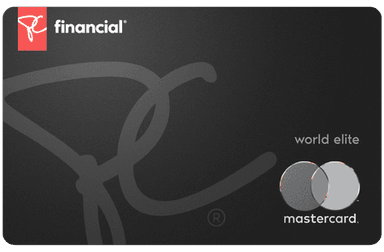
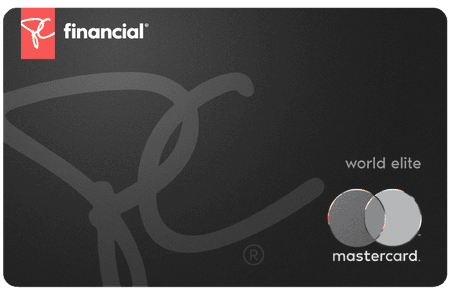
Travel medical insurance remains rare on a no fee card. The PC World Elite Mastercard offers it, for trips of 10 days or less, before age 65. If you travel longer or after 65, we recommend a card built for insurance instead.
Best credit cards for insurance →Shopping abroad with a no fee card
In Canada, these cards cost you nothing to use. Abroad, or online in US dollars, most add a 2.5% foreign transaction fee to every purchase, as Tangerine and Rogers do. That fee is bigger than the reward: a US$1,000 purchase earning 1% costs you $25 in fees for $10 in cash back.
Two no fee cards narrow the gap. The Tangerine Money-Back World Mastercard counts foreign currency among its 2% categories, which brings the net cost down to 0.5%. The Rogers Red World Elite Mastercard earns 3% on US dollar purchases, a 0.5% net gain after fees, with an income requirement of $80,000, or $150,000 per household. If you travel often, we recommend a no foreign transaction fee card.
Rogers Red World Elite Mastercard →Best no foreign transaction fee credit cards →Income requirements: cards for every budget
You do not need a high income to get a good no fee card. The Tangerine Money-Back Credit Card asks for $12,000 in income, and the CIBC Dividend Visa Card for $15,000 in household income.
World and World Elite versions add insurance or better rates, but they set the bar higher: $50,000 in personal income or $80,000 per household for the Tangerine Money-Back World Mastercard and the Neo cards, $80,000 or $150,000 for the PC World Elite Mastercard. If your income is close to the threshold, we suggest you start with the basic version.
Tangerine Money-Back Credit Card →Best credit cards for students →Building your credit with a no fee card
A no annual fee card is the easiest one to keep for years, and the age of your accounts counts in your credit score. Keep it open even if you rarely use it: a small purchase paid in full each month keeps it active.
Always pay the full balance. Most of these cards charge 20.95% to 21.99% interest on purchases, and 2% cash back never makes up for a balance carried at that rate. We explain what makes a good credit score in Canada in our guide.
What Is a Good Credit Score in Canada? →Best credit cards for beginners →How to choose your no fee card
We suggest four habits before you apply.
Start with your biggest spending category. A card earning 3% on groceries beats a card earning 1.25% everywhere if groceries weigh heavily in your budget.
Check the caps. BMO CashBack's 3% stops at $500 in groceries per statement, the bonus rate on the BMO eclipse rise Visa Card at $5,000 per category per year, and the grocery cash back on the SimplyCash Card from American Express at $300 a year.
Combine two cards. Since they cost nothing, you can keep one card for groceries and another for everything else.
Look at free first years too. If a fee from the second year on does not bother you, several fee-based cards are offered with no fee in the first year.
To save your favourite cards and get member-only offers, create your free Milesopedia account.
Create your free Milesopedia account →Best cards with a free first year →All the best credit cards →Frequently Asked Questions
What is the best no annual fee credit card in Canada?
It depends on your spending. For groceries, the BMO CashBack Mastercard earns 3% on up to $500 in purchases per statement. To choose your categories, the Tangerine Money-Back World Mastercard earns 2% in 2 or 3 categories. For travel points, the American Express Green Card earns 1 Membership Rewards point per dollar, transferable to Aeroplan.
Which no fee credit card gives the best cash back?
On a budget of $1,500 a month, the SimplyCash Card from American Express earns the most, at $288 a year, thanks to 2% on gas and groceries and 1.25% on everything else. The BMO CashBack Mastercard follows with $246. If your groceries go over $500 a month, redo the math: BMO's cap applies per statement.
Is there a free credit card that earns travel points?
Yes. The American Express Green Card earns 1 Membership Rewards point per dollar, and those points transfer to Aeroplan and British Airways (Avios), among others. The BMO eclipse rise Visa Card earns 5 BMO points for every $2 spent on groceries, dining and recurring bills, on the first $5,000 per year in each category. Its welcome offer gives 20,000 points after $1,500 in purchases in 3 months, on applications made by October 31, 2027.
What income do you need for a no annual fee credit card?
Several no fee cards require little income: $12,000 for the Tangerine Money-Back Credit Card and $15,000 in household income for the CIBC Dividend Visa Card. World cards generally ask for $50,000 in personal income or $80,000 per household, and World Elite cards for $80,000 or $150,000.
Can a World Elite card have no annual fee?
Yes. The PC World Elite Mastercard and the Rogers Red World Elite Mastercard have no annual fee. They require $80,000 in personal income or $150,000 in household income. The PC card includes travel medical insurance for trips of 10 days or less, before age 65.
Does a no annual fee card include insurance?
Often, for your purchases: several cards cover your purchases for 90 days and extend the manufacturer's warranty. The Tangerine Money-Back World Mastercard adds mobile device and rental car insurance. Travel medical insurance remains rare: the PC World Elite Mastercard is one of the exceptions.
Does no annual fee mean no fees at all?
No. You pay nothing to hold the card, but interest applies if you carry a balance: 20.95% to 21.99% on most of these cards, and 12.99% on the MBNA True Line Mastercard. Foreign currency purchases also cost a fee, usually 2.5%, and a balance transfer costs 1% to 3% of the amount transferred, depending on the card.
Can I have more than one no fee credit card?
Yes, and it often pays off. Since these cards cost nothing to keep, you can use one for groceries, such as the BMO CashBack Mastercard, and another for everything else, such as the SimplyCash Card from American Express. Pay each balance in full every month to protect your credit score.