

Amazon Credit Card: When a 2% Card Earns You More

The Amazon.ca Rewards Mastercard is still available, costs nothing, and gives you 2.5% back at Amazon.ca if you are a Prime member. But it only returns 1% everywhere else. As a result, it beats a card that earns 2% on everything only if your Amazon orders are worth twice the rest of your spending.
On a budget of $24,000 a year, a good flat-rate cash back card leaves you about $210 more, annual fee included. Here is the full calculation, then the cases where the Amazon card remains the right choice.
What the Amazon card really earns
Let's start with what it gives you, because it is real. You pay no annual fee, no minimum income is required, and you start with a 5% welcome offer for six months.

That offer covers your first $3,000 in eligible purchases at Amazon.ca, Whole Foods Market stores in Canada, grocery stores and restaurants. It therefore caps at $150 in cash back.
After that, the regular rates apply:
- Amazon Prime member: 2.5% at Amazon.ca and Whole Foods Market
- Without Prime: 1.5% at the same places
- Everywhere else: 1%
Your rewards accumulate as points. You then receive a $20 Amazon.ca gift card for every 2,000 points, credited automatically to your Amazon account. To learn everything about the membership itself, see our complete guide to Amazon Prime.
Amazon or a 2% card
This is where the decision is made. A flat-rate cash back card gives you 2% on every purchase, not just on your Amazon orders.
Let's run the numbers. Call A your annual Amazon spending, and R everything else you buy.
- Amazon card: 2.5% of A, plus 1% of R
- 2% card on everything: 2% of A, plus 2% of R
- Break-even point: when A is twice R
In other words, the Amazon card only comes out ahead if your Amazon orders exceed twice all your other card spending. Here is what that looks like on a realistic budget.
| Spending category | Amount | Amazon card (Prime member) | SimplyCash Preferred |
|---|---|---|---|
| Amazon.ca | $2,000 | $50 (2.5%) | $40 (2%) |
| Groceries | $6,000 | $60 (1%) | $240 (4%) |
| All other purchases | $16,000 | $160 (1%) | $320 (2%) |
| Annual fee to pay | n/a | $0 | $119.88 |
| Net cash back over one year | $24,000 | $270 | $480 |
Your foreign currency purchases
On this specific point, the card holds up very well. Prime members get 2.5% back on foreign currency transactions, exactly what the card charges in conversion fees. Your purchases in US dollars therefore cost you the exchange rate, with no markup.
Without Prime, however, the equation flips:
- Cash back on your foreign currency transactions: 1%
- Conversion fee charged: 2.5%
- Net cost to you: 1.5% of the amount
If you often shop in foreign currencies, compare instead with the no foreign transaction fee cards, which remove the fee rather than refund it.
Three cards that earn more
For most profiles, a flat-rate cash back card earns more. Here are the ones our data puts ahead on this front.
Highest earner with no income requirement
The SimplyCash Preferred Card from American Express gives you 2% on all purchases and 4% on groceries, up to $1,200 in cash back per year in that category, with no minimum income required. Its $119.88 annual fee is covered by $4,000 of groceries a year, compared to a 1% card.
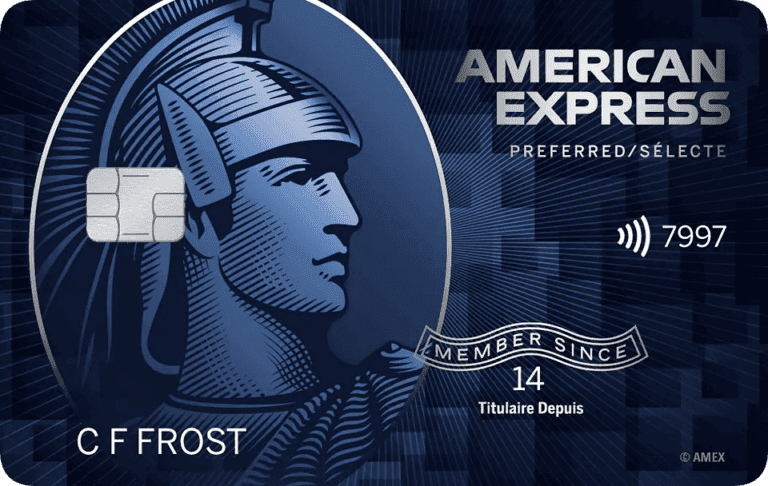

- Annual fee
- $119.88
- Our valuationMilesopedia first-year estimate First-year valueWelcome bonus$250Total$250Rewards on your spending are not included. The calculator that adds them from your own profile is on the card's page.
- $250
- Welcome offerAfter $2,000 in 3 months
- Up to $250 cash back
on American Express's website
Apply with confidence — no impact on your credit scoreApply with confidenceCheck whether your application will be approved before you submit it, with no impact on your credit score*When you apply for a personal American Express Credit Card, we will tell you whether you are eligible without affecting your credit score. So you can apply with confidence.*Instant decisions are only available for consumer Card applications (also called “personal Cards”).
The simplest to understand
The Neo World Elite Mastercard - Everywhere gives you 2% on all purchases, with no categories to remember, up to $4,000 in spending per month, then 1%. Its annual fee is $149, and a personal income of $80,000 is required.
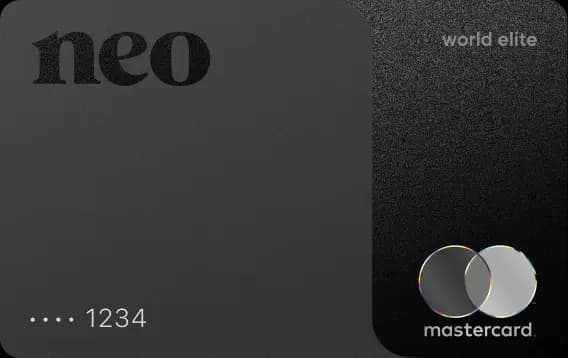

- Annual feeNo annual fee the first year
- $0 $149
- Our valuationMilesopedia first-year estimate First-year valueWelcome bonus$100Annual fee rebated$149Total$249Rewards on your spending are not included. The calculator that adds them from your own profile is on the card's page.
- $249
- Welcome offerAfter $1,500 in 3 months
- $100 cash back
- Ends Oct 12, 2026
on Neo Financial's website
Best for your Amazon gift cards
One simple tactic earns more: buy Amazon gift cards at the grocery store, then apply them to your orders. The Scotia Momentum Visa Infinite Card then gives you 4% on those purchases, up to $25,000 in eligible spending per year. We cover these combinations in our guide to grocery savings.
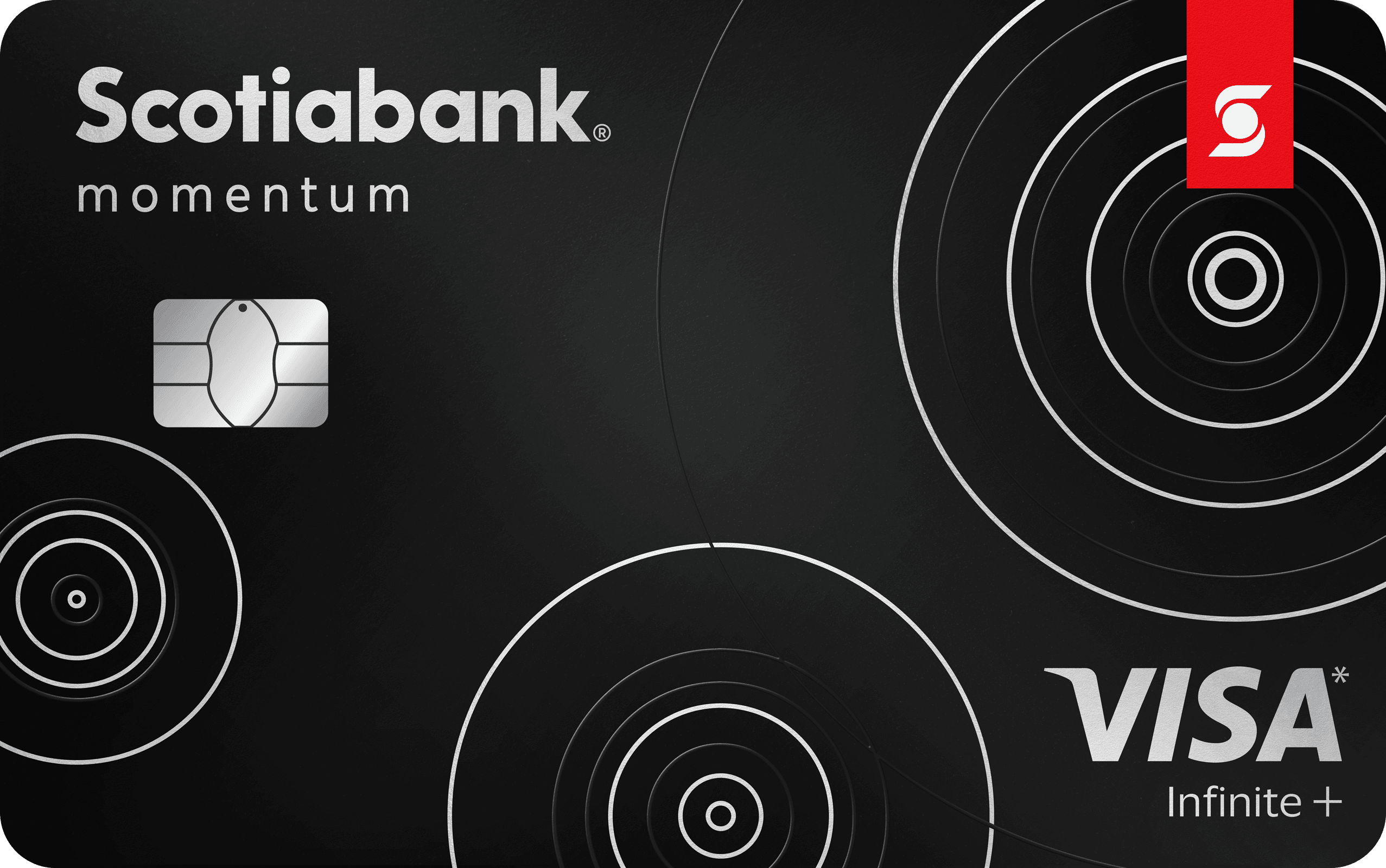

- Annual feeNo annual fee the first year
- $0 $120
- Our valuationMilesopedia first-year estimate First-year valueWelcome bonus$300Annual fee rebated$120Total$420Rewards on your spending are not included. The calculator that adds them from your own profile is on the card's page.
- $420
- Welcome offerAfter $2,000 in 3 months
- Up to $300 Cash Back
- Ends Nov 1, 2026
on Scotiabank's website
Who the Amazon card suits
It still has a real audience. If you are new to credit, it requires no minimum income and costs nothing: you risk no annual fee by trying it.
It also works very well as a secondary card. You use it for your Amazon orders and foreign currency purchases, keep a 2% card for everything else, and collect both rates.
Our verdict
The Amazon card remains a good product, and being free makes it hard to beat when you are starting out. It does, however, concentrate its generosity on a single retailer, while your spending is spread everywhere.
If Amazon represents a modest share of your budget, which is the case for almost everyone, a flat-rate cash back card will earn you more every year. Keep the Amazon card as a backup, or skip it. To follow current bonuses, see our best credit card offers and subscribe to our newsletter.
Amazon Credit Card - Frequently Asked Questions
Is there an Amazon credit card in Canada?
Yes. The Amazon.ca Rewards Mastercard is issued by MBNA, a division of The Toronto-Dominion Bank. It is open to Canadian residents who have reached the age of majority in their province. You apply online, on Amazon.ca.
How much does the Amazon credit card cost?
Nothing. The card has no annual fee, and no minimum income is required. The purchase interest rate varies by province: 19.99% in Quebec and 21.74% in Ontario.
What cash back does the Amazon card give?
Amazon Prime members get 2.5% at Amazon.ca and Whole Foods Market stores in Canada. Without Prime, the rate drops to 1.5%. All your other purchases earn 1%.
How do you use the Amazon card's rewards?
Your points convert into Amazon.ca gift cards. You receive $20 for every 2,000 points earned, directly in your Amazon account. You then apply that amount to your orders.
Is the Amazon card better than a cash back card?
Rarely. A 2% flat-rate card beats the Amazon card as soon as your non-Amazon purchases represent more than a third of your spending. On a budget of $24,000 a year, the gap reaches about $210 in favour of the flat-rate card.
Does the Amazon card avoid foreign transaction fees?
Not exactly. It charges a 2.5% fee, then refunds 2.5% if you are a Prime member. The two cancel out. Without Prime, you get 1% back and therefore pay 1.5% of the amount in fees.
Do you need Amazon Prime for this card?
No, but membership changes a lot. Without Prime, your Amazon rate drops from 2.5% to 1.5%, and your cash back on foreign currency drops from 2.5% to 1%.
Which card should you use to shop on Amazon?
It depends on your budget. If Amazon accounts for less than twice your other spending, a 2% card on everything will earn you more. Our comparisons detail the best options for your profile and income.
Our featured card
- Annual feeNo annual fee the first year
- $0 $120
- Our valuationMilesopedia first-year estimate First-year valueWelcome bonus$469Annual fee rebated$120Total$589Rewards on your spending are not included. The calculator that adds them from your own profile is on the card's page.
- $589
- Welcome offerAfter $12,000 in 12 months
- Up to 70,000 points
on BMO's website
Our editorial integrity
Our reviews and rankings are based on an objective assessment. Advertisers do not influence our content. We may receive compensation through some links; our analysis and opinions remain independent.