

Travel Guide Martinique | Itineraries and Highlights

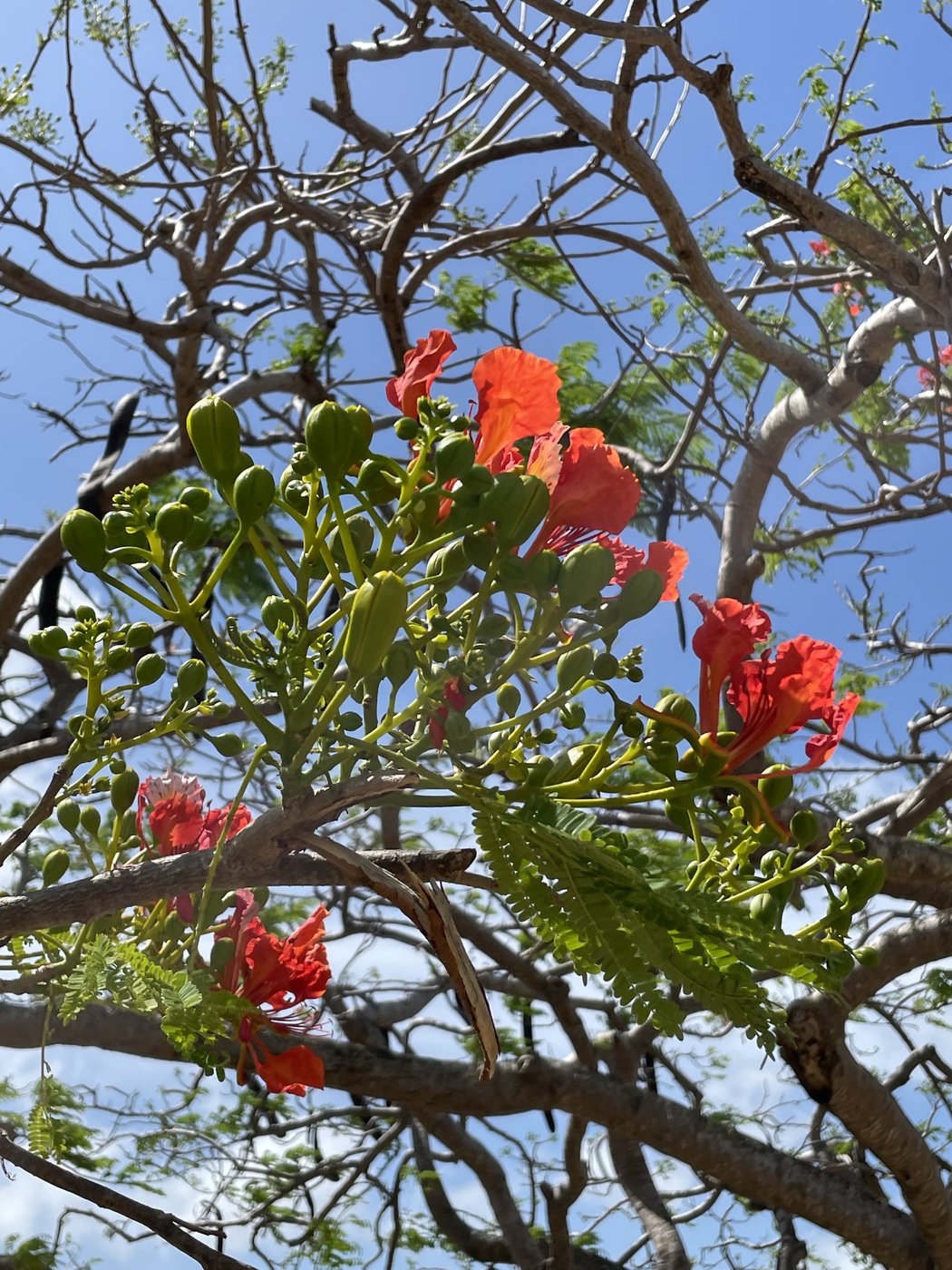
Celle que l’on nomme l’île aux fleurs sait charmer par ses activités, ses villas de rêve, sa nature luxuriante et sa population chaleureuse. En 2022, l’émission Occupation Double a d’ailleurs été tournée sur l’île.
Riche d’un passé partagé entre peuples autochtones d’Amérique du Sud et l’arrivée des Français en 1635, le patrimoine de la Martinique est aussi diversifié que le sont ses paysages et ses habitants.
En voyage dans cette île faite de montagnes, de mangroves et de forêts tropicales, voici ce qu’il ne faut pas manquer.

Martinique – Discovering the island
Unique diving experiences
Martinique has more than 20 professional and accredited dive centers and hundreds of well-protected sites for divers of all levels.
With temperatures ranging from 26 to 30 degrees Celsius, Martinique’s waters offer colorful marine life: hawksbill turtles, eagle rays, barracudas and schools of tropical fish, pristine coral reefs, gigantic sea sponges and gorgonian sea fans.
You can also dive into the wrecks of Saint-Pierre, boats that were wrecked during the eruption of Mount Pelee in 1902.
Heavenly beaches
Le littoral martiniquais est accessible partout, donc les plages aux beautés sauvages ne manquent pas et sont ouvertes au public toute l’année. Les plus sportifs en profiteront pour pratiquer le surf, le kayak, le surf cerf-volant, la planche à voile et le «Flyboard ».
Pour de longues étendues de sable blanc baignées par des eaux bleues calmes, direction la côte caraïbe. La côte atlantique offre, quant à elle, de nombreuses baies isolées bordées de palmiers, tandis que la côte nord expose des bandes de sable volcanique noir sur fond de montagnes verdoyantes.
Parmi les plus belles plages de la Martinique, voici des lieux incontournables : Grande Anse des Salines à Saint-Anne (sable blanc), la plage de Pointe Marin (sable blond) et l’Anse Noire à Les Anses d’Arlet (sable volcanique).
A distinctive gastronomy
Through the Martinique cuisine, you will find African, Indian and French influences. On the menu:
- Fresh fish – sea bream, snapper and tuna
- Locally sourced foods – bananas, coconuts and pineapples
- Creole dishes such as fish blaff, stuffed crab and green papaya gratin
You’ll also enjoy the quintessentialMartiniquan appetizer: acra de morue, as well as curry-based dishes such as chicken colombo, not to mention the culinary savoir-faire of France.
For sweet tooths, you have to try the coconut blancmange and the delicious homemade fruit sorbets and ice creams.
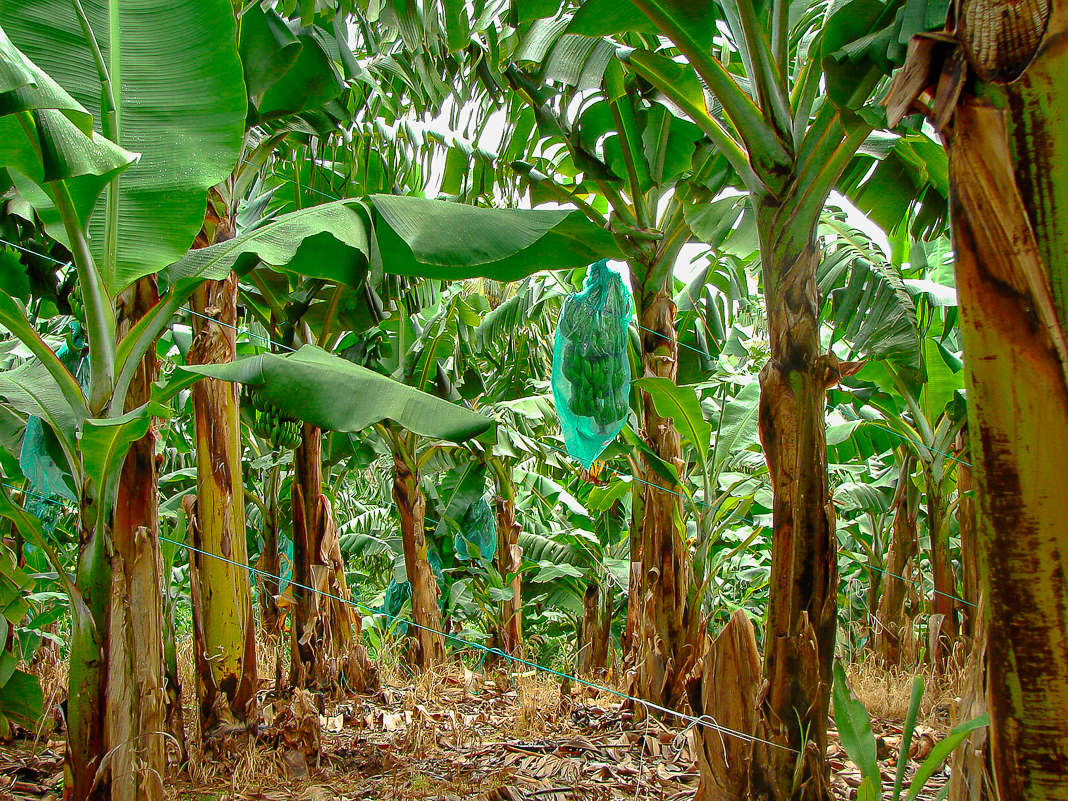
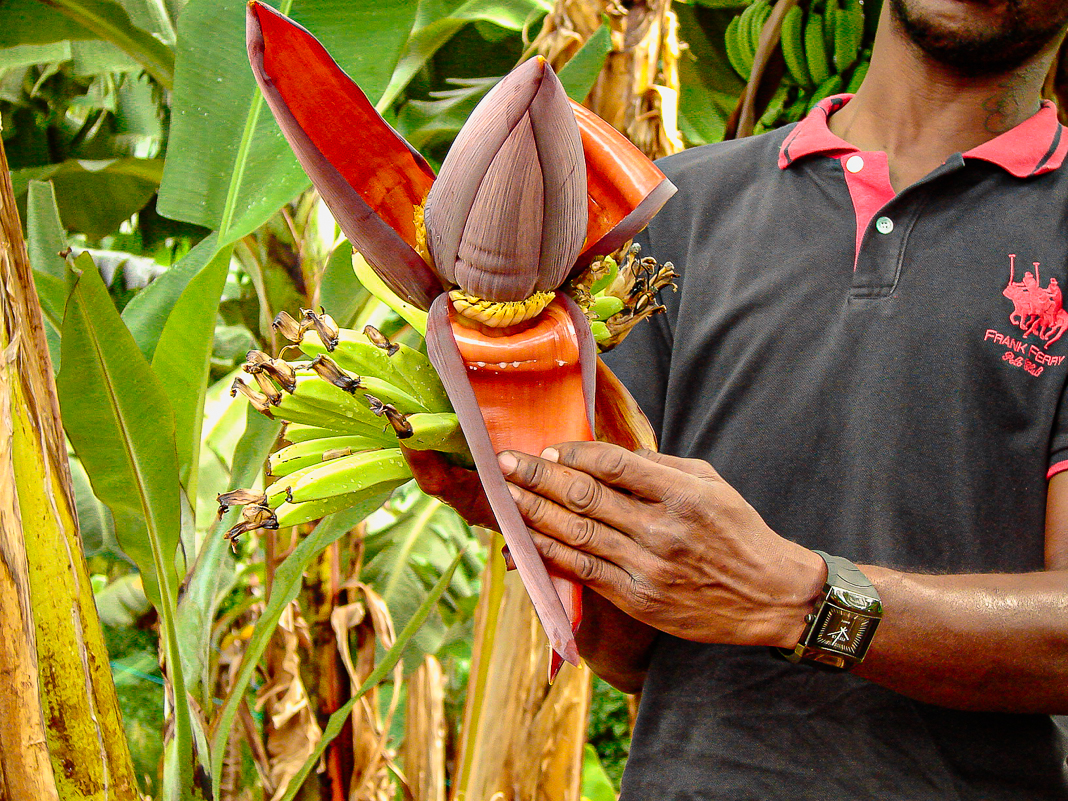
The natural beauties of the island
While hiking, you can discover the beauties of the island in all its forms. There are more than 250 kilometers of trails that connect the rugged coastline, tropical forests and misty mountains. And since two thirds of the island is covered by protected parks, the territory is wonderfully preserved.
The Jardin de Balata, near Fort-de-France, and the Domaine d’Émeraude, near the northern town of Le Morne-Rouge, are two vast parks to discover, with beautiful landscaped gardens and forests where you can admire native plants and trees.
Outdoor enthusiasts can also discover the mangrove forests by kayak or canoe, practice cycling, horseback riding and bird watching.
Fort-de-France, capital of Martinique
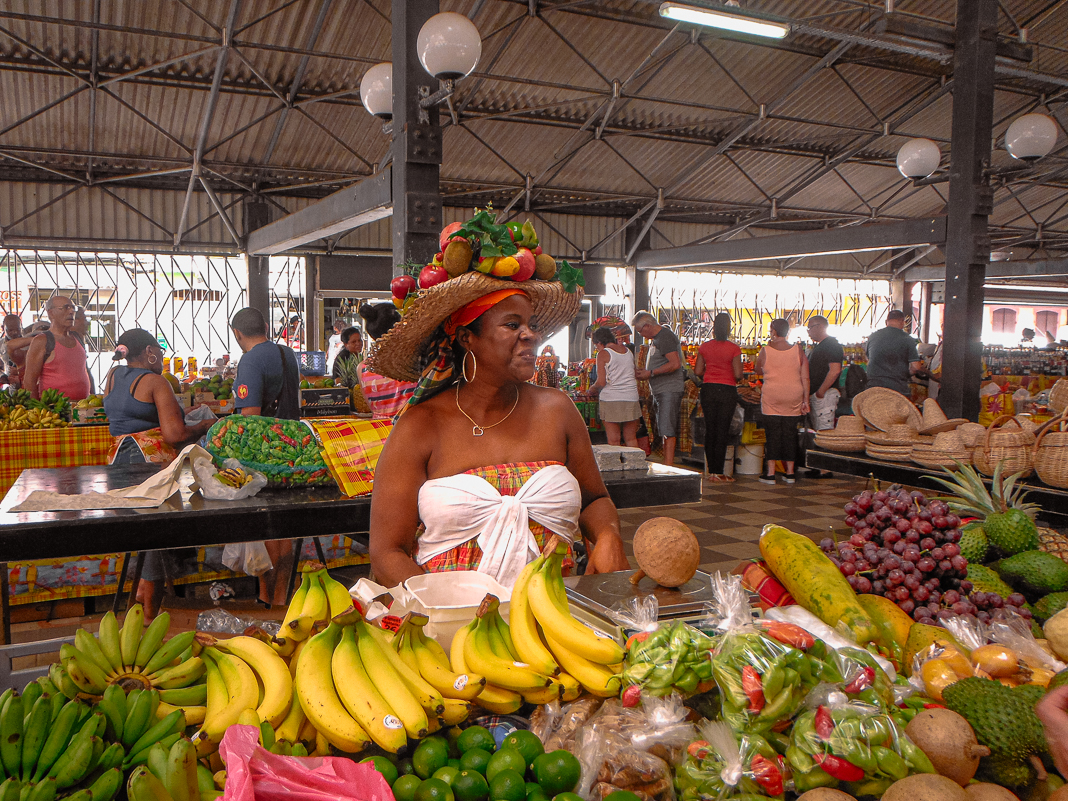
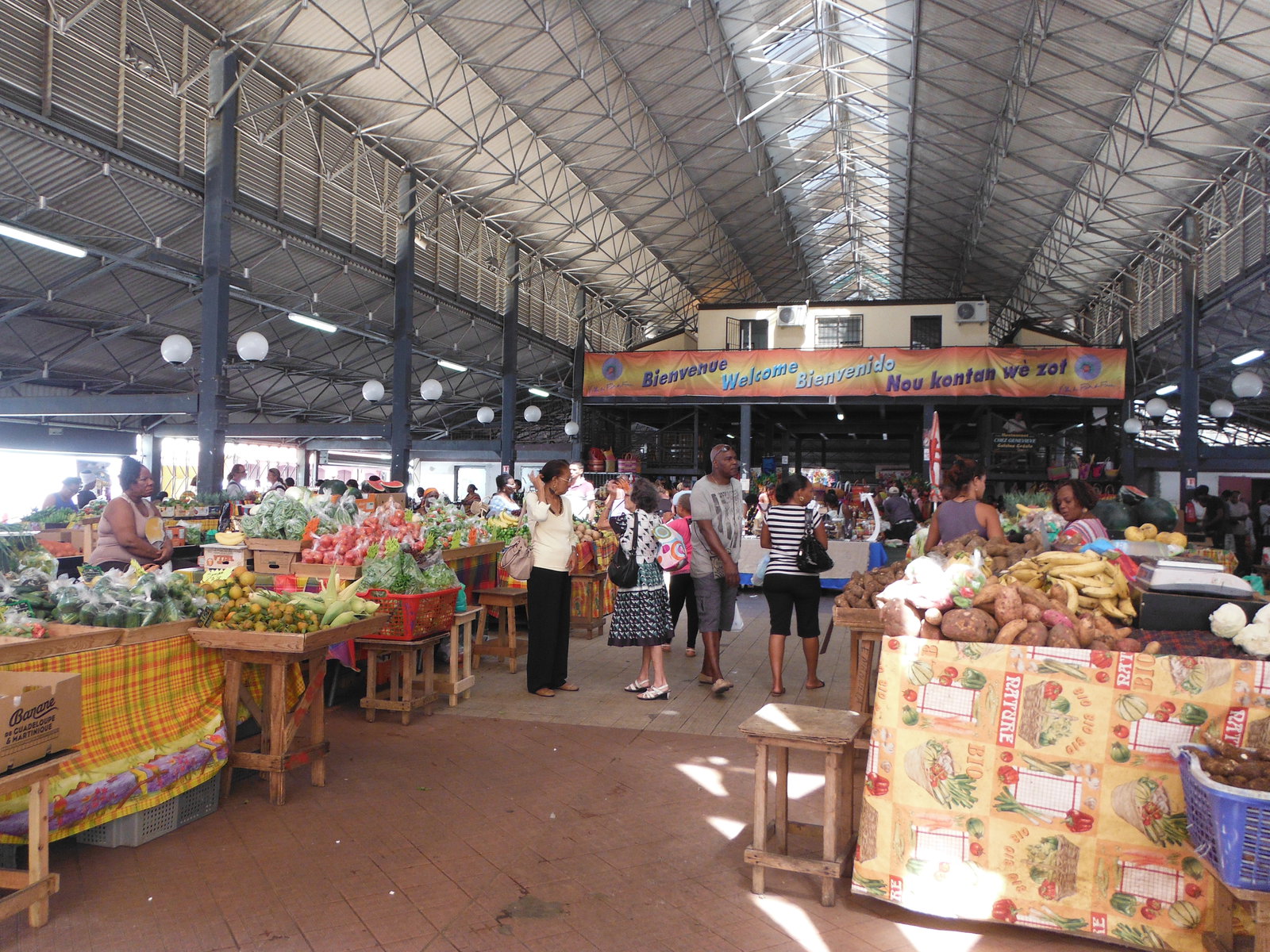
To experience a typical atmosphere in Fort-de-France, don’t miss the large covered market, one of the most dynamic markets in the Caribbean, where fruits, flowers and souvenirs are sold.
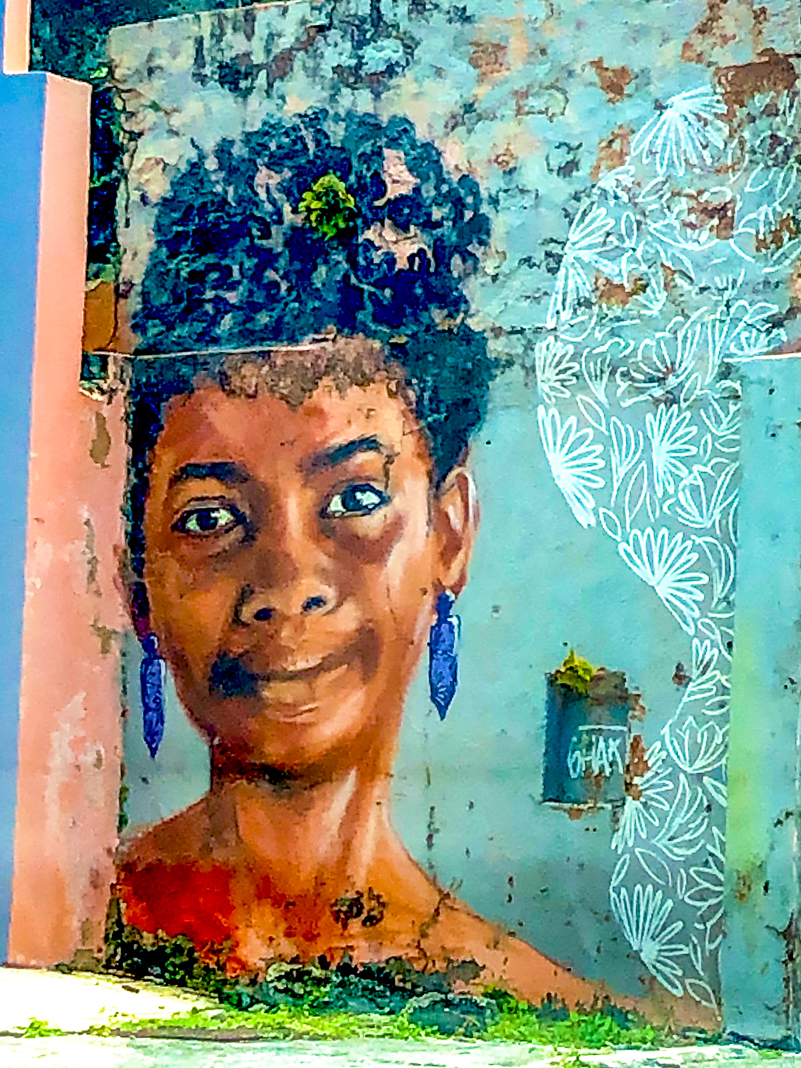
To take a cultural bath, take the time to admire the beautiful murals decorating the capital’s streets.
Fort-de-France has two ports of call. The two terminals at Pointe Simon and Les Tourelles are located within minutes of the city’s main attractions. On a day trip, take one of the ferries from the bay of Fort-de-France to the coastal town of Les Trois-Îlets for lunch at a seaside restaurant.
Great agricultural rums of world renown
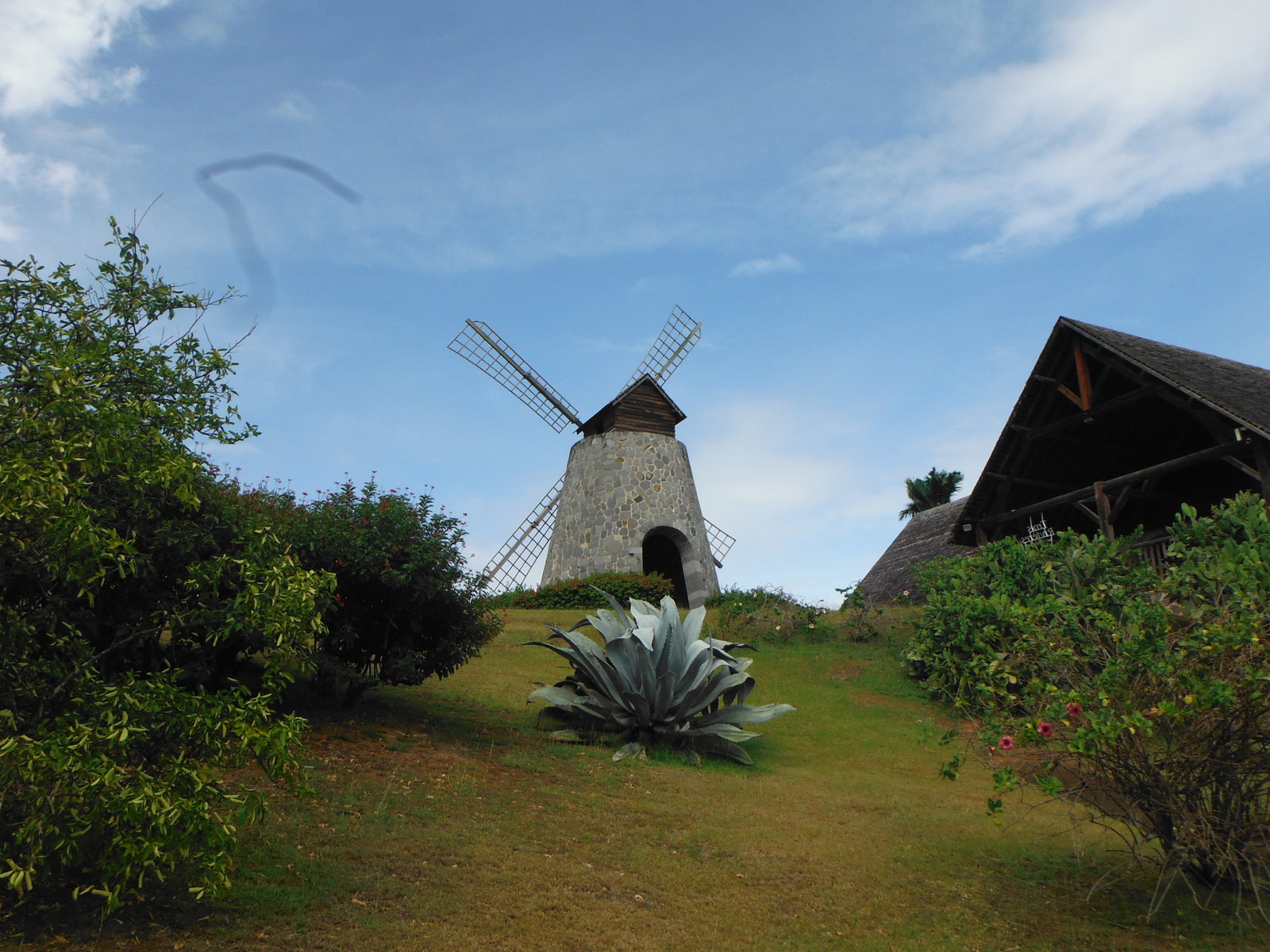
Did you know that Martinique is recognized as the rum capital of the world? Its agricultural rums benefit from the prestigious appellation of controlled origin (AOC). They stand out thanks to the unique production technique of rhum agricole: freshly pressed juice from locally grown sugar cane is fermented and distilled before being rested or aged in oak barrels.
To discover them, follow the Route des Grands Rhums which leads to the eleven distilleries of the island.
Meeting the people of Martinique
The Carnival is undoubtedly the most famous festival in Martinique. It’s a great opportunity to meet the local population. The festivities begin in January, with parades every weekend throughout the island. They end at the end of February or March with four days of parades, celebrations and shows: Dimanche Gras, Lundi Gras, Mardi gras and Mercredi des Cendres.
The month of May is also particularly festive since the Martiniqueans commemorate the eruption of Mount Pelee in 1902 as part of the Mai de Saint-Pierre. This event brings together a range of music, dance and theatre performances.
In the summer, the Tour des Yoles is a colorful competition not to be missed. Boats known as round skiffs participate in a race around the island, in front of thousands of spectators on the shore and on board the catamarans.
The guides to prepare your trip
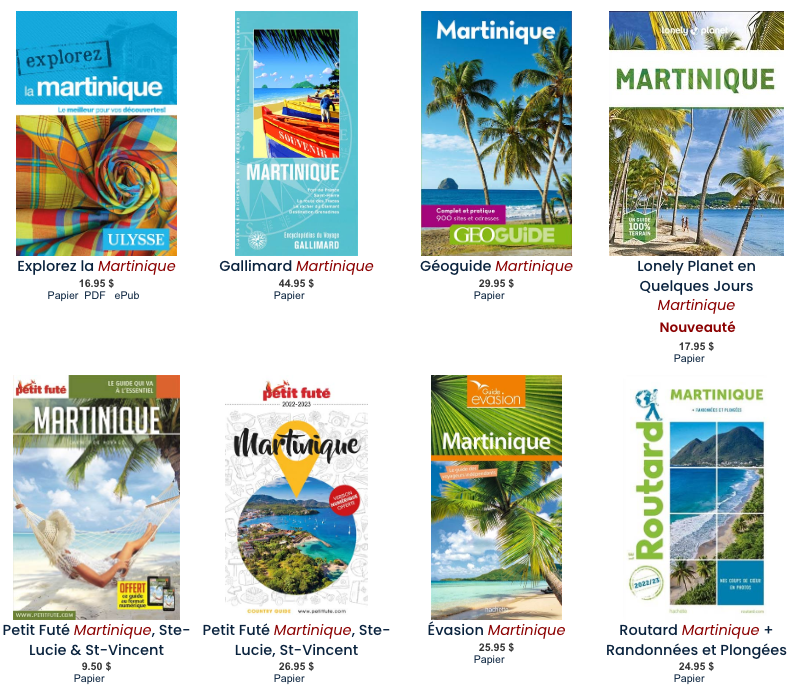
As you know, we love to share books from our partner, Ulysses Guides. And on Martinique, we can say that they offer a whole bunch! To order online or to download, take advantage of it and get inspired.
Go to Martinique with your points
To save money, here are a few tips for traveling to Martinique using points.
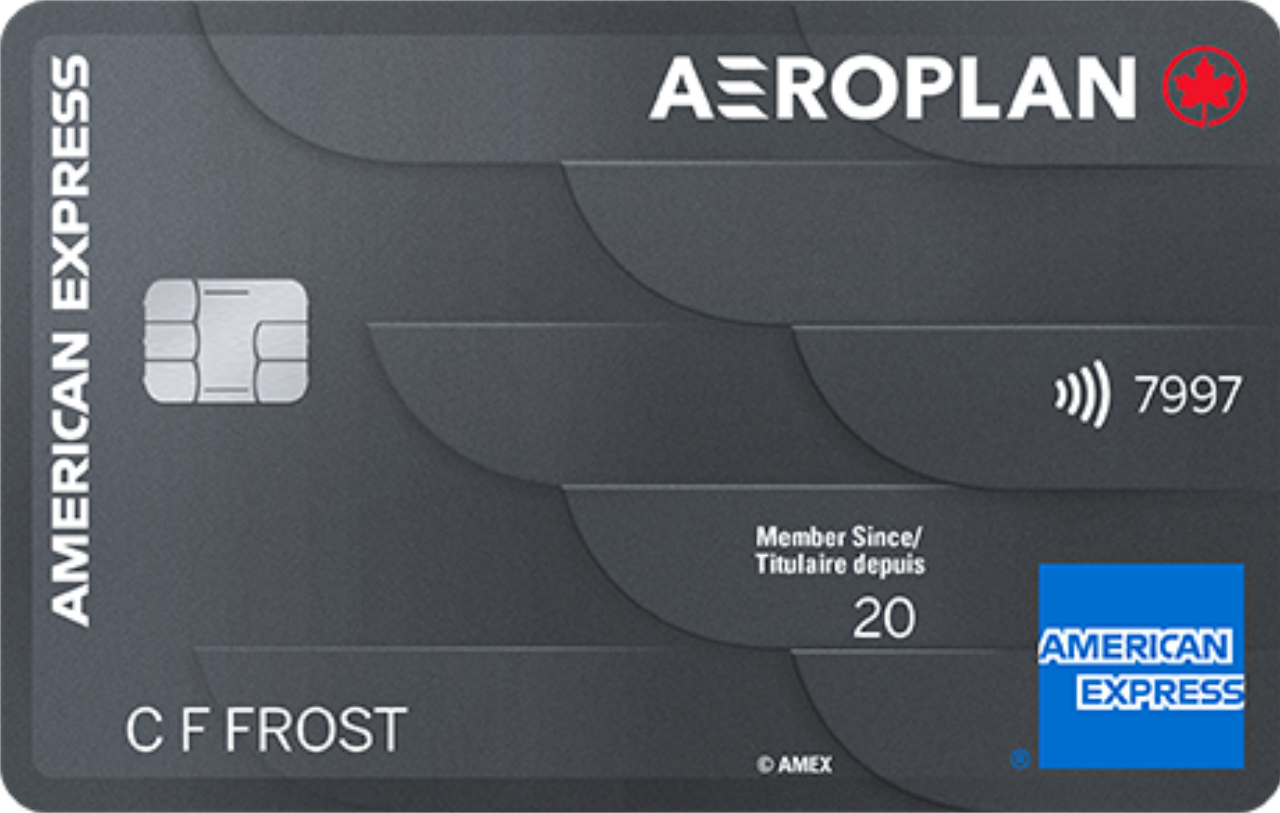
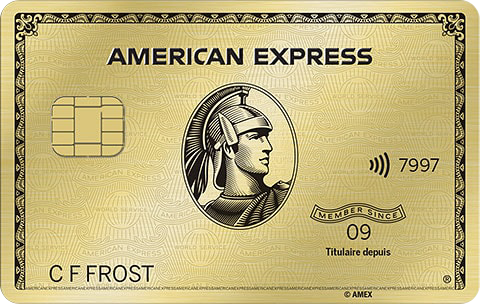
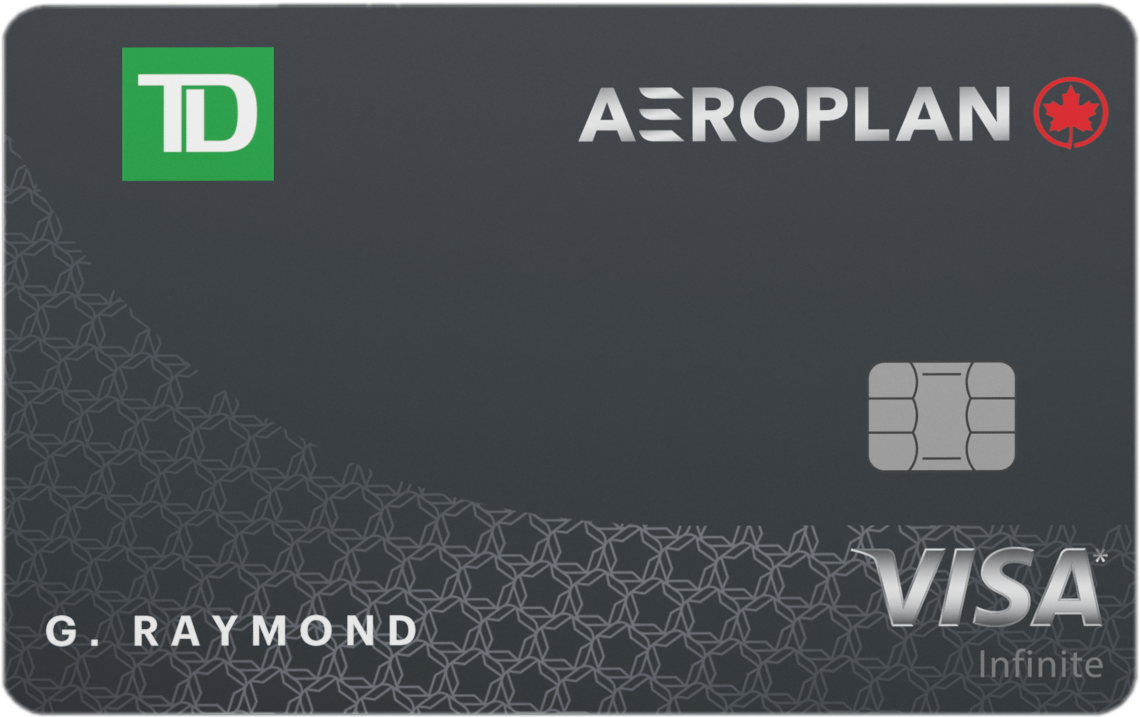
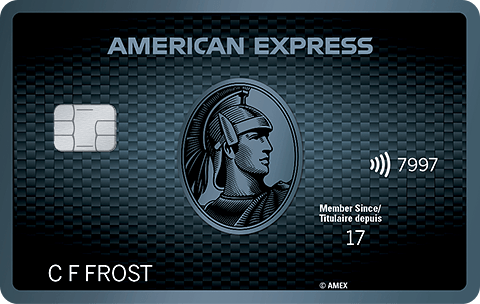
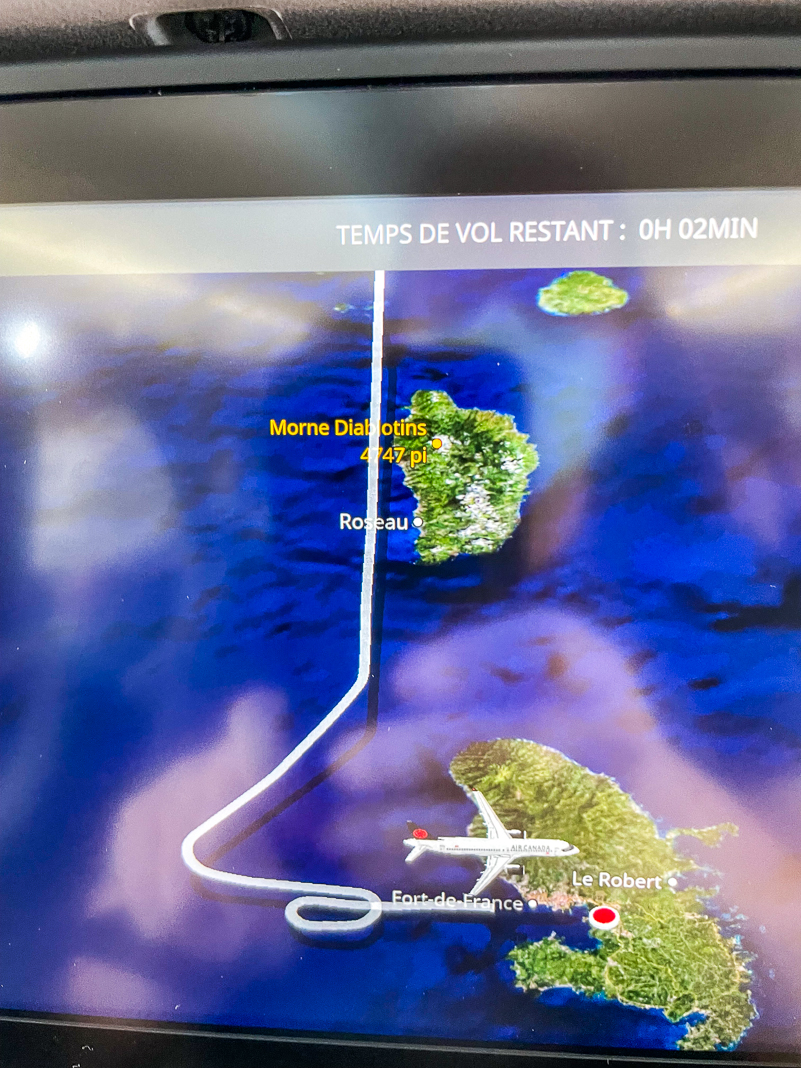
First, when you travel with Air Canada, which offers direct flights from Montreal to Fort-de-France, you can use your Aeroplan points. And to earn Aeroplan Points, here are several recommended credit cards:
| Credit card | Annual fee | Welcome offer | |
|---|---|---|---|
| $120 | |||
| $250 | |||
| $0 | |||
| $191.88 |
Where to stay in Martinique?
Martinique offers its visitors a vast choice of accommodation. You can book them through the booking.com platform. Here are some good addresses to look at. Again, your points can be used to save money, I take you back to our article on the booking.com loyalty program!
Club Med, hotels, aparthotels and all-inclusives
- Bakoua Hotel (four stars)
- Hotel La Batelière
- Diamant les bains
- Four-star hotel residence
- Hôtel Bambou (three stars)
- Club Med Les Boucaniers (four-trident)
- Domaine Saint-Aubin
- Residence Fort Savane
- Aparthotel (two stars)
- La Frégate Bleue
- Domaine de la Palmeraie
- Hôtel l’Impératrice (three stars)
- Karibéa Hotel
- La Valmenière
Hébergements insolites
- Le Domaine des Bulles
- L’Ilet-Oscar Guest House
- Le Hameau du Morne des Cadets
- Moon Sphair
Bungalow rental
- Antilles Exception
- Archipel Evasion
- Carefree Caribbean
- Locations Vue Turquoise
- Prestige Villa Rental
- Under the Tropics
- Villaveo
- Residence Les Cayalines
- Résid’Anses
- Le Village de la Pointe
- Cap Cabaret Kréol’lodge
An Airbnb rental with travel points
If you prefer a rental with Airbnb or VRBO, don’t forget that you can use travel points on your apartment or house rentals.
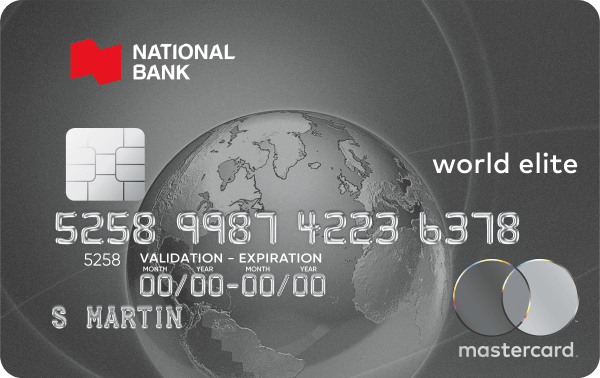
Here are the best cards to use in this case:
| Credit card | Annual fee | Welcome offer | |
|---|---|---|---|
| $0 | |||
| $150 | |||
| $150 | |||
| $191.88 |

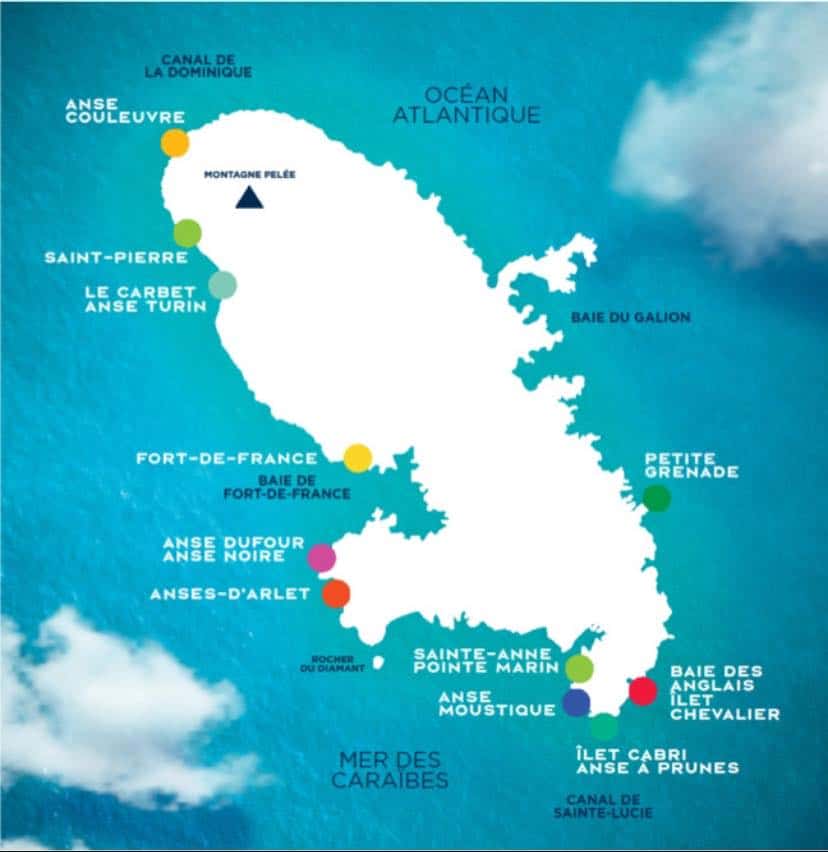
Map of the Caribbean island
Want to discover Martinique from the sea? The Comité martiniquais du tourisme (Martinique tourism board) has created an interactive map showing all the land-based facilities available from anchorages.
Bottom line
As you can see, the island of Martinique has many resources to help you have an excellent vacation. Let us know what you think on our Facebook group!
What do you need to know about Martinique?
- Martinique is a five-hour flight from Montreal
- The languages spoken by the population are mainly French and Creole. As for English and Spanish, they can be heard in resort areas.
- Martinique’s currency is the euro
- The electrical current is 220 volts. Visitors bringing hairdryers, electric shavers and other appliances designed for use in North America will need a power adapter.
- In restaurants, prices include a 15% service charge.
When is the best time to visit Martinique?
- The best time to visit Martinique is in winter, from December to April, during the dry season.
- The population enjoys warm weather all year round, with an average temperature of 26°C. The trade winds that blow across the island help keep it cool.
How to get around in Martinique?
- Local and international car rental companies (Avis, Budget, Europcar, Hertz, Alwego) are in Martinique. Cabs and car services are also available. In Fort-de-France, it’s easy to find a cab at the stations located near tourist attractions.
- For car rentals, if you pay via a site like Expedia, a card like the Scotiabank Passport™ Visa Infinite +* Card allows you to pay the rental bill with the bonus earned of 30,000 Scene+ points. It’s an attractive card abroad, because it doesn’t incur any currency conversion fees.

- Annual fee
- $150
- Our valuation
- $350Milesopedia first-year estimate First-year valueWelcome bonus$350Total$350Rewards on your spending are not included. The calculator that adds them from your own profile is on the card's page.
- Welcome offer
- Up to 35,000 points
Milesopedia first-year estimateFirst-year valueWelcome bonus$350Total$350Rewards on your spending are not included. The calculator that adds them from your own profile is on the card's page.
Ends Nov 1, 2026
on Scotiabank's website
What are the risks in Martinique?
- From June to November, the population of this island in the Lesser Antilles is exposed to the risk of hurricanes.
- Martinique, like Guadeloupe, is prone to strong earthquakes
- In the north of the island, Mount Pelée is considered an active volcano.
- According to the Government of Canada, the crime rate is low in Martinique. Petty crime is the biggest threat
Our featured card
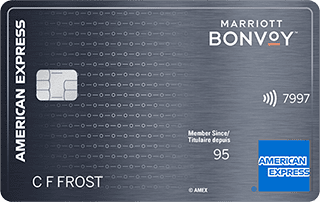

- Annual fee
- $120
- Our valuation
- $990Milesopedia first-year estimate First-year valueWelcome bonus$990Total$990Rewards on your spending are not included. The calculator that adds them from your own profile is on the card's page.
- Welcome offer
- Up to 110,000 points
Milesopedia first-year estimateFirst-year valueWelcome bonus$990Total$990Rewards on your spending are not included. The calculator that adds them from your own profile is on the card's page.
Ends Sep 22, 2026
on American Express's website
Apply with confidence — no impact on your credit scoreApply with confidenceCheck whether your application will be approved before you submit it, with no impact on your credit score*When you apply for a personal American Express Credit Card, we will tell you whether you are eligible without affecting your credit score. So you can apply with confidence.*Instant decisions are only available for consumer Card applications (also called “personal Cards”).
Our editorial integrity
Our reviews and rankings are based on an objective assessment. Advertisers do not influence our content. We may receive compensation through some links; our analysis and opinions remain independent.