

How to Have Internet While You Travel

When taking a trip abroad, the majority of us like to maintain good access to data and the internet to make our travels easier, safer, and more fun.
Conveniently, in terms of how to have internet while you travel in 2025, there’s a few different ways to stay connected:
You could sign up for an international phone plan or incur roaming fees through your regular phone provider. Or you could try relying on public WiFi networks like those found at hotels, coffee shops, and many chain restaurants. You could also plan to get a physical SIM card when you arrive at your destination, or even track down some of the remaining internet cafés to get your digital fix.
However, typically the best way to have internet while you travel in 2025 is by getting an eSIM from a reputable provider like Holafly — and you can even get yours with a discount using our code MILESOPEDIA.
How to Have Internet While You Travel
These days having internet while you travel is the norm, with a reliable connection improving all sorts of experiences.
Whether you need to catch up on emails while on the bus between cities, have access to helpful apps like Uber/Lyft, Google translate, and maps, or just make sure you don’t miss the next episode on Netflix, knowing how to stay connected while travelling is pretty much essential.
Given this, let’s dive into your best options for having internet while you travel.

eSIMs
Easily one of best ways to have internet while you travel in 2025 is to get an eSIM from a reputable vendor like Holafly.
As long as you have a compatible cellphone or device, you can use its preinstalled software to download and install a digital SIM (i.e., eSIM) before you leave for your next trip.
Holafly eSIMs are great for a number of reasons, but some of the most notable perks of this option are:
- Unlimited data (no need to worry about overages or losing connection when you need it most)
- No roaming charges (no surprise bill when you get back home)
- Available in 200+ destinations (including country-specific, region-specific, and global data eSIMs!)
- Personalized day-based plans
- 24/7 real-person, multilingual customer support
- Easy to install, activate, and access
- No tiny physical SIM card to misplace
- Available on most eSIM compatible smartphones, tablets, and smartwatches
In addition to Holafly, there are other popular eSIM vendors like Saily and Airalo that also offer eSIMs for destinations around the world, including regional and global data plans.
However, the fact that Holafly offers unlimited data in so many destinations and has a subscription option to keep you confidently connected on your longer adventures abroad really makes this option stand out from the rest.
To help you choose the best eSIM for your next trip, we’ve fully reviewed and compared these top 3 vendors, so check out our articles below to get all the information:
As you can see from the list of perks, regardless of whether you’re road-tripping across the US, taking in the diverse foods and cultures of Mexico, backpacking across Europe, or exploring pretty much any other part of the world, an eSIM from Holafly will help make sure you stay connected on your journey!
eSIM vs. physical SIM cards
Another popular way to have internet while you travel is to get a physical SIM card when you arrive at your destination.
Depending on where you’re travelling to, you may be able to purchase and install a physical SIM card at the airport or train station, and you may find that this option is actually pretty affordable.
Given this, you’re probably wonder why you would want to choose an eSIM instead of a physical SIM. To help make sense of this, we’ve put together a little chart:
| eSIM | Physical SIM card |
|---|---|
|
|
|
|
|
|
|
|
|
|
|
|

Other Ways to Have Internet When You Travel
Beyond eSIMs and physical SIM cards, there are few other ways to have internet while you travel.
These include:
International phone plan
Depending on where you’re headed, you may be able to have internet while you travel just by using your regular SIM from home and its data package.
Many cell phone providers offer international travel plans like Bell’s Roam Better and Rogers Roam Like Home.
With these plans, you usually pay a set fee while you’re travelling (typically costs around $15/day), or you can purchase a « travel pass » from your provider that covers you for a predetermined number of days in a specific destination.
The main benefit of this connectivity option is that it’s easy to set up (simply sign up with your provider), and it will work automatically when you begin your trip since it just uses the same data plan that you have set up at home.
However, this option will almost certainly cost you more than an eSIM, so although it’s easy, it’s not the best choice if you’re looking to stretch your travel budget.
Roaming
When you head out for a trip abroad, and you’re planning to use the internet it’s important to be aware of how to avoid roaming charges.
If you use your phone’s data while travelling outside of the country, but you haven’t either signed up for an international phone plan through your home provider or purchased and installed an eSIM or SIM card, you’ll be charged roaming fees.
Roaming fees are typically VERY expensive (we’ve heard of fees as high as $15/MB of data used!), so to avoid these charges, you’ll want to make sure to turn off the data roaming options/turn on airplane mode, sign up for an international travel plan, or choose an destination-specific eSIM/SIM card.
Given the insane costs of roaming, this option is never recommended unless it’s an absolute emergency.

Public WiFi
While touring around, another way to have internet while you travel is to use the free public WiFi networks that can be found at airports, train stations, coffee shops, restaurants, and sometimes even in public parks and squares.
The positive side of this option is that it’s free, and depending where you’re travelling, these networks can be fairly easy to find.
However, by relying exclusively on public WiFi networks, you’ll constantly need to seek out places that offer this service, and you won’t be able to properly use a number of helpful data-based apps like maps, Google translate, or Uber/Lyft.
Additionally, public WiFi networks are unsecured data networks, which means that your information is not particularly safe. For example, when using these networks, it’s not recommended to download files or access secured information like banking.
Given this, public WiFi networks are mostly only good to bolster your already-in-place data plan, and if you are going to use them, we recommend signing up for a good VPN to help keep your data safe.
Internet Cafés
One final option for having internet while you travel that’s become less common but can still be found in many countries is internet cafés.
A couple decades ago, before smartphones were so common, internet cafés were a popular way to check bookings, do travel research, explore maps, and keep in touch through email and blogs.
In the present day, now that most of us have tiny computers in our pockets 24/7, many internet cafés have closed, especially in North America and Europe. However, these resources of connectivity still exist in some form in most places, and in fact, remain quite popular in places like South Korea, Japan, and other parts of Asia (albeit mostly for long hours of e-gaming).
Bottom Line
Having reliable data on your mobile device is a great way to keep track of reservations, navigate your surroundings, and discover incredible new experiences.
We hope that our guide on how to access the internet while you travel has helped you decide between the different ways to stay connected, whether it’s with an eSIM, a physical SIM card, an international travel plan, or one of the other options we’ve shared.
And if you’re ready to choose an eSIM from Holafly for your next trip, don’t forget to use our code MILESOPEDIA for a discount!
FAQs
What’s the best way to have internet while travelling?
The best way to have internet while travelling is to either:
- get an eSIM from a reputable vendor like Holafly
- get a physical SIM card when you arrive at your destination
- sign up for an international travel plan with your home service provider
Can I get a discount for an eSIM?
Yes! You can use our code MILESOPEDIA to get a 5% discount on your Holafly eSIM.
What is a VPN?
A VPN (which stands for Virtual Private Network) is a service that you can purchase to keep your data secure and to protect your internet connection.
Using a VPN lets you browse the internet with privacy so that you can safely access your favourite websites without being tracked and without fear of being hacked.
Do I need a VPN?
Getting a VPN is a great idea if you want to keep your data private and secure. It is especially important if you’re planning to use unsecured public WiFi networks that can put your information at risk.
Our featured card
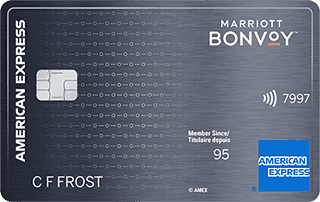

- Annual fee
- $120
- Our valuation
- $990Milesopedia first-year estimate First-year valueWelcome bonus$990Total$990Rewards on your spending are not included. The calculator that adds them from your own profile is on the card's page.
- Milesopedia first-year estimateFirst-year valueWelcome bonus$990Total$990Rewards on your spending are not included. The calculator that adds them from your own profile is on the card's page.
- Welcome offer
- Up to 110,000 points
- Ends Sep 22, 2026
on American Express's website
Apply with confidence — no impact on your credit scoreApply with confidenceCheck whether your application will be approved before you submit it, with no impact on your credit score*When you apply for a personal American Express Credit Card, we will tell you whether you are eligible without affecting your credit score. So you can apply with confidence.*Instant decisions are only available for consumer Card applications (also called “personal Cards”).
Our editorial integrity
Our reviews and rankings are based on an objective assessment. Advertisers do not influence our content. We may receive compensation through some links; our analysis and opinions remain independent.