

Managing an SME involves choosing tools for accounting, payroll, human resources, and taxes. On this page, we bring together our reviews of these tools, with real prices, limitations encountered, and the business profile for which each solution is suitable.
We add an angle that few comparisons address: how to pay for these recurring subscriptions with a business credit card to recover part of the cost in points or cash back.
Accounting and Bookkeeping
For bookkeeping, the majority of Canadian SMEs choose between QuickBooks and a few lighter alternatives. Here are our detailed reviews.
HR and Payroll
HR software centralizes employee files, leaves, and payroll. Here are our reviews, including cases where the payroll module is added to existing accounting software.
Taxes
Filing a tax return for an SME or a self-employed worker requires certified software. Here are our reviews of the options available in Canada.
Cash Flow and Expense Management
Beyond software, a business credit card remains the simplest tool for separating professional expenses and tracking daily cash flow.
Paying for your tools intelligently
Your software subscriptions form a recurring and predictable expense. This is exactly the type of bill to put on a business credit card that accumulates points or cash back.
Let’s take a concrete example. An SME that pays $3,500 per year for accounting, HR, and payroll software recovers about $70 with a 2% cash back card, without any extra effort. The calculation becomes more interesting with a points card, depending on the chosen program.
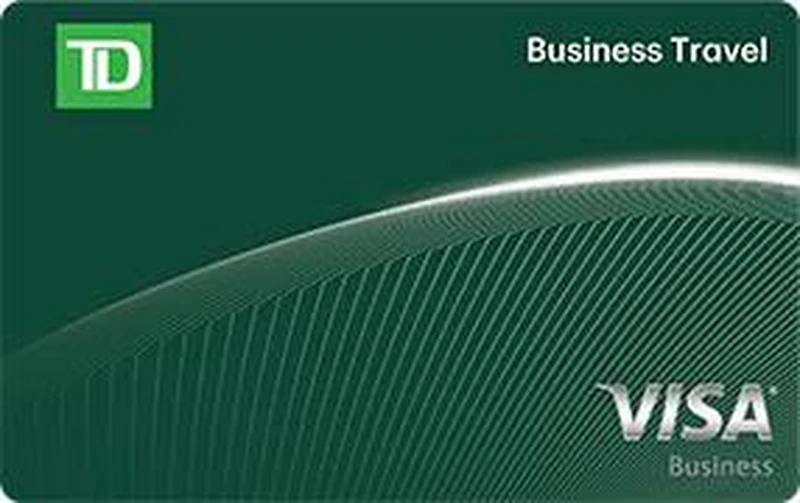
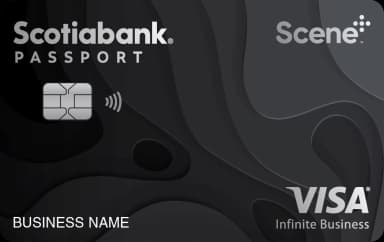
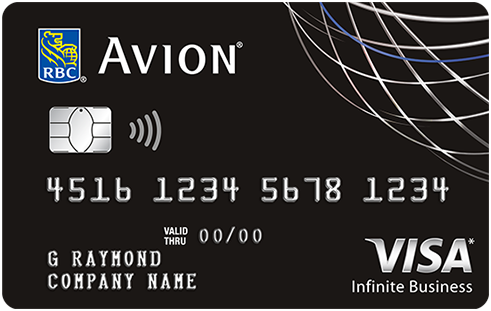
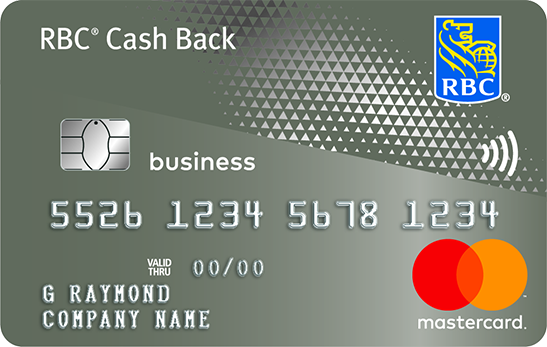
Choosing the right business card
Business cards almost never require a minimum personal income: approval is based on the business, not on your finances. This is a game-changer for a startup SME or a self-employed worker with variable income.
Three criteria separate two cards that seem equivalent on paper.
- Travel points or cash back: points are worth more if you travel for business; cash back simplifies accounting if that is not the case
- Foreign transaction fees: several tools bill in US dollars; a card with no foreign transaction fees avoids the usual 2.5% on each transaction
- Welcome bonus: often more generous on a business card than on its personal equivalent
| Credit card | Annual fee | Welcome offer | |
|---|---|---|---|
| $0 | |||
| $199 | |||
| $0 | |||
| $0 |
Coming soon
This page is updated as we add new reviews.
To receive our upcoming reviews on business tools, sign up for our newsletter.
SME Tools – Frequently Asked Questions
Which tools does Milesopedia recommend for SME accounting?
We have published reviews on QuickBooks Online and the main alternatives for self-employed workers. The choice depends mainly on your transaction volume and your monthly budget.
How to choose HR software for a small business?
Most HR software targets companies with 15 or more employees. Below this threshold, the fixed cost per employee and implementation fees often make the calculation tight.
Are these reviews independent despite the affiliation?
Yes. We use several of these tools for our own management and we report the limitations encountered as they are, even when an affiliate agreement exists with the company.
Can I pay for my software subscriptions with a business credit card?
Yes. A software subscription is a recurring expense, so a business credit card allows you to recover part of it in points or cash back.
How often is this page updated?
We add a review as soon as it is ready, rather than on a fixed schedule. Check the update date at the top of the page for its most recent status.
Which tools will be added soon?
Our reviews of Folks, a Quebec-based HR and payroll software, are coming first. Invoicing, electronic signature, and project management tools will follow.