Newcomers to Canada: What to Set Up in Your First Month

Loading article…
In your first month in Canada, three financial tasks matter most: opening a bank account, getting a first credit card to start your credit history, and understanding your tax obligations. Several banks offer newcomer packages, and many include a card that doesn’t require a Canadian credit history.
In addition to immigration paperwork, getting set up in the healthcare system, getting a phone number, and looking for a job, you'll also definitely need to get a couple things done to set up your Canadian finances.
In this article, we’ll go over the financial side of what to do in the first month when you arrive in Canada – namely, setting up a bank account and a credit card – and we’ll go over key related information such as building a credit history, joining rewards programs, and getting to know your tax requirements and obligations.
Arriving in Canada is an exciting milestone, and your first month will hopefully be filled with wonderful new experiences as you get to know your new home and community.
Of course, in moving to a new country, there’s also going to be lots of logistical tasks that you'll have to do to set up your life and get comfortable.
For most newcomers to Canada, key requirements usually include many of the following things:
In addition to the above, you may also want to coordinate with a settlement service to help access language programs and other newcomer programs that can make your first months and years in the country less stressful and more enjoyable.
Depending on where you’re moving from, you may also need to prepare for the cold and snow of Canadian winters with a warm coat and boots. This way, with the right gear, you’ll be ready to head out for some skating or sledding when the season comes.
For this article, we're going to focus on the last two items on the above "to-do" list to help you feel confident when you go to set up a Canadian bank account and a credit card. We'll also share some tips for using these tools to be financially successful in Canada. So let's get started!
On the financial side of getting set up in Canada, one of the first things you’ll want to do is set up a bank account. This is because having a bank account is important for the following reasons:
In Canada, there are many banks to choose from and a number of them offer packages specifically for newcomers to Canada. These packages can be a great choice since they often provide incentives for joining, frequently waive fees, and may also include access to a credit card.
To open a bank account, you can go to a bank branch in person, or you can apply online. The best option for you will depend on your specific circumstances and will change depending on which bank you choose and whether you're already in Canada or arriving soon.
To help you navigate these choices, it can be a good idea to make an appointment at a bank branch near you or over the phone to talk with a bank representative about which option is best for your situation. Note that you can always make multiple appointments to compare products.
As you think about what bank to join, you'll want to consider which brand you prefer based on the products it offers, the fees it charges, and the bonuses/features that it offers newcomers, new clients, or clients in general.
There are many things to consider when choosing your first bank, including:
Now, we can appreciate that this seems like a lot of things to weigh before getting an account, but conveniently many banks have put together offers and packages specifically for individuals who are new to Canada.
Many banks in Canada offer special packages or welcome offers to attract new customers like you and support you through your first years in the country.
These offers/packages may include things like:
Check the table below to see which banks offer newcomer packages and offers:
| Bank | Newcomer bank account offer or package | Digital-only bank? |
|---|---|---|
| BMO | Yes; BMO NewStart Program | No |
| CIBC | Yes; CIBC Smart Account for Newcomers | No |
| National Bank | Yes; Bank account for newcomers to Canada | No |
| RBC | Yes; RBC Newcomer Advantage | No |
| Scotiabank | Yes; Scotiabank StartRight Program | No |
| TD | Yes; TD New to Canada Banking Package | No |
| Tangerine | No | Yes |
| EQ Bank | No | Yes |
For the details of each offer, see the official pages: BMO NewStart Program, CIBC Smart Account for Newcomers, RBC Newcomer Advantage, Scotiabank StartRight Program and TD New to Canada Banking Package.
We’ve also written many guides to each of these banks and their financial products, and these will be a great resource in helping you choose a bank and bank account.
Once you've started to figure out which bank you might want to get an account with, it's time to also consider whether or not you'd like to get a credit card. Although we've titled this as "Step 2," it can also be seen as part of Step 1 since an appropriate credit card may be offered alongside your bank account of choice.
Getting a credit card early in your Canadian financial journey is beneficial for two key reasons:
For your first credit card in Canada, there's a good chance that the best/easiest option will be to choose a credit card from the same bank you choose for your first bank account.
This is because usually getting a credit card in Canada requires that you meet eligibility criteria like being the age of majority, living in Canada, meeting a minimum income requirement, and having a sufficient Canadian credit history.
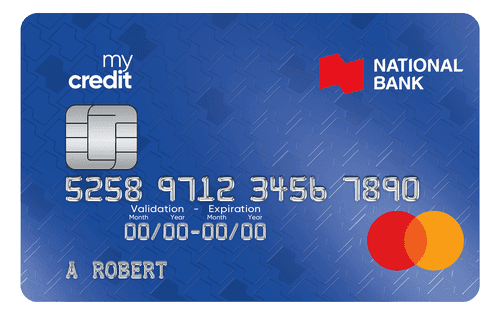
However, as a new resident of Canada, you’ll almost certainly need to choose a credit card that doesn’t require a credit history (since you won't have one yet). Luckily many of the newcomer offers available through Canada's banks provide an option for exactly this situation.
We've written a great guide to the best credit cards for newcomers, many of which are part of the newcomer packages, so check that out for more details.
In preparation for choosing your first credit card, here are a few key things to consider:
As you peruse the many Canadian credit cards on the market, you may find the options a bit overwhelming, and your eligibility may differ depending on your immigration status; however, regardless of whether you’re a permanent resident, an international student, or a foreign worker, it should be possible to find a credit card for your circumstances.
One of the most important reasons to get yourself set up with a Canadian bank account and credit card earlier rather than later is to start building your credit history.
Your credit history is the record of how you have borrowed and repaid money in Canada. Two credit bureaus, Equifax Canada and TransUnion Canada, keep that record, and lenders report to them every month. These reports include information like whether your credit card payment arrived on time, how much of your limit you used, and how long each account has been open. From that history, each bureau calculates a credit score between 300 and 900. A higher number tells a lender you are a lower risk.
This score is used for many important financial dealings: It's used for credit card application approvals, landlords often ask for it before approving a rental application, car dealers use it to set financing rates, and mortgage lenders weigh it heavily when you buy a home.
To learn more, we recommend that you explore our guide to what counts as a good credit score in Canada, which explains where the thresholds fall, and to how the score is calculated, which breaks down what each factor is worth.
Unfortunately, even if you have a perfect repayment record in your home country, your credit history does not travel with you, so you start at zero when you arrive in Canada. Some banks may check your credit report from another country to support your application, but this does not create a Canadian credit score. This is one of the reasons why it can be helpful to get your first credit card through a bank's newcomer program, which approves you based on your immigration status and income, and doesn't require you to have a Canadian credit history.
Once you've got your new credit card in your wallet, a few good habits will be your ticket to a strong credit score and history:
The good news: according to Equifax Canada, most people get a first score after about three months of using credit, and it strengthens as your history grows.
As a bonus task for you to think about during your first month in Canada (as if you weren't busy enough!), we thought we'd introduce you to loyalty programs in Canada since they can provide tremendous value.
In Canada, you’ll find loyalty programs attached to credit cards, bank accounts, and many popular retailers, gas stations, and groceries. It’s very common in Canada for people to collect points for multiple programs since these points can typically be exchanged for savings on groceries, retail items, travel, and more.
In fact, if you've already got a credit card or you've been out shopping in your new city, it's very possible that you already have a membership to at least one loyalty program.
Whether you've already signed up for some memberships or not, as you explore your new neighbourhood in Canada, you’ll probably see signs advertising many of these programs, like Scene+, moi, and PC Optimum at grocery stores and pharmacies, Triangle Rewards at Canadian Tire, and bank programs like TD Rewards, BMO Rewards, and National Bank À la carte Rewards.
Although joining loyalty programs is not something that needs to be a priority, it can be a valuable add-on worth exploring. Pretty much all loyalty programs are free to join, with some requiring you to simply sign up online and others requiring that you have an associated branded credit card.
We’ve written tons of guides about each of the rewards programs available through Canadian banks and credit cards, as well as programs that can be joined without having a related financial product, so you can explore those at your leisure.
For now, to give you an idea of what programs are available and how you can participate, we’ve put together this table of popular Canadian rewards programs that are available through:
| Loyalty program | Loyalty currency | Available with | Best use |
|---|---|---|---|
| Aeroplan | Aeroplan points | CIBC, TD, and American Express | Travel with Air Canada and Star Alliance partner airlines |
| Scene+ | Scene+ points | Scotiabank | Groceries at Sobeys and Safeway, travel, and Cineplex movies |
| RBC Avion Rewards | Avion points | RBC | Flight rewards and transfers to airline partners |
| TD Rewards | TD Rewards points | TD | Travel booked through Expedia for TD |
| BMO Rewards | BMO Rewards points | BMO | Travel bookings and statement credits on past purchases |
| CIBC Aventura | Aventura points | CIBC | Flights and travel booked through the CIBC Rewards Centre |
| Amex Membership Rewards | Membership Rewards points | American Express | Transfers to airline and hotel partners for premium travel |
| National Bank À la carte Rewards | À la carte points | National Bank | Travel, merchandise, and statement credits |
| Marriott Bonvoy | Bonvoy points | American Express | Free nights at Marriott hotels worldwide |
| WestJet Rewards | WestJet points | RBC | WestJet flights and vacation packages |
| VIPorter | VIPorter points | BMO | Porter Airlines flights within Canada and to the United States |
| PC Optimum | PC Optimum points | PC Financial | Groceries at Loblaws banners and purchases at Shoppers Drug Mart |
| Triangle Rewards | Canadian Tire Money | Canadian Tire Bank | Purchases at Canadian Tire, Sport Chek, and Mark's |
| BONUSDOLLARS | BONUSDOLLARS | Desjardins | Statement credits, travel, and Desjardins financial products |
The final step in this guide is also a bit of a bonus step since it's more about "learning" than "doing."
While learning about the Canadian tax system is not something that you have to do during your first month in the country, having a basic understanding will go a long way towards making you feel comfortable and confident around your pay cheque deductions and preparing for tax season in the spring of every year.
Each year, you file an income tax return with the Canada Revenue Agency (CRA), usually by April 30 of the following year. In Quebec, you also file a provincial return with Revenu Québec. Your return reconciles the income tax and federal/provincial/territorial taxes that you’ve paid against what you owe for the year.
Becoming familiar with the Canadian and provincial/territorial tax system can be particularly important if you have financial assets or a source of income located outside of Canada.
Additionally, you may qualify for government benefits or tax credits that are determined based on your income, family circumstances, and immigration status. You can also apply for some benefits before you file your first return, including the Canada Groceries and Essentials Benefit (form RC151) and, if you have children, the Canada child benefit (form RC66). To keep receiving them, you then need to file a tax return every year.
Your first month in Canada is sure to fill up fast with appointments, paperwork, and bureaucracy as you put your new life in order. Hopefully this article has helped you feel more comfortable with building your financial foundation in your new home, and we wish you all the best with all the new adventures to come. To keep your steps and offers in one place, create your free member account.