Loading article…
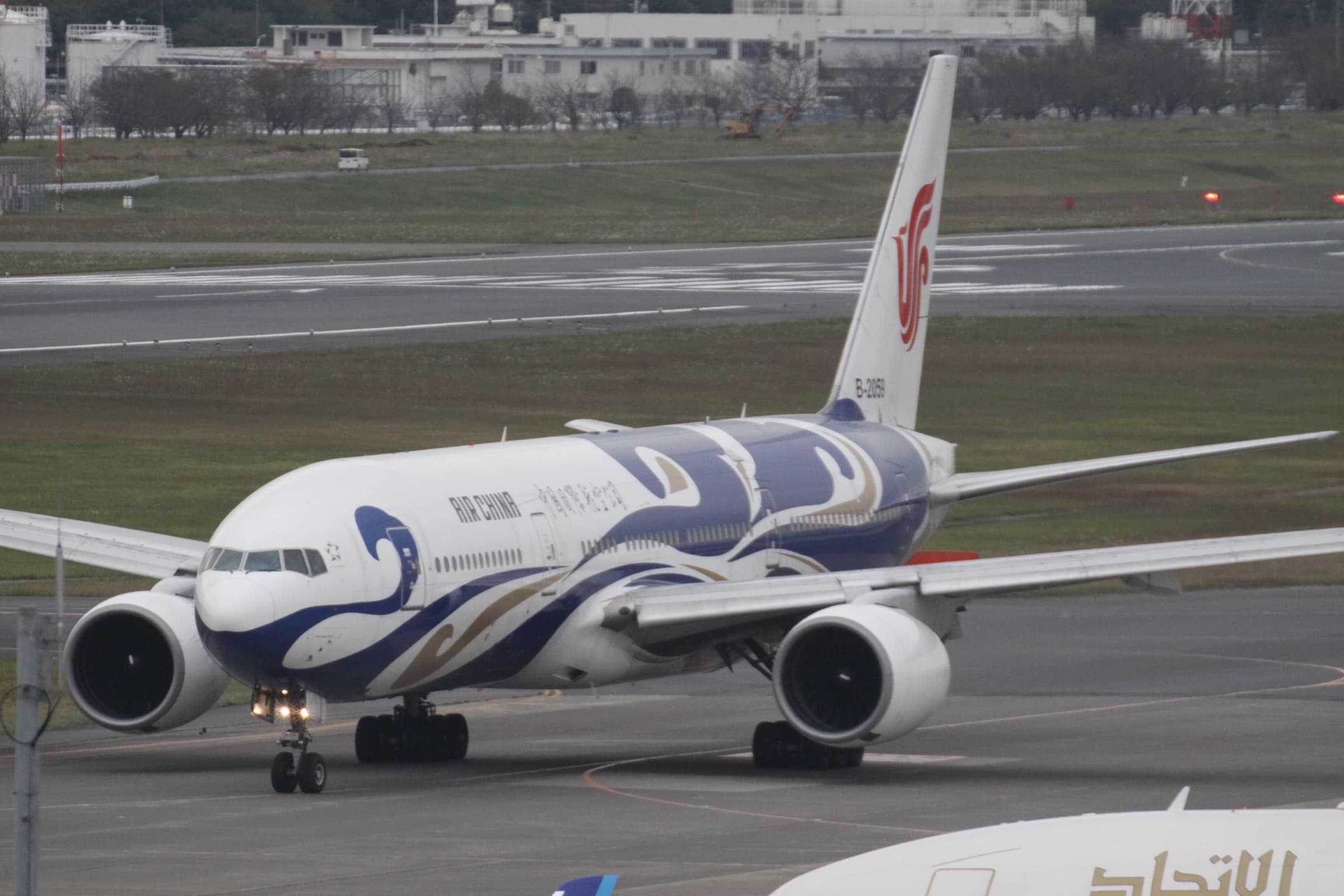
Air China connects Vancouver with Beijing and participates in Star Alliance. PhoenixMiles is separate from Aeroplan, which also lets members search for eligible Air China flights using points. YVR and PEK identify the Canadian route discussed in this guide.
Air China from Vancouver
Air China’s Canada travel information refers to its Beijing–Vancouver flights. Use the airline’s booking engine for your dates and direction of travel. Frequencies and aircraft can change; a flight number in an older review is not enough to plan a current booking.
Air China and China Airlines are different airlines. Read the carrier name and the operating-airline statement in the reservation. Our China Airlines guide concerns Vancouver–Taipei, while this article covers Air China and Beijing.
Prepare for Vancouver with our YVR lounge guide. Identify the departure zone and check admission conditions. A credit card or status can admit you to selected lounges without providing access to every lounge in the airport.
PEK, PKX, and Beijing connections
PEK is Beijing Capital. PKX is Beijing Daxing, a different airport. For onward travel, check both the arrival and next departure codes instead of relying solely on the city name.
Changing airports requires arranging ground transport and checking the formalities for your actual travel documents. Do not treat that journey as a simple walk between boarding gates. Allow for any bag collection and the next flight’s check-in deadline when assessing the available time.
With separate tickets, ask where luggage must be collected and whether it can be tagged to the final destination. Having Air China on both reservations does not establish that they form a single linked ticket.
Cabin and seat on the selected departure
Look at the cabin offered on each sector. Economy, Premium Economy, and Business describe different products, but availability depends on the flight. A general fleet presentation does not establish that every cabin is sold on your chosen departure.
Open the cabin plan before paying for seat selection. Check the row position, aisle arrangement, and seating for companions. Business on the long-haul flight does not guarantee the same layout on a domestic connection.
Our older Beijing–Montréal review and Montréal–Beijing review describe dated journeys. They provide context for those trips, without confirming current Montréal service or the seat on another aircraft.
Fare family and the cost of a change
Air China describes Economy fare brands with different conditions. Standard, Flex, Comfort, and Latitude should not be treated as different cabins. Refund restrictions, fees, and baggage need to be read in the actual fare offered.
Record the outbound and return rules before confirming. A permitted change may still involve a fare difference. If seats or bags were purchased separately, check how those services are handled when changing the flight.
For a family, calculate the amount for everyone. A more flexible fare multiplied across several tickets is useful only if its terms match the need. Conversely, a cheaper fare incompatible with a likely return change can create additional spending.
Checked baggage and Economy fares
Air China’s piece-system baggage conditions distinguish the cabin, route, and ticket conditions. Do not assume one universal Economy allowance: read the piece count in the selected fare and issued ticket.
The general rules describe two 32 kg pieces in First or Business and two 23 kg pieces in Premium Economy on the relevant routes. Economy fare families and itineraries may change the allowance. Standard cases must also meet the carrier’s dimensions limit.
If Air Canada or another airline is involved, read the conditions for the complete ticket. The allowance for a standalone Air China booking does not automatically apply to every combined reservation. With separate tickets, check the count, weight, and bag-recheck arrangements for each.
Cabin bags and specific services
- Air China unchecked-baggage rules, section 6.3: one 5 kg piece in Economy and Premium Economy.
- Business and First: two pieces of 8 kg each.
- Maximum dimensions per piece: 55 × 40 × 20 cm, including wheels and handles.
- One personal item that fits under the seat in front is also allowed.
Read the selected flight’s cabin-bag conditions before arriving with a rigid suitcase. Limits must work for every sector, especially if aircraft types change. Space on a long-haul aircraft does not guarantee the same storage on another flight.
Keep reservation documents accessible if a bag must be checked at departure. Sports equipment, instruments, and other unusual items may require separate acceptance. Confirm that service before booking a journey that depends on carrying the item.
Review services needed by everyone travelling. Assistance or particular seating requirements should be arranged with the airline before departure, rather than assuming a seat purchase fulfils every part of the request.
Earning with PhoenixMiles or Aeroplan
PhoenixMiles is Air China’s program. Aeroplan is a separate program. Crediting an eligible flight to one does not automatically move an existing balance from the other.
Air Canada lists Air China as a partner. For earning, check the booking class, operating carrier, and ticket issuer. Aeroplan’s rules for travel from 2026 distinguish tickets beginning with 014 from those issued by other airlines.
Do not calculate earnings from Vancouver–Beijing distance alone. Identify the ticket number and fare class first, then use the chosen program’s earning chart. Keep travel documents until the activity has posted.
Searching for an Air China award
For Aeroplan, search in points using the airports, dates, and cabins required. Check each sector’s operator and the available seats for the entire group. Inventory released to a partner program can differ from seats still offered for money.
An award includes points and applicable additional payments. Aeroplan’s flight-reward policy lists a CAD39 partner booking fee per ticket for relevant rewards. Read the final total and change rules before issuance.
For PhoenixMiles, use its account and booking tools to check eligible rewards. An Aeroplan estimate is not a PhoenixMiles award chart. Read availability, the balance unit, and conditions in the program actually issuing the ticket.
Canadian points: transfer or travel credit
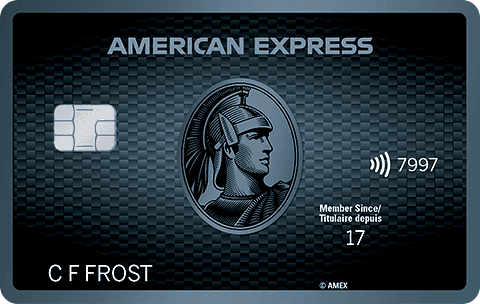
The Canadian American Express transfer directory includes Aeroplan. Membership Rewards from the American Express Cobalt® Card can follow that route under the transfer conditions. Search for the seat before sending points; this is not a transfer to PhoenixMiles.
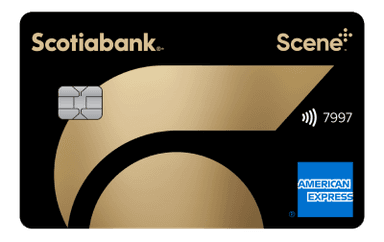
Another approach is a paid booking reduced with an eligible Scene+ points credit, including points earned with the Scotiabank Gold American Express Card. It reduces eligible spending without requiring Air China reward inventory.
| Credit card | Annual fee | Welcome offer | |
|---|---|---|---|
| $191.88 | |||
| $120 |

Our points-or-cash calculator helps assess those methods for the same itinerary. The best credit cards guide presents card fees and programs. Include bags, connections, and required payments for everyone travelling.
Worked example: two travellers connecting in Beijing
Start by recording every airport code on the two-person itinerary. If arrival and onward departure both show PEK, check the planned transfer between those flights. If one shows PEK and the other PKX, add ground transport and the applicable formalities to the plan. These are different journeys and should not receive the same assumed connection time.
For an Aeroplan reward, search two seats in the intended cabin across every sector. One Business seat on Vancouver–Beijing does not establish that both people can reserve that cabin. If an offer mixes Economy and Business, identify the cabin on the Pacific crossing before treating the result as a Business itinerary.
Then price the equivalent paid option: identical dates, baggage needs, and travellers. Partner booking fees are assessed per ticket where the policy applies. A quote for one person must therefore be converted into a party total rather than copied unchanged into the travel budget.
If using Membership Rewards, find the award in the receiving program before starting a transfer. Verify the account-holder name, number of points required, and transfer conditions. Do not assume that inventory seen on an earlier search will remain available until ticket issuance.
A paid positioning flight before Vancouver needs its own assessment when bought separately. Record arrival and departure times and the bag arrangements between reservations. If it requires an additional night, include the accommodation and ground transport in the comparison. A lower transpacific fare is only one component of the final journey cost.
After a flight change
Reopen the reservation and review dates, cabins, and seats on all sectors. Check baggage purchased separately and the destination of any onward connection. If the change alters the Beijing airport or stop duration, repeat the relevant ground-transport and entry-formality checks.
Keep both the airline reference and the reference used by the program issuing an award. If an agency made the booking, save its contact and reservation details too. Paying with points does not remove the need to monitor the flights and services actually confirmed.
When comparing a paid ticket with an award, retain the conditions used at the time of the decision. An apparently similar search on another day may show a different route, cabin mix, or baggage package. Use the issued ticket to check what was purchased, then follow the issuer’s procedure for any requested correction.
For a statement credit, review the card-account record separately from the airline reservation. A credit reduces an eligible financial transaction; it does not independently confirm a seat change, rebook a connection, or update an airport pickup. Keep those operational tasks on the travel checklist whenever the itinerary changes.
Follow our newsletter for airline and loyalty-program changes.
Are Air China and China Airlines the same airline?
No. This guide covers Air China and Vancouver–Beijing. China Airlines is a Taiwanese airline, and our separate guide covers Vancouver–Taipei. Check the carrier name and airport codes before booking or choosing a loyalty program.
Are PEK and PKX the same airport?
No. PEK is Beijing Capital and PKX is Beijing Daxing. Connecting between them requires ground travel and checking applicable formalities. Read the exact codes, times, document requirements, and baggage arrangements for each sector.
Can Air China be searched with Aeroplan points?
Yes, for eligible flights and seats released to that program. A cash seat does not guarantee a reward. Search the exact date, cabin, and party size, then check points and additional payments before transferring rewards.
Does Economy always include two checked bags?
Do not assume so. Air China distinguishes fare families and itineraries. Read the selected fare and issued ticket. When another operating airline or a separate ticket is involved, check that sector’s rules as well.
Do old Montréal–Beijing reviews confirm a current route?
No. They describe journeys made at the dates shown in those reviews. They are not current timetables or guarantees of the aircraft and seat on a new booking. This guide discusses Vancouver–Beijing; check the booking engine for current service.
Do Membership Rewards go directly to PhoenixMiles?
The method discussed here is an eligible transfer to Aeroplan followed by an Air China reward search in that program. It is not a transfer to PhoenixMiles. A Scene+ credit against a paid ticket is another separate transaction subject to eligible-purchase rules.
Does a Business reward include Business on every segment?
Inspect the cabin shown for every sector, particularly on an itinerary with connections. An award may combine Economy and Business, so identify the cabin on the Vancouver–Beijing crossing separately from the onward flight. A Business label in a search result should not replace that segment-by-segment check. For several passengers, search the exact number of seats in the cabin required and review the proposal for the whole party. Compare it with a paid itinerary meeting the same needs, including bags and any services that must be purchased separately. Record the points and additional payments before deciding whether a transfer is worthwhile. If the preferred cabin is available on only part of the route, consider whether that arrangement still meets the reason for choosing the reward. Before ticketing, verify the passenger names, dates, operators, and cabins one final time against the journey you intended to book.
Who handles a change to an Aeroplan reward on Air China?
Identify the program that issued the award. Its conditions govern the points transaction and reward booking, while Air China operates the flight. Keep both booking references when the program and airline supply different ones. For a voluntary change, start with the issuer’s instructions rather than assuming that an operating carrier’s seat-selection page can reissue the award. A bag purchase or seat change is a separate service and does not necessarily modify the underlying ticket. After a confirmed change, review the dates, airports, cabins, and any separately purchased services for the entire journey. If a new reward is needed, check the replacement seats and applicable charges before making another points transfer. Also update ground transport and accommodation where the new schedule affects them. Keep the revised ticket and the additional-payment breakdown with the original records so that the final reservation can be checked before departure.