Funding SME Growth Without a Credit Card

Loading article…
Growing an SME often requires significant liquidity. Yet, many entrepreneurs in Canada still use their credit cards to finance operations or support growth.
This solution may seem simple and quick. However, high interest rates and revolving debt can quickly weaken a company’s cash flow.
Fortunately, several SME financing solutions exist in Canada and Quebec. Lines of credit, commercial loans, government programs, private investors, and alternative financing may sometimes be better suited to a sustainable growth strategy.
Many SMEs use credit cards to manage current expenses or compensate for a temporary lack of liquidity. This approach can work in the short term, but it carries several risks when the business begins to depend on revolving credit.
First, credit cards often have much higher interest rates than a commercial loan or business line of credit. Borrowing costs can therefore increase rapidly.
Next, high credit utilization can harm the owner’s personal credit file or business credit. This can complicate obtaining future SME financing.
Finally, many entrepreneurs sometimes use their personal cards to finance their business. This situation increases personal financial risk and complicates financial management.
That said, business credit cards remain useful for managing current expenses, accumulating rewards, and benefiting from advantageous insurance.
Several SME financing solutions exist in Canada. The right choice depends on the company’s financial situation, industry sector, and growth objectives.
Some SMEs choose to self-finance their growth from profits generated by the business. This approach avoids interest and maintains full control of the company.
However, self-financing can slow certain growth projects and limit the SME’s investment capacity.
Banks offer several commercial financing products suited to SMEs.
A commercial line of credit generally allows financing of temporary liquidity needs or working capital. Interest applies only to the amount used.
To see how one bank structures these options, check out National Bank's line of credit and Business Line Mastercard.
A term loan is better suited to expansion projects, renovations, equipment purchases, or business acquisitions.
Equipment financing can also allow spreading payments related to vehicles, machinery, or technological equipment.
Several government programs support SME financing in Canada.
The Canada Small Business Financing Program helps certain SMEs obtain a commercial loan from a financial institution more easily.
The Business Development Bank of Canada also offers financing and support to Canadian entrepreneurs.
In Quebec, Investissement Québec offers various loans, guarantees, and financing solutions to support businesses.
Some regional development agencies also offer financing or support depending on regions and industry sectors. For example, here are those available for Quebec regions.
Some high-growth SMEs can turn to private investors, angel investors, or venture capital funds.
This type of financing sometimes allows obtaining significant amounts without immediate repayment. However, investors generally require equity participation in the company.
The entrepreneur may therefore lose some control of their SME.
Alternative financing includes several less traditional solutions.
Factoring allows a business to quickly obtain liquidity from its customer invoices. A specialized company advances part of the invoice amount before the customer makes payment.
Some fintechs also offer faster or more flexible financing solutions than traditional banks.
Before choosing an SME financing solution, it is important to compare several elements.
The interest rate does not always represent the true cost of financing. Some loans also include administrative fees, penalties, or processing fees.
Comparing the total cost of financing can help avoid unpleasant surprises.
Some solutions offer fixed payments, while others provide more flexibility.
It is important to assess the impact of repayments on the company’s liquidity and cash flow.
Even when an SME is incorporated, many lenders require a personal guarantee from the owner.
Concretely, if the business does not repay its debt, certain personal assets could be at risk.
Investor financing can accelerate an SME’s growth. However, this approach often involves dilution of the owner’s equity.
Some businesses therefore prefer to maintain more traditional financing to keep control of their decisions.
Rapid growth is not always good news for an SME.
Indeed, a significant increase in sales can raise liquidity needs, operating expenses, and inventory-related costs for employees or stock.
A company can therefore become less profitable despite revenue growth.
Before financing an expansion, it is important to evaluate the company’s operational capacity, profitability, and cash flow.
Sustainable growth often remains healthier than over-rapid expansion financed by expensive debt.
Financial institutions analyze several elements before granting SME financing.
Banks and lenders generally evaluate:
A strong financial record can improve the chances of obtaining a business loan on favorable terms.
Lenders often request:
Preparing these documents in advance can speed up the application review.
A business credit card is not a long-term financing source. However, when used as a management tool rather than revolving debt, it remains useful for an SME.
Where it is not suitable: financing an expansion, equipment, or a prolonged cash shortage.
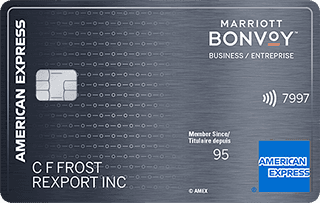
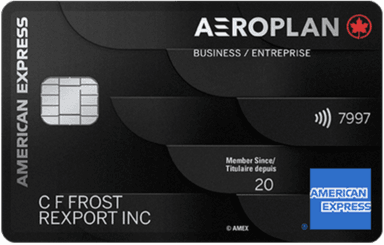
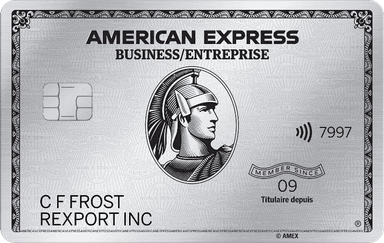
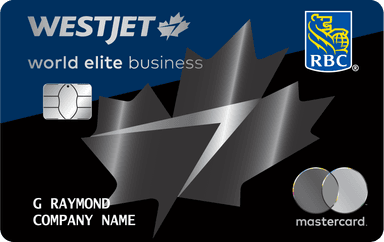
To compare options, see our selection of the best business credit cards.
| Credit card | Annual fee | Welcome offer | |
|---|---|---|---|
| $150 | |||
| $599 | |||
| $799 | |||
| $175 | |||
| $199 |
When a business begins to depend on revolving credit to support its growth, it may be relevant to evaluate more suitable and less expensive solutions.
Don’t want to miss out on our news and tips?
SME financing can take several forms in Canada and Quebec. Lines of credit, commercial loans, public programs, private investors, and alternative financing can all meet different needs.
Before choosing a solution, it remains important to assess the cost of financing, required guarantees, repayment terms, and the impact on the company’s liquidity.
Business credit cards can be useful for optimizing expenses and accumulating rewards. However, they should generally not become the primary financing source for a growing SME.
on American Express's website
Apply with confidenceCheck whether your application will be approved before you submit it, with no impact on your credit score*When you apply for a personal American Express Credit Card, we will tell you whether you are eligible without affecting your credit score. So you can apply with confidence.*Instant decisions are only available for consumer Card applications (also called “personal Cards”).
SMEs can use self-financing, business loans, lines of credit, government programs, private investors, or alternative financing.
A business credit card can help manage certain short-term expenses. However, high interest rates often make it less suitable for long-term growth.
Lenders typically analyze the business’s revenue, cash flow, credit history, and financial statements.
A line of credit offers greater flexibility for temporary needs. A business loan is better suited for specific projects and long-term investments.
Factoring involves obtaining quick cash from unpaid customer invoices.
on American Express's website
Apply with confidenceCheck whether your application will be approved before you submit it, with no impact on your credit score*When you apply for a personal American Express Credit Card, we will tell you whether you are eligible without affecting your credit score. So you can apply with confidence.*Instant decisions are only available for consumer Card applications (also called “personal Cards”).
Our reviews and rankings are based on an objective assessment. Advertisers do not influence our content. We may receive compensation through some links; our analysis and opinions remain independent.