New Air Canada Bedding and Wellness Kits Onboard
- Wellness

Loading article…
Air Canada is rolling out new bedding and new amenity kits this month across every cabin on its international flights. I got an early look at this new Air Canada bedding on July 15, at a private media lunch held at the Park Hyatt in Toronto.
Beyond the products themselves, the airline mainly walked us through the scientific thinking behind these improvements. In-flight comfort no longer rests on the seat alone: Air Canada is trying to reduce the effects that travelling at 30,000 feet has on the body. Here are my field notes and the key takeaways from this announcement.
Rather than a straightforward product reveal, Air Canada brought together a panel of experts to explain the reasoning behind each item. Four speakers took the floor:
The common thread comes down to one sentence: help passengers recover better during the flight, so they arrive more rested and less affected by the strains of air travel.

Air Canada is not presenting these additions as a simple bedding upgrade. The airline instead talks about a “Cabin Recovery System,” a coherent set in which each item addresses a specific physiological problem encountered in flight.
That is the most interesting shift in positioning in this announcement. Put differently, Air Canada is not selling a new blanket; it is selling better recovery during the trip. The approach is far more scientific than aesthetic.
The speakers first detailed what the human body goes through at altitude. Five factors stand out:
Each new product therefore aims to reduce one of these disruptions.
According to John Hunter, developing this bedding took roughly three years of testing. The goal went beyond comfort alone: the materials chosen disperse body heat better and limit temperature swings during sleep. What we are talking about here is thermoregulation.
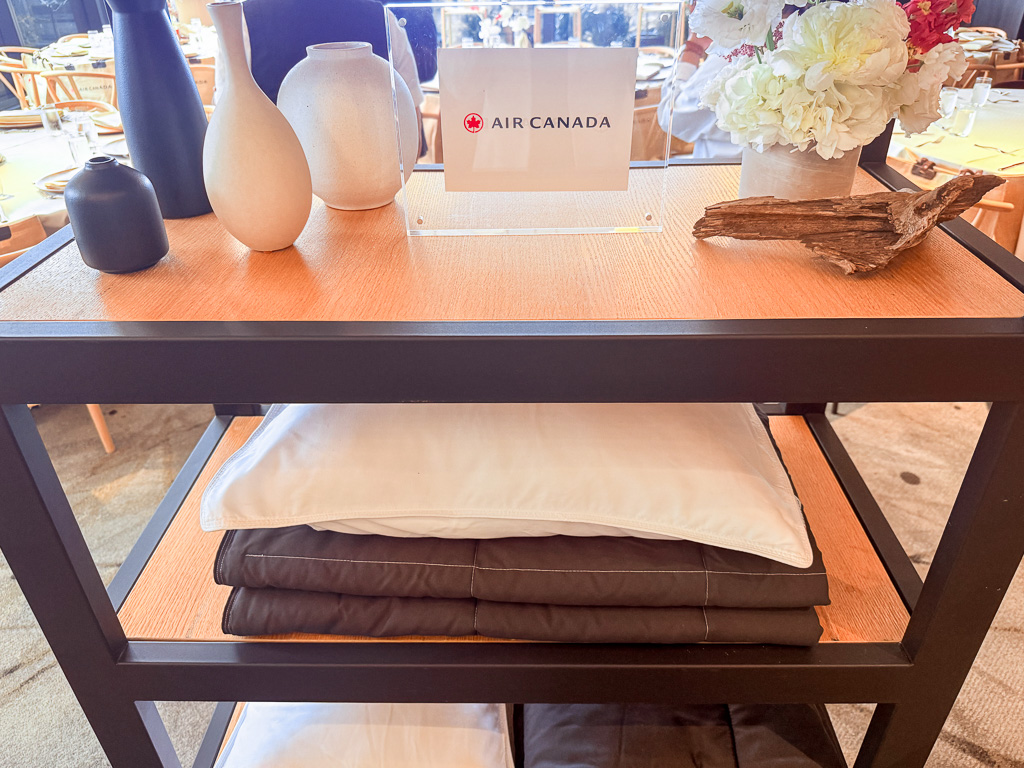
The new blanket offers two distinct surfaces: a satin side and a softer, plush-style side. Each passenger can therefore pick whichever side suits their preference.
In Economy Class and Premium Economy, the blanket is now made of polar fleece. It measures roughly 6 feet long (1.8 m) by 4 feet wide (1.2 m). The format is considerably more generous than before and covers the whole body, whatever your height.
Air Canada Signature Class gets an improved 145 g/m² duvet that is softer and warmer. The new pillow is also larger and features a 16.5 oz AirFlow fill designed for breathability and support.
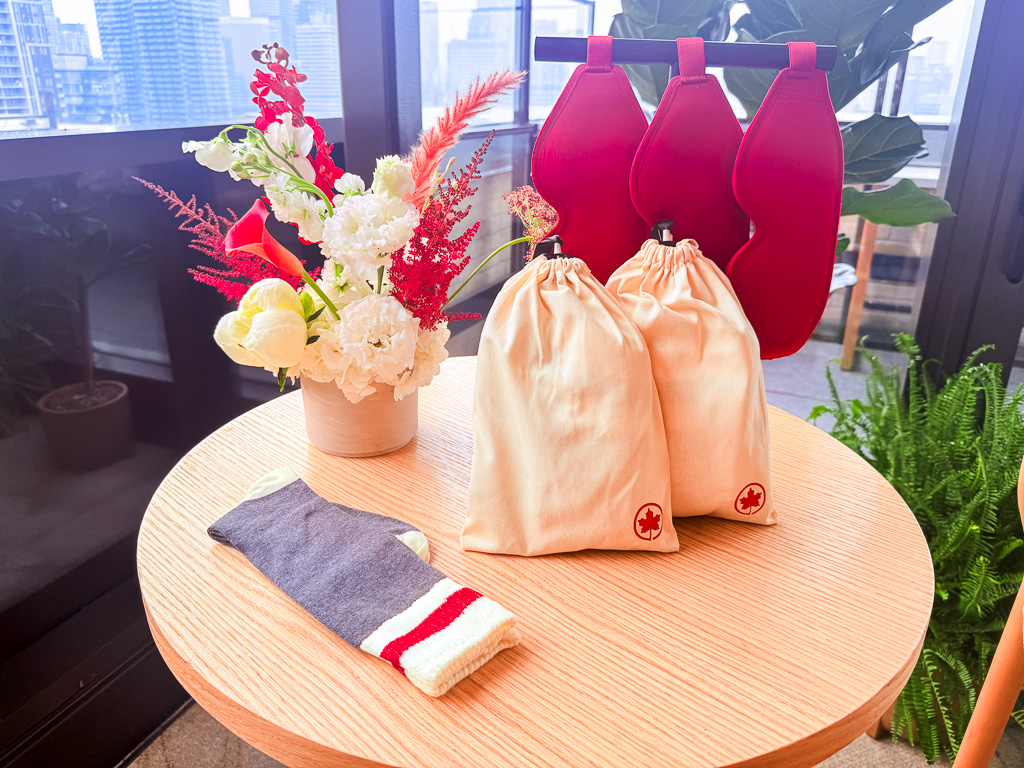
The sleep mask is probably the item that required the most work. According to Hunter Amenities, 44 iterations preceded the final model. The result delivers three concrete benefits:
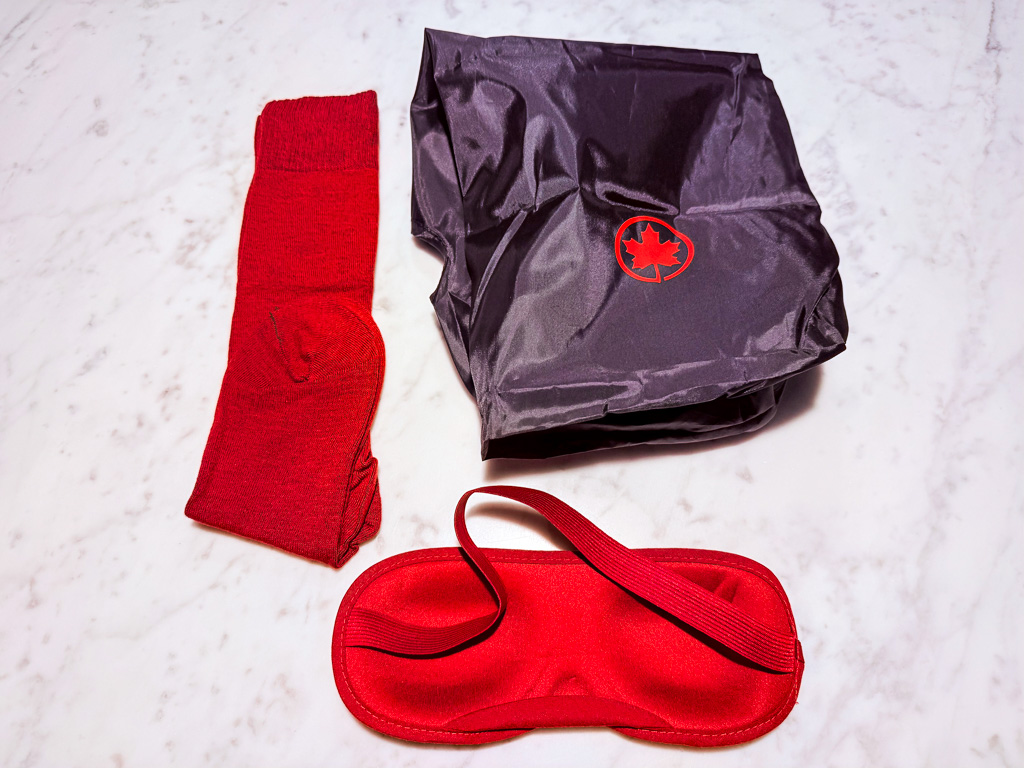
In Premium Economy, the kit instead includes a soft neoprene mask with a contoured nose bridge to block out light.
Lisa Mattam pointed out that skin suffers particularly on a plane. Humidity of around 40% is ideal; in the cabin, it falls to between 10% and 15%. That drop encourages dehydration, discomfort and damage to the skin barrier.
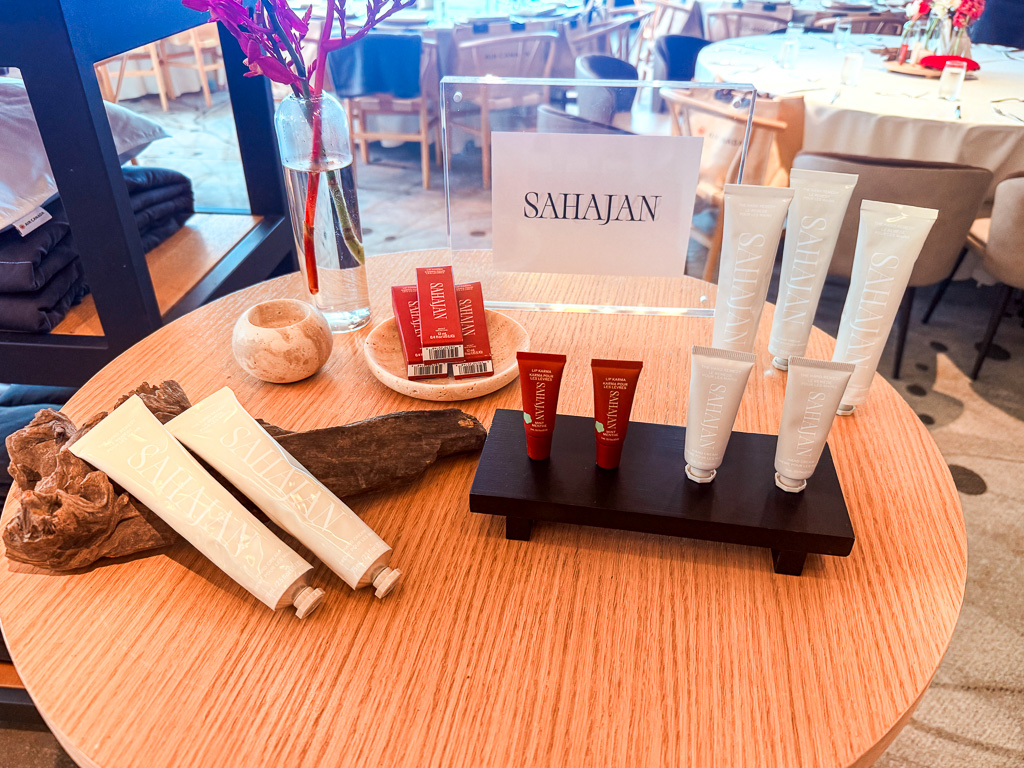
Signature Class kits therefore include two Sahajan products developed for this reality: the “Lip Karma” lip balm, made with castor and argan oils, and “The Hand Remedy” hand cream, rich yet non-greasy and fast-absorbing. The aim above all is to protect the skin’s natural barrier during the trip.
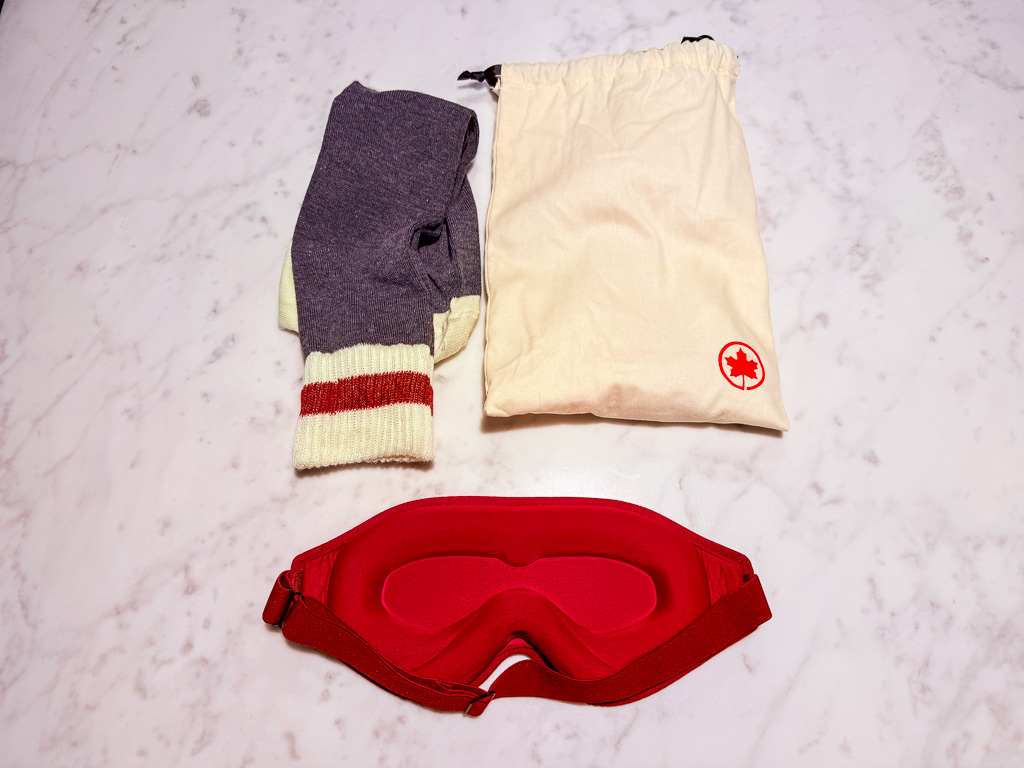
Here is what passengers on international flights will find on board as of July.
| Cabin | What’s new |
|---|---|
| Economy Class | New 6-foot polar fleece blanket |
| Premium Economy | Same blanket, plus a kit: neoprene mask, hypoallergenic 3M earplugs (32-decibel noise reduction), knitted socks, antimicrobial bamboo toothbrush with Colgate toothpaste |
| Signature Class | 145 g/m² duvet, 16.5 oz AirFlow pillow, kit: adjustable mask, Sahajan skincare, 3M earplugs, 70% cotton striped socks, bamboo toothbrush with Colgate toothpaste and dental floss |
Air Canada manufactures the Signature Class kit in Canada and presents it in a recycled cotton drawstring bag, designed to be reused on your future trips.
Alanna McGinn reminded us that sleeping on a plane is physiologically different from sleeping at home. The combination of pressure, temperature, dryness, light and discomfort naturally disrupts sleep.
All of the new items, from the bedding to the mask to the earplugs, therefore aim to limit these effects rather than eliminate them. Nobody here is promising a perfect night; the goal is to land in better shape.
One point came up constantly during the presentation: every partner involved is Canadian. Hunter Amenities developed and manufactured the kits, while Sahajan, an award-winning, woman-founded company, supplies the skincare.
For Air Canada, that choice clearly matters a great deal. The airline wants to offer a distinctly Canadian hospitality experience on board.

This announcement is not only about a bigger blanket or a nicer kit. Each product answers a specific physiological problem; together, they form a coherent system designed so that you arrive at your destination in better physical shape.
For my part, what stays with me most is the change in language: Air Canada no longer talks about comfort items, but about recovery. It is a reading of long-haul travel centred on the passenger’s condition on arrival, rather than on the cabin itself.

These cabins are also very attainable with Aeroplan points.
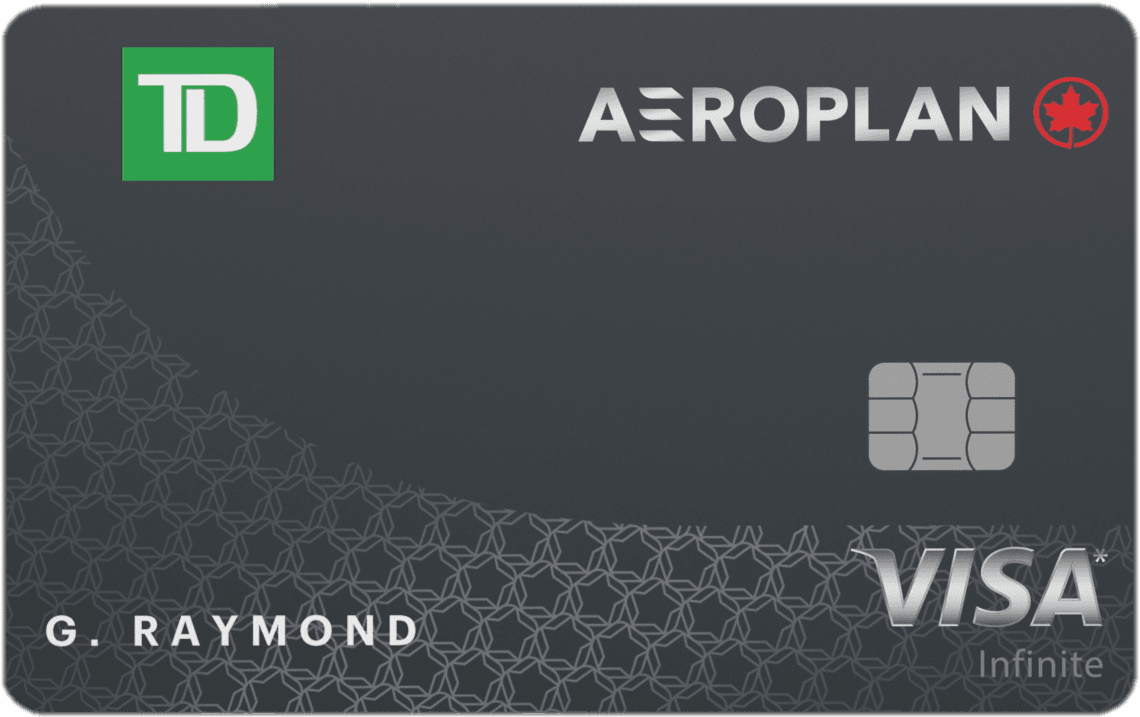
With this offer for the TD® Aeroplan® Visa Infinite* Card, you can earn up to 40,000 Aeroplan points† plus a first-year annual fee rebate†.
This card also comes with travel benefits, such as a free first checked bag for you and up to 8 travel companions on the same booking†, plus a rebate on the NEXUS application fee (up to $100 CAD) every 48 months†.
With the TD® Aeroplan® Visa Infinite* Card, you earn 1.5 points† for every eligible dollar spent on:
You also earn 1 point† per dollar on all other eligible purchases made with your card.
on TD's website
To earn Aeroplan points even faster, see our page on the best credit cards.
Finally, to keep up with news from Air Canada and other airlines, sign up for our newsletter.
Here are questions frequently asked in the milesopedia community about Air Canada’s new bedding and amenity kits.
Air Canada is rolling out its new bedding and amenity kits as of July, on international flights. Every cabin is included: Economy Class, Premium Economy and Signature Class. The rollout continues gradually across the network.
Economy Class and Premium Economy get the new polar fleece blanket. It measures roughly 6 feet long by 4 feet wide, a considerably more generous format than before. It therefore covers the whole body, whatever the passenger’s height.
The kit includes an adjustable sleep mask, Sahajan’s Lip Karma lip balm and The Hand Remedy hand cream, 3M earplugs, 70% cotton striped socks, plus a bamboo toothbrush with Colgate toothpaste and dental floss. Air Canada also manufactures it in Canada and presents it in a reusable recycled cotton bag.
It includes a soft neoprene mask with a contoured nose bridge, hypoallergenic 3M foam earplugs offering 32-decibel noise reduction, knitted socks and an antimicrobial bamboo toothbrush with Colgate toothpaste.
Air Canada worked with two Canadian companies. Hunter Amenities developed the bedding and the kits; the sleep mask required 44 iterations. Sahajan, an award-winning, woman-founded company, supplies the lip and hand care products.
Yes. The Signature Class mask is machine washable and dryer safe. Its raised rim also keeps the fabric from touching the eyes directly, which reduces pressure on the eyelids and is said to support deeper sleep.
Cabin humidity generally falls to between 10% and 15%, whereas skin is comfortable at around 40%. That drop encourages dehydration and weakens the skin barrier. This is precisely why Air Canada is adding Sahajan skincare to its kits.
on TD's website
Our reviews and rankings are based on an objective assessment. Advertisers do not influence our content. We may receive compensation through some links; our analysis and opinions remain independent.