

Guide to staying in youth hostels

Mini guide to youth hostels
Staying in a hostel is one of the best ways to travel the world on a budget. Hostels allow you to do the two most important things a traveller wants to do:
- Save a lot of money
- Meet other great, like-minded travelers
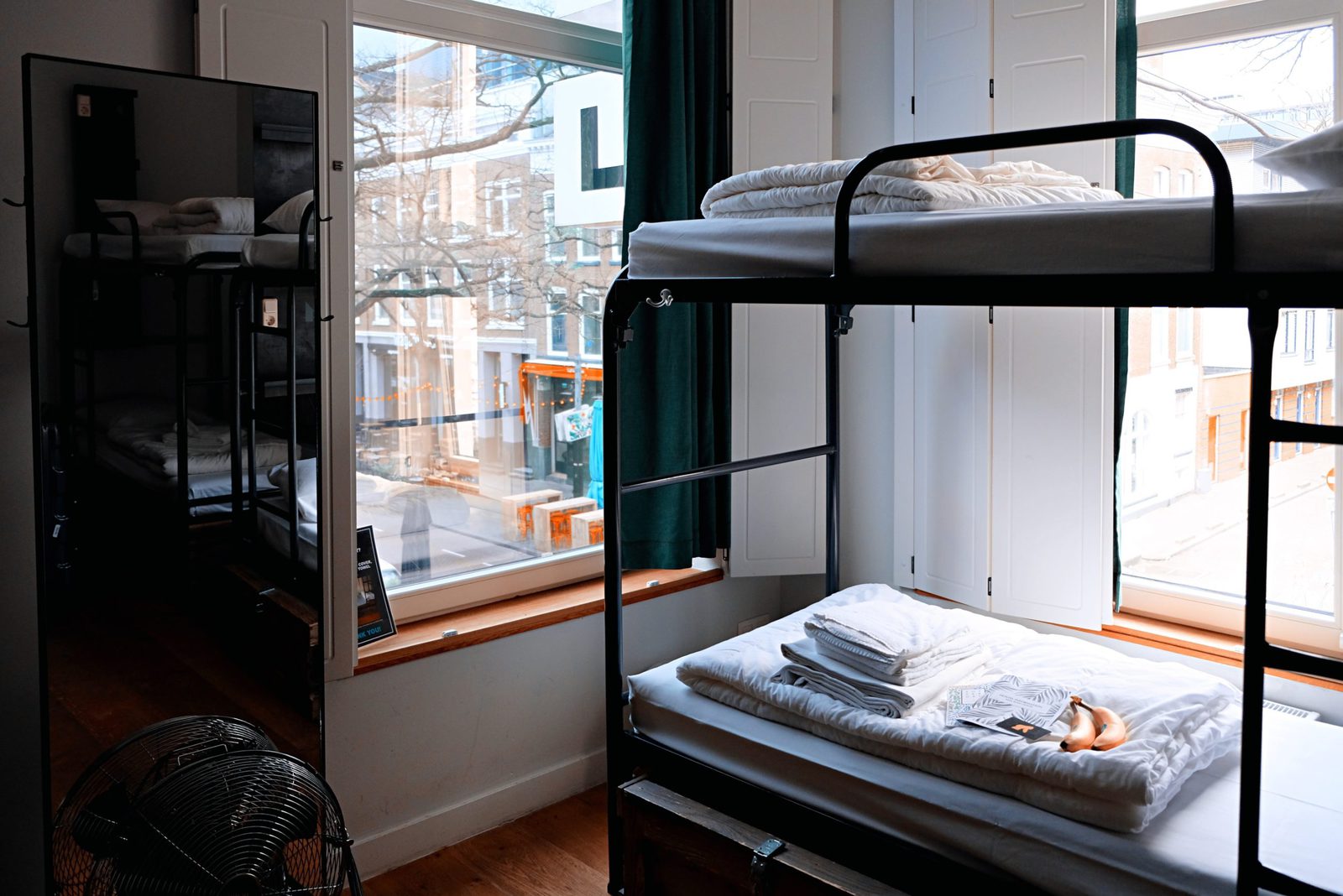
So why a youth hostel?
Save money
Firstly, the hostels are cheap. Even in expensive countries like those in Western Europe, the United States, and Australia, simply paying for a bed instead of a hotel room will help you save a lot of money. This means you can keep more of your hard-earned dollars for exciting activities, such as sightseeing tours, a hot air balloon ride, or get you a meal at a good restaurant!
Meet other travelers
Secondly, it’s a great way to make friends. Even if you are travelling as a couple or with friends – take our word for it – you will sometimes need to be around other people.
For solo travellers, hostels are invaluable. Although walking alone is freeing, we can’t deny that eventually, we’ll be in need of a good chat, or simply have someone to share in the wonders we discover!

The Hostel Myth
Finally, youth hostels are not at all what they used to be. For years, they had a somewhat negative or questionable reputation, but the majority of establishments have greatly improved. Some hostels are incredibly well equipped (think of the Selina which we mentioned in another article). Sure, there will still be a few bad apples, but hostels are no longer a place to avoid when considering options for your stay.

How to choose your hostel
There are different types of hostels, and almost all of them meet travellers’ needs. That said, some describe themselves more actively as hostels for backpackers (backpackers), which makes it clearer that the place will be full of other travellers and that it offers the kinds of services this type of tourist looks for.
Other hostels also welcome guests who stay for weeks or even months, and may have a less « backpacker » atmosphere, but there’s no reason you can’t stay there too (again, the Selina properties are an example).
Dorms
A room with many bunk beds that anyone can book. Some dorms are mixed, others are reserved for men or women. Dorms typically hold 4 to 20 beds, sometimes more, and you’ll obviously share this space with travellers you don’t know, unless you’re the only person or group to have booked a room. The main advantage is that dorms are much cheaper than private rooms, and the more beds there are, the lower the price.
Private rooms
A private room obviously means you’ll have your own room. Most hostels offer both dorms and private rooms that look more like what you’d expect in a hotel, with single and double bed options. Groups can find a larger room, or rent an entire dorm at some hostels.
Shared Bathroom
If you’re in a dorm, you’ll clearly share a bathroom with other travellers. Private rooms sometimes also carry the label « private bathroom, » meaning a bathroom is attached to your room, or « shared bathroom, » in which case there will be toilets and showers somewhere down the hall that you’ll share with other travellers.
Self-catering Facilities
A hostel with a shared kitchen is a big asset for anyone travelling on a tight budget, because it lets you cook your own meals. Take advantage of it to shop at a local grocery store, and pay with a credit card that has no foreign transaction fees (the Scotiabank Passport™ Visa Infinite + Card is a good example). The kitchen can also be used to store alcohol and is often the social hub of the hostel, if there’s no bar or common area such as a lounge.
Common Area
This is a room or section of the hostel that anyone can use. It is a good place to spend time and meet other travellers. Some hostels organize parties for their guests. You can watch TV or Netflix, read books, play cards, or just relax.
It is important to check out what the hostel you are interested in offers, to make sure your expectations are met!
Wi-Fi
Most hostels have Wi-Fi that you can use (ask for the password upon arrival). Some may also have a computer available to clients. However, internet quality at hostels varies so be sure to read the hostel’s reviews if you plan to use the internet often to make video calls or work during your stay.
How to book a hostel?
While you can book beds and rooms directly in some cases on the hostel’s website, most travellers use a booking site or app like Agoda, Hostelworld or Booking.com.
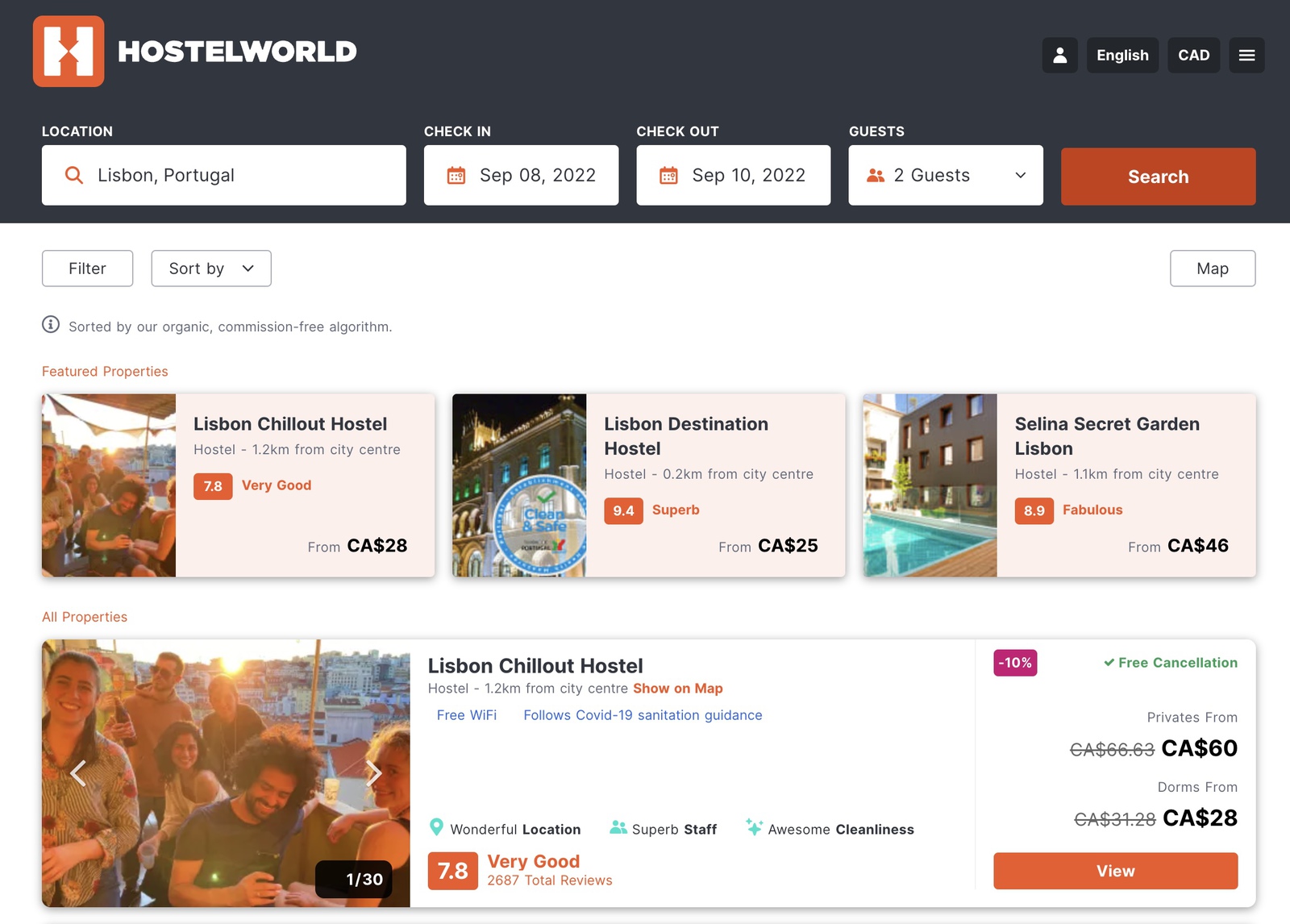
These usually offer a wider range of options and are useful as they include the best rates for hotels and other types of accommodation as well as hostels. It is therefore a good comparison tool.
In rare cases, you can find a room in a budget hotel for less than the cost of a bed in a hostel. Plus, if you’re on a long trip, it’s sometimes nice to take a break for a few days from the more bustling hostel scene.
Hostelworld is a website dedicated to youth hostels. Its advantage? Most of the reviews will have been written by other backpackers, which is not the case for Booking.com.
However, overall, you will usually get a similar range of options in the search results for both sites, which are also very similar in price.
Especially since you can use your travel points when you make reservations on these sites!
Tips and tricks for hostel stays
To wrap up, here are a few tips to help you avoid unpleasant surprises at a hostel.
- Bring your flip-flops. Hostel showers aren’t especially clean, and neither are the dorm floors.
- Bring a small padlock to store your personal belongings in the dorm locker. Trusting people is great, but there are limits.
- Bring earplugs and a sleep mask. You’ll thank us later!
Frequently asked questions about youth hostels
Do I have to book in advance to stay in a hostel?
It’s rarely mandatory to book in advance, but it gives you one less thing to think about when you arrive. If you are travelling in high season and the hostels seem to be near capacity, you might want to consider this option.
Many seasoned travellers don’t book hostels in advance and prefer to have the flexibility to change their plans, but it’s a good idea to think of some alternatives before you arrive. It’s recommended to book in advance during peak periods, such as festivals or summer vacations.
Is it necessary to bring a sleeping bag to a youth hostel?
No, hostels should always provide this service and beds are usually already made upon arrival. You may need to return the sheets to the reception when you leave.
Do you have to bring your own towel to a youth hostel?
Yes, towels are very rarely provided in hostels, which is one of the main differences from hotels.
Are youth hostels only for young people?
No, that’s the simple answer to that question. The idea that hostels are full of gap year students is a myth. Of all the people you meet in youth hostels, probably less than 10% are under the age of 20 – although this varies from place to place and hostels in larger cities tend to attract a younger crowd.
In most cases, travellers are likely to be in their 20s and 30s, but fewer and fewer establishments impose an age limit, and many much older travellers choose to stay there as well.
Conclusion
We hope this guide will convince you to give youth hostels a try, no matter your age! The atmosphere and the possibilities they offer are seriously worth it.
Here are several credit card options to help you save on hostel and hotel reservations:
| Credit card | Annual fee | Welcome offer | |
|---|---|---|---|
| $150 | |||
| $150 | |||
| $120 | |||
| $120 | |||
| $0 |

Our featured card

- Annual fee
- $120
- Our valuation
- $990Milesopedia first-year estimate First-year valueWelcome bonus$990Total$990Rewards on your spending are not included. The calculator that adds them from your own profile is on the card's page.
- Welcome offer
- Up to 110,000 points
Milesopedia first-year estimateFirst-year valueWelcome bonus$990Total$990Rewards on your spending are not included. The calculator that adds them from your own profile is on the card's page.
Ends Sep 22, 2026
on American Express's website
Apply with confidence — no impact on your credit scoreApply with confidenceCheck whether your application will be approved before you submit it, with no impact on your credit score*When you apply for a personal American Express Credit Card, we will tell you whether you are eligible without affecting your credit score. So you can apply with confidence.*Instant decisions are only available for consumer Card applications (also called “personal Cards”).
Our editorial integrity
Our reviews and rankings are based on an objective assessment. Advertisers do not influence our content. We may receive compensation through some links; our analysis and opinions remain independent.