

World of Hyatt: The Best Sweet Spots for Your Points

Chez Milesopedia, nous suivons de près la grille de récompenses World of Hyatt depuis sa refonte à cinq niveaux de mai 2026. Notre constat : c’est l’un des points hôteliers qui offre le meilleur rendement, à condition de savoir où le placer. Voici les sweet spots à viser.
Pour tout ce qui touche l’accumulation, les statuts et le fonctionnement détaillé du programme, la fiche complète de World of Hyatt reste votre référence.
Pour comparer la valeur du point Hyatt à celle des six autres grands programmes hôteliers, consultez notre comparatif des programmes de fidélité hôteliers en 2026.
Pourquoi le point Hyatt reste l’un des plus payants
La refonte de mai 2026 a remplacé l’ancien système à trois niveaux (hors-pointe, standard, pointe) par une échelle à cinq niveaux : le plus bas, bas, modéré, supérieur et maximum. Les 8 catégories d’hôtels demeurent, mais chacune se décline désormais sur ces cinq paliers, ce qui a repoussé le sommet de certaines catégories vers le haut.
L’atout de Hyatt tient dans un mot : la prévisibilité.
- Chez Hyatt : chaque catégorie a un coût en points connu à l’avance, publié dans une grille officielle. Vous calculez la valeur d’un rachat avant même de réserver.
- Chez la plupart des autres programmes hôteliers : la tarification est dynamique, le coût en points suit le prix payant. Quand le tarif monte, le nombre de points requis monte aussi, et le rendement par point plafonne.
- Exemple concret : une nuit facturée 700 $ dans une propriété Hyatt de catégorie 8 reste plafonnée à 75 000 points, peu importe la flambée du tarif payant.
Notre méthode pour repérer un bon rachat tient en deux étapes :
- Comparez le tarif payant tout compris (taxes incluses) au coût en points.
- Divisez pour obtenir la valeur par point.
Voici quelques repères de la nouvelle grille, à titre indicatif :
| Catégorie | Niveau « le plus bas » | Niveau « maximum » |
|---|---|---|
| Catégorie 1 | 3 000 points | 9 000 points |
| Catégorie 4 | variable | jusqu’à 25 000 points |
| Catégorie 8 | variable | jusqu’à 75 000 points |
Catégorie 1 : les nuits à petit prix
La catégorie 1 est souvent négligée, à tort. À 3 000 points au niveau « le plus bas » et jusqu’à 9 000 points au niveau « maximum », ce sont les nuits les moins chères de tout le programme. On y trouve surtout des Hyatt Place et des Hyatt House, mais aussi quelques adresses bien placées dont le tarif payant grimpe pendant les périodes de forte demande.
Le sweet spot apparaît quand un hôtel de catégorie 1 se trouve dans une ville où l’hébergement coûte cher lors d’un événement (congrès, festival, semaine de relâche). Exemple générique : un hôtel de catégorie 1 dont le tarif payant grimpe à 220 $ la nuit pendant un week-end achalandé, réservé à 3 500 points, dégage une valeur d’environ 6,3 cents par point. À l’inverse, le même hôtel à 95 $ en semaine ne vaut pas la peine d’être payé en points : gardez-les pour les nuits chères.
- Réservez en points seulement quand le tarif payant tout compris dépasse nettement le coût en points.
- Surveillez les nuits « le plus bas » (3 000 à 5 000 points) : ce sont les meilleures affaires du programme pour les courts séjours.
- Une nuit de catégorie 1 est aussi la cible parfaite pour un échange de points Aéroplan contre une nuitée gratuite (voir plus bas).
Catégories 7 et 8 : le luxe payé en points
C’est ici que le point Hyatt brille le plus. Les catégories 7 et 8 regroupent les enseignes de prestige : Park Hyatt, Andaz, Grand Hyatt et les propriétés Alila. Dans les destinations où le tarif payant s’envole (300 à 500 $ et plus la nuit), le plafond en points transforme un séjour autrement inaccessible en rachat très rentable.
Les Park Hyatt se répartissent généralement entre les catégories 7 et 8. À titre d’exemples connus, le Park Hyatt Paris-Vendôme et le Park Hyatt New York se situent en catégorie 7, tandis que des adresses comme le Park Hyatt Maldives ou le Park Hyatt Marrakech se trouvent en catégorie 8. Les catégories des propriétés changent périodiquement : validez toujours la catégorie et le coût en points au moment de réserver.
Exemple générique de calcul : une nuit de catégorie 8 facturée 650 $ tout compris, réservée à 45 000 points, dégage environ 1,4 cent par point. Le même hôtel réservé à son niveau « maximum » de 75 000 points pour le même tarif payant tombe à environ 0,9 cent par point. La leçon est claire : sur le luxe, le sweet spot se joue sur les nuits aux niveaux plus bas, pas sur les dates de pointe au tarif « maximum ».
Les tout-inclus : la valeur du forfait complet
World of Hyatt couvre 9 marques tout-inclus, dont Secrets, Dreams, Zoëtry, Hyatt Ziva et Hyatt Zilara, ainsi que les centres de bien-être Miraval. La particularité de ces établissements : le tarif payant inclut les repas, les boissons et une bonne partie des activités. Quand vous réglez la nuit en points, vous ne payez pas seulement la chambre, vous couvrez aussi tout ce qui vient avec.
C’est ce qui rend ces rachats intéressants : sur une destination soleil, une nuit tout-inclus payante peut atteindre 500 à 800 $ pour deux personnes en haute saison. Réglée en points, elle transforme un budget vacances complet en séjour presque gratuit, repas et boissons compris. Miraval fonctionne un peu différemment (crédit de complexe inclus pour les activités de bien-être), mais la logique de valeur reste la même.
- Comparez le tarif tout-inclus par personne : la valeur du forfait grimpe vite pour une famille ou un couple.
- Vérifiez si l’établissement facture des frais de complexe ou des taxes non couvertes par la nuit-récompense.
- L’option Points + argent, ou l’achat de points lors d’une promotion, peut aider à compléter un solde insuffisant sans renoncer au séjour.

Les fenêtres « le plus bas » de la nouvelle grille
La nouvelle échelle à cinq niveaux a une contrepartie positive : elle crée un palier « le plus bas » sous l’ancien plancher hors-pointe. Sur les nuits les moins demandées, certaines catégories descendent donc sous ce qu’elles coûtaient auparavant. Ces fenêtres sont les vraies aubaines du barème 2026.
Où les trouver ? Les périodes creuses classiques restent vos meilleures alliées :
- Basse saison de la destination : saison des pluies en zone tropicale, milieu de semaine dans les villes d’affaires, hors vacances scolaires.
- Nuits isolées en dehors des week-ends et des grands événements locaux.
- Réservations tôt : les niveaux « le plus bas » et « bas » ont tendance à partir en premier sur les propriétés populaires.
Concrètement, une propriété de catégorie 1 réservée à 3 000 points au lieu de 3 500 points sous l’ancien plancher représente une économie de 500 points par nuit, soit une nuit gratuite « offerte » tous les six séjours environ. Sur un voyage de plusieurs nuits, l’écart devient significatif.
Les nuitées gratuites en points Aéroplan
Depuis le partenariat entre Aéroplan et World of Hyatt, tout membre Aéroplan qui lie ses comptes peut échanger directement ses points contre une nuitée gratuite chez Hyatt : 25 000 points pour un hôtel de catégorie 1 à 4, ou 75 000 points pour un hôtel de catégorie 1 à 7. Cet échange est ouvert à tous les membres, peu importe la carte détenue : le statut Aéroplan Élite et les cartes prestige donnent d’autres avantages (statut Discoverist, nuitées qualifiantes, défis de statut), pas celui-ci. Comme la nuitée est couverte sans égard au tarif payant (dans la limite de la catégorie visée), la stratégie est la même que pour les points eux-mêmes : viser la nuit la plus chère possible de son plafond.
Exemple générique : un échange de 25 000 points Aéroplan utilisé sur un hôtel de catégorie 4 dont le tarif payant atteint 350 $ la nuit vous fait récupérer 350 $ de valeur, contre 120 $ seulement si vous le brûlez sur une catégorie 1 tranquille en semaine. La catégorie visée prime : visez le haut de la fourchette permise par votre échange.
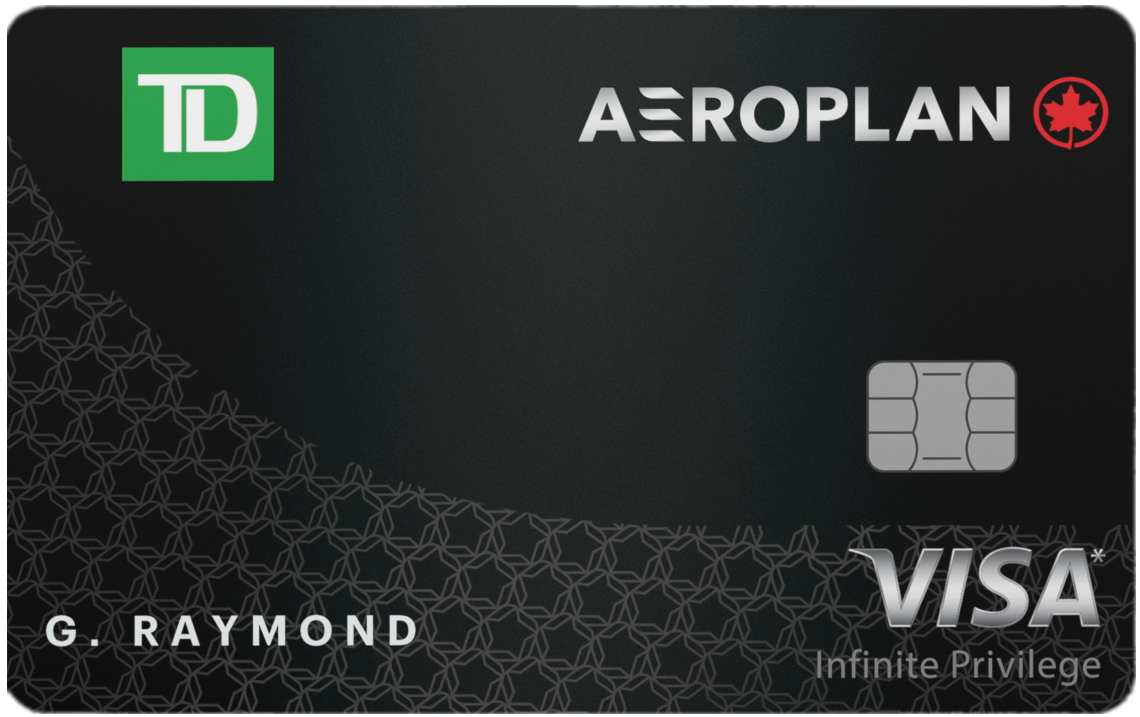

- Annual fee
- $599
- Our valuation
- $2,000Milesopedia first-year estimate First-year valueWelcome bonus$2,000Total$2,000Rewards on your spending are not included. The calculator that adds them from your own profile is on the card's page.
- Welcome offer
- Up to 100,000 points
Milesopedia first-year estimateFirst-year valueWelcome bonus$2,000Total$2,000Rewards on your spending are not included. The calculator that adds them from your own profile is on the card's page.
on TD's website
Les rachats à éviter
Un point payant reste un point payant seulement si le rachat bat le tarif payant. Voici les cas où vos points valent mieux ailleurs :
- Les catégories moyennes au niveau « maximum » : une nuit de catégorie 4 à 25 000 points alors que le tarif payant est de 180 $ donne à peine 0,7 cent par point. Payez comptant et gardez vos points.
- Les nuits en semaine à bas tarif : quand un hôtel se réserve à 100 $ ou moins, les points rapportent presque toujours davantage ailleurs.
- Les transferts vers les compagnies aériennes : Hyatt permet de convertir des points vers 25 transporteurs à un ratio de 2,5 pour 1, et vers Aéroplan à taux fixe (50 000 points Hyatt donnent un certificat de 30 000 points Aéroplan). Le rendement y est bien inférieur à celui d’une nuit d’hôtel : réservez-le aux cas où il ne vous manque qu’un petit solde pour un billet.
La règle de base tient en une phrase : si le tarif payant divisé par le coût en points donne moins d’environ 1,5 cent par point, réglez comptant et conservez vos points pour un meilleur sweet spot.
Questions fréquentes sur les sweet spots World of Hyatt
Quel est le meilleur rachat de points World of Hyatt ?
Les deux extrémités du barème offrent les meilleurs rendements. En bas, les hôtels de catégorie 1 (3 000 à 9 000 points la nuit) dans une ville où le tarif payant grimpe pendant un événement. En haut, les propriétés de luxe des catégories 7 et 8 (Park Hyatt, Andaz, Grand Hyatt) dans les destinations où le tarif payant dépasse 300 à 500 $ la nuit, puisque le coût en points y est plafonné. Dans les deux cas, comparez le tarif payant tout compris au coût en points avant de réserver.
La refonte de mai 2026 a-t-elle rendu les points Hyatt moins intéressants ?
Le coût de certaines nuits a augmenté, surtout dans les catégories élevées où le sommet passe à 75 000 points la nuit au niveau « maximum ». Mais Hyatt conserve son avantage principal : une grille fixe et publiée, ce qui permet de calculer la valeur d’un rachat à l’avance, contrairement à la tarification dynamique de la plupart des autres programmes. La nouvelle échelle à cinq niveaux crée aussi un palier « le plus bas » qui, sur les nuits creuses, descend parfois sous l’ancien plancher.
Vaut-il la peine du0027utiliser des points Hyatt dans un tout-inclus ?
Souvent, oui. Dans les marques tout-inclus de World of Hyatt (Secrets, Dreams, Zoëtry, Hyatt Ziva, Hyatt Zilara), le tarif payant couvre les repas, les boissons et une bonne partie des activités. Régler la nuit en points revient donc à couvrir un forfait complet, pas seulement une chambre. En haute saison, une nuit tout-inclus payante pour deux peut atteindre 500 à 800 $, ce qui améliore nettement le rendement par point. Vérifiez toutefois les frais de complexe et les taxes qui ne sont pas toujours couverts par la nuit-récompense.
Comment maximiser lu0027échange de points Aéroplan contre une nuitée Hyatt ?
L’échange (25 000 points Aéroplan pour une nuitée de catégorie 1 à 4, 75 000 points pour une catégorie 1 à 7) est ouvert à tout membre ayant lié ses comptes Aéroplan et World of Hyatt, peu importe la carte détenue. La stratégie : l’utiliser sur la nuit la plus chère possible dans la limite de la catégorie visée, par exemple un hôtel de catégorie 4 dont le tarif payant atteint 300 à 400 $ pendant une période de forte demande. Les détails complets se trouvent dans notre article sur le partenariat Aéroplan et World of Hyatt.
Faut-il transférer ses points Hyatt vers une compagnie aérienne ?
Rarement comme stratégie principale. Hyatt permet de convertir des points vers 25 transporteurs à un ratio de 2,5 pour 1, et vers Aéroplan à taux fixe (50 000 points Hyatt pour un certificat de 30 000 points Aéroplan). Le rendement par point y est bien plus faible que pour une nuit d’hôtel. Réservez ces transferts aux situations où il ne vous manque qu’un petit solde pour compléter un billet récompense. Pour le reste, vos points valent davantage sur une nuit d’hôtel bien choisie.
Our featured card
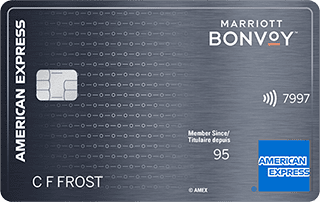

- Annual fee
- $120
- Our valuation
- $990Milesopedia first-year estimate First-year valueWelcome bonus$990Total$990Rewards on your spending are not included. The calculator that adds them from your own profile is on the card's page.
- Welcome offer
- Up to 110,000 points
Milesopedia first-year estimateFirst-year valueWelcome bonus$990Total$990Rewards on your spending are not included. The calculator that adds them from your own profile is on the card's page.
Ends Sep 22, 2026
on American Express's website
Apply with confidence — no impact on your credit scoreApply with confidenceCheck whether your application will be approved before you submit it, with no impact on your credit score*When you apply for a personal American Express Credit Card, we will tell you whether you are eligible without affecting your credit score. So you can apply with confidence.*Instant decisions are only available for consumer Card applications (also called “personal Cards”).
Our editorial integrity
Our reviews and rankings are based on an objective assessment. Advertisers do not influence our content. We may receive compensation through some links; our analysis and opinions remain independent.