


Points and miles can transform the way you travel, but the topic often feels intimidating at first. Programs, cards, welcome bonuses, transfers: the vocabulary is dense when you are starting out. The good news is that the basics are quick to learn, and a single good card is enough to begin.
This guide brings together everything you need to start on the right foot, step by step, from your first point earned to your first trip paid with points.
Why Milesopedia
Since 2015, we have helped Canadians travel more while paying less, simply by using the right cards and the right programs. Our mission is to make this topic accessible to everyone, not just to experts.
To help you choose, we continuously analyze more than 353 credit cards from 57 issuers, against thousands of criteria. Our comparator is independent and our content is free. When you apply for a card through one of our links, we sometimes earn a commission at no cost to you, and that is what lets us keep this guide free and up to date.
What Points Actually Are
A reward point is a currency you earn on your spending, most often with a credit card, and later redeem for flights, hotel nights or statement credits. Its value is not fixed: depending on the program, 1,000 points are worth anywhere from $5 to more than $20.
The Basic Rules
Before you apply for a card, keep a few simple principles in mind. Always pay your statement in full to avoid interest, which wipes out the value of your points. Aim for welcome bonuses, but check the minimum spending required and the deadline to reach it. And above all, proceed in the right order.
Choosing Your First Card
The best first card is the one that matches your goal and your real spending. Here are three cards we often recommend for getting started, based on what you are aiming for.
For everyday spending
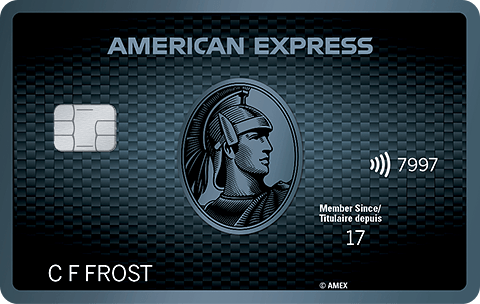
The American Express Cobalt Card strongly rewards groceries and dining, with up to 5 points per dollar. It is an excellent gateway into flexible points.

- Annual fee
- $191.88
- Our valuation
- $255Milesopedia first-year estimate First-year valueWelcome bonus$255Total$255Rewards on your spending are not included. The calculator that adds them from your own profile is on the card's page.
- Welcome offer
- Up to 15,000 points
Milesopedia first-year estimateFirst-year valueWelcome bonus$255Total$255Rewards on your spending are not included. The calculator that adds them from your own profile is on the card's page.
on American Express's website
Apply with confidence — no impact on your credit scoreApply with confidenceCheck whether your application will be approved before you submit it, with no impact on your credit score*When you apply for a personal American Express Credit Card, we will tell you whether you are eligible without affecting your credit score. So you can apply with confidence.*Instant decisions are only available for consumer Card applications (also called “personal Cards”).
To travel with Aeroplan
The TD Aeroplan Visa Infinite Card earns Aeroplan points, the most popular program in Canada for flights on Air Canada and its partners.
| Credit card | Annual fee | Welcome offer | |
|---|---|---|---|
| $0 |

For hotel nights
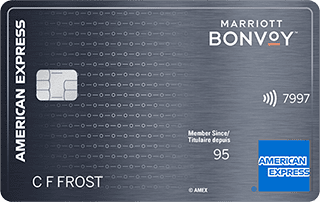
The Marriott Bonvoy American Express Card earns Marriott Bonvoy points, perfect for free nights at thousands of hotels around the world.
| Credit card | Annual fee | Welcome offer | |
|---|---|---|---|
| $120 |
Earning Points
Points are built on your everyday spending. Groceries, restaurants, gas and subscriptions are the categories where cards offer the best multipliers. By directing each purchase to the card that rewards it best, you earn without spending a dollar more. Welcome bonuses, meanwhile, give your balance its biggest head start.
Using Your Points to Travel
This is the most rewarding step: turning your points into travel. A round trip within North America often starts around 25,000 points, and an all-inclusive package can be paid entirely with points depending on the program. Always compare the value in points against the value in cash before booking, to get the most out of them.
Beginner Mistakes to Avoid
A few traps come up often. Chasing the biggest bonus without checking the minimum spending required is one of them, as is missing the deadline to reach it. The costliest mistake is carrying a balance on your card: interest wipes out the value of every point earned in a single month.
Useful Resources
The basic rules with reward points
Essential articles on points and travel
Airport lounges
Points strategies
Reader stories
Getting Started With Points: Frequently Asked Questions
What is the difference between points and miles?
Both refer to a reward currency. Miles often describe airline programs and points describe bank or retailer programs, but the principle is the same: you earn them on your spending and redeem them for rewards.
What is the best card to start with?
The best starter card is the one that matches your goal and your real spending. The American Express Cobalt strongly rewards groceries and dining, while an Aeroplan or Marriott Bonvoy card suits you better if you are aiming for flights or hotel nights.
Do you need to pay annual fees to earn points?
No. Several no-annual-fee cards earn worthwhile points or cash back. An annual fee makes sense when the card offers benefits you actually use, such as travel insurance or a higher earn rate.
How much are 30,000 points worth?
It depends on the program and the redemption. The same 30,000-point bonus can be worth about $300 as a credit, or more than $750 once turned into a well-chosen flight.
Where should a beginner start?
Proceed in order: define your goal, choose the program that gets you there, then the card that earns in that program. One good card is enough to begin.
Do points expire?
It varies by program. Many points do not expire as long as your account stays active, while others require a transaction every 12 to 18 months. Check your program’s rules so you do not lose your balance.
Final Word
Getting started with points comes down to four habits: understanding how points work, choosing a first card that matches your goal, earning on your everyday purchases, and using your points at the right time. Get these four right and you will quickly pull hundreds of dollars of value from your usual spending. We keep this guide updated to support you at every step.