

How Does a Car Insurance Deductible Work in Canada?

Car insurance deductibles, which must be paid in the event of a claim, are often misunderstood. Most people know this word, but many don’t know how it affects their insurance premiums and what happens in the event of a claim. In this article, we explain what a car insurance deductible is, and what you need to consider when choosing the right one.
Car Insurance Deductibles Explained
A deductible is an amount the insured must pay when making an insurance claim. The amount you pay depends on your insurance policy and its conditions. But most car insurance deductibles range from $100 to $2,000.
You can choose a different deductible amount for each type of coverage. For example, you could choose a deductible of $1,000 for collisions and upsets, and $500 for all other risks (fire, theft, vandalism).
Deductibles generally apply to:
- Collision and upset coverage: This covers damage to your car caused by a stationary object or collision with another vehicle. Damage to the other party’s property is not covered.
- All-risk coverage: With the exception of a collision where the insured is at fault, this covers all causes of accident. Comprehensive insurance also covers damage caused by hail, for example.
Examples of Car Insurance Deductibles
For example, if you have an accidental loss of $5,000 and a $500 deductible, your insurance company will pay $4,500 to cover the loss and you will have to pay $500.
In addition, claims for amounts below the deductible will be borne by the policyholder. For example, if your car insurance deductible is $1,000 and the damage is $700, then your insurance company won’t cover the cost of the damage.
Paying Your Car Insurance Deductible
If you file a claim for any of the following, you’ll usually have to pay your car insurance deductible:
- You are responsible for an accident
- An accident for which you are partially responsible
- Theft or vandalism
Situations in Which You Are Exempt From Paying Your Deductible
If you meet one of the following conditions, you are generally exempt from paying your deductible:
- An insured driver caused the accident: if an insured driver is responsible for the accident, the damage will be covered by their insurance company. As a result, you won’t have to pay the deductible.
- A claim is made under your liability insurance: liability claims are not covered by a deductible. Up to the limit of your insurance coverage, your insurer will cover the losses incurred by the other party.
- You have a policy with no deductible: if you choose a $0 deductible on your comprehensive policy, you won’t have to pay a deductible in the event of an accident. You will, however, pay higher premiums.
Why Does Your Car Insurance Deductible Affect Your Premiums?
f you choose a higher car insurance deductible, your insurance premiums will be lower. This is because higher deductibles reduce the amount the insurer has to pay out in the event of an accident.
Do you know which deductible you’ve chosen? If not, check your insurance contract. Then see for yourself the impact of the deductible on your car insurance premiums by using an online comparator. By the way, you can compare car insurances with our tool and find the best car insurance for your needs.
How to Choose the Right Deductible for Your Car Insurance?
When you take out car insurance, you can choose the deductible that best suits your financial situation. Take into account what you usually have on hand to cover emergencies. If you’re worried about having enough money, opt for a lower deductible. In short, it’s a question of balance.
You can also choose a car insurance deductible based on your financial ability to pay in case of an accident. For example, if you can afford high repair costs, a higher deductible is a good choice. Because you can save money on your insurance premiums. However, choose a lower deductible if you know that an accident will have a significant impact on your finances.
If there’s a problem with your current insurer, don’t hesitate to contact an insurance broker like ClicAssure. They have access to several insurers specializing in car insurance and usually present you with the best offer based on your needs.
Bottom Line
In short, a car insurance deductible is an amount you have to pay when you make an insurance claim. Deductibles generally range from $100 to $2,000. We hope you now have all the information you need to make an informed decision about the amount to choose for your car insurance deductible.
To compare car insurance quotes, try our car insurance comparison tool to find the best policy for your needs.
What is a car insurance deductible?
A car insurance deductible is an amount you have to pay in the event of a claim before your insurer will cover the difference. You choose the amount of your deductible, which has a direct impact on your insurance premiums.
What is the maximum amount of a car insurance deductible?
The maximum amount of an car insurance deductible may vary from insurer to insurer, but most deductibles range from $100 to $2,000. You can choose a different deductible amount for each type of coverage. For example, $1,000 for collision and upset and $500 for other covered risks (fire, theft, vandalism).
Who pays the deductible in the event of a claim?
In the event of a claim, the insured must pay the car insurance deductible, unless you are not at fault.
Why pay a deductible when you're not at fault?
Sometimes you have to pay your car insurance deductible even if you’re at fault in an accident. But your insurer will reimburse you for the amount of your deductible once it has taken recourse against the insurer of the person responsible for the accident.
Our featured card
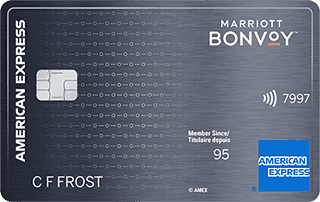

- Annual fee
- $120
- Our valuation
- $990Milesopedia first-year estimate First-year valueWelcome bonus$990Total$990Rewards on your spending are not included. The calculator that adds them from your own profile is on the card's page.
- Milesopedia first-year estimateFirst-year valueWelcome bonus$990Total$990Rewards on your spending are not included. The calculator that adds them from your own profile is on the card's page.
- Welcome offer
- Up to 110,000 points
- Ends Sep 22, 2026
on American Express's website
Apply with confidence — no impact on your credit scoreApply with confidenceCheck whether your application will be approved before you submit it, with no impact on your credit score*When you apply for a personal American Express Credit Card, we will tell you whether you are eligible without affecting your credit score. So you can apply with confidence.*Instant decisions are only available for consumer Card applications (also called “personal Cards”).
Our editorial integrity
Our reviews and rankings are based on an objective assessment. Advertisers do not influence our content. We may receive compensation through some links; our analysis and opinions remain independent.