
Cuba Beyond All-Inclusive Resorts: Travel Guide and Itinerary
The Government of Canada advises avoiding non-essential travel to Cuba. Here is what has changed for visas, payments, currency exchange and flights, with my itinerary and practical tips.
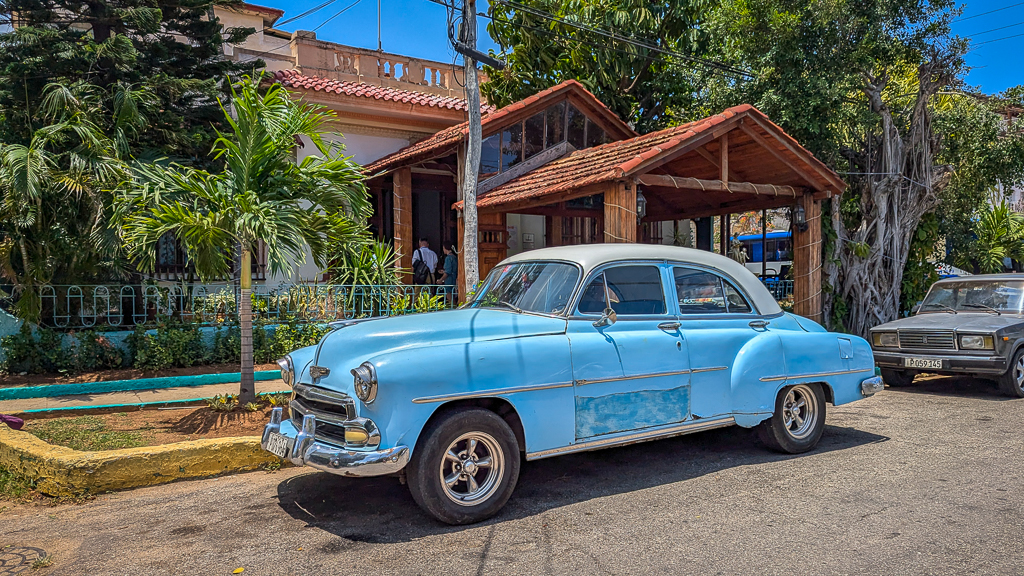
A must-visit island in the Caribbean and the largest in the region. Cuba entices visitors with its white sandy beaches, turquoise waters, and its rich history tied to Spanish colonial heritage and the revolution of 1959.
Cuba’s fascinating culture is steeped in African, Spanish and Caribbean influences. Salsa, rumba and mambo punctuate daily life, and the varied landscapes stretch from the seaside resorts of Varadero to the fertile valleys of Viñales.
Renowned for the excellence of its Cohiba cigars and the distinct flavour of its rum, Cuba possesses a far more precious treasure: the warmth and authenticity of its people who, despite economic difficulties, welcome visitors with remarkable generosity.
I had the privilege of exploring this destination on a press trip. I’d like to share my experience with you, with an overview of the main destinations, activities and practical tips to make the most of this fascinating island.
Flights
Cuba’ s main airports are Varadero (VAR), Havana (HAV), Cayo Coco (CCC) and Holguín (HOL).
According to the Government of Canada, all Canadian airlines have suspended service to Cuba until further notice. Commercial flights from international airlines remain, but availability may be reduced at short notice.
Accommodation
There are no Marriott Bonvoy hotels in Cuba. The major international chains established on the island are mainly Meliá, Iberostar, Barceló and Gran Caribe.
Cuba‘s hotels are not on Expedia, Hotels.com or Booking.com: nor are they on the booking platforms of loyalty programs such as Scene+ Travel, powered by Expedia, CIBC Aventura or Expedia for TD.
You need to book these hotels directly on their website and pay in advance or on the spot. Then you can use the flexible points of your choice, such as those from Scene+, CIBC Aventura or NBC Rewards, to reimburse your accommodation.
Cuba Beyond All-Inclusive Resorts: The Perfect 8-Day Itinerary
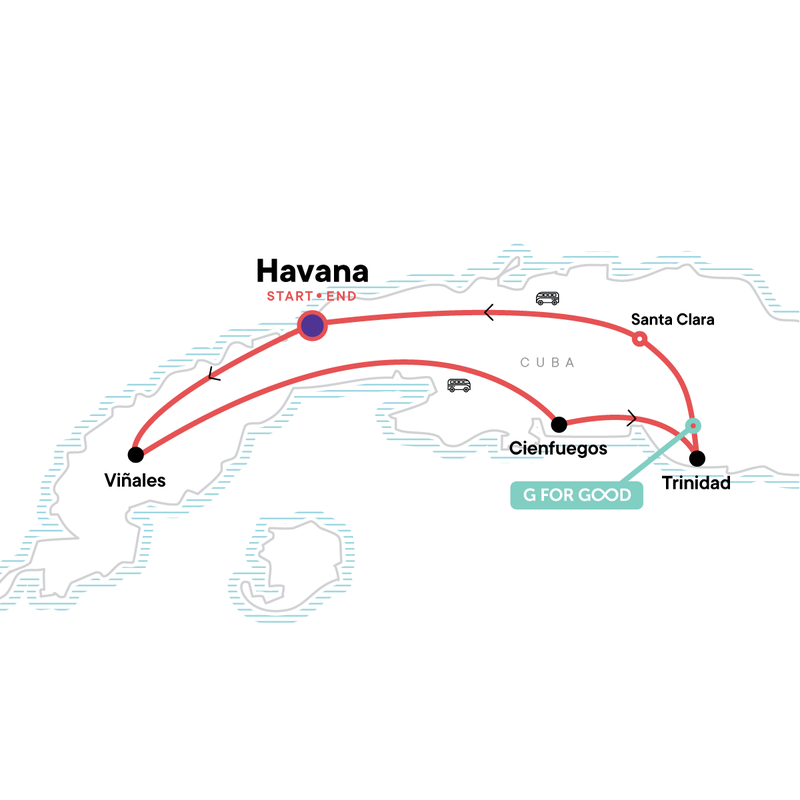
Here’s my proposed 8-day itinerary in Cuba, taking in the island’s main attractions with a mix of culture, nature and beaches:
- Day 1: Arrival in Varadero and transfer to Havana
- Day 2: Tour of Havana
- Day 3: Excursion to Viñales
- Day 4: Cienfuegos and surrounding area
- Day 5: Trinidad
- Day 6: Trinidad
- Day 7: Varadero
- Day 8: Return flight
Transport between towns is by private transfer or Viazul bus, the tourist bus service that links the island’s main destinations.
G Adventures also offers a similar organized tour for those who prefer to travel in a group and enjoy turnkey organization, with a local guide and all transport included:
Havana
Havana is an essential stop on any trip to Cuba. The Old Town (Habana Vieja), a UNESCO World Heritage Site, features an impressive concentration of colourful colonial buildings and lively squares.
The famous American cars from the 50s now serve as cabs for tourists. To see the most beautiful and colourful models, head to Parque Central or Calle Obispo. You can also ask the cab driver to show you the city’s main attractions. If you choose a convertible cab, the experience will be even more fun!
Places to visit in Havana:
- El Morro fortress (Fortaleza de Sans Carlos de la Cabaña)
- The Capitol (El Capitolio)
- Plaza de la Revolución (Revolution Square)
- Havana Citadel (Castillo de la Real Fuerza)
- Café El Dandy for the best mojito in town
- A waterfront stroll along El Malecón boulevard
- An evening of entertainment at the famous Tropicana cabaret
Don’t miss a visit to the famous Hotel Nacional de Cuba, a hotel steeped in history. End your day sipping a cocktail on the panoramic rooftop terrace of Bar Capablanca, named after the Cuban chess champion, or in their courtyard, animated by lively peacocks (yes, real ones!).
The bar at the Royalton Habana Paseo del Prado also flaunts stunning views of the sea and old Havana.
For accommodation, I recommend:
- Hotel Nacional de Cuba
- Hostal Malecon 663
- Iberostar Selection La Habana
- Meliá Cohiba
- Royalton Paseo del Prado
These are modern, renovated hotels (except for the Hotel Nacional, which is a historic building), with an excellent level of service.
Viñales
Two and a half hours from Havana, Viñales plunges you into authentic rural Cuba. This UNESCO-listed valley is famous for its rock formations and is the center of Cuban tobacco production.
Start by taking in the stunning views from the Mirador de Los Jazmines, which reminded me of northern Vietnam. Nearby, be sure to stop by the Mural de la Prehistoria to see this vibrant 120-metre-high mural painted on the mountainside.
Then visit the tobacco plantations, where local farmers will show you the art of making a genuine Cuban cigar. Don’t miss the Cueva del Indio, a natural cave where you can navigate an underground river in a small boat.
One day is enough for most of the trip, but an overnight stay allows you to enjoy the peaceful atmosphere and home-cooked meals in the casas particulares.
Cienfuegos and the Bay of Pigs
Nicknamed “The Pearl of the South,” Cienfuegos stands out for its unique French architecture in Cuba. Its UNESCO-listed historic centre is organized around Parque José Martí, featuring a magnificent cathedral.
Don’t miss the Palacio de Valle, an extravagant coastal palace combining Gothic and Moorish styles. Enjoy the view from the terrace, mojito in hand.
The town is also an ideal base for visiting the Bay of Pigs (for history buffs) or the El Nicho waterfalls. You can ask your accommodation to organize your excursion, or book it online with Civitatis.
I recommend a day to explore Cienfuegos before continuing on to Trinidad.
Trinidad
Trinidad, a UNESCO World Heritage site, is one of the best-preserved colonial cities in Cuba. Its historic centre is characterized by cobblestone streets, pastel-coloured houses, and the Plaza Mayor, surrounded by period buildings. The tour can be enjoyed on foot or by traditional horse-drawn carriage.
The Museo Nacional de la Lucha Contra Bandidos offers panoramic views from its tower. In the nearby Valle de los Ingenios, the Manaca Iznaga tower stands as a testament to the region’s sugar history and provides equally remarkable views.
If you have a little more time, the Topes de Collantes park is well worth a visit. Located in the Escambray mountains, some 20 km from Trinidad, this natural sanctuary is a popular destination for locals, with its lush jungle and waterfalls.
For a cultural break, head to La Canchanchara to try the local cocktail made with rum, honey, and lime. The nightlife comes alive at Casa de la Música and Disco Ayala, a nightclub set within a natural cave.
On the practical side, currency exchange services can be found near the Plaza Mayor, and there’s an ETECSA office where you can buy or recharge a SIM card. The Iberostar Grand Trinidad hotel is located in the heart of the old town, while the Meliá Trinidad Peninsula offers an all-inclusive option just a 25-minute drive away, near Ancón Beach. The modern complex has just opened and offers a magnificent setting.
Trinidad was my favourite part of this trip to Cuba. The city deserves at least two days’ exploration to appreciate its architecture, atmosphere and surroundings.
Varadero
Varadero boasts a 20-kilometer beach considered one of the most beautiful in the world, with its powdery white sand and turquoise waters. It’s the perfect spot to relax after exploring some of Cuba‘s vibrant culture.
I recommend the Meliá Internacional Varadero (recently renovated), Meliá Varadero, Meliá Las Americas (adults only), Grand Aston Varadero, Royalton Hicacos (adults only), and Iberostar Laguna Azul for their exceptional service.
The main activity remains the beach, but a catamaran excursion to nearby cayos with snorkeling can be a wonderful addition to your itinerary.
In the evening, the Club Los Beatles offers excellent live music, and the La Barbacoa restaurant serves tasty grilled meats.
Varadero fits perfectly at the end of your tour for a day or two of relaxation before returning home. Varadero International Airport (VAR) is about a 30-minute drive away. Your hotel will be happy to organize your transfer.
Must-Do Activities
Cuban culture is characterized by its passion for dance and colourful costumes. Here are a few activities to help you immerse yourself in the spirit of the island.
Havana’s Tropicana cabaret offers a dazzling open-air show featuring dancers in extravagant costumes and traditional Cuban music. Although a tourist attraction, this 1939 institution is well worth a visit for its artistic excellence. Standard admission includes a welcome drink. I don’t recommend the meal option, which is generally disappointing and more expensive.
Additionally, the Habana Café, located in the Meliá Cohiba Hotel in Havana, is a treat for jazz enthusiasts. Talented musicians perform in a setting adorned with vintage cars and objects, accompanied by excellent Cuban cocktails. You can book your tickets on-site at the hotel’s reception.
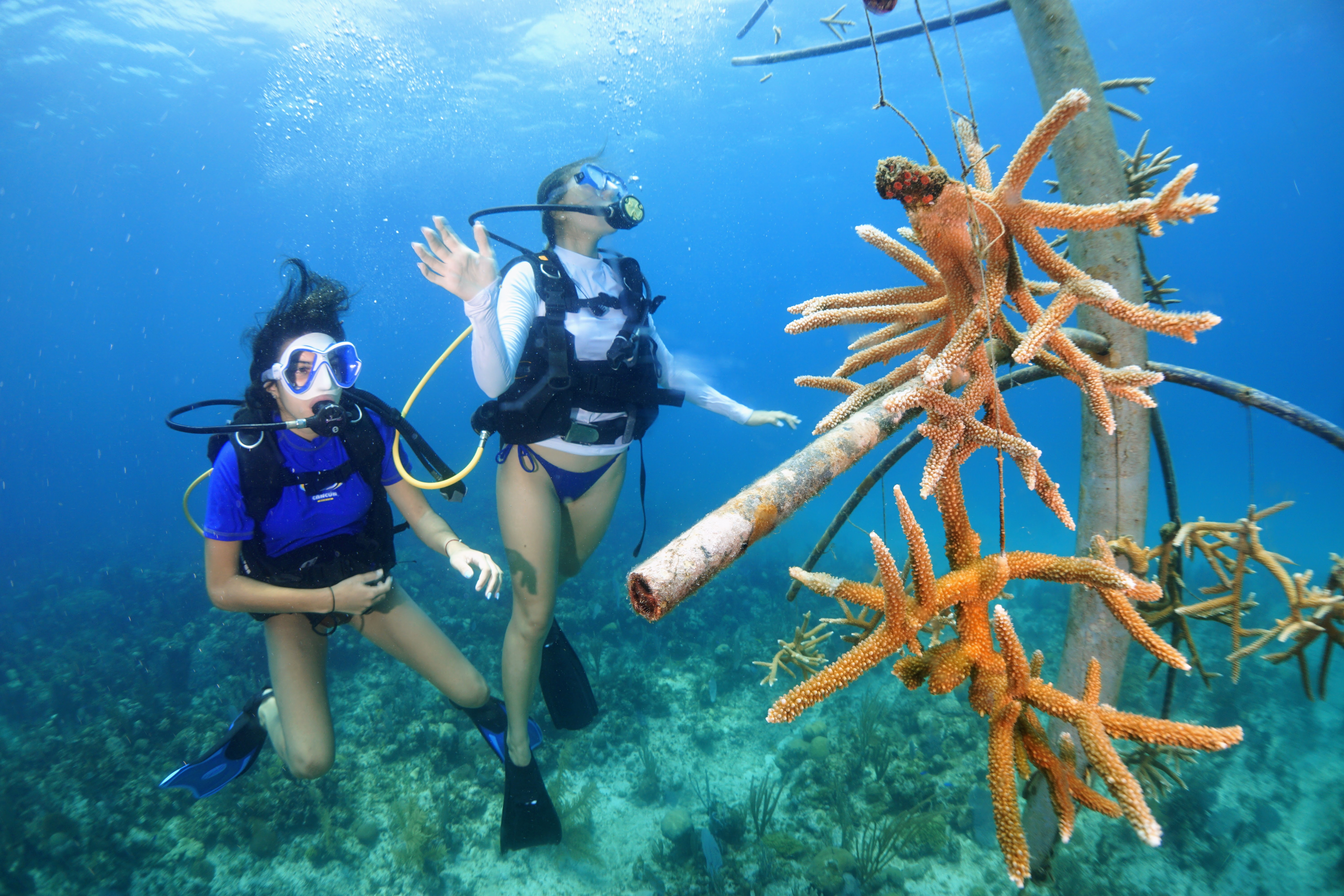
For diving enthusiasts, Cuba offers exceptional sites that are largely unspoiled and less crowded than other Caribbean destinations.
I had the pleasure of meeting Nathali, founder of Cuba Plus Travel. This young Canadian-Cuban living in Havana often compares her native country to Bali for its lush nature and pristine waterfalls.
The Dive and Revive program lets you adopt your own coral and help plant it in Cuban reefs. The touching aspect? Nathali regularly sends you photos and updates about your coral, creating a lasting connection with the Cuban ecosystem.
Through responsible tourism, she hopes to see Cuba become a major ecotourism destination, like Mexico or Costa Rica, while preserving its authenticity.
What to Eat and Drink?
Cuban cuisine is a blend of African, Spanish and Caribbean influences. Here are some emblematic Cuban dishes not to be missed on your trip:
- Ropa Vieja: This traditional dish features shredded beef simmered with peppers, onions and spices. It is served with rice and beans.
- Lechon Asado: Slow-roasted suckling pig on a spit. The meat is tender and juicy, and is often served with yuca (manioc) and fried plantains.
- Moros y Cristianos: This dish is a mixture of rice and black beans cooked together. A classic accompaniment to Cuban cuisine.
- Tostones: Tostones are fried, crushed slices of green plantain. They are often served as a side dish or snack.
- Mojito: Although not a dish, the mojito is an iconic Cuban drink not to be missed. This refreshing blend of rum, mint, sugar, lime juice and sparkling water is the perfect way to end the day.
Where Does Cuba Stand Today?
Visiting Cuba today means understanding the island’s day-to-day reality. Despite its undeniable charm, the country is going through a particularly difficult economic period, which is having a direct impact on tourism.
According to the Government of Canada, Cuba is facing worsening shortages of fuel, electricity, food, water and medicine. These shortages can also affect services in resort areas and disrupt road transport. Fuel availability is reduced and hard to predict.
Drinking water cuts are frequent in several regions, including tourist areas. Food supplies remain problematic, with shelves often empty in local supermarkets. Restaurants for tourists are generally well stocked, but at higher prices.
Access to drinking water is a challenge. Plan to buy or bring enough bottles of water before your excursions: a single bottle can be expensive.
Fuel shortages can occasionally disrupt travel, while power cuts are common in Havana and other tourist areas. However, major hotels are equipped with generators.
By being well-prepared for local realities, Cuba reveals itself to be an extraordinary destination of adventure, cultural richness and remarkable landscapes, comparable to Colombia or Ecuador for travellers in search of authenticity.
The resilience and warmth of the Cuban people, their genuine hospitality, and contagious zest for life more than make up for the logistical challenges encountered along the way.
Travelling to Cuba: Practical Information
Where to Stay?
Cuba offers three main types of accommodation for travellers: All-inclusive resorts, conventional hotels and casas particulares (homestays).
All-inclusive resorts dominate seaside areas such as Varadero and Holguín, offering the typical experience of swimming pools, restaurants and unlimited activities. The Meliá and Iberostar chains are well established here, offering 3 to 5 star establishments. Note that Cuban standards are generally lower than in other Caribbean destinations, even for high-end establishments.
Conventional hotels, found in cities such as Havana, Cienfuegos and Trinidad, offer packages without meals included. Some occupy charming renovated colonial buildings.
Casas particulares (homestays) offer the most authentic experience. These affordable accommodations offer a privileged contact with Cubans and their culture. These guesthouses usually offer hearty breakfasts and can sometimes organize transportation and excursions.
To book, use Airbnb or this site for casas particulares and the official websites of hotel chains (Meliá, Iberostar). Cuban accommodation is not available on standard platforms such as Booking.com or Expedia.
How to Get Around?
Getting around Cuba can be a challenge, requiring organization and flexibility. Here are the main options available:
- Collective taxis (almendrones) are old American cars that follow fixed routes in the cities for a modest fare. To use them efficiently and avoid scams, ask your accommodation for advice on departure points, usual routes and current fares.
- Viazul buses are the most practical option for long distances between cities. Although slightly slower than almendrones, these air-conditioned coaches offer far superior comfort and value for money. They do, however, require prior reservation, especially in high season.
- Private transfers represent a good compromise between comfort and price. You can book them online before you leave.
- I don’t recommend renting a car in Cuba. The often degraded state of the roads, limited signage, frequent fuel shortages and high costs make it a risky option that can complicate rather than facilitate your stay.
Currency, Tips and Credit Cards
Currency and Payment Methods
The official currency of Cuba is the Cuban peso (CUP). According to the Government of Canada, Visa and Mastercard credit and debit cards have no longer been accepted in Cuba since June 6, 2026, and cards issued by U.S. institutions or linked to U.S. banks are not accepted either. What remains is cash and the national prepaid cards Clásica and Tropical, which may not always work. Plan to bring enough cash for your entire stay.
Currency Exchange
Cuba applies several exchange rates, and the gap between the official rate and the parallel market rate can be significant. Rates change often: check them before you leave.
Exchange your money only at authorized places: exchange offices at international airports, banks, large hotels and official exchange offices. According to the Government of Canada, exchanging money on the street is illegal, and black-market transactions can cause problems with the Cuban authorities.
Which Currency to Bring?
According to the Government of Canada, Canadian dollars are not widely accepted or easy to exchange in Cuba. U.S. dollars and euros are accepted more readily. Also bring small bills in perfect condition for meals, taxis and tips: even slightly damaged bills may be refused.
Important: don’t bring coins, as Cubans can’t deposit them in banks.
How to Obtain USD Before Departure
To minimize withdrawal fees, use ATMs that dispense U.S. dollars in Canada. Scotiabank, CIBC, TD, and RBC have machines available throughout the country.
Tipping
Tipping is highly appreciated in Cuba, where it serves as an important source of additional income for locals. Make sure to have small denomination bills for guides, drivers, servers, and hotel staff. A tip of 1-2 USD per service is generally appreciated.
The Canadian dollar is poorly accepted in Cuba and hard to exchange: keep small U.S. dollar or euro bills for tips instead.
Gifts and Items to Bring to Cuba
Cubans face chronic shortages. Here’s what you can bring as gifts that will be greatly appreciated:
- Over-the-counter medicines and first-aid products (antihistamines, vitamins, analgesics, disinfectant wipes). Tylenol and Advil are considered gold in Cuba!
- Mosquito repellent
- Feminine hygiene products (tampons, pads)
- Soap, shampoo, toothpaste, toothbrushes
- Tissues and wet wipes
- Children’s clothing, socks, caps, hats
- School supplies (pencils, notebooks, pens, erasers)
- Kitchen utensils and dishcloths
- Non-perishable foods such as juice powder, milk powder, candy, instant noodles, etc.
- Basic spices such as salt, pepper, paprika and others
Internet and Cell Phones
Internet access in Cuba remains below North American standards and can be unreliable, especially during power cuts.
Hotels generally offer Wi-Fi, but quality varies. You will often need to get an access code at the front desk.
To stay connected on the move, the Airalo eSIM can help if your phone is compatible: check coverage in Cuba before buying. You can also opt for a SIM card from Cuban national operator ETECSA, available from their offices in town.
Mobile network quality varies according to your location. In major cities and tourist areas, coverage is generally good, but becomes patchy in rural areas.
Certain restrictions also apply. Many popular services such as TikTok, Spotify and streaming applications are not accessible in Cuba. Using a VPN is therefore recommended to access all your usual services.
Before you leave, download maps, translations and travel guides in offline mode for added peace of mind. Also, let your loved ones know that your connection will be limited and irregular. Finally, take this opportunity to disconnect and live the Cuban experience to the fullest!
Health and Safety
The Government of Canada advises you to avoid non-essential travel to Cuba (see the notice at the top of the page). If you travel anyway, a few health and safety precautions are in order.
There is a risk of tropical diseases such as dengue fever, particularly during the rainy season. Before you leave, make sure your vaccinations are up to date (tetanus, hepatitis A and B, typhoid). If necessary, consult a health professional.
Bring a good mosquito repellent and use it frequently, day and night. Malaria is not transmitted in Cuba.
Drug shortages are common in Cuba. Bring all your usual medicines in sufficient quantities, as well as a first-aid kit including painkillers and remedies for digestive disorders (loperamide, calcium carbonate, antibiotics, electrolyte sachets), as you probably won’t find any on site. Your pharmacist is your best resource for advice on a complete travel kit adapted to your situation.
Tap water is not drinkable. Drink only bottled water or water filtered by your hotel.
As far as personal safety is concerned, the major risks are pickpocketing and tourist scams. Keep your valuables in a safe place, and beware of improvised “guides” or offers that are too good to be true.
Finally, don’t leave home without travel insurance! Check your credit card coverage or purchase insurance before you travel. I personally use soNomad, a Canadian company that offers the best prices on the market.
Visa, Customs, and Entry Requirements
According to the Government of Canada travel advisory, Canadian tourists need a visa to enter Cuba. It allows stays of up to 90 days. It is generally included in vacation packages and in tickets from airlines offering direct flights from Canada.
If you travel via a third country, including on a connecting flight, you must obtain a Cuban electronic visa before departure. You will be given a 10-character code to enter in the online customs form. This form is free and is completed on the D'Viajeros government portal no earlier than 72 hours before you enter Cuba.
You will then receive a QR code by email. Show it, in digital or printed form, at check-in and to the Cuban authorities on arrival. Keep a copy easily accessible, even offline.
You must also be able to show proof of health insurance on arrival. When leaving the country, you may not take more than USD 5,000 in cash (or the equivalent in another currency), or more than 5,000 CUP. Always check the Government of Canada travel advisory before you go.
Bottom Line
Cuba offers a unique travel experience, both culturally rich and exotic. With its enchanting music, idyllic beaches, colonial architecture and friendly people, the island has left me with unforgettable memories.
Don’t forget that travelling in Cuba also means adapting to a different rhythm and accepting a few unforeseen events with grace. Flexibility and patience are your best allies in making the most of this destination.
So pack your bags, slip in a few gifts for your Cuban hosts and set off to discover this pearl of the Caribbean.
¡Buen viaje!