Evaluation of Questrade: Canada’s largest independent online brokerage firm

Loading article…
Questrade is an investment dealer that opened its doors in 1999. Over the years, Questrade has become the largest independent broker in Canada. The company has $30 billion in assets under management and is a 12-time winner of Canada’s Best Managed Companies list.
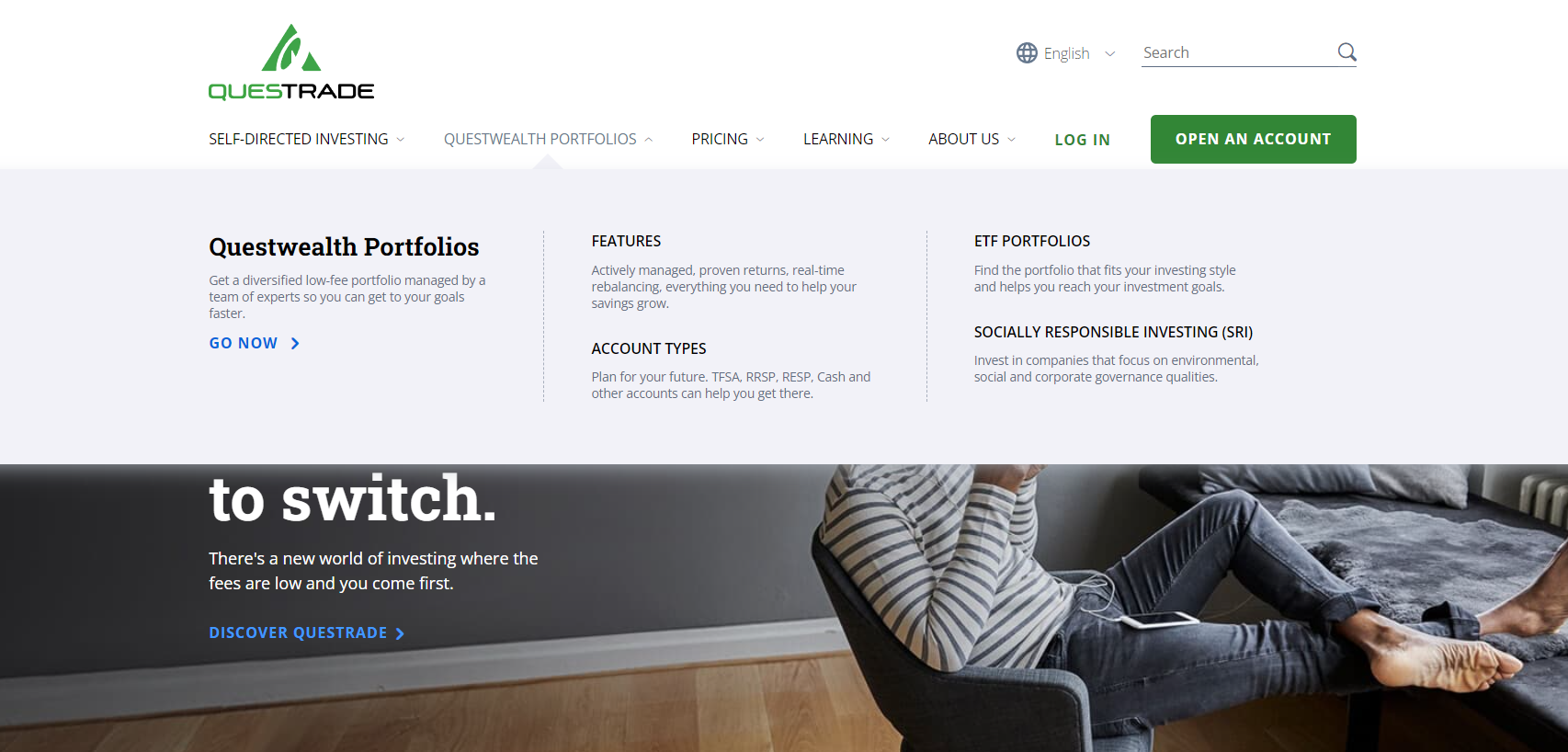
As you will see below, Questrade offers several products and services, such as self-directed investments with the brokerage platform and professionally managed active investment portfolios. What’s more, Questrade sets itself apart from the competition by offering an impressive variety of individual, joint, corporate and trust accounts. In 2023, Questrade made a big splash by being the first online broker in Canada to offer the First-Home Savings Account (FHSA).
Whether you’re a novice or an advanced investor, Questrade has the trading platforms and analysis tools to meet your needs.
The Questrade online brokerage platform offers a wide variety of products and services. Firstly, Questrade offers a self-directed investment service (Questrade Trading) and a professionally managed investment portfolio service (Questwealth Portfolios).
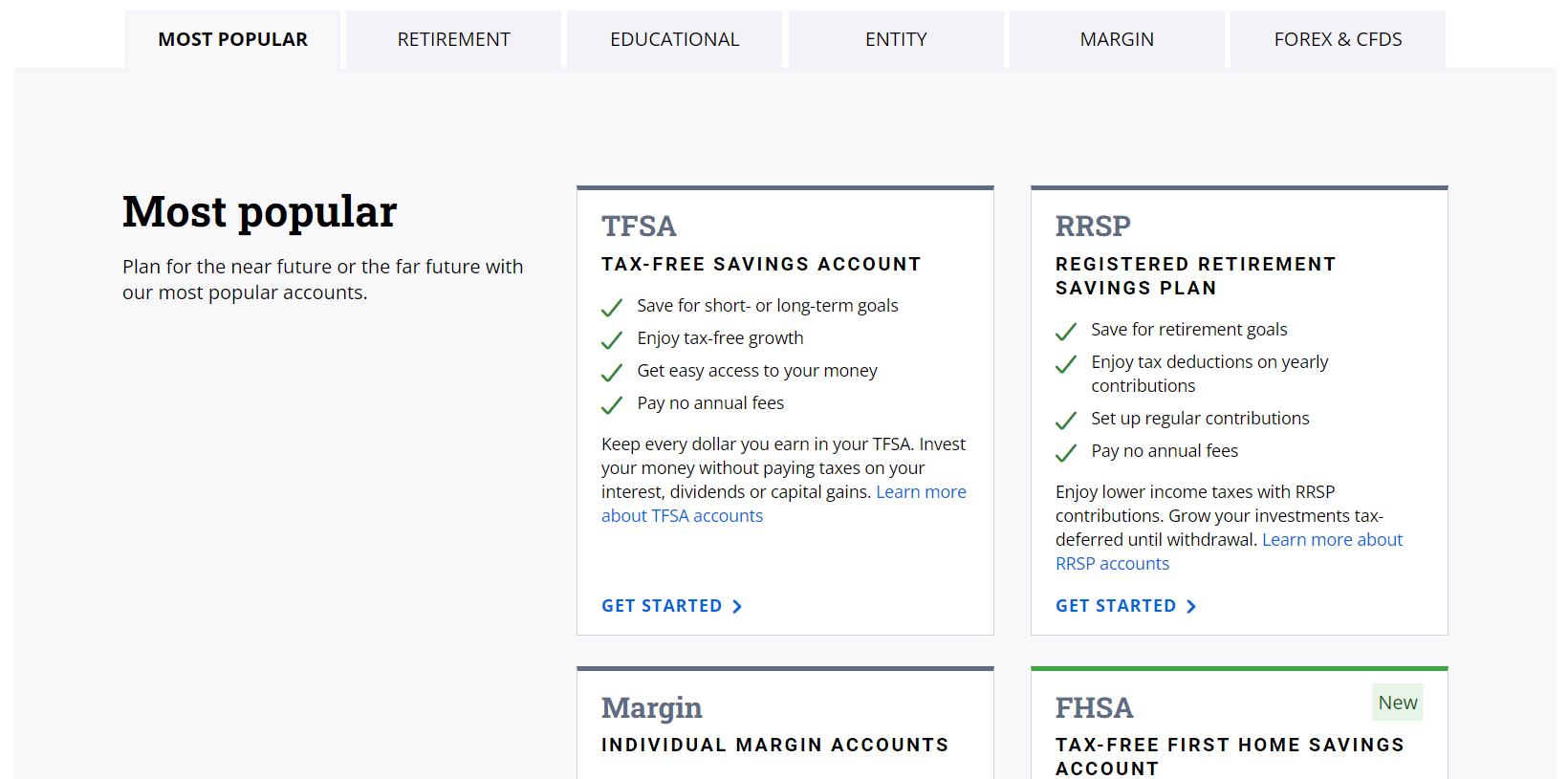
Next, Questrade offers several types of investment accounts, including margin accounts, registered accounts (TFSA, FHSA, RESP, RRSP, RRIF, etc.) and corporate accounts.
Subsequently, Questrade enables trading in a wide variety of investment products, from safe investments such as guaranteed investment certificates (GICs) to more volatile asset classes such as equities, exchange-traded funds (ETFs) and options.
Finally, Questrade offers several trading platforms, including an online trading platform (Questrade Trading), a mobile application (QuestMobile) and an advanced trading application to install on your computer (Questrade Edge).
Here’s more information on each of Questrade‘s products and services…
Questrade Trading lets you invest in the stock market yourself, using a variety of trading platforms, investment products and account types. With the help of Questrade Global, you can also invest in commodities and foreign exchange (Forex). Questrade charges no administration or inactivity fees, and trading fees are among the lowest in Canada.
Questwealth Portfolios is a professionally managed investment portfolio service from Questrade.Management fees are 0.25% per year (or 0.20% if you invest $100,000 or more). With management fees of 0.12% for the ETFs held in the portfolio, total fees amount to 0.37%. This service offers automatic portfolio rebalancing when necessary.
As mentioned above, Questrade offers several types of investment accounts.
First, here are the most popular accounts:
Next, here are the other types of accounts offered by Questrade for self-directed investments: retirement, education, business, etc.
Retirement :
Studies :
Entity and trust :
Margin accounts :
Forex :
The following is a list of investment products available as self-directed investments from Questrade. Note the wide variety of investment types for all objectives, investment strategies and risk levels.
Questrade offers several trading platforms for beginners and more experienced investors alike.
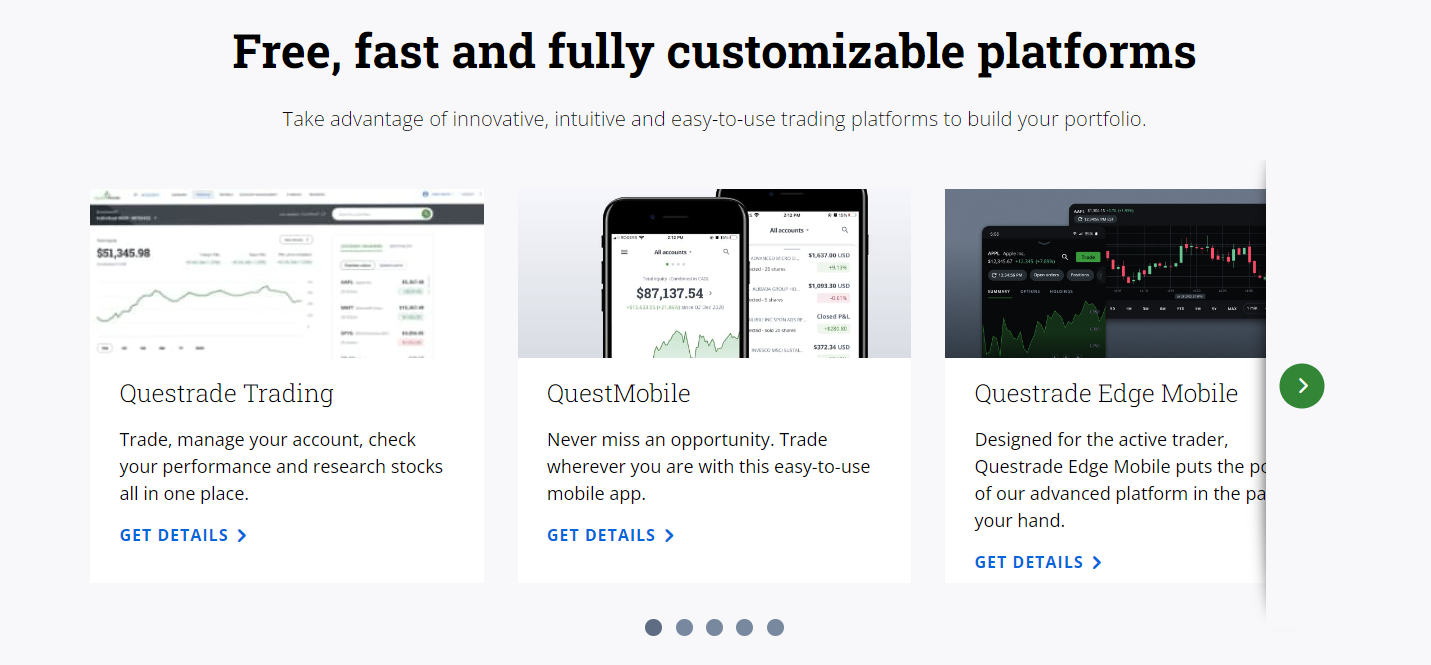
All-in-one platforms :
Advanced trading platforms :
Questrade Global: Platform for trading currencies (Forex) and commodities on international markets.
Questrade charges no administration or inactivity fees. What’s more, it offers some of the lowest trading fees in Canada.
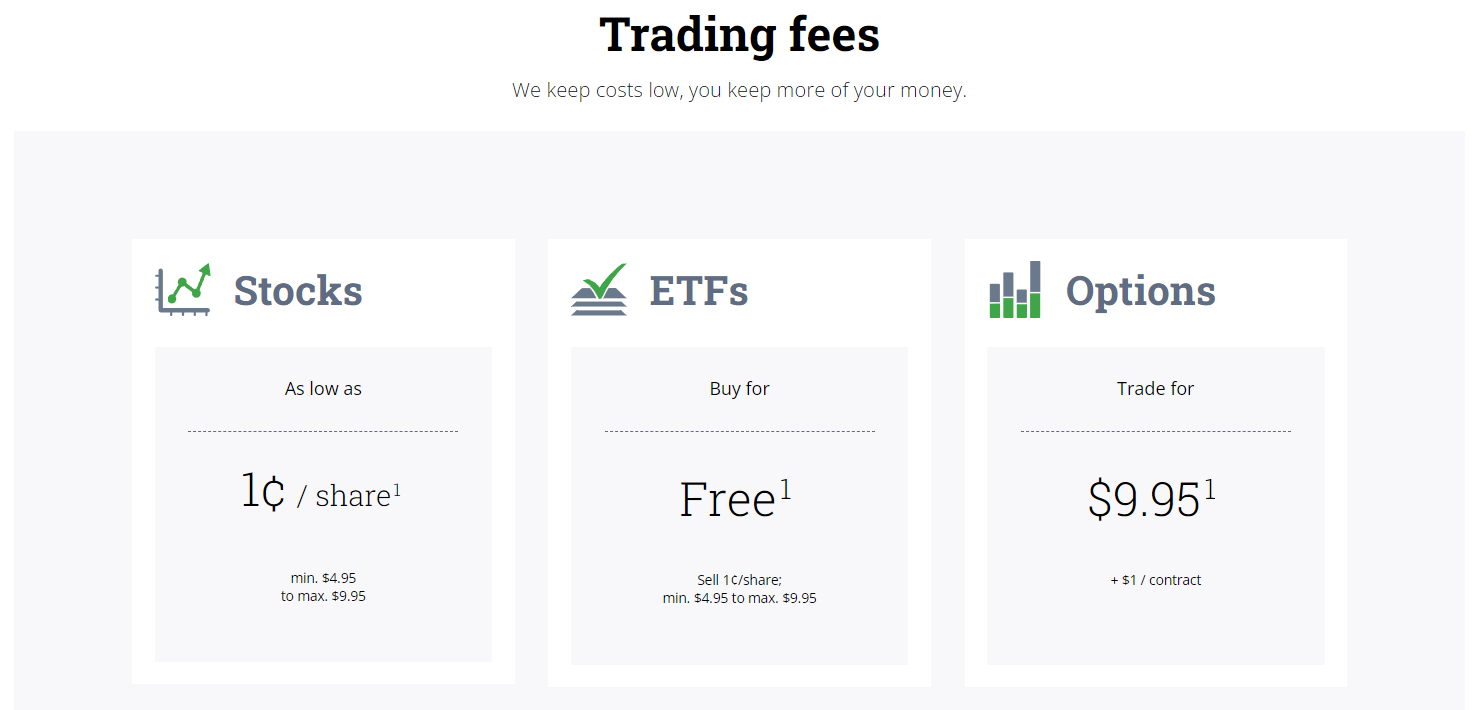
Precious metals: US$19.95 per transaction
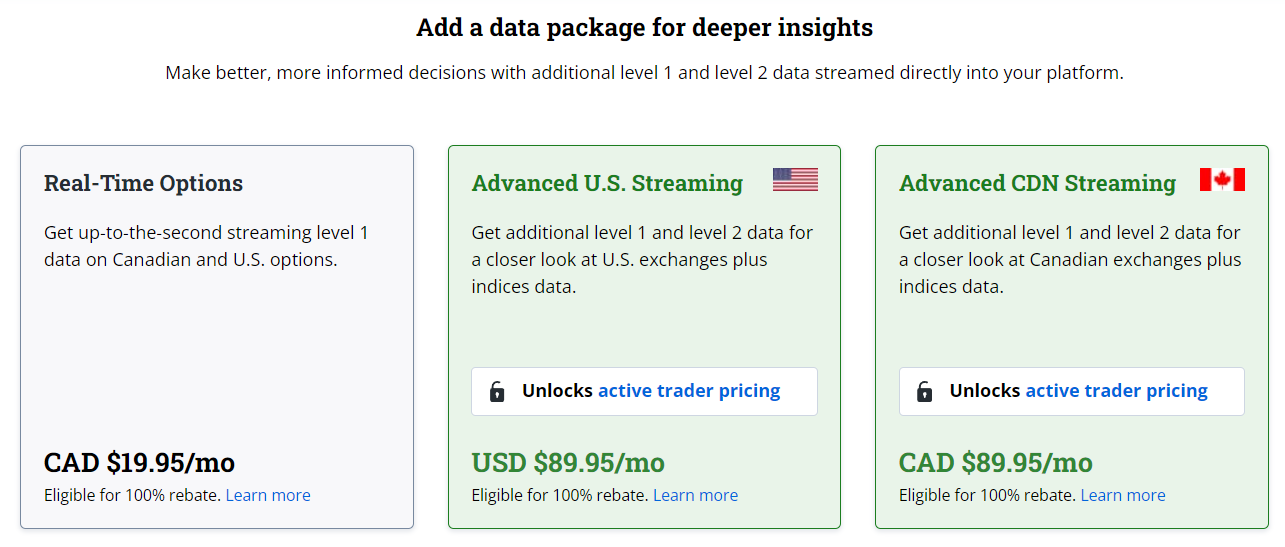
Several features are available free of charge with all Questrade accounts. These include unlimited instant quotes for equities and ETFs (at the click of a button) and continuous real-time streaming of TSX and TSXV indices.
However, for active investors who wish to obtain additional data, and for data to appear in real time without refreshing the page, you need to subscribe to a monthly plan.
The online account opening process is very simple:
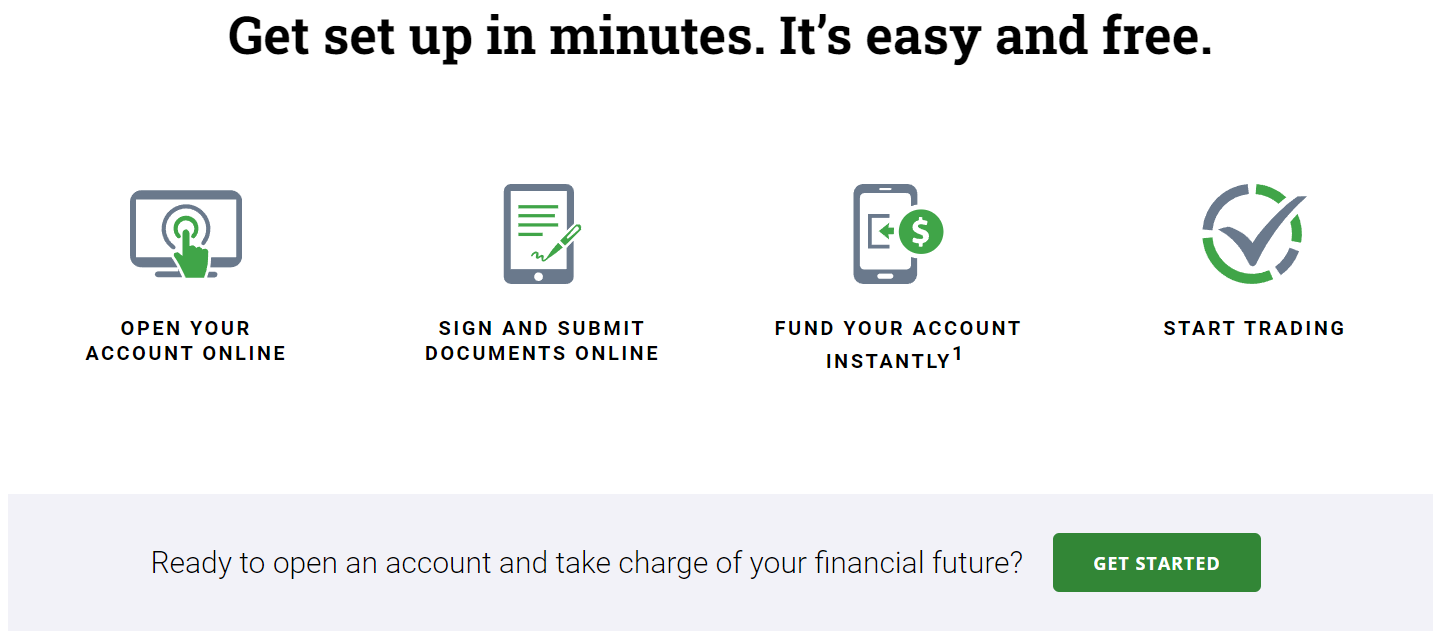
However, not all stages of the account opening process are offered in French. For example, the account creation step is available in both English and French. While the steps for submitting documents online and funding the account are offered in English only. According to their website, Questrade is working to complete the French translation of its website and trading platforms.
When you transfer your investment accounts from your current bank or online broker to Questrade, you can obtain a refund of the transfer fee. Your former bank may charge you a fee, usually between $50 and $150. Questrade offers a refund of these fees, up to $150 per account. To request a refund, simply send Questrade proof of fees paid within 60 days of the transfer.
Questrade customer service is available via chat, telephone, e-mail and in person.
Here are the advantages and disadvantages of Questrade.
In short, Questrade lets you invest on your own (self-directed investments) or with the help of professionals (actively managed investment portfolios). Whether you’re a novice or an advanced investor, Questrade offers the trading platforms and analysis tools to meet your needs.
For more information, please visit the Questrade website or contact customer service at www.questrade.com.
Here are the answers to the most frequently asked questions about Questrade.
The online account opening process is very simple. In fact, there are just four steps: open the account, submit documents online, fund the account, start trading. However, not all stages of the account opening process are offered in French.
The Questrade online brokerage platform offers a wide variety of products and services. First, you need to choose between self-directed investing (online brokerage) or professionally managed investment portfolios (Questwealth Portfolios). For independent investors, you can open several types of investment accounts, such as margin accounts and registered accounts (TFSA, FHSA, RESP, RRSP, etc.). You can trade a variety of investment products, such as stocks, exchange-traded funds (ETFs) and options. Among the many platforms available, you can use the online trading platform (Web), the mobile app (iOS and Android) or the advanced trading app to install on your computer (PC and Mac).
Of course. Questrade is an investment dealer that opened its doors in 1999 and has grown to become Canada’s largest independent investment dealer. It has $30 billion in assets under management and is a 12-time winner of Canada’s Best Managed Companies competition. Questrade is a member of IIROC (“Investment Industry Regulatory Organization of Canada”) and CIPF (“Canadian Investor Protection Fund”). Finally, Questrade protects its customers’ accounts with an additional $10 million in private insurance.
on BMO's website
Our reviews and rankings are based on an objective assessment. Advertisers do not influence our content. We may receive compensation through some links; our analysis and opinions remain independent.