Brazil: Travel Guide to São Paulo, Its Coast, and Its Beauty
- Our articles about Brazil

Loading article…
Circuito Litoral Norte São Paulo and São Paulo Turismo invited Milesopedia to visit their tourist attractions, in collaboration with Air Canada for the flight.
No compensation was received for this report: the opinions remain my own and have not been influenced in any way.
To facilitate the arrival of Canadians in their country, Brazil took a first step by eliminating the entry visa requirement as of June 27, 2019. Then, on December 11, 2019, a second step was taken in partnership with Air Canada, to offer a direct flight for people in the Montreal area to São Paulo.
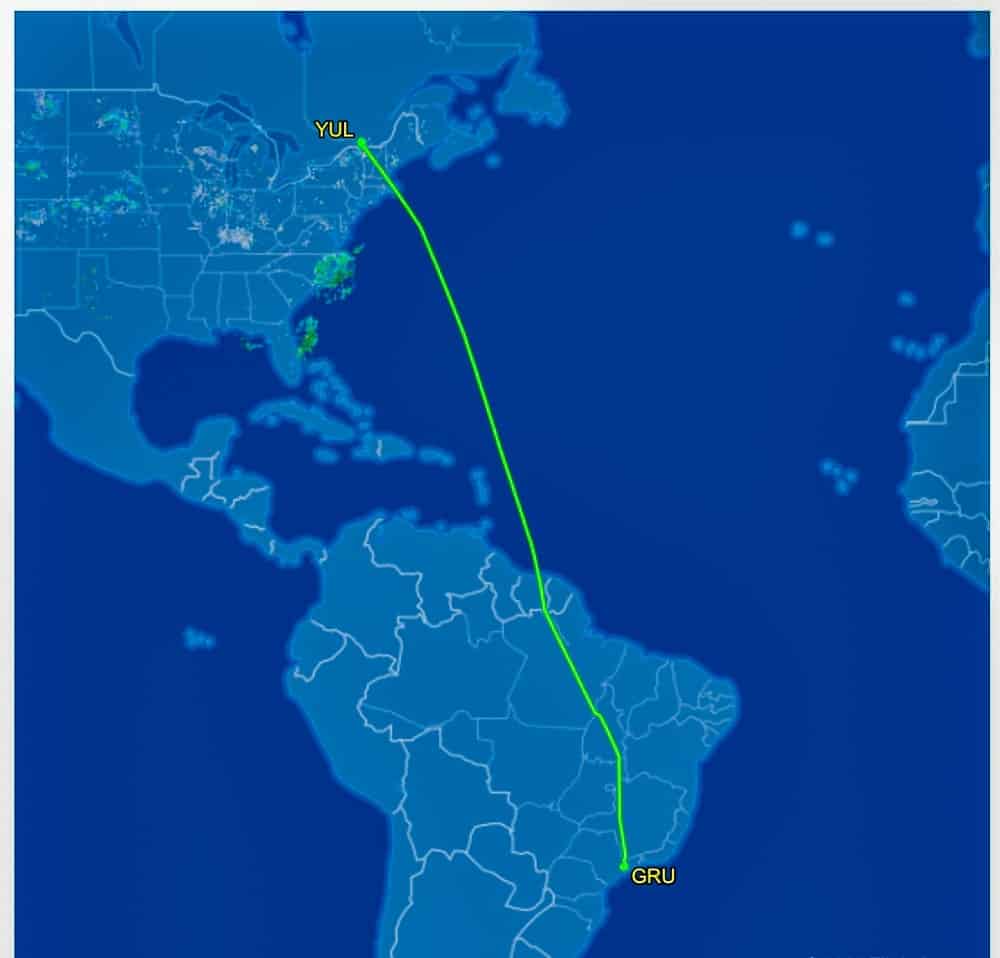
One of the objectives of these 3 new weekly flights from Montreal to São Paulo is to invite Canadians to discover the natural and architectural beauty of the region, as well as to experience diverse gastronomic and cultural offerings.
In addition, the time difference is only 2 hours from Quebec, and the Brazilian Real (R$, their currency) is approximately 3 Reais to 1 Canadian dollar.
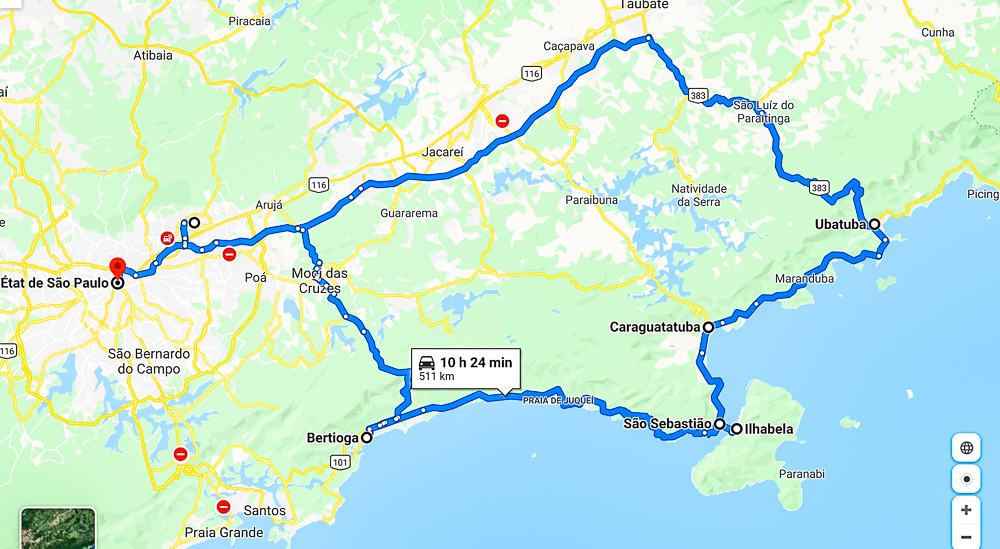
The São Paulo region and its coast are therefore a well-kept secret…for now!
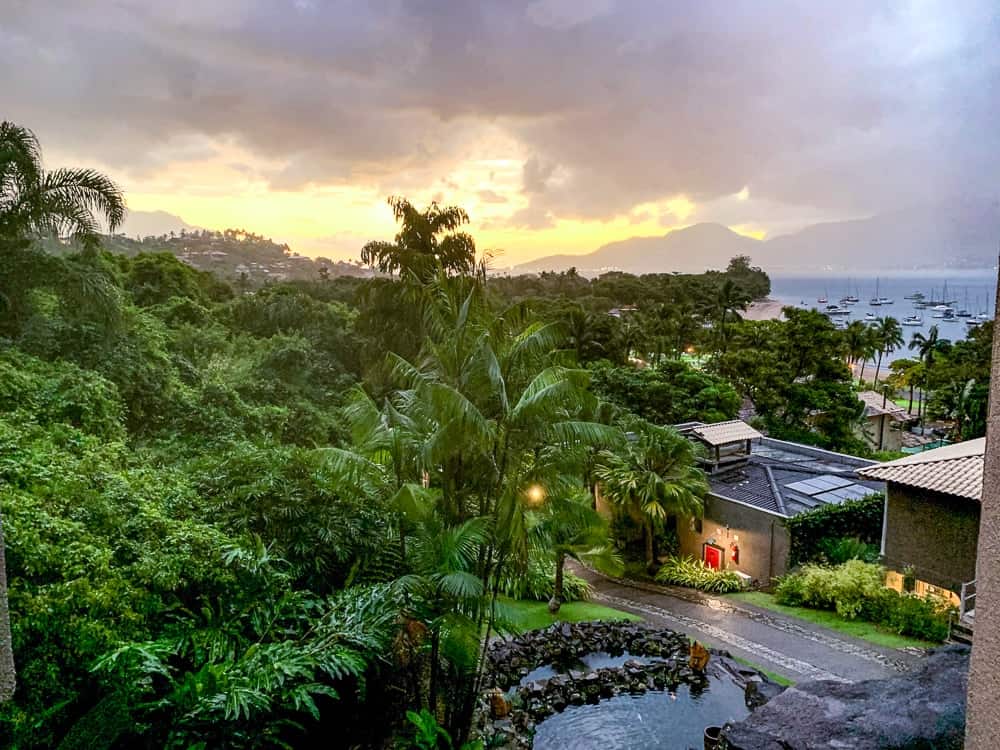
Just over 100 kilometers from Guarulhos International Airport lies the town of Bertioga, with a population of approximately 60,000 people. To the north is dense forest, while to the south it is bordered by white sand beaches. This is the beginning of a 180-kilometer circuit and a multitude of beaches stretching all the way to Ubatuba.
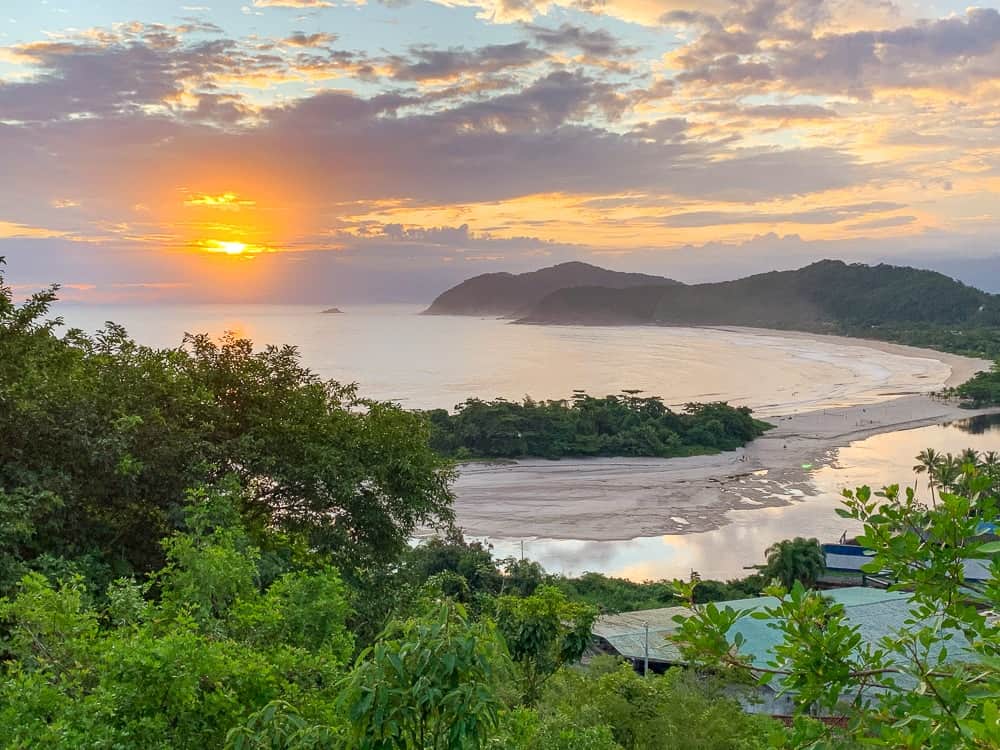
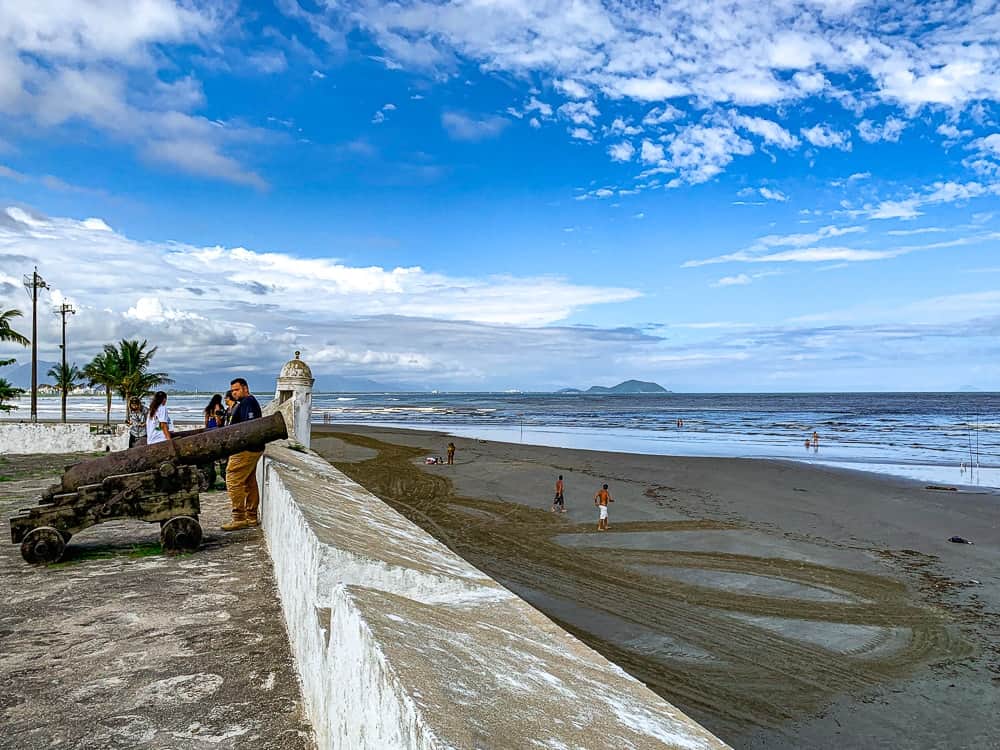
The town is distinguished by the presence of an indigenous tribe (Tribo Indigena Rio Silveira) that can be visited, the opportunity to hike on trails of varying difficulty levels in the wilderness, and to visit Fort São João, a heritage site where the Portuguese arrived in the 16th century.
Restaurant: India das Ostras, offering seafood meals and generous portions. Fresh, good service, and casual and unpretentious. Menu ranging from R$15 to R$120.
The town’s name is inspired by the ocean breeze that cradles it.
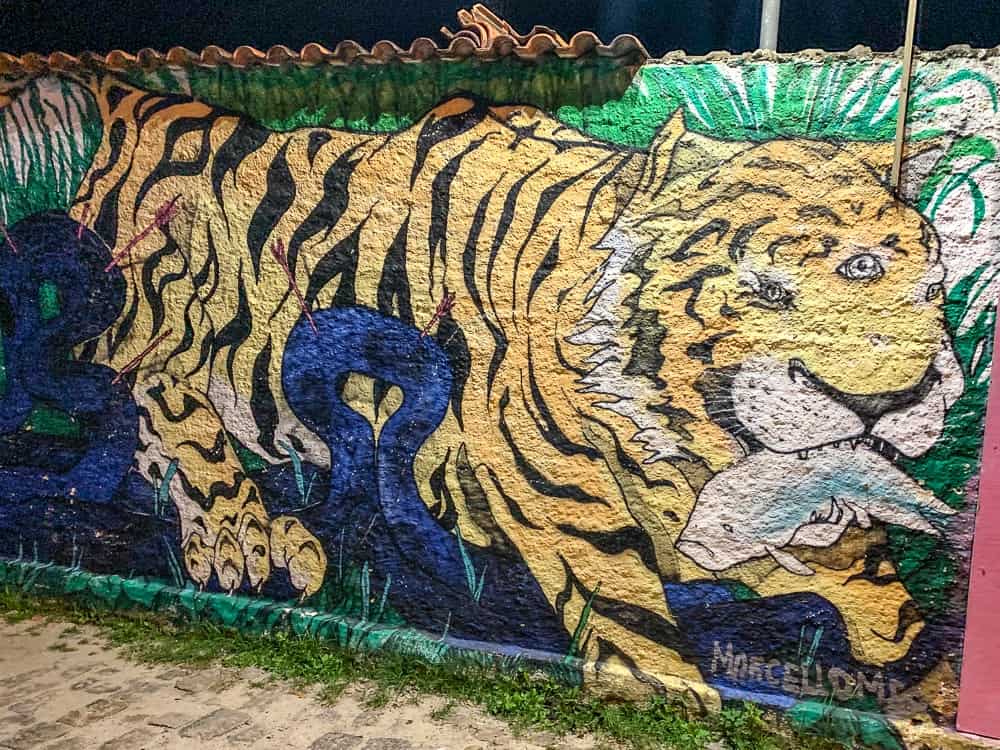
It is touristy, youthful, and features a multitude of restaurants, shops, and bars. An urban art alley named “Beco da Mulher Maravilha” (Wonder Woman Alley) is worth a visit.
Accommodation: Toca da Praia. Reasonable price, good breakfast, reliable wifi, and welcoming hosts.
Restaurant: Badaue. Excellent restaurant right on the beach, but with a higher cost than the average restaurants in the area.
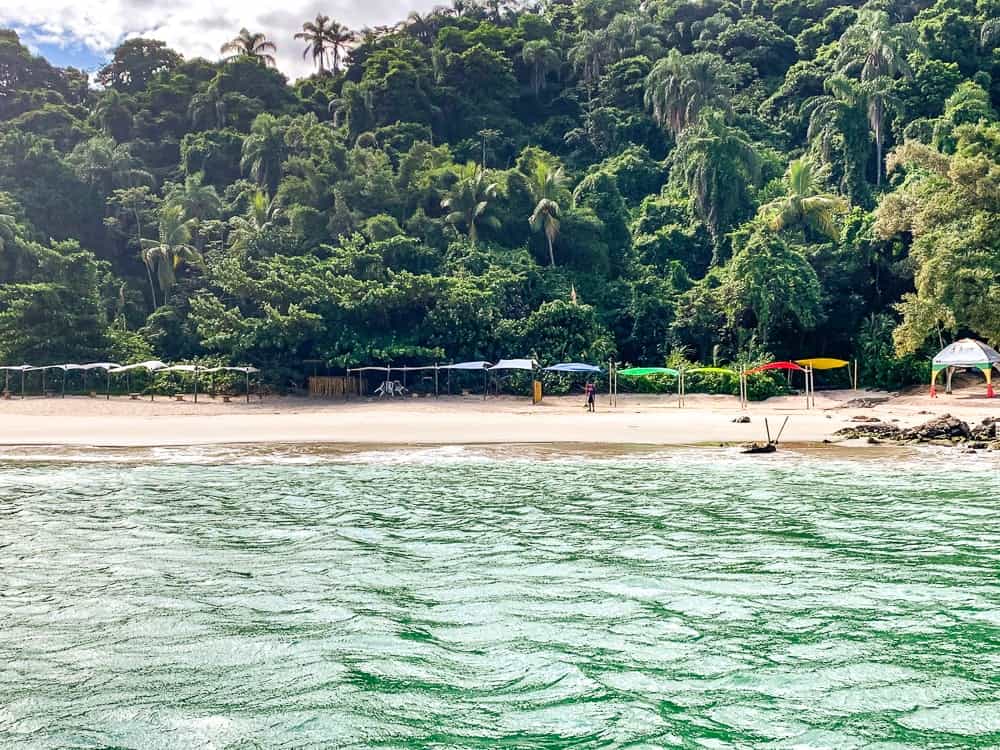
For a day of relaxation on a secluded island, head to Marina Vitória, which offers excursions to As Ilha (starting at 120 R$ per person, via Maresias Tur). Amenities on the beach allow you to feel far from everything and swim in the turquoise ocean.
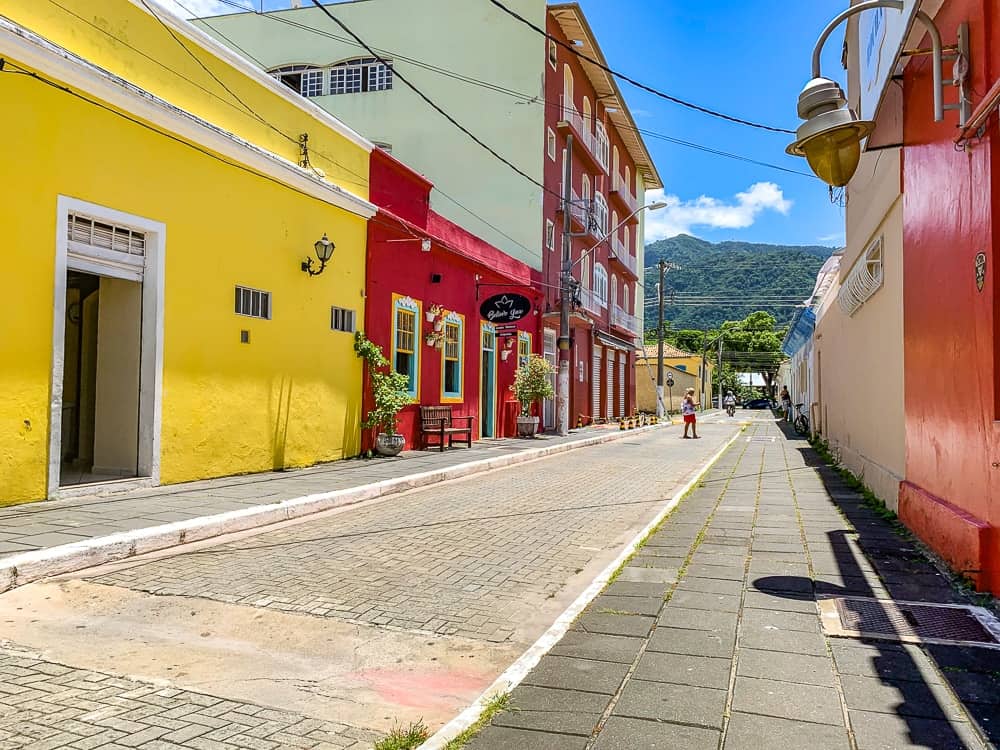
São Sebastião is a city rich in history and culture, nestled in the mountains. We recommend hiring a guide to walk through the colorful neighborhood and discover its different facets.
Goncalves Turismo: offers tours of the city’s historic center, starting at R$30 per person. Guides are knowledgeable and share interesting anecdotes.
Brasileira Gourmet: A restaurant featuring Brazilian specialties inspired by the concept of “food as culture.” Delicious, great atmosphere, and relaxed.
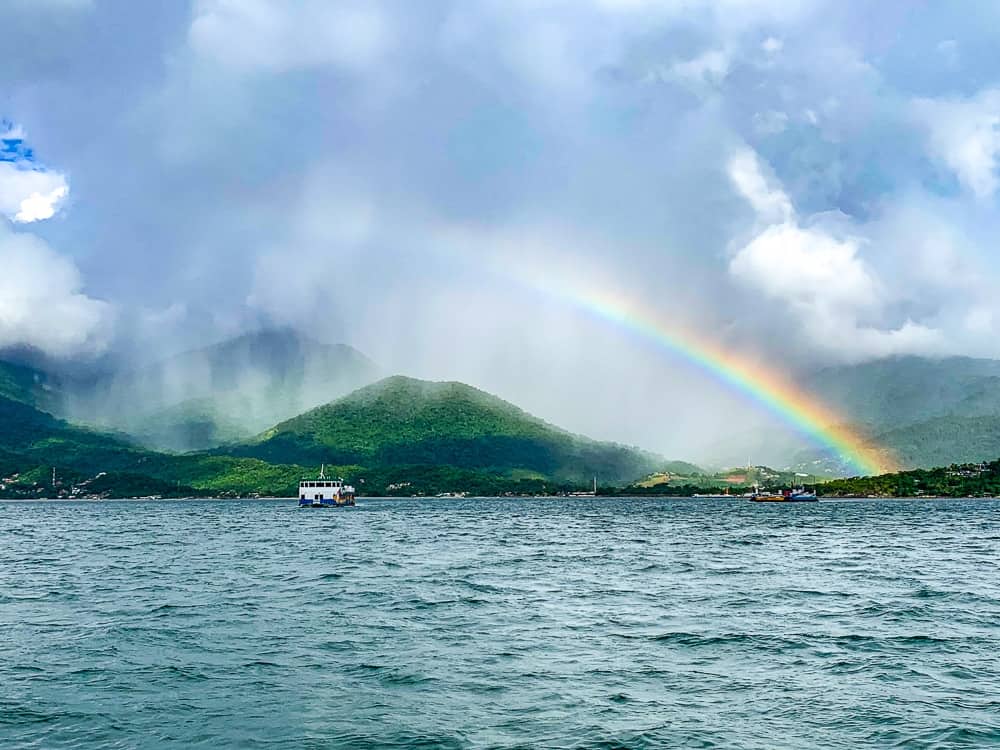
From there, a ferry will take you in 15 minutes to São Sebastião Island (commonly called Ilhabela), home to approximately 35,000 inhabitants, which proudly claims that 84% of its forests are preserved.
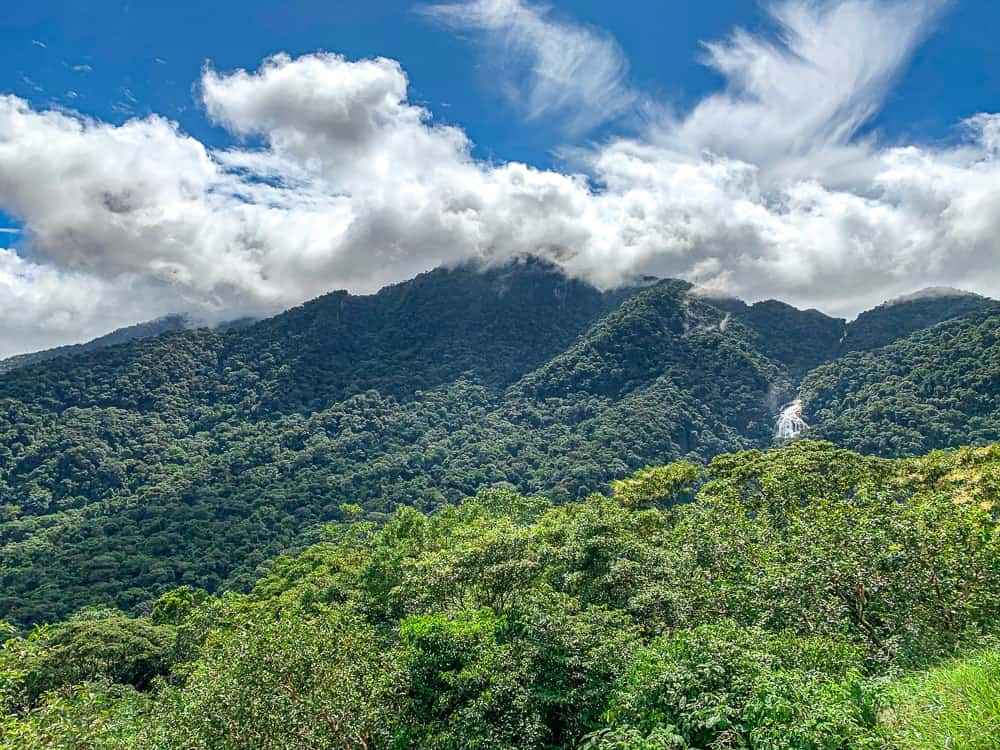
It has 130 kilometers of coastline and is a refuge for birds, marine mammals, and fish. Impressive waterfalls are scattered throughout its territory.
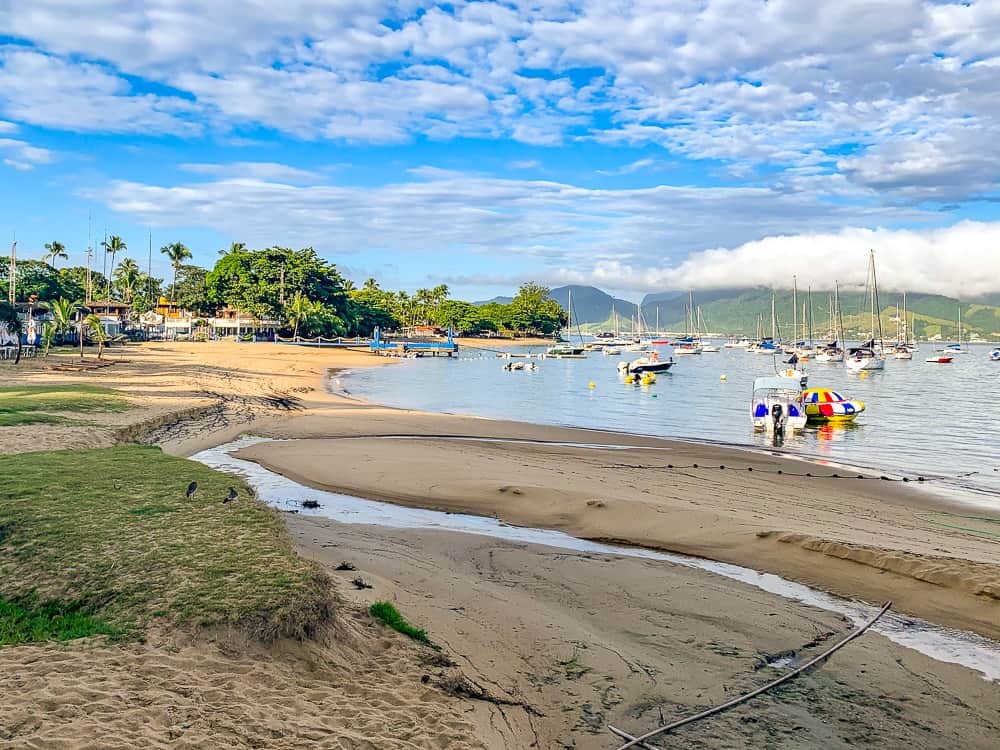
You can discover it from the inside by hiking through its virgin forests or from the outside, by taking kayak excursions and diving around the island. Its town is filled with history and culture.
Everything is very safe; everyone knows each other. My favorite.
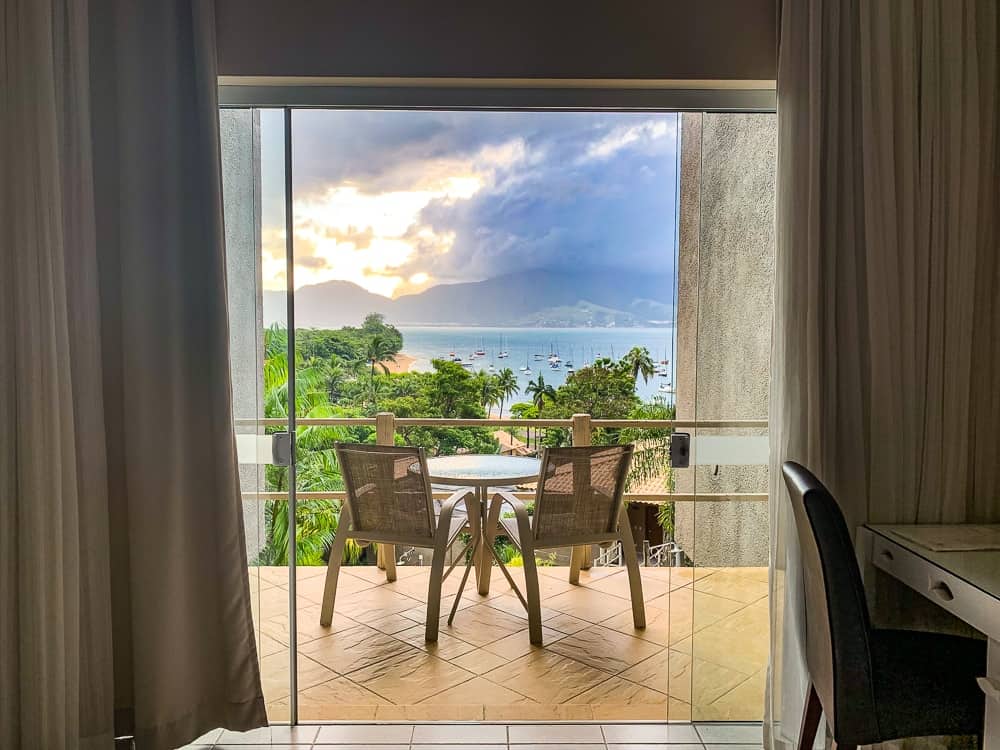
Restaurant: Atelier do Tonhao. Casual restaurant, Brazilian food with French inspiration. Friendly chef, delicious dishes, fair price.
Accommodation: Hotel Itapemar. Well located, higher cost than average but with more amenities, including wifi, breakfast, and pool. The wifi didn’t work well in my room, however.
For an ecotourism guide, Guido Botto and his team at Nature Experience can accompany you on the excursion of your choice. Originally from South Africa, he detoured through Montreal and then Vancouver before migrating to Brazil.
35 kilometers away is Caraguatatuba. Try saying it several times in a row!
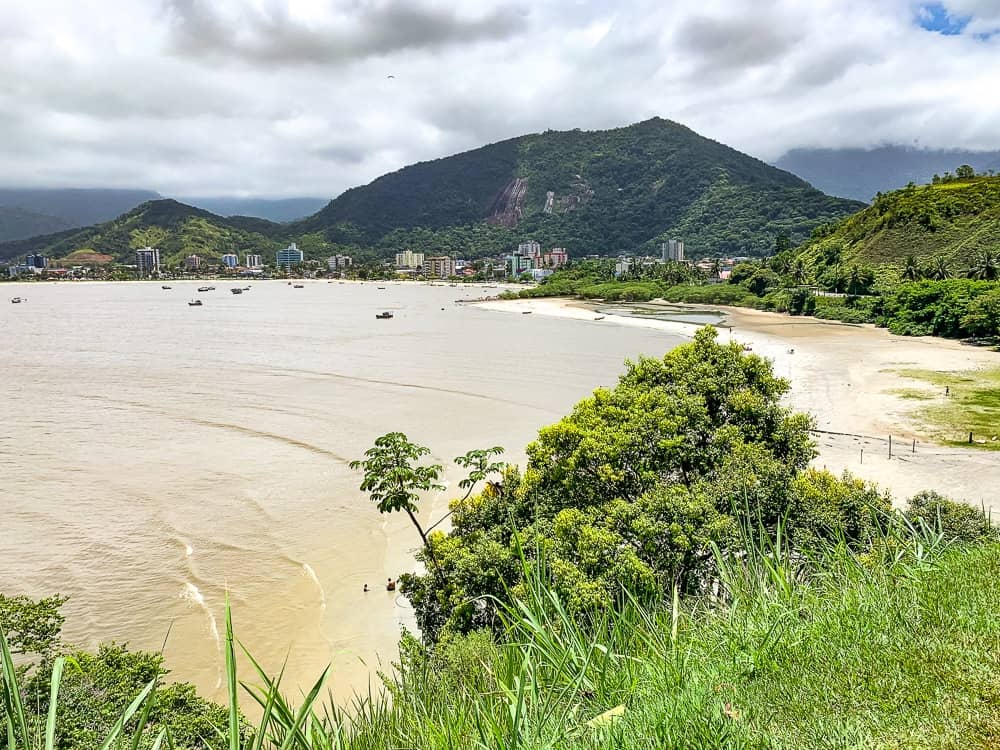
This town is one of the largest in the region, with 115,000 inhabitants. Its beaches are endless, surrounded by mountains, and it is connected to sports and ecotourism.
At the top of Santo Antonio mountain, take time to admire the view or go paragliding.
In the east of the town, locals head to Por do Sum to appreciate the landscape from above and swim at the secluded beach.
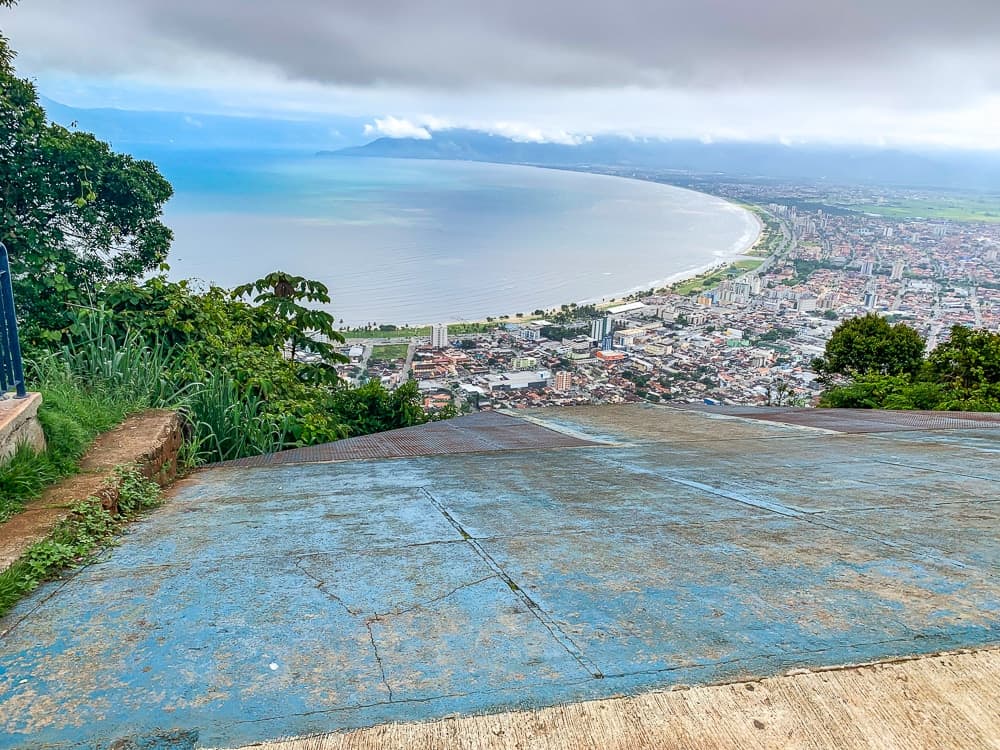
Restaurant: Guaruçá. The most popular restaurant in town, on the beachfront with a family atmosphere. For about 80 R$ each, you get large portions of seafood and fish.
Guide for the coast: Drisana Holland, very friendly and resourceful, who works at Maresias Tur.
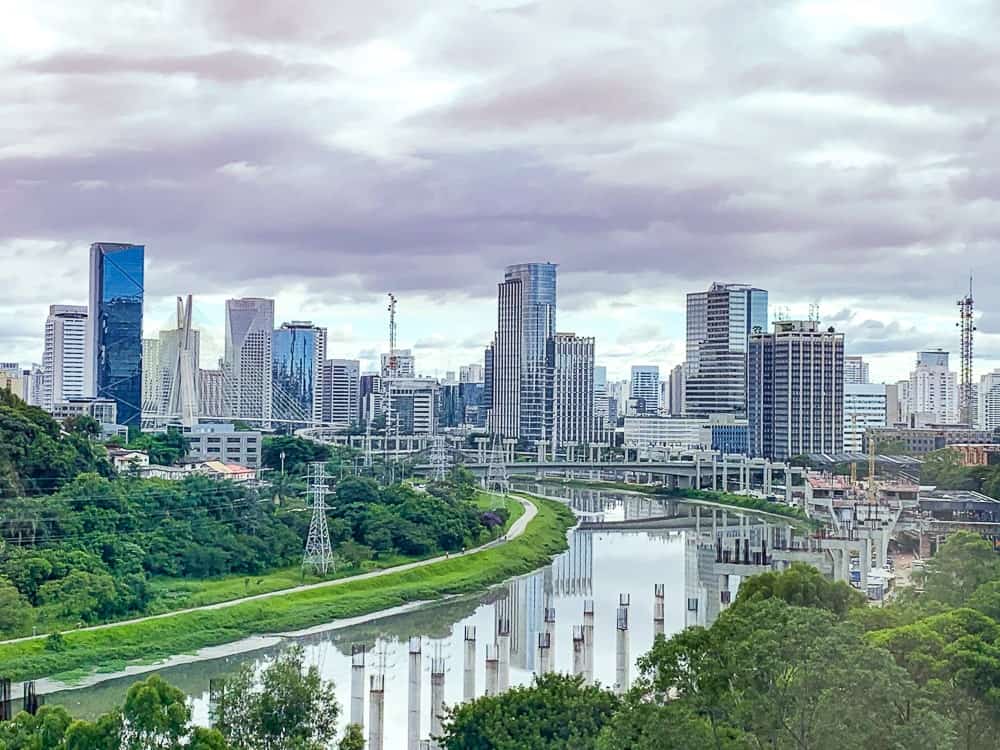
The megacity of over 22 million inhabitants is gigantic but energizing. With its 8 million cars and 50,000 buses traveling through it every day, the enormous traffic can, however, give you a headache.
It is primarily for business travelers, but it is gradually opening up to tourism. A day with a guide who takes you directly to the main points can be very interesting if you have limited time, considering the traffic. Two or three days are sufficient to visit the main attractions, including museums, and to savor the local gastronomy.
For museum and art lovers, MASP (Museu de Arte de São Paulo) allows you to see works by Botticelli, Monet, Van Gogh, Toulouse-Lautrec, and Degas, among others. Its building consists of a large rectangular block supported by 4 red beams.
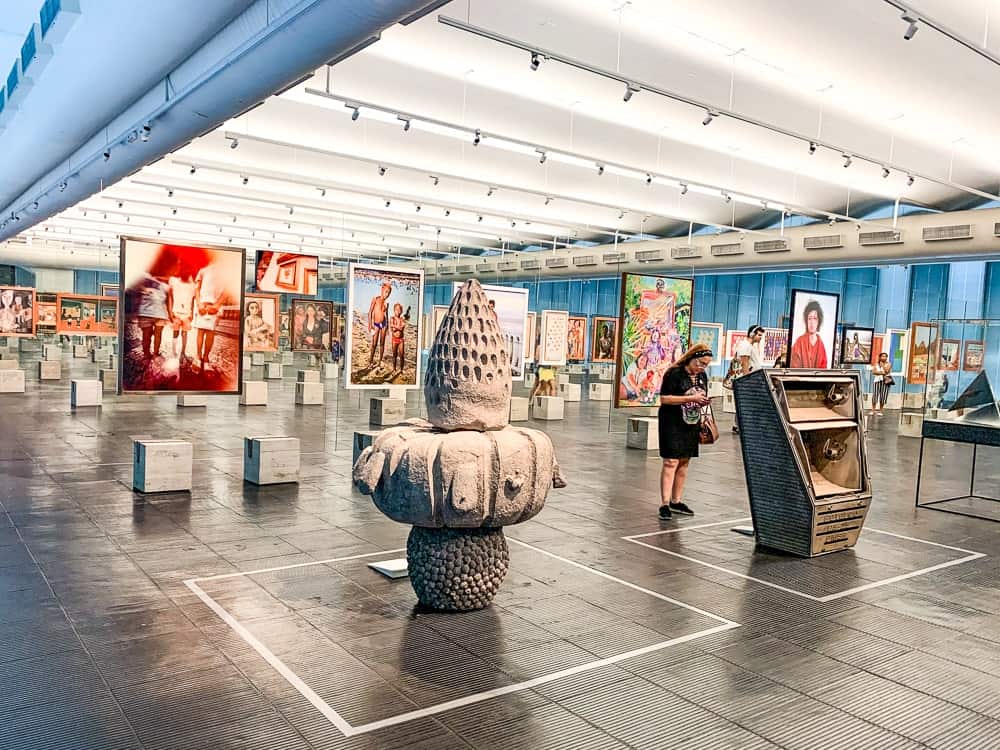
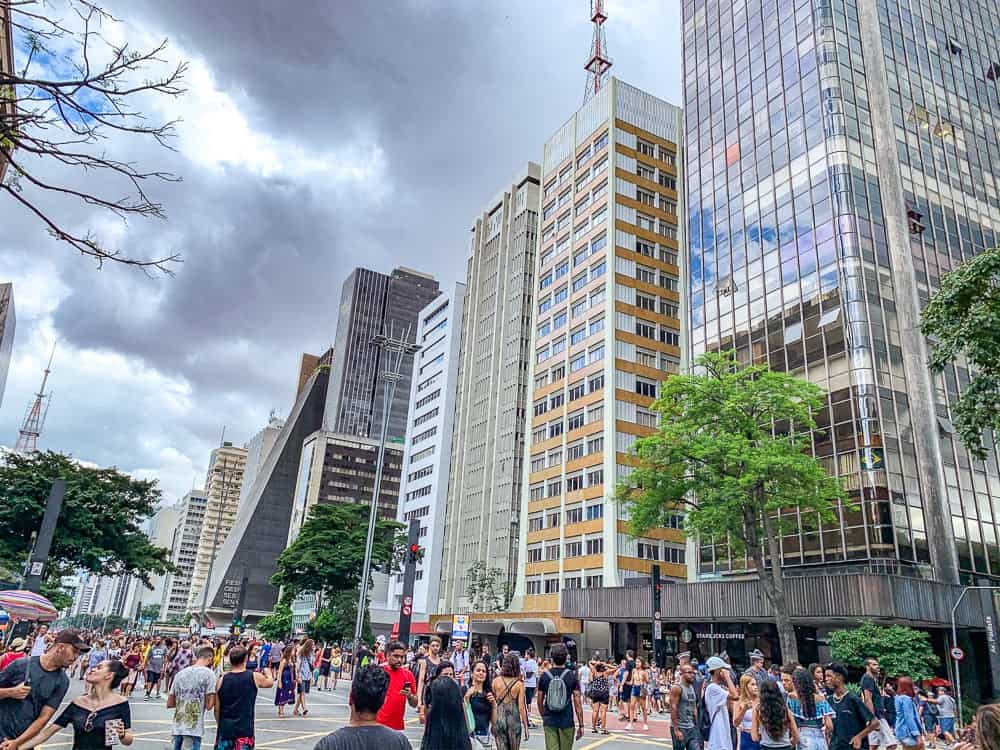
The museum is located on Avenida Paulista, renowned for its business centers, shops, and cultural activities.
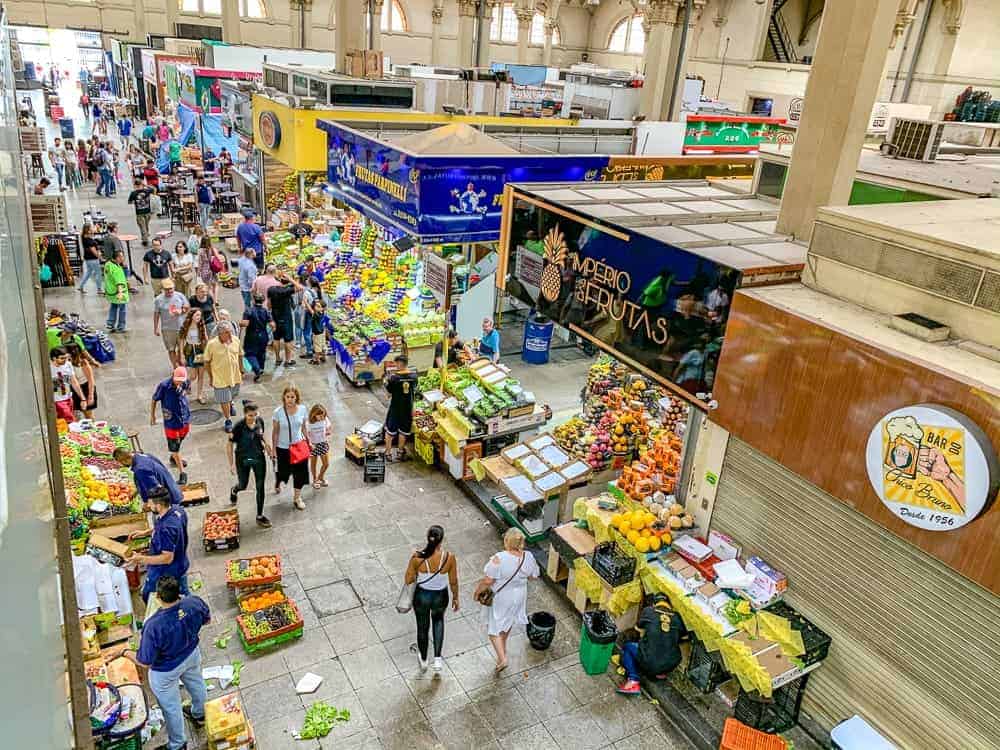
The Mercado Municipal is the city’s largest food supplier and offers tons of fruits, vegetables, cheeses, seafood, spices, and other delights, distributed in distinct sections.
On the mezzanine are also various restaurants. At first glance, you see fruit in abundance, but some stalls use a trompe-l’œil effect, making pyramids of plastic fruit among the real ones. Hmm.
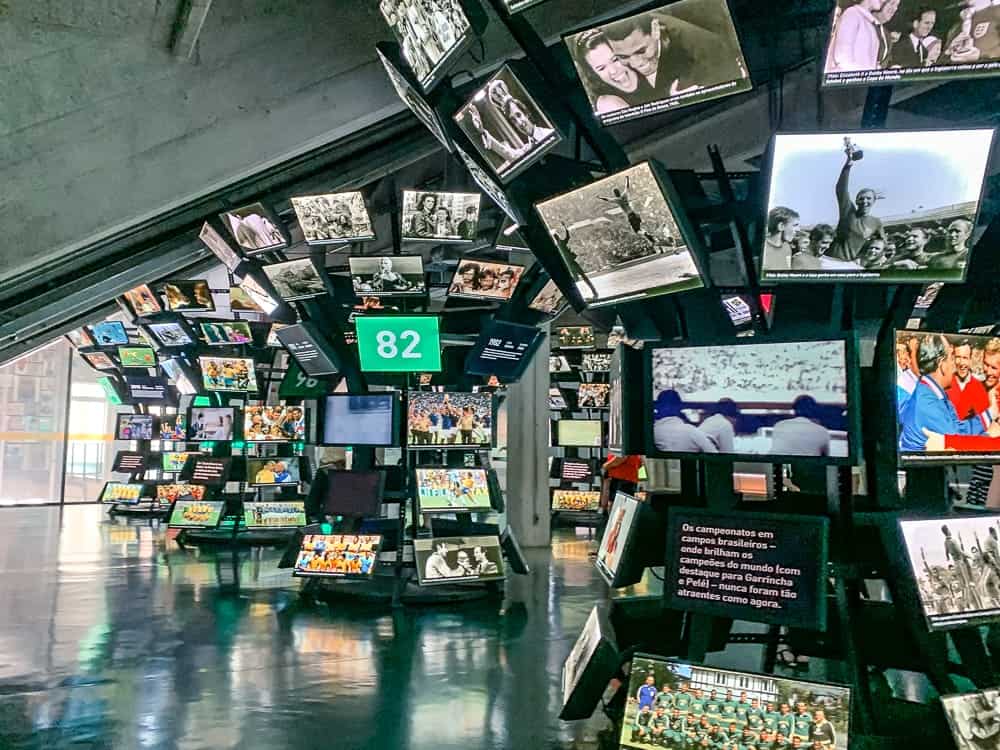
The Futebol Museum is intended for soccer fans. It is located under the stands of one of the city’s oldest stadiums.
It tells its history through exhibitions and the intense interest of Brazilians in this sport. Not all explanations are in English. It may be practical to have a dictionary (paper or via an app) if you want to read everything, as there is no audio guide.
An adult admission ticket costs between 10-15 R$.
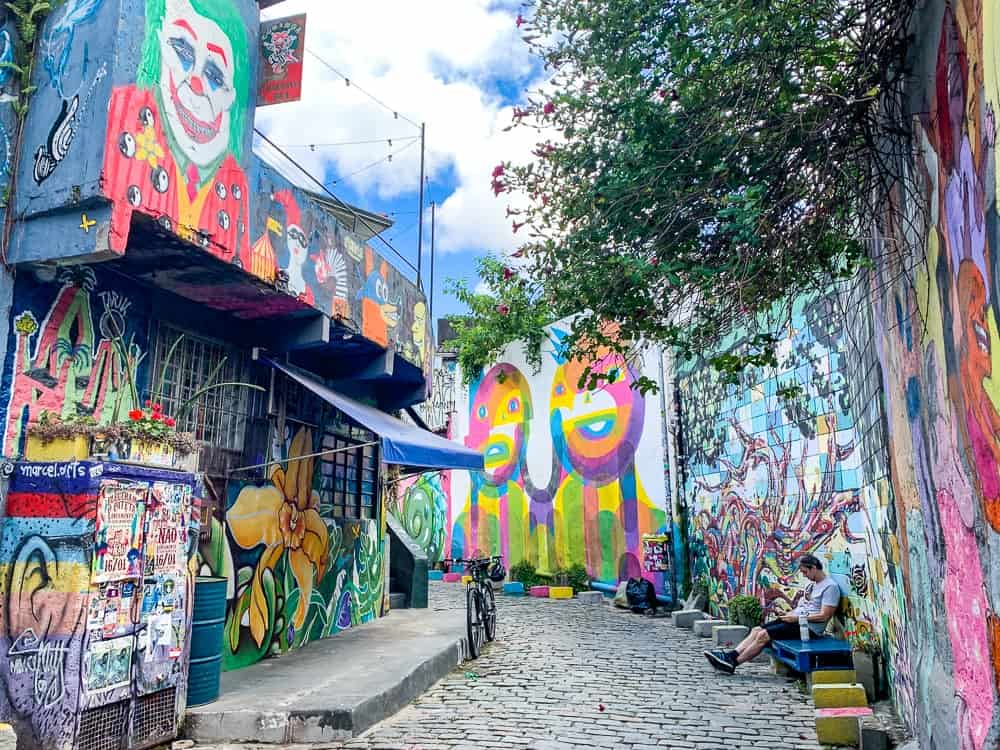
Urban art is very present in the streets of São Paulo, and this space is special. It all started with a Batman graffiti, which led other artists to create even more spectacular and colorful ones.
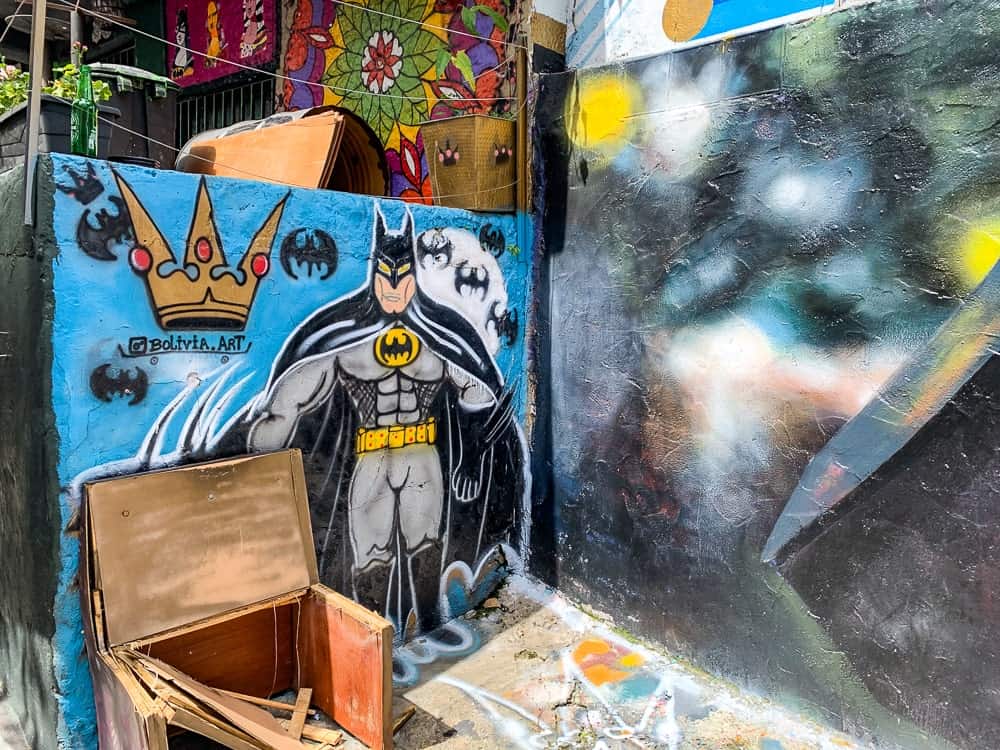
Beco do Batman (Batman’s Alley) was born. Various street vendors are also there. It is located in the Vila Madalena neighborhood, a bohemian and artistic neighborhood of the city filled with bougainvillea.
Due to lack of time, I couldn’t see Parque Ibirapuera. It’s the equivalent of Mount Royal Park or Central Park, but for Paulistas. In addition to having multiple trails to walk and 3 lakes, it houses several museums, a Planetarium, historical monuments, and an auditorium.
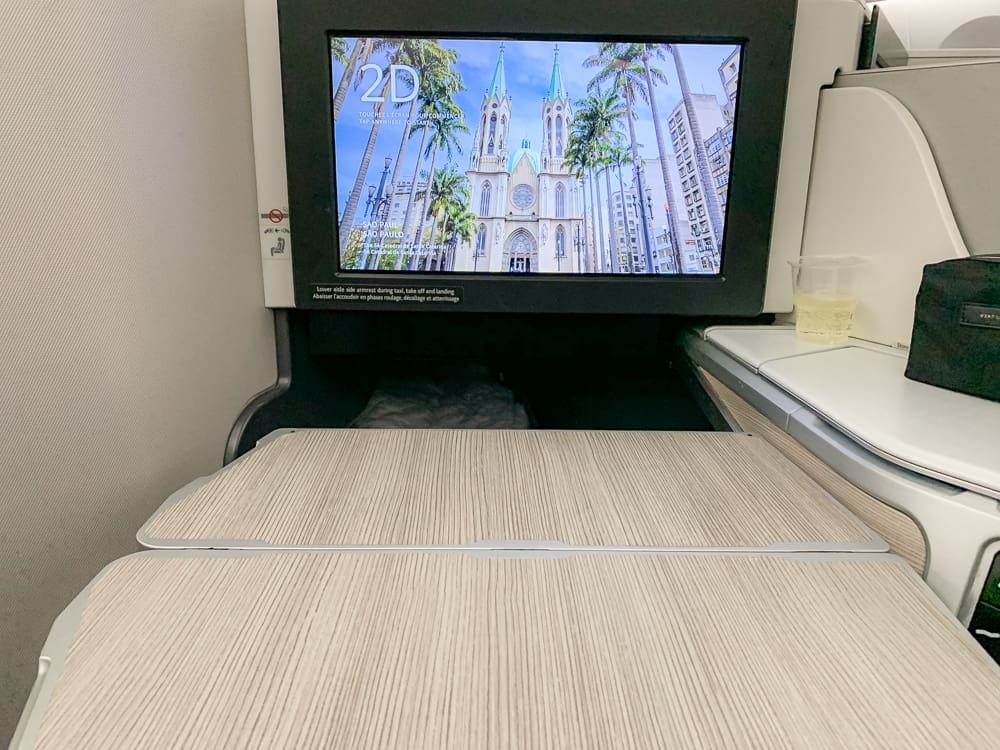
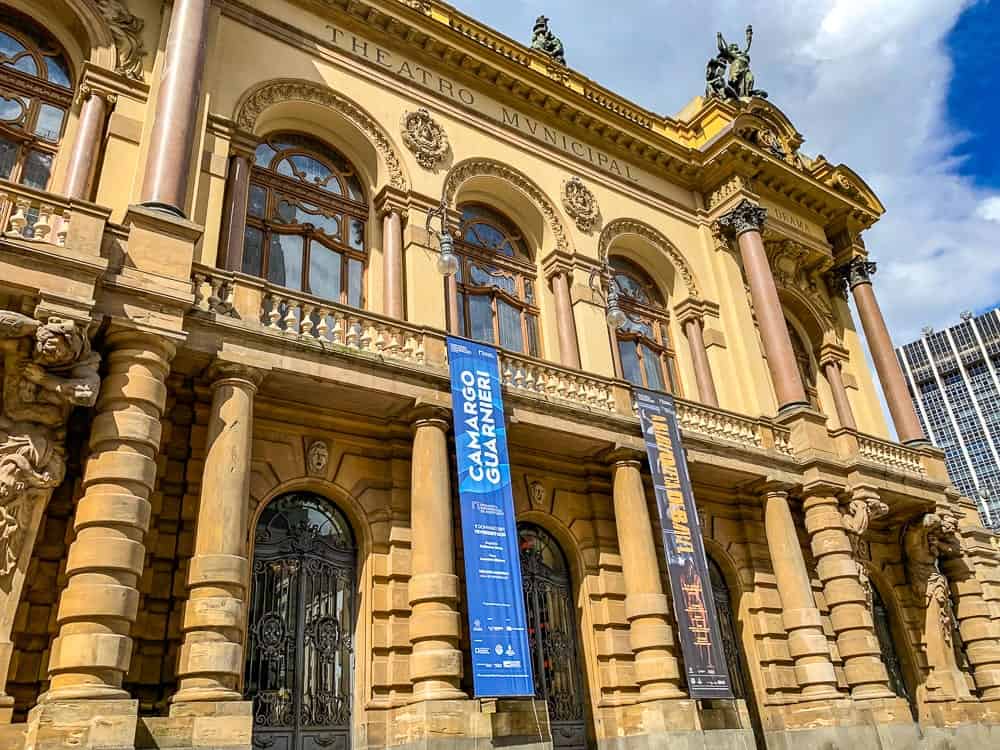
There is also the Cathedral of Sé (Catedral da Sé) located in the Centro Historico that I would have liked to see, but I was content to view it on my entertainment screen during my flight with Air Canada. I’ll have to go back to see it in person!
Restaurants:
Casa do Porco (The House of Pork): where you can wait up to 3 hours to get in. First come, first served. Pork is presented in all its forms and parts. Last year, it ranked 39th among the 50 best restaurants in the world, according to The World’s Best Restaurants. Affordable prices and an extraordinary culinary experience.
Vento Haragano: where meat is king. In a dizzying ballet, servers present you with a skewer with a cut of meat. You decide whether to take it or not. All side dishes are in a buffet at the center of the restaurant. Very good, but make sure you’re very hungry before going!
Accommodation: Four Seasons Hotel São Paulo. Very nice brand-new hotel well located for business travelers, but less so for tourists. Far from the main tourist attractions but excellent food and room. For budgets of 1,000 R$ and up.
My guide: Tatiana Spalic knows São Paulo like the back of her hand. Efficient and speaks French, English, Portuguese, and Russian. spalic@uol.com.br
This was my main concern when going to Brazil (and that of my family back in Quebec!).
You need to take the usual precautions in São Paulo, as in all major cities in the world. The city guide told me: “You have to act like a Paulista (São Paulo resident), not like a tourist.” She means you need to keep an eye on what’s happening around you, avoid flashy jewelry, not show your valuables to everyone, and keep “your precious” close to you.
I would visit São Paulo with a guide. The city is so immense that I wouldn’t want to rely on my phone’s itinerary and have it unknowingly guide me into less recommended areas. This had happened in the past during a trip with the children…. and never again. Nothing happened to us, but I’m not taking the chance anymore.
On the coast, my guide Drisana stated that it was very safe. She lives there. Everyone knows each other and it’s quite relaxed. So I trusted her! I walked around Ilhabela and Maresias late in the evening without any problem, on the more popular streets, and I felt safe. I would bring my children without any problem, although I would keep a more vigilant eye on them in São Paulo.
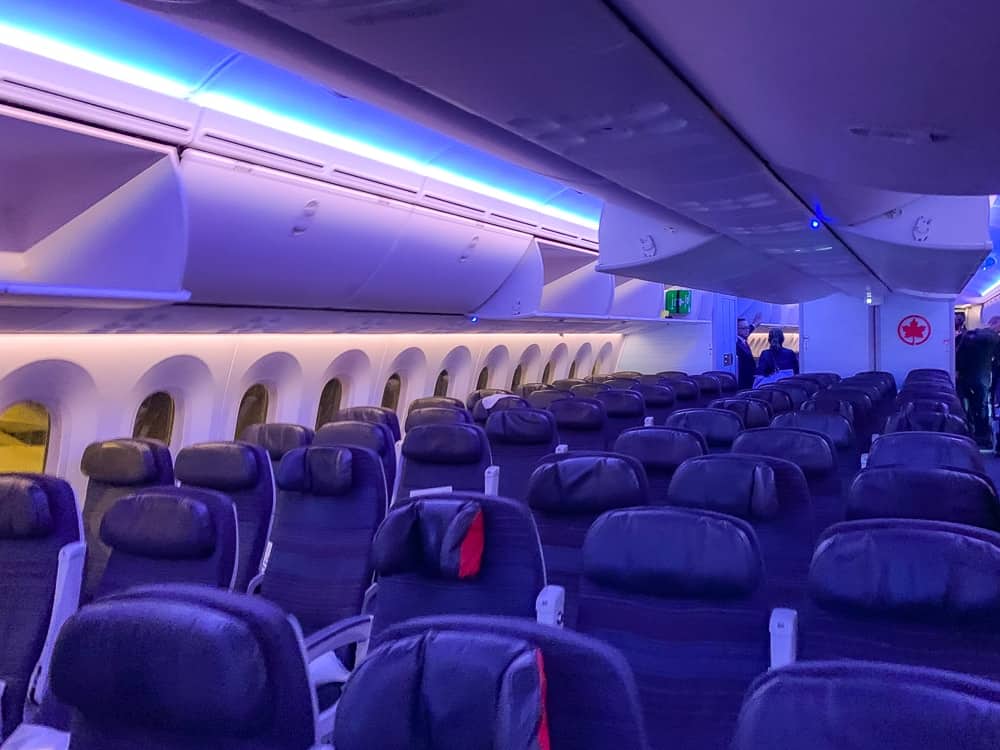
Air Canada launched a new direct flight from Montreal (YUL – Montreal-Trudeau International Airport) to São Paulo (GRU – Guarulhos International Airport) on December 11.
Until March 27, this new seasonal non-stop service connects the two cities 3 times a week:
| Flight | Departure | Arrival | Day | ||
| AC96 | Montreal | 6:35 PM | 7:30 AM (+1) | São Paulo | Wednesday, Friday, Sunday |
| AC97 | São Paulo | 8:40 AM | 3:45 PM | Montreal | Monday, Thursday, Saturday |
A little bird told me that unofficially, this flight will return on December 10, 2020, as the occupancy figures to date were more than satisfactory for Air Canada.
To book your ticket on Air Canada or for more information, see this page.
In São Paulo, you have a choice of 4 Marriott chain hotels, which require between 20,000 points (low season) and 30,000 points (high season) per night:
There are few major chain hotels on the coast. The best option is to charge your night’s stay to a card with which you can pay with your points.
A room in a pousada (guesthouse-style bed and breakfast) including breakfast and wifi can cost between 180 R$ and 300 R$ per night (between $60 and $100 CAD) in February. They are usually near the beach, restaurants, downtown, and are distinguished by their personalized customer service.
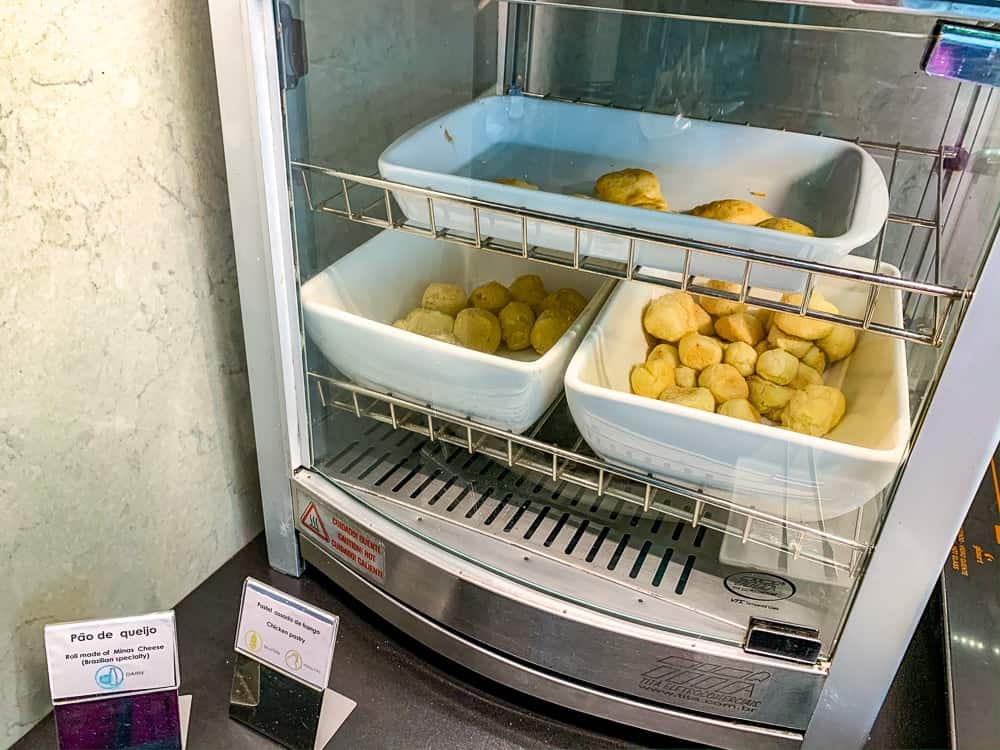
Pão de queijo
At the very strong insistence of a Brazilian friend, I ate a pão de queijo (cheese bread) for breakfast for the first time. It was delicious!
Each pousada, restaurant, and hotel has its own version. It’s a ball of dough made with tapioca flour, with cheese inside.
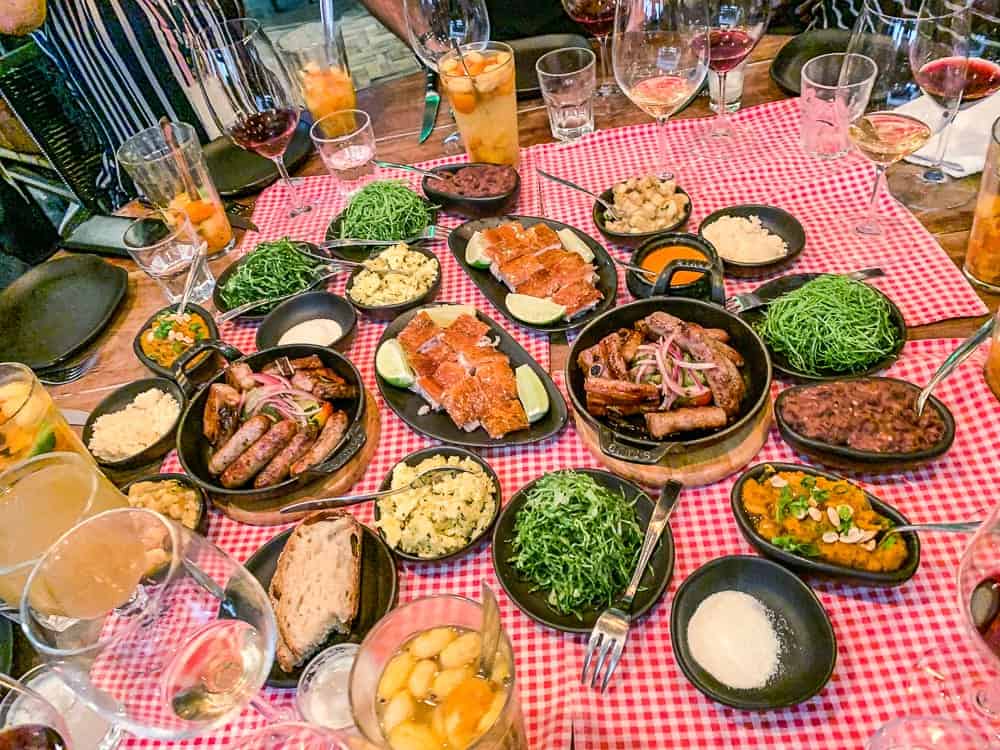
Feijoada
According to legend, this dish dates back to the time of slavery in Brazil. The masters ate the best parts of the pig and gave the leftovers to the slaves (ears, tail, etc.). The latter mixed them with black beans and vegetables, and feijoada became a national dish. This theory has been contested recently, but what matters is that it’s very good.
The Portuguese language can resemble French for certain words. This can be practical for understanding, but for conversation, English is the language that reaches everyone. Websites and other tourist offerings could be translated much more into English (and French!), however.
Brazilians are generous, and you find a zest for life everywhere. It’s dynamic, full of colors, and cosmopolitan.
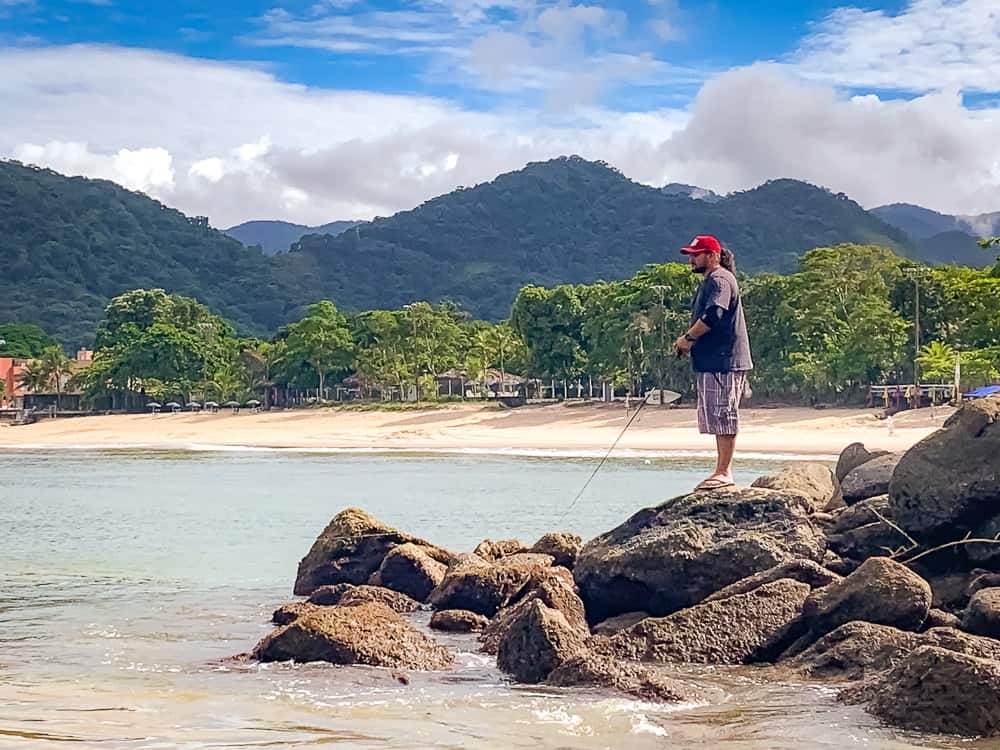
São Paulo and its coast are little-known, underestimated regions.
The region has gone into promotion mode and has begun various strategies to showcase its beautiful country.
People are right to do so, as it’s not the first destination that comes to mind when looking for vacation spots. Yet there are experiences for all tastes. The population is eager and proud to help us discover their region.
It’s a destination I recommend, with the urban side of São Paulo and the natural side of its coast.
on Scotiabank's website
on Scotiabank's website
Our reviews and rankings are based on an objective assessment. Advertisers do not influence our content. We may receive compensation through some links; our analysis and opinions remain independent.