

Credit Card Authorization Forms: What, How and Best Alternatives

POV: You check in to a hotel, and the staff has you fill out a form that authorizes them to take out money from your credit card later. Does this mean that they will charge you extra?
Maybe. It depends on whether or not you trashed the place, but in most cases, no.
That credit card authorization form is a consent agreement, and it is designed to help both the consumer and the business from unwanted financial risks like fraud or identity theft. Let’s do a deeper dive to understand why this credit card authorization form is needed and how to fill it out.
What Is a Credit Card Authorization Form?
A credit card authorization form is a document giving a merchant permission to process a payment from your credit card without you being physically present and usually at a later date. Credit card authorization forms typically include the following information:
- Personal information: This could be information such as the name on the card, your address, phone number and any other basic information that establishes the second party in this agreement.
- Card type: To ensure that the transaction can go through, you will have to provide some credit card information, including the card type, the 3-digit security number (though this may be a red flag if it does include this), expiration date and name on the card.
- Signature: The signature acts as authorization allowing the business to take money from your account for the desired transaction.
Filling the form out is pretty intuitive. You will have to read the agreement, fill out the necessary boxes and sign and date the form if satisfied with the conditions.
What Are Some Examples of Using a Credit Card Authorization Form?
Credit card authorization forms are used when a recurring or one-time payment is involved.
- Recurring payments include monthly expenses like the gym, internet and streaming services.
- One-time payments can include renting a car or something as simple as self-serving printing shops.
You may also notice that you may be required to fill out a credit card authorization form even when you have already paid for the service. This is known as a hold and is very common with hotels or rental services. The hold pre-authorizes an amount on your credit card to cover potential damages to your room or rental. A hold can last several days up to a month after the service has been rendered but will usually be returned to you if no additional charges are incurred.
The Pros and Cons of Using a Credit Card Authorization Form
Credit card authorization forms are beneficial for both the consumer and the business. The main benefit for businesses is protecting them from fraud and chargebacks. A chargeback is a tool to help consumers get their money back from purchases that were never rendered or unauthorized transactions. A written document removes the risk merchants accept when no credit card is present, and it helps justify any future payments as the cardholder has already accepted the future charge.
With a credit card consent agreement, the consumer has a sense of convenience from using this payment method. For example, if the payment is recurring, you won’t have to pay your bill every month as it is taken from your card automatically. This will help your credit as you won’t have any missed payment hits and save you some time in your day-to-day life.
The challenge with the credit card authorization form is that it leaves you vulnerable to financial risk when a business stores these paper forms. For starters, using paper forms becomes incredibly inefficient because a business must input your sensitive information into a payment processing system after you have signed the form. Someone may take the information on the credit card authorization form for malicious purposes like identity theft. Not to mention signing the form for multiple transactions can damage the customer experience.
Below will give you some tips on how to avoid these types of situations.

Credit Card Authorization Form Tips
Before you sign ANY credit card authorization form, you should be aware of these tips to help keep you safe and protected.
1. Always Read the Fine Print
One way to ensure that your information stays safe and secure is to make sure that you know the ins and outs of your agreement. That is easier said than done, as many credit card authorization forms are riddled with long, boring text that is very hard to read through. If you can’t be bothered with reading it in its entirety, you can make sure that you only sign with a business you trust and that you at least know how your information is stored before and after you sign.
2. It Is OK to Say No
Before you sign a credit card authorization form, please know that you are not legally obligated to do so. The worst thing that can happen is you will be denied the service or good. In some cases, you may be able to negotiate a different form of payment, but that will be based on the business’s protocol.
3. Check for Red Flags
Under no circumstances should detailed information like your social insurance number or birthdate be asked on a credit card authorization form. If you see that question on the form, ask the merchant why they require it and do not fill that portion out. That, my friend, is a red flag!
You may also save yourself by ensuring the agreement specifies payment frequency and the amount charged(depending on whether or not it is a fixed or variable fee).
The Best Alternatives to Credit Card Authorization Forms
You may wonder what other options are available if you don’t want to use the credit card authorization form. In some cases, you can use what is called a virtual terminal for payment processing.
What is a virtual terminal? In general terms, a business can offer this to you, allowing them to process electronic payments over the phone, online, by fax or by mail-in services. They do this by pulling up your stored payment details located within a secure cloud. Not only do you avoid the hassle of writing your sensitive information on a paper-based credit card authorization form, but it also makes for a more effortless customer experience as you can complete the transaction from the comfort of your home.
Suppose the business you want to receive a service or product offers payment through a virtual terminal. In that case, you will likely fill out a secure online form with your credit card information and any future transactions can be initiated without you physically being present.
If this method seems risky, you could also physically pay in person or through your online banking. This would be ideal for services that you are regularly using. You would have to work that out with your service provider, however.
Final Thoughts on Credit Card Authorization Forms
While credit card authorization forms do come in handy for processing payments, in a world of increased technology, they can be risky when it comes to protecting your data. If you trust the business you are dealing with, then you should have no problem with using this payment processing method; however, always make sure that you fully understand the document before authorizing any payments.
That is our two cents! What do you think about using a credit card authorization form?
Our featured card
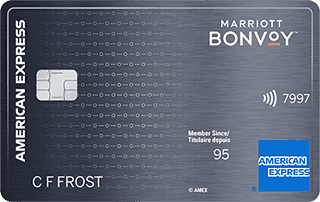

- Annual fee
- $120
- Our valuation
- $990Milesopedia first-year estimate First-year valueWelcome bonus$990Total$990Rewards on your spending are not included. The calculator that adds them from your own profile is on the card's page.
- Milesopedia first-year estimateFirst-year valueWelcome bonus$990Total$990Rewards on your spending are not included. The calculator that adds them from your own profile is on the card's page.
- Welcome offer
- Up to 110,000 points
- Ends Sep 22, 2026
on American Express's website
Apply with confidence — no impact on your credit scoreApply with confidenceCheck whether your application will be approved before you submit it, with no impact on your credit score*When you apply for a personal American Express Credit Card, we will tell you whether you are eligible without affecting your credit score. So you can apply with confidence.*Instant decisions are only available for consumer Card applications (also called “personal Cards”).
Our editorial integrity
Our reviews and rankings are based on an objective assessment. Advertisers do not influence our content. We may receive compensation through some links; our analysis and opinions remain independent.