

What is Liability Car Insurance?

Liability car insurance coverage is designed to protect you if you are involved in an accident that you have caused and are liable to pay for the injury, property damage and, in extreme circumstances, death of a third party. This is the basic and legally required car nsurance in Canada. However, it will not compensate for damage to yourself or your personal car.
What Insurance is Required to Drive a Car?
The aim of car insurance is to provide financial protection to insured drivers in the event of bodily injury or damage to the vehicle resulting from collisions or accidents such as fire or theft. There are several types of car insurance (see below), not all of which are mandatory.
- Liability car insurance (mandatory)
- Collision and Upset Coverage
- Comprehensive excluding collision or upset
- All-risk coverage
What’s more, there are a wide variety of optional insurances (replacement insurance, replacement value insurance, roadside assistance and car rentals, etc.), all of which are explained in our complete guide to car insurance. But this article focuses solely on liability car insurance. But this article focuses solely on liability car insurance.
What is Liability Car Insurance?
Third-party liability insurance coverage within car insurance is mandatory in Canada. The purpose of this insurance is to protect you against any damage caused to another car or to the driver of that car.
Liability car insurance pays for repairs to the other car and medical bills following an accident you’ve caused. You can choose the amount of insurance coverage, from the minimum (which varies by province) to a few million.
If you are caught without car insurance in Canada, you can face serious penalties, including fines and a licence suspension. Without this insurance, you’ll also have to pay out-of-pocket for any property damage, treatment bills in the event of injury, and legal fees in the event of an accident. Without a doubt, this amount could be enormous.
How Does Liability Car Insurance Protect You?
Here’s how liability car insurance works:
- Firstly, it offers protection if you are at fault in an accident, and protects you against payment for property damage, injuries and even death.
- If an uninsured driver hits you, the insurance will cover your property damage, injuries or death.
- It provides accident benefits that simply protect you, the policy owner and the driver.
As you probably know, accidents can happen out of nowhere and extremely quickly. Unfortunately, they are often the result of driver error. Having the right liability car insurance for your situation can help relieve the stress that accompanies legal problems, should they arise.
What Does Liability Car Insurance Cover?
Now that you have a brief understanding of liability car insurance, let’s discuss more about what it generally covers to make sure you know exactly what you’re buying. This insurance provides excellent coverage when you are responsible for the accident. It protects you against any claim for bodily injury or property damage that may be filed against you.
Liability Car Insurance – Damage Compensation
Below are some examples of how liability can insure you.
- If you accidentally collide with a pedestrian, cyclist or other non-motorized driver, you’ll be covered for all bodily injury and death claims.
- As an extension of the above, if you cause damage, injury or death in an accident involving a mortified vehicle, you will be covered.
- If you cause damage to a business or someone’s personal property, such as a sign, garage or mailbox, you’ll be insured for any accidental damage.
Liability Car Insurance – Minimum Amount
The minimum amount for liability car insurance in most provinces is around $200,000, but $50,000 in Quebec. However, it’s not a bad idea to have liability coverage above this amount in the event of a serious event. You can never be sure of the amount of liability in the event of an accident. For example, if you hit a luxury sports car, although it is unlikely, the cost of repairs will be much higher than what you will have to pay.
Bottom Line
In short, the aim of liability car insurance is to protect you against any damage caused to another person. Liability car insurance covers repair costs, legal fees and medical expenses. You can choose the amount of insurance coverage, from the minimum (which varies by province) to a few million.
To compare car insurance quotes online, feel free to use our car insurance comparison tool to find the one that best suits your needs.
Frequently Asked Questions
What is liability car insurance?
Liability car insurance is mandatory in Canada, and protects you against any damage caused to another car or to the driver of that car. Liability car insurance pays for repairs to the other car and medical bills.
Is liability car insurance mandatory?
Yes, liability car insurance is mandatory in Canada. However, each province and territory imposes minimum insurance coverage requirements of around $200,000 (except Quebec, where it’s $50,000).
What does liability car insurance cover?
Liability car insurance provides excellent coverage when you are at fault in an accident. It protects you against any claim for bodily injury or property damage that may be filed against you.
For car insurance, should you choose 1 or 2 million liability car insurance?
Each province and territory imposes minimum insurance coverage requirements of approximately $200,000 (except in Quebec where it is $50,000). However, discuss your car insurance needs with your insurer. Typically, insurers and insurance brokers like ClicAssure recommend having at least one million in liability insurance.
Our featured card
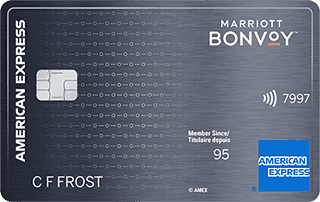

- Annual fee
- $120
- Our valuation
- $990Milesopedia first-year estimate First-year valueWelcome bonus$990Total$990Rewards on your spending are not included. The calculator that adds them from your own profile is on the card's page.
- Milesopedia first-year estimateFirst-year valueWelcome bonus$990Total$990Rewards on your spending are not included. The calculator that adds them from your own profile is on the card's page.
- Welcome offer
- Up to 110,000 points
- Ends Sep 22, 2026
on American Express's website
Apply with confidence — no impact on your credit scoreApply with confidenceCheck whether your application will be approved before you submit it, with no impact on your credit score*When you apply for a personal American Express Credit Card, we will tell you whether you are eligible without affecting your credit score. So you can apply with confidence.*Instant decisions are only available for consumer Card applications (also called “personal Cards”).
Our editorial integrity
Our reviews and rankings are based on an objective assessment. Advertisers do not influence our content. We may receive compensation through some links; our analysis and opinions remain independent.