

Variable and Fixed Rate Mortgages in Canada

One of the key decisions you will need to make in your property buying journey is the type of mortgage repayment period you are going for and whether you want a fixed or variable rate mortgage.
Some homeowners will have just gone for what seemed like the cheapest option from a monthly payment perspective. However, there are other factors to consider, and it also may not be the cheapest option in the long term.
What is the Difference between Fixed and Variable Rates?
A fixed-rate mortgage will stay the same each month. That means if your mortgage payment is $1,500 per month, it will stay that way for the duration of the mortgage period. However, some mortgages will only give you a fixed rate for a specific period of time—for example, 5 years out of your 20-year mortgage.
Comparatively, a variable rate mortgage can change your monthly payments over your time period. This is based on what the current prime lending rate is set at by your lender. The rate will generally be quoted as the Prime rate +/- an amount. For example, Prime -0.5%. The relationship with the prime rate will stay fixed throughout your mortgage period. Therefore the variable here is the prime rate itself. The prime rate can fluctuate significantly depending on the current economic situation within the country/world.
A variable rate mortgage tends to be slightly lower in cost than a fixed-rate mortgage. This is simply because a variable rate could get the lender a slightly higher payment as the prime rate increases, and therefore provides less risk for the lender. A fixed-rate is somewhat riskier for the bank, as if the prime rate shoots up, they are then losing out on significant income, which is why it tends to start at a higher rate from the beginning to entice buyers into the variable rate.
Pros and Cons for Fixed Rate
Pro
- You don’t have to worry about variations in your monthly mortgage payments. This means you know what you need to pay, and it is as simple as that. You don’t need to worry if the rate increases if you can afford it. The makes planning your personal budgeting far more simple and stress-free
Cons
- There can be a significant difference between a variable and fixed-rate mortgage, and the stability of the fixed-rate may come at a cost. Unfortunately, nobody has a crystal ball, and it is impossible to tell whether a fixed rate will be beneficial or not from a cost perspective in the distant future. It is technically possible that the prime rate could shoot up, and you would be left paying significantly less on a fixed rate. However, nobody can predict that accurately.
Pros and Cons for Variable Rate
Pro
- When we look at what history can tell us, the variable rate mortgage has been less expensive over a prolonged period than the fixed-rate mortgage. There may be times when it is higher, but over a 25-year mortgage in the past, the overall payments have been lower.
Cons
- There is significant financial uncertainty. The prime rate increasing could lead to a major increase in your interest payable, putting you under further stress. It could be argued that if you can definitely afford an upward swing in your monthly payment and plan to live in the property for the long term, history has shown the variable option is a no-brainer.
Prime Lending Rates
As stated, history shows that the prime lending rates show that a variable rate mortgage is cheaper over the long term. The prime rate will fluctuate depending on the state of the economy and other factors such as unemployment, inflation, imports/exports, and more.
As a general rule, when inflation is high, the Bank of Canada will increase the prime rate to increase the cost of lending, reducing inflation over time. Conversely, when inflation is too low, they may decrease the rate to incentivize spending. You will have seen this in the aftermath of the 2008 financial crisis, where the rates were at record lows to incentivize people to get back into the property market. We have had historically low rates ever since 2008, which have remained relatively stagnant, so only the future will tell what is in store for the prime rate and the cost of lending via a variable rate mortgage.
Our featured card
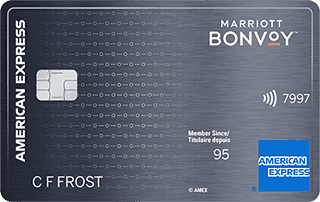

- Annual fee
- $120
- Our valuation
- $990Milesopedia first-year estimate First-year valueWelcome bonus$990Total$990Rewards on your spending are not included. The calculator that adds them from your own profile is on the card's page.
- Milesopedia first-year estimateFirst-year valueWelcome bonus$990Total$990Rewards on your spending are not included. The calculator that adds them from your own profile is on the card's page.
- Welcome offer
- Up to 110,000 points
- Ends Sep 22, 2026
on American Express's website
Apply with confidence — no impact on your credit scoreApply with confidenceCheck whether your application will be approved before you submit it, with no impact on your credit score*When you apply for a personal American Express Credit Card, we will tell you whether you are eligible without affecting your credit score. So you can apply with confidence.*Instant decisions are only available for consumer Card applications (also called “personal Cards”).
Our editorial integrity
Our reviews and rankings are based on an objective assessment. Advertisers do not influence our content. We may receive compensation through some links; our analysis and opinions remain independent.